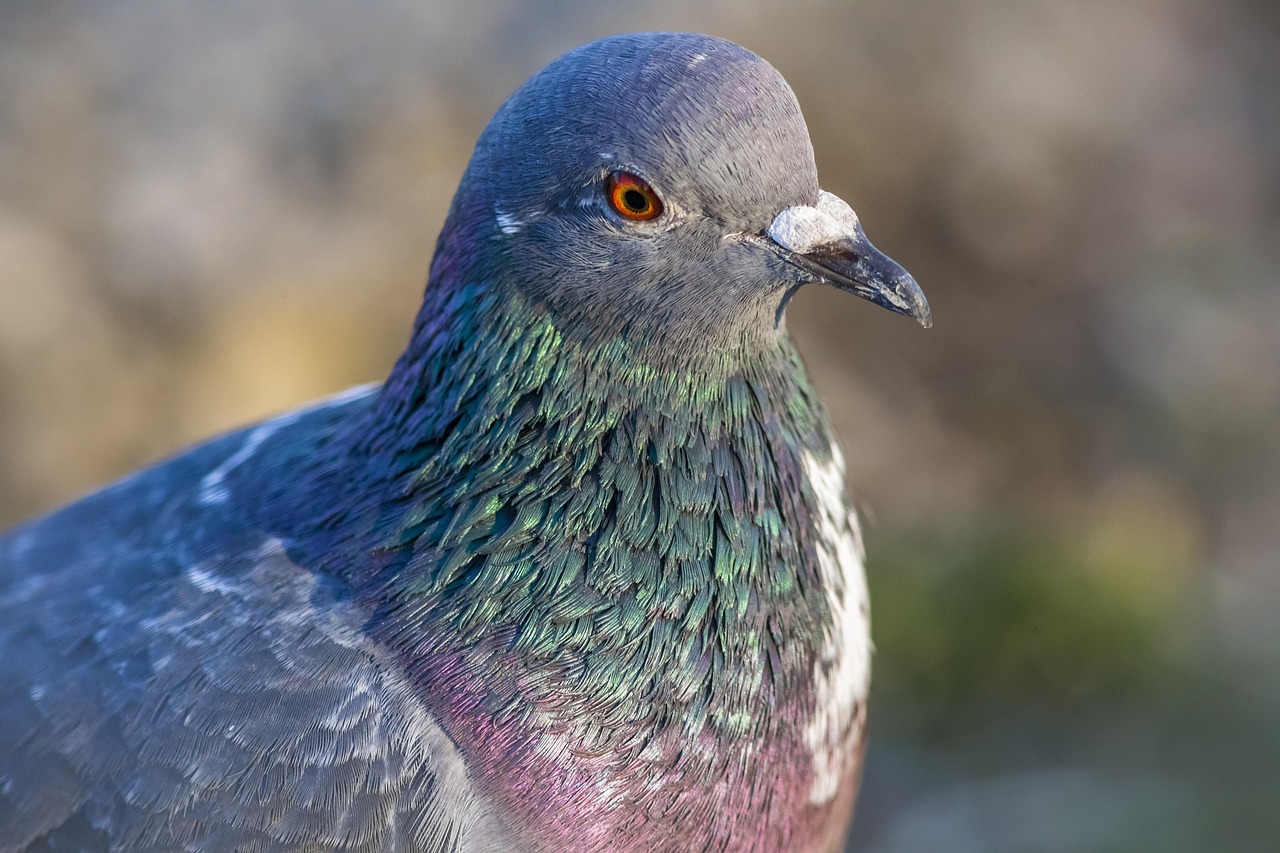
The widowhood system is a revolutionary training method in pigeon racing, designed to cultivate elite racing birds by harnessing their natural instincts for peak performance. This approach transforms ordinary pigeons into champions through strategic separation and motivation, making it a cornerstone for fanciers aiming to dominate long-distance competitions. By understanding and implementing its principles, you can build a team of top-tier flyers that consistently excel.
The Fundamentals of the Widowhood System
At its core, the widowhood system involves separating male and female pigeons during the racing season to stimulate a strong desire to return home quickly. This method leverages the birds' mating instincts, creating a powerful motivational tool that enhances speed and endurance. It's particularly effective for long-distance races, where mental drive is as crucial as physical ability. By mastering these basics, you lay the groundwork for developing elite racing birds that outperform the competition.
How Widowhood Pigeons Are Motivated
Widowhood pigeons are motivated by the anticipation of reuniting with their mates or nests, which triggers a heightened sense of urgency during races. This psychological boost drives them to fly faster and more directly, reducing distractions and improving overall performance. The system typically involves keeping males and females apart except for brief reunions before races, reinforcing their bond and desire. This emotional connection is key to transforming them into elite racing birds capable of sustained effort over long distances.
To maximize motivation, timing is critical; reunions should occur just before shipping to races, ensuring the birds are at peak excitement. This approach not only enhances speed but also builds consistency, as the pigeons learn to associate racing with positive rewards. By fine-tuning these interactions, you can create a team of widowhood pigeons that are mentally prepared and physically primed for success. It's a delicate balance that requires observation and adjustment based on individual bird behavior.
Setting Up Your Loft for Success
A well-designed loft is essential for implementing the widowhood system effectively, providing the environment needed to nurture elite racing birds. Key elements include separate compartments for males and females, ensuring they can see but not physically interact, which maintains their motivation. The loft should offer ample space, good ventilation, and clean conditions to support health and reduce stress. Additionally, perches and nesting areas should be arranged to mimic natural settings, promoting comfort and stability.
Consider these factors when setting up your loft:
- Separate sections for males and females with visual access
- Adequate lighting to regulate circadian rhythms
- Easy access for feeding and health checks
- Protection from predators and harsh weather
Training Techniques for Elite Racing Birds
Training widowhood pigeons requires a structured approach that builds physical stamina and mental resilience, essential for elite racing birds. Start with short, frequent flights to develop muscle strength and navigation skills, gradually increasing distance as the birds adapt. Incorporate varied routes to expose them to different terrains and weather conditions, preparing them for the unpredictability of long-distance races. Consistency in training schedules helps establish routines that optimize performance and reduce anxiety.
Building Endurance for Long-Distance Races
Endurance is a critical trait for widowhood pigeons competing in long-distance events, as it allows them to maintain speed over extended periods. To build this, focus on incremental training that pushes limits without causing burnout, such as extending flight times by 10-15% weekly. Include rest days to allow recovery, preventing overtraining and injuries that could sideline elite racing birds. Monitoring health indicators like weight and energy levels ensures they are progressing safely toward peak condition.
Nutrition plays a vital role in endurance training, with diets rich in proteins and carbohydrates to fuel long flights. Supplements like electrolytes can aid in hydration and muscle function, especially during intense sessions. By combining physical training with proper care, you develop widowhood pigeons that are not only fast but also durable, capable of excelling in grueling competitions. This holistic approach sets the stage for consistent wins and a reputation for breeding elite racing birds.
Mental Conditioning and Race Preparation
Mental conditioning is often overlooked but crucial for widowhood pigeons, as it sharpens focus and reduces stress during races. Techniques include simulated race scenarios, such as timed releases from varying distances, to build confidence and problem-solving skills. Exposure to travel and handling helps acclimate the birds to the logistics of competitions, minimizing anxiety on race day. Positive reinforcement through reunions with mates reinforces their motivation, making them eager to perform as elite racing birds.
Before races, ensure widowhood pigeons are in optimal mental state by providing a calm environment and avoiding last-minute changes. Visual cues, like familiar loft markings, can enhance homing instincts, while practice with basketing reduces resistance. By prioritizing mental preparation, you equip your birds with the resilience needed to overcome challenges, turning them into reliable competitors. This attention to detail distinguishes top fanciers and their elite racing birds from the rest of the field.
Nutrition and Health Management
Proper nutrition and health management are pillars of success for widowhood pigeons, directly impacting their ability to perform as elite racing birds. A balanced diet tailored to training phases ensures they receive essential nutrients for energy, recovery, and immune support. Regular health checks, including parasite control and vaccination, prevent diseases that could derail progress. By prioritizing wellness, you sustain a team of widowhood pigeons that are robust and ready for any race.
Diet Plans for Peak Performance
Diet plans for widowhood pigeons should vary based on activity levels, with higher protein and fat content during intense training to support muscle development and energy. During rest periods, lighter diets prevent weight gain while maintaining health. Key components include grains, seeds, and supplements like vitamins and minerals, which enhance overall vitality. Hydration is equally important, with clean water available at all times to aid digestion and temperature regulation.
Consider these dietary tips for elite racing birds:
- Adjust portions based on flight distance and frequency
- Incorporate probiotics for gut health
- Use high-quality feeds to avoid contaminants
- Monitor body condition to tailor nutrition individually
Preventing Common Health Issues
Common health issues in widowhood pigeons, such as respiratory infections or parasites, can hinder their development into elite racing birds. Prevention starts with a clean loft environment, regular disinfection, and quarantine for new birds to avoid outbreaks. Routine screenings for signs of illness, like lethargy or abnormal droppings, allow early intervention. Vaccinations and deworming schedules should be followed diligently, protecting against prevalent diseases in racing communities.
Stress management is also key, as widowhood pigeons under pressure are more susceptible to health problems. Provide enrichment and stable routines to minimize anxiety, especially during training peaks. By addressing health proactively, you maintain a resilient team capable of achieving long-term success. This care not only benefits individual birds but also strengthens your reputation as a breeder of elite racing birds.
Advanced Strategies for Competition Success
Advanced strategies elevate widowhood pigeons from competent to elite racing birds, focusing on fine-tuning and innovation. Techniques like selective breeding enhance genetic traits for speed and endurance, while data analysis from past races informs training adjustments. Collaboration with other fanciers can provide new insights, but maintaining a unique approach sets your team apart. By embracing these strategies, you position your widowhood pigeons for dominance in competitive circuits.
Selective Breeding for Superior Traits
Selective breeding is a powerful tool for developing widowhood pigeons with superior traits, such as strong homing instincts and physical stamina. Focus on pairing birds that have demonstrated success in races, ensuring their offspring inherit desirable characteristics. Track performance metrics over generations to identify trends and avoid inbreeding, which can weaken elite racing birds. This long-term investment builds a lineage of champions, reducing reliance on external sources and enhancing consistency.
Incorporate genetic diversity by introducing new bloodlines occasionally, which can improve resilience and adaptability. Document breeding outcomes to refine your program, creating a sustainable pipeline of widowhood pigeons. By prioritizing quality over quantity, you cultivate a team that excels across seasons, solidifying your status in the racing community. This strategic approach is essential for anyone serious about breeding elite racing birds.
Leveraging Technology and Data
Technology and data analysis offer modern advantages for managing widowhood pigeons, transforming them into elite racing birds through precision. Use GPS trackers to monitor flight patterns and speeds, identifying areas for improvement in training. Software tools can log health data, breeding records, and race results, providing insights for optimized decisions. This data-driven approach reduces guesswork, allowing you to tailor strategies based on empirical evidence.
Benefits of leveraging technology include:
- Real-time performance tracking during training
- Predictive analytics for race outcomes
- Automated reminders for health and feeding schedules
- Enhanced communication with racing organizations
Conclusion
The widowhood system is a proven method for building elite racing birds, combining motivation, training, nutrition, and strategy to achieve long-distance success. By mastering its principles, you can transform ordinary pigeons into champions that consistently outperform. Remember, consistency and attention to detail are key to sustaining high performance. For those looking to streamline their management, consider tools like Ghawy – Pigeon Manager (غاوي – إدارة الحمام) to enhance your efforts and track progress effectively.