In the world of fancy pigeons, value isn't just about beauty—it's a science rooted in genetics and morphology. For enthusiasts and breeders, understanding how to enhance shoulder and frontal characteristics can transform an average bird into a prized specimen, significantly boosting its market worth and breeding potential. This article delves into the art and science of selecting pigeons based on shoulder genetics and overall pigeon morphology improvement, offering actionable insights to elevate your flock.
The Foundation of Pigeon Value: Genetics and Morphology
At the core of any successful pigeon breeding program lies a deep appreciation for genetics and morphology. These two elements work in tandem to define a pigeon's physical structure, health, and aesthetic appeal, directly influencing its value in competitions and sales. By focusing on selective breeding, you can harness these factors to produce birds that stand out in the pigeon community.
Understanding Shoulder Genetics in Pigeons
Shoulder genetics play a pivotal role in determining a pigeon's posture, wing carriage, and overall balance. The shoulder area, comprising the scapula and associated muscles, affects how a pigeon holds itself, which is crucial for breeds valued for their stance and movement. Genetic traits related to shoulder width, angle, and muscle development are inherited from parent birds, making it essential to study lineage and select breeding pairs with desirable shoulder characteristics. For instance, pigeons with broad, well-angled shoulders often exhibit better flight capabilities and a more imposing presence, traits highly sought after in shows.
To improve shoulder genetics, breeders should prioritize birds with a history of strong shoulder lines in their pedigree. This involves meticulous record-keeping and observation over generations, as subtle genetic variations can accumulate to produce significant improvements. By focusing on shoulder genetics pigeons, you can enhance not only appearance but also functional attributes like endurance and agility, adding layers of value to your birds. Remember, consistency in breeding for these traits is key to achieving long-term success and doubling your pigeon's worth.
The Role of Pigeon Morphology Improvement
Pigeon morphology improvement encompasses the overall physical form, including size, shape, and proportions, which are critical for both aesthetics and health. A well-structured pigeon with balanced morphology is more likely to thrive, reproduce successfully, and command higher prices. This improvement starts with assessing key areas such as the head, body, and legs, but it's the integration of shoulder and frontal traits that truly elevates a bird's profile. By targeting specific morphological enhancements, breeders can create pigeons that excel in their respective categories.
Implementing pigeon morphology improvement requires a holistic approach. Regular health checks, proper nutrition, and controlled breeding environments are foundational. Additionally, using tools like body scoring and photographic documentation can help track progress and identify areas for refinement. For example, a pigeon with improved frontal structure—such as a well-defined beak and eye placement—complements strong shoulders, creating a harmonious and valuable specimen. This synergy between genetics and care ensures that your efforts in morphology translate into tangible value increases.
Selecting for Superior Shoulder Traits
Selecting pigeons with superior shoulder traits is a strategic process that involves both visual assessment and genetic analysis. The shoulders are a focal point in many fancy pigeon breeds, influencing everything from show ring success to breeding viability. By mastering the art of selection, you can identify birds with the potential to pass on desirable shoulder characteristics, thereby enhancing your flock's overall quality and marketability.
Key Indicators of Strong Shoulder Genetics
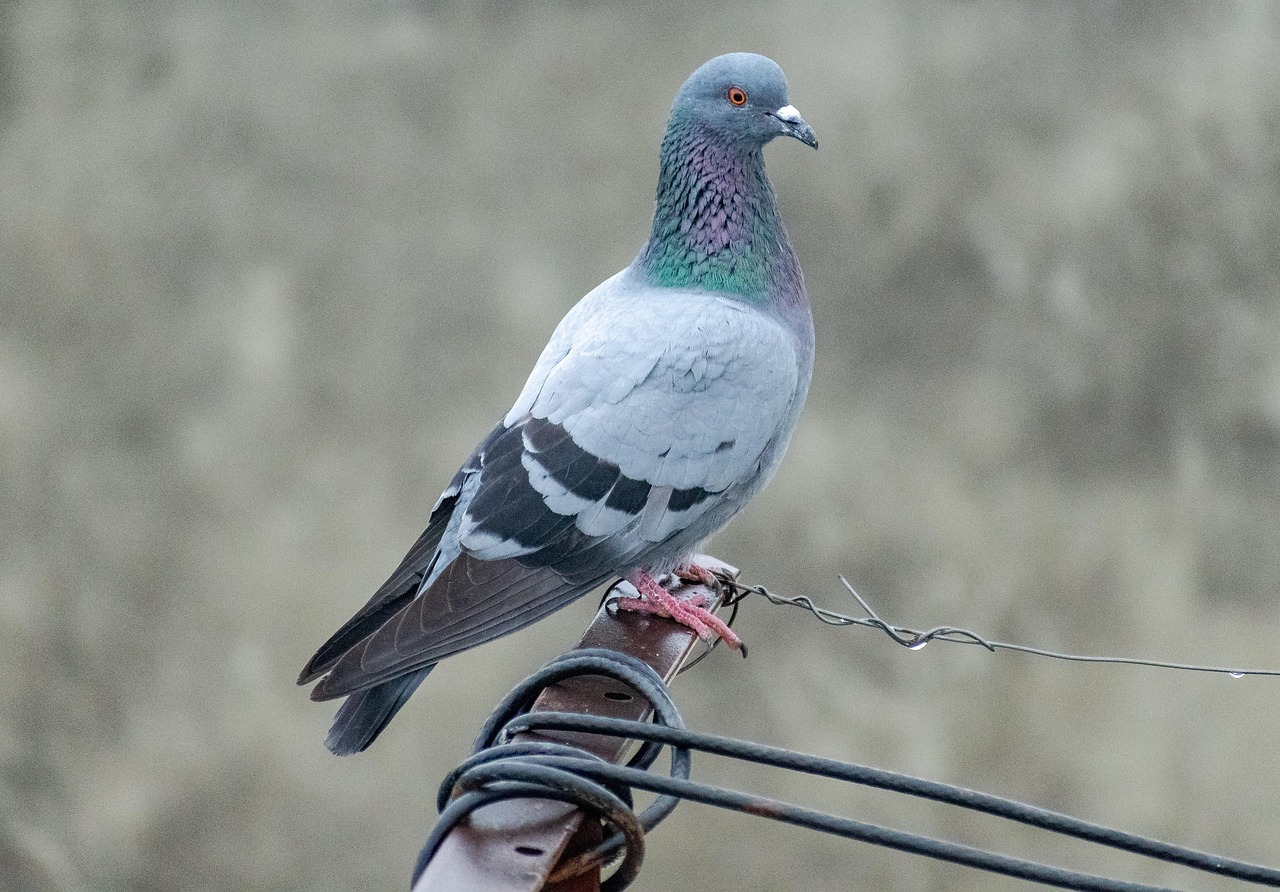
When evaluating shoulder genetics pigeons, look for specific indicators that signal quality. A pigeon with strong shoulders will typically have a broad, muscular appearance that blends smoothly into the body, without any signs of weakness or asymmetry. The angle of the shoulder should allow for a natural, upright posture, and the wings should rest comfortably against the body when folded. Observing these traits in live birds and through pedigree records can help you make informed decisions, ensuring that your selections contribute to long-term improvement.
In practice, assessing these indicators requires hands-on experience and attention to detail. Handle your pigeons regularly to feel for muscle tone and bone structure, and compare them against breed standards or successful examples. Over time, you'll develop an eye for the subtle nuances that define superior shoulder genetics. This proactive approach not only boosts individual bird value but also strengthens your reputation as a breeder focused on quality and innovation in pigeon morphology improvement.
Breeding Strategies for Shoulder Enhancement
Effective breeding strategies are essential for enhancing shoulder traits across generations. Start by pairing birds with complementary shoulder characteristics—for example, a pigeon with excellent width but average angle might be bred with one that has a superior angle but less width. This can produce offspring that inherit the best of both traits, leading to gradual improvements. Documenting each breeding pair's outcomes and adjusting your strategy based on results will help refine your approach over time.
To maximize success, incorporate genetic diversity while maintaining focus on shoulder genetics. Avoid inbreeding that might weaken traits, and consider outcrossing with unrelated lines that exhibit strong shoulders. This balanced strategy supports pigeon morphology improvement by introducing new genetic material without diluting desired characteristics. By consistently applying these methods, you can build a flock where shoulder excellence becomes a hallmark, significantly increasing the value of your pigeons in competitive markets.
Enhancing Frontal Characteristics for Added Value
Frontal characteristics, including the head, beak, and eyes, are equally important in determining a pigeon's value and appeal. These features contribute to the bird's overall expression and balance, complementing strong shoulders to create a visually striking specimen. By focusing on frontal enhancements, you can add another dimension to your pigeon's worth, making them more desirable to collectors and judges alike.
Assessing and Improving Frontal Structure
To assess frontal structure, examine the pigeon's head for symmetry, beak shape, and eye placement. A well-proportioned head with a straight beak and bright, alert eyes indicates good health and genetic quality. Improvements can be made through selective breeding, targeting birds with these traits and avoiding those with flaws like crooked beaks or dull eyes. Regular grooming and health maintenance also play a role, as a clean, vibrant appearance enhances frontal appeal.
When working on pigeon morphology improvement, integrate frontal assessments into your routine evaluations. Use checklists to track progress and identify areas for enhancement, such as refining beak curvature or enhancing eye color. By combining this with shoulder genetics focus, you create a comprehensive approach that elevates overall value. Remember, small improvements in frontal characteristics can make a big difference in show results and sales, so prioritize consistency and detail in your efforts.
The Synergy Between Shoulders and Frontal Features
The synergy between shoulders and frontal features is what truly sets high-value pigeons apart. A bird with strong shoulders and a well-defined frontal structure presents a balanced, athletic appearance that appeals to enthusiasts and judges. This harmony is not accidental—it results from deliberate breeding and care practices that consider the whole bird. By fostering this synergy, you can produce pigeons that excel in multiple aspects, from posture to expression.
To achieve this, focus on breeding pairs that exhibit complementary traits in both areas. For example, a pigeon with excellent shoulder genetics might be paired with one known for its frontal beauty, aiming for offspring that inherit both strengths. This holistic approach to pigeon morphology improvement ensures that your birds are not only genetically sound but also aesthetically pleasing. Over time, this can lead to a reputation for producing top-tier pigeons, further increasing their market value and demand.
Practical Steps for Breeders to Double Value
Doubling your fancy pigeon's value requires a combination of knowledge, strategy, and consistent action. As a breeder, implementing practical steps can streamline your efforts and yield measurable results. From daily care to long-term planning, every aspect of your approach should align with the goal of enhancing shoulder genetics and pigeon morphology improvement.
Daily Care and Management for Optimal Development
Daily care is the foundation of any successful pigeon breeding program. Provide a clean, spacious environment with proper ventilation to support health and growth. Nutrition is critical—offer a balanced diet rich in proteins, vitamins, and minerals to fuel muscle development and overall vitality. Regular exercise, such as free flight in a safe area, can strengthen shoulders and improve posture, contributing to better morphology.
- Monitor health through routine check-ups and vaccinations.
- Maintain detailed records of each bird's diet, exercise, and health issues.
- Use supplements as needed to address specific deficiencies or support growth phases.
By prioritizing daily care, you create a strong base for genetic improvements to shine. Healthy, well-cared-for pigeons are more likely to exhibit the desirable traits you're breeding for, making them more valuable in the long run. This proactive management supports your goals in shoulder genetics pigeons and overall pigeon morphology improvement.
Long-Term Breeding Plans and Record-Keeping
Long-term success in pigeon breeding hinges on careful planning and meticulous record-keeping. Develop a breeding plan that outlines your goals for shoulder and frontal enhancements, including target traits and timelines. Keep detailed records of each bird's lineage, health history, and breeding outcomes, using tools like spreadsheets or specialized software to track progress. This data-driven approach allows you to identify patterns, make informed decisions, and adjust strategies as needed.
Incorporate regular evaluations into your plan, assessing birds at key life stages to monitor development. Share insights with other breeders to gain perspectives and stay updated on best practices. By maintaining a long-term focus, you can steadily improve your flock's genetics and morphology, leading to sustained value increases. This disciplined approach is essential for achieving the goal of doubling your pigeon's worth through targeted enhancements.
Conclusion
In summary, doubling the value of your fancy pigeons through shoulder and frontal selection is a rewarding journey that blends science with art. By focusing on shoulder genetics pigeons and pigeon morphology improvement, you can enhance key traits that drive market appeal and breeding success. Remember, consistency in care, strategic breeding, and attention to detail are your greatest allies. For those looking to streamline their efforts, consider leveraging tools like Ghawy – Pigeon Manager (غاوي – إدارة الحمام) to track progress and optimize your breeding program. Embrace these insights, and watch your pigeons' value soar to new heights.