In the world of fancy pigeons, true value transcends mere aesthetics; it's rooted in the precise science of morphology, particularly the shoulders and frontal structure. This article delves into how strategic breeding focused on shoulder genetics pigeons and pigeon morphology improvement can exponentially increase your birds' worth, transforming hobbyist passion into a profitable pursuit. We'll explore actionable insights that bridge genetic potential with tangible market appeal.
The Foundation of Value: Understanding Pigeon Morphology
Pigeon morphology, the study of form and structure, is the cornerstone of breeding excellence. It's not just about beauty but about functional traits that enhance a pigeon's health, performance, and desirability. By mastering morphology, breeders can make informed decisions that lead to superior offspring, directly impacting market value. This section sets the stage for why morphology matters in the competitive world of fancy pigeons.
Why Shoulder and Frontal Traits Matter
Shoulder and frontal traits are critical because they influence a pigeon's posture, flight capability, and overall balance. Strong shoulders support wing movement, while a well-defined frontal structure contributes to head carriage and alertness. These features are often judged in shows and are highly sought after by collectors. Focusing on these areas through selective breeding can set your pigeons apart, making them more valuable in auctions and sales.
Moreover, these traits are linked to genetic health and vitality. Pigeons with optimal shoulder and frontal morphology tend to have better respiratory systems and endurance, which are essential for breeding success. By prioritizing these aspects, you're not just enhancing appearance but also investing in the long-term robustness of your flock, a key factor in doubling value over generations.
Key Morphological Indicators to Assess
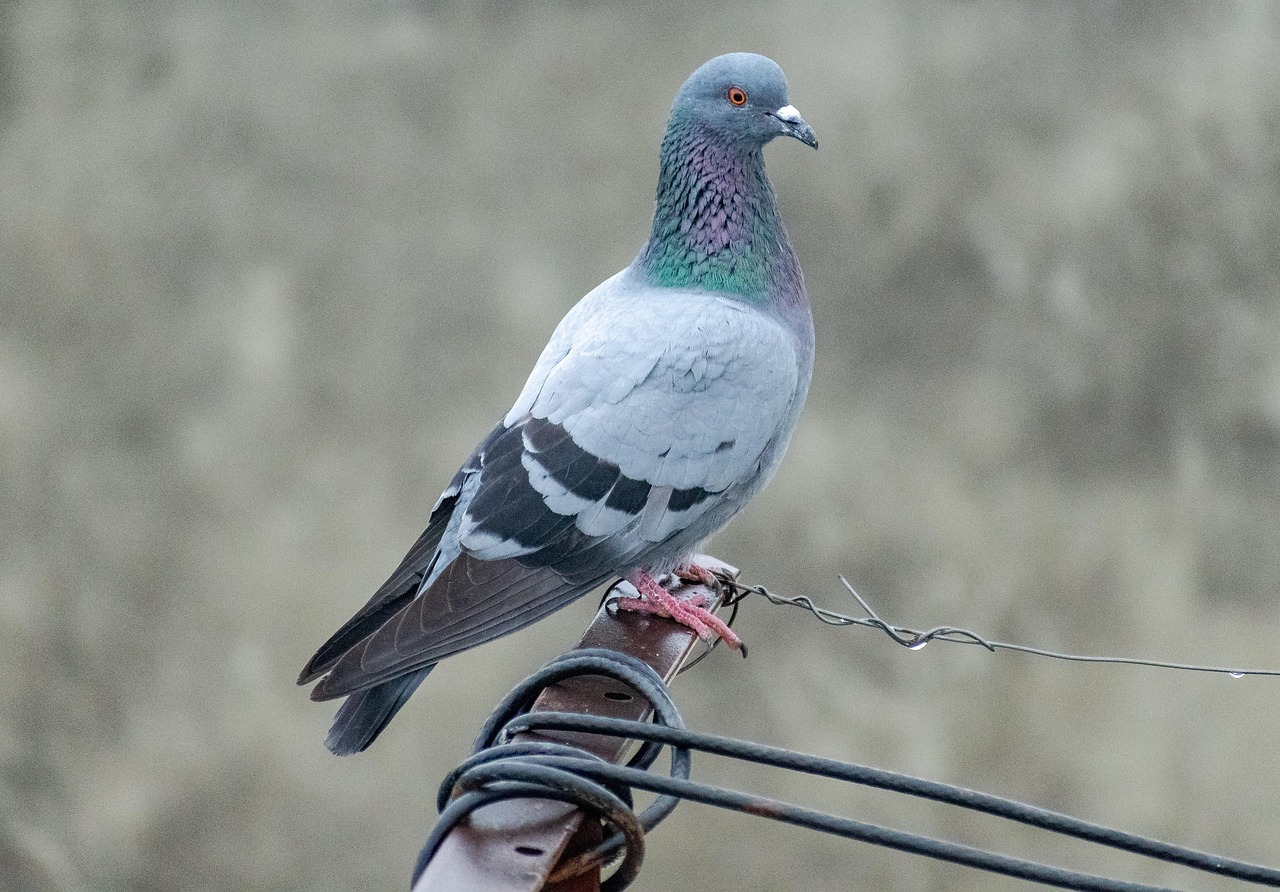
When evaluating shoulder genetics pigeons, look for broad, muscular shoulders that blend smoothly into the body without sharp angles. The frontal area should exhibit a strong, slightly arched structure that supports the head elegantly. Use these indicators during selection: symmetry, proportion to body size, and absence of deformities. Regular assessments help track improvement and guide breeding pairs.
In practice, maintain detailed records of each pigeon's morphological scores. This data-driven approach allows you to identify trends and make evidence-based breeding decisions. Over time, consistent focus on these indicators will lead to a flock with enhanced traits, increasing their appeal to buyers who value precision and quality in fancy pigeons.
Mastering Shoulder Genetics for Enhanced Pigeon Value
Shoulder genetics are a specialized area within pigeon breeding that focuses on inheriting and improving shoulder structure. By understanding genetic principles, breeders can manipulate traits to produce offspring with superior shoulders, directly boosting their market worth. This section explores the genetic tools and techniques essential for success.
Genetic Principles Behind Shoulder Development
Shoulder development in pigeons is influenced by polygenic traits, meaning multiple genes interact to determine structure. Key factors include muscle attachment points, bone density, and ligament strength. Through selective breeding, you can emphasize genes that promote broad, powerful shoulders. Start by analyzing pedigrees to identify lines with strong shoulder genetics pigeons, and use crossbreeding to introduce desirable traits while maintaining genetic diversity.
Additionally, consider environmental factors like nutrition and exercise, which can express genetic potential. A balanced diet rich in protein and minerals supports muscle growth, while controlled flight training enhances shoulder strength. By combining genetic selection with optimal care, you create a holistic approach that maximizes value, ensuring your pigeons not only look impressive but also perform well in competitive settings.
Breeding Strategies for Optimal Shoulders
Effective breeding strategies involve pairing pigeons with complementary shoulder traits to reinforce desired characteristics. For example, mate a bird with excellent width to one with superior muscle definition. Use tools like genetic testing if available to identify carriers of key traits. Over several generations, this focused approach can lead to a consistent improvement in shoulder morphology, making your flock stand out.
- Select breeding pairs based on phenotypic scores and genetic history.
- Introduce outcrossing periodically to avoid inbreeding depression.
- Monitor offspring closely and cull those that don't meet standards to maintain quality.
Remember, patience is crucial; shoulder genetics pigeons require time to stabilize traits. Document each breeding cycle and adjust strategies based on results. This iterative process not only enhances value but also builds a reputation for producing top-tier pigeons, attracting serious buyers and increasing demand for your birds.
Improving Frontal Structure Through Selective Breeding
The frontal structure, encompassing the head and neck area, is vital for a pigeon's elegance and functionality. By targeting this through selective breeding, you can enhance traits like head carriage and alertness, which are highly prized in fancy pigeons. This section provides practical methods for frontal improvement.
Traits That Define Superior Frontal Morphology
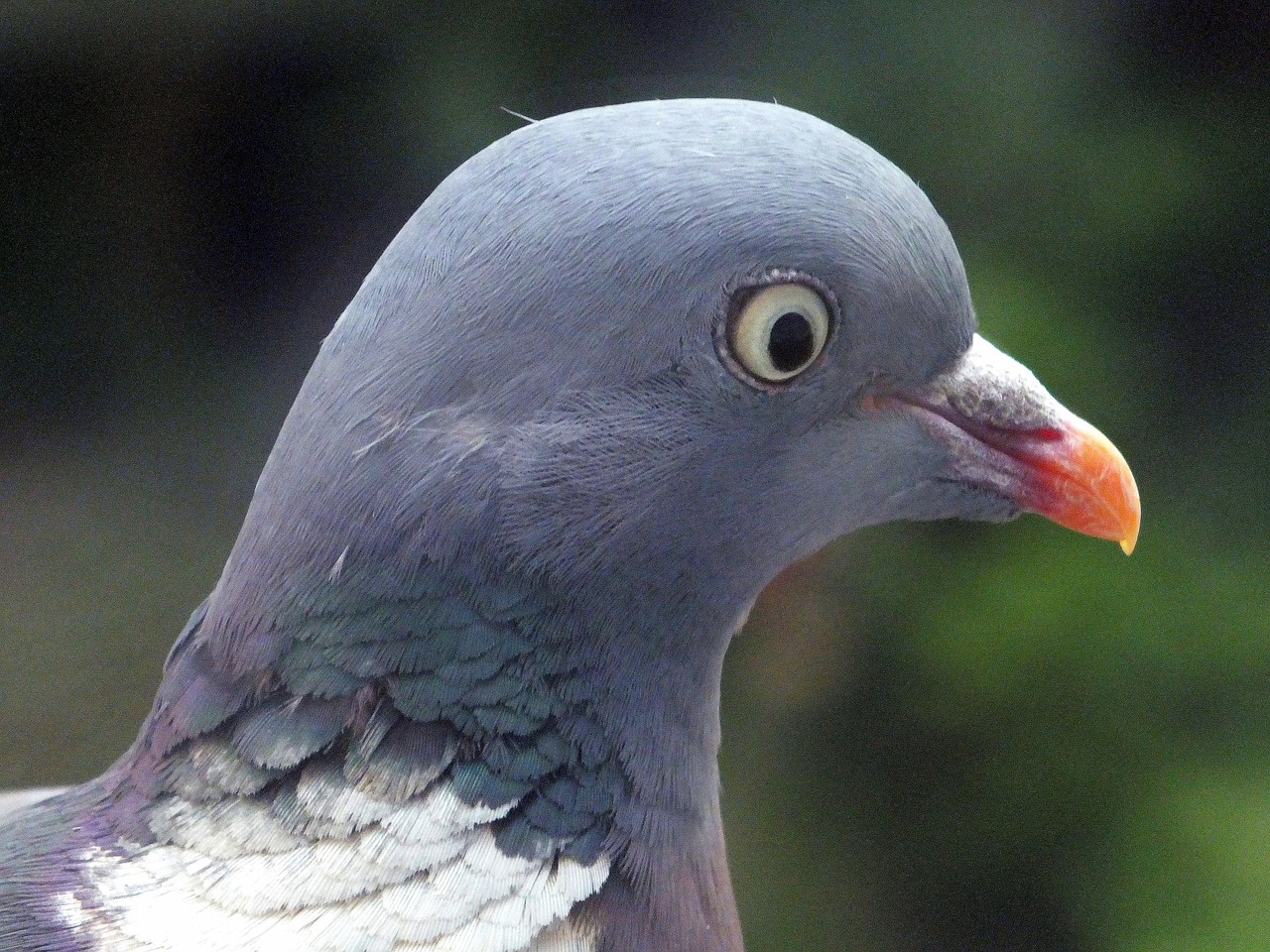
Superior frontal morphology includes a strong, slightly curved frontal bone, well-set eyes, and a balanced beak. These traits contribute to a pigeon's expressive appearance and overall health. In breeding, prioritize birds with these features to pass them on to offspring. Assess frontal structure during juvenile stages to catch potential issues early and guide development through proper nutrition and handling.
Furthermore, frontal traits are often linked to behavioral aspects like confidence and vitality, which can increase a pigeon's appeal in shows. By focusing on pigeon morphology improvement in this area, you create birds that not only look stunning but also exhibit the poise and energy that judges and buyers seek, directly translating to higher valuations in the market.
Techniques for Enhancing Frontal Features
To enhance frontal features, use selective breeding combined with environmental management. Pair pigeons with strong frontal lines to reinforce structure, and avoid breeding birds with weak or asymmetrical traits. Incorporate exercises that promote neck strength, such as controlled perching activities. Regularly evaluate progress through photographs and measurements to track improvements over time.
Additionally, consider the role of diet in supporting frontal development; nutrients like calcium and vitamins are essential for bone health. By integrating these techniques, you ensure a comprehensive approach to pigeon morphology improvement, leading to pigeons with impeccable frontal structures that command premium prices and enhance your breeding program's credibility.
Integrating Shoulder and Frontal Genetics for Maximum Impact
Combining shoulder and frontal genetics creates a synergistic effect that amplifies overall pigeon value. This holistic approach ensures balanced morphology, making pigeons more competitive and desirable. Learn how to integrate these elements seamlessly in your breeding program.
Balancing Traits for Holistic Improvement
Balancing shoulder and frontal traits requires careful planning to avoid overemphasizing one area at the expense of another. Aim for pigeons with proportional shoulders and frontal structures that complement each other. Use breeding records to identify pairs that excel in both areas, and adjust selections based on offspring performance. This balance enhances aesthetic appeal and functional integrity, key factors in doubling value.
Moreover, a holistic approach supports overall health, as well-proportioned pigeons are less prone to injuries and stress. By prioritizing pigeon morphology improvement across multiple traits, you create a flock that excels in shows and breeding, attracting buyers who value comprehensive quality. This strategy not only increases immediate sales but also builds long-term trust and reputation in the fancy pigeon community.
Case Studies: Success Stories in Value Doubling
Real-world examples illustrate how focused breeding on shoulder genetics pigeons and frontal traits can lead to significant value increases. For instance, breeders who documented improvements over five generations reported auction prices doubling due to enhanced morphology. These success stories highlight the importance of consistency and data tracking in achieving results.
- Study pedigrees of champion pigeons to identify common traits.
- Network with experienced breeders to learn best practices.
- Experiment with different breeding combinations to find what works for your flock.
By learning from these cases, you can apply similar principles to your own program. Remember, every breeding decision contributes to cumulative value; with dedication, you can transform ordinary pigeons into high-value assets, leveraging shoulder and frontal genetics to stand out in a crowded market.
Practical Steps for Implementing Genetic Improvements
Turning genetic knowledge into actionable steps is essential for realizing value gains. This section provides a roadmap for implementing shoulder and frontal improvements in your breeding routine, from selection to evaluation.
Setting Up a Breeding Program Focused on Morphology
Start by establishing clear goals for shoulder genetics pigeons and frontal traits. Create a breeding plan that outlines target characteristics, selection criteria, and timeline. Use tools like spreadsheets or software to track pedigrees and morphological scores. Regularly review and adjust the plan based on outcomes to ensure continuous pigeon morphology improvement.
Involve your entire team in the process, ensuring everyone understands the importance of morphology. Provide training on assessment techniques and encourage collaboration. By building a structured program, you create a foundation for sustained success, making it easier to double value through systematic genetic enhancements.
Monitoring Progress and Adjusting Strategies
Monitor progress through regular evaluations of offspring, comparing them to breeding goals. Use metrics like shoulder width and frontal angle measurements to quantify improvements. If results lag, consider adjusting breeding pairs or introducing new genetic lines. Stay flexible and open to innovation, as pigeon breeding is an evolving science.
Additionally, seek feedback from peers and judges to gain external perspectives. This iterative monitoring ensures your strategies remain effective, leading to consistent value growth. Over time, this proactive approach will yield pigeons with exceptional morphology, solidifying your position as a leader in the fancy pigeon industry.
Conclusion
Doubling the value of your fancy pigeons through shoulder and frontal genetics is a rewarding journey that combines science, art, and dedication. By focusing on shoulder genetics pigeons and pigeon morphology improvement, you can enhance both aesthetic and functional traits, leading to higher market demand and prices. Remember, success lies in consistent breeding, careful monitoring, and a holistic approach. For expert guidance in managing your breeding program, consider using Ghawy – Pigeon Manager (غاوي – إدارة الحمام) to streamline your efforts and achieve even greater results.