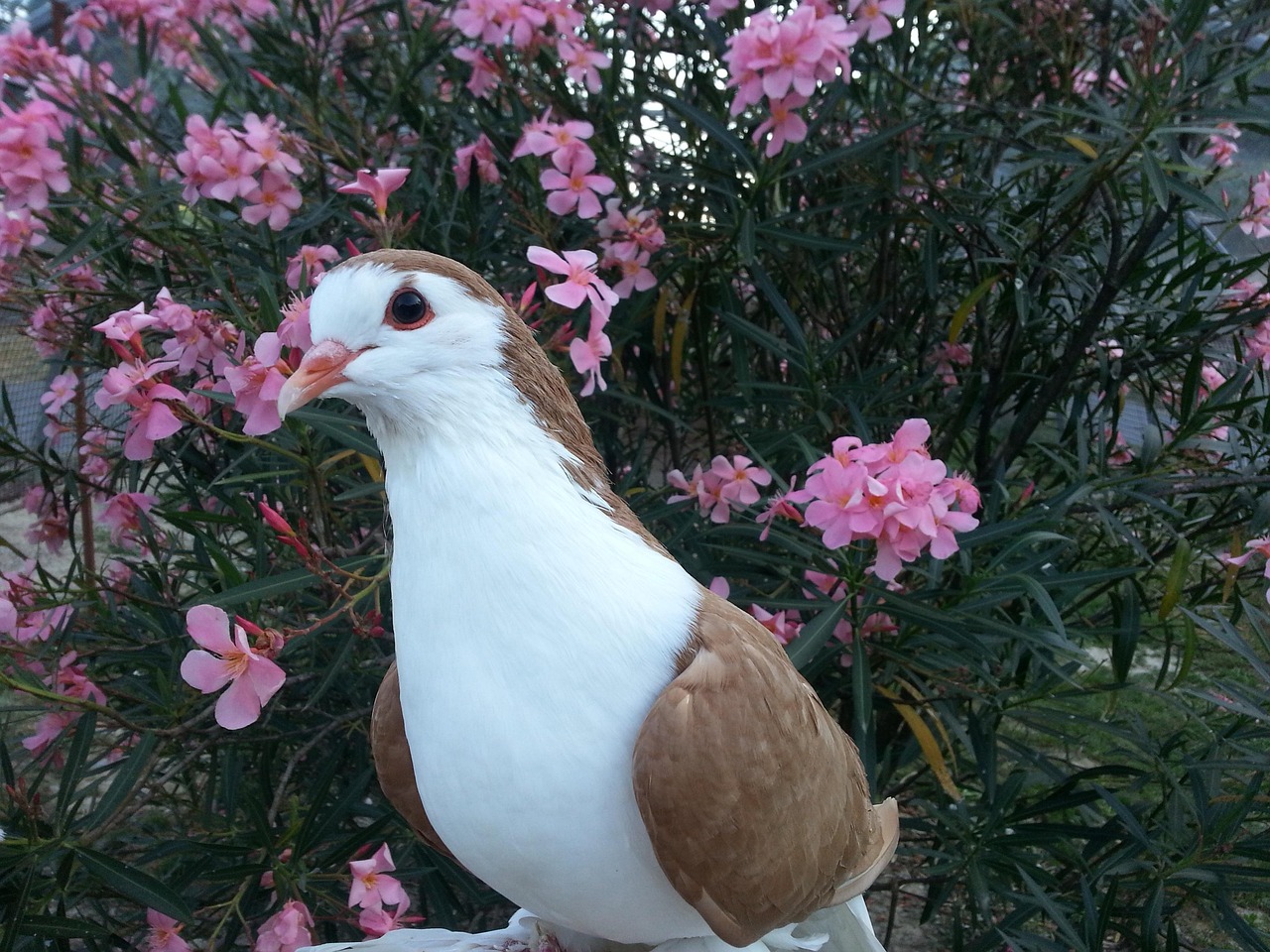
In the world of pigeon racing and breeding, achieving peak endurance is a constant pursuit for enthusiasts. This article delves into the science behind L-carnitine, a powerful nutrient that can significantly enhance a pigeon's stamina by optimizing fat metabolism. We'll explore how this compound works at a cellular level to boost energy efficiency and performance.
The Role of L-Carnitine in Avian Physiology
L-carnitine is a naturally occurring amino acid derivative that plays a crucial role in energy production within cells. In pigeons, it acts as a shuttle, transporting long-chain fatty acids into the mitochondria, the powerhouses of the cell, where they are burned for fuel. This process is essential for sustained flight, as it allows birds to tap into their fat reserves efficiently, reducing reliance on limited glycogen stores. Understanding this mechanism is key to appreciating how L-carnitine pigeons can outperform their counterparts in endurance events.
How L-Carnitine Facilitates Fat Metabolism
Fat metabolism in pigeons involves breaking down stored fats into fatty acids, which must be transported into mitochondria for oxidation. L-carnitine binds to these fatty acids, forming acylcarnitine esters that can cross the mitochondrial membrane. Once inside, the fatty acids are released and undergo beta-oxidation, producing ATP, the energy currency of the cell. This process is vital for long-distance flights, as fat provides a dense energy source. Without adequate L-carnitine, fat metabolism pigeons may struggle to utilize their fat stores effectively, leading to premature fatigue and reduced performance.
Natural Sources and Synthesis in Pigeons
Pigeons can synthesize L-carnitine endogenously from the amino acids lysine and methionine, but this production may be insufficient during high-stress periods like racing or breeding. Dietary sources include animal-based proteins, such as insects and seeds rich in these precursor amino acids. However, modern pigeon diets often lack optimal levels, making supplementation beneficial. By ensuring adequate intake, pigeon keepers can support natural fat metabolism processes, enhancing endurance without over-reliance on synthetic additives. This highlights the importance of a balanced diet in maximizing L-carnitine's effects.
Scientific Evidence: L-Carnitine and Endurance Enhancement
Research on L-carnitine in avian species, including pigeons, demonstrates its potential to improve endurance by enhancing fat utilization. Studies have shown that supplemented pigeons exhibit increased fatty acid oxidation rates, leading to better energy efficiency during prolonged activity. This scientific backing provides a solid foundation for its use in pigeon nutrition, moving beyond anecdotal claims to evidence-based practices. By integrating these findings, enthusiasts can make informed decisions to boost their birds' performance.
Key Studies on Fat Metabolism in Pigeons
Several studies have investigated the impact of L-carnitine on fat metabolism pigeons, revealing significant benefits. For instance, trials involving racing pigeons showed that those receiving L-carnitine supplements had higher plasma carnitine levels and improved flight times over long distances. These birds utilized fat stores more effectively, delaying glycogen depletion and reducing lactic acid buildup. Such findings underscore the compound's role in optimizing energy pathways, making it a valuable tool for enhancing endurance in competitive settings.
Mechanisms Behind Improved Stamina
The stamina boost from L-carnitine stems from multiple mechanisms. First, by facilitating fat metabolism, it spares muscle glycogen, allowing pigeons to maintain intensity for longer periods. Second, it reduces oxidative stress by enhancing mitochondrial function, which can decrease muscle damage during strenuous flights. Third, L-carnitine may improve cardiovascular efficiency by supporting heart muscle energy production. Together, these effects contribute to a noticeable increase in endurance, helping pigeons achieve their full potential in races and training.
Practical Application: Supplementing L-Carnitine for Pigeons
Implementing L-carnitine supplementation requires careful consideration of dosage, timing, and form to maximize benefits. For pigeon enthusiasts, this involves selecting high-quality supplements and integrating them into a holistic care routine. Practical tips can help ensure safe and effective use, avoiding common pitfalls that might undermine performance gains. By following best practices, keepers can harness the power of L-carnitine to support their birds' health and endurance.
Optimal Dosage and Administration Methods
Determining the right dosage of L-carnitine for pigeons depends on factors like body weight, activity level, and diet. Generally, recommendations range from 50 to 100 mg per kilogram of body weight daily, administered through water or feed. It's best to start with lower doses and monitor for effects, adjusting as needed. Consistency is key, with supplementation ideally beginning several weeks before major events to allow for metabolic adaptation. This approach ensures that L-carnitine pigeons receive the support they need without risk of over-supplementation.
Integrating with Overall Nutrition and Training
L-carnitine should complement a balanced diet rich in proteins, vitamins, and minerals to support overall pigeon health. Pair it with regular training regimens that build cardiovascular fitness and muscle strength. Consider these integration strategies:
- Combine L-carnitine supplements with high-quality grains and legumes to enhance nutrient absorption.
- Schedule supplementation around training sessions to optimize fat metabolism during exercise.
- Monitor pigeon behavior and performance metrics to tailor the approach for individual needs.
Benefits Beyond Endurance: Health and Recovery
While L-carnitine is renowned for boosting endurance, its benefits extend to overall health and recovery in pigeons. By supporting metabolic processes, it can enhance immune function, reduce inflammation, and accelerate post-exercise recovery. These additional advantages make it a valuable component of comprehensive pigeon care, contributing to longevity and well-being beyond competitive performance. Exploring these aspects provides a fuller picture of why L-carnitine is a game-changer in avian nutrition.
Enhanced Immune Function and Disease Resistance
L-carnitine plays a role in modulating immune responses by supporting energy production in immune cells. This can help pigeons resist infections and recover more quickly from illnesses. Studies suggest that adequate L-carnitine levels are associated with reduced oxidative stress, which is linked to better immune health. For pigeon keepers, this means that supplementing with L-carnitine not only boosts endurance but also fortifies birds against common ailments, ensuring a healthier flock overall.
Faster Recovery and Reduced Muscle Fatigue
Post-flight recovery is critical for maintaining pigeon performance over time. L-carnitine aids in this process by promoting the removal of metabolic waste products, such as lactic acid, from muscles. This reduces soreness and fatigue, allowing pigeons to train more consistently and effectively. Additionally, by enhancing mitochondrial efficiency, it supports tissue repair and regeneration. Incorporating L-carnitine into recovery protocols can lead to quicker turnaround times between events, giving competitive pigeons an edge.
Common Myths and Misconceptions About L-Carnitine
Despite its proven benefits, L-carnitine is sometimes surrounded by myths that can deter pigeon enthusiasts from using it effectively. Addressing these misconceptions is essential for informed decision-making. By debunking false claims, we can highlight the science-backed advantages of L-carnitine and encourage its responsible use in pigeon care. This section clarifies key points to help keepers separate fact from fiction.
Myth: L-Carnitine Is a Steroid or Performance-Enhancing Drug
One common misconception is that L-carnitine is a synthetic steroid or banned substance. In reality, it is a natural compound found in the body and food sources, classified as a nutrient rather than a drug. Its role in fat metabolism is physiological, not pharmacological, making it a safe and legal supplement for pigeons. Understanding this distinction helps pigeon keepers feel confident in using L-carnitine to support natural endurance processes without ethical concerns.
Myth: More L-Carnitine Always Means Better Results
Another myth is that increasing L-carnitine dosage indefinitely will lead to greater endurance gains. However, excess supplementation can be wasteful and potentially cause imbalances in other metabolic pathways. The key is to provide optimal levels based on individual needs, as outlined in practical guidelines. Over-reliance on high doses without proper diet and training may not yield additional benefits and could detract from overall health. Moderation and balance are crucial for maximizing the effects of L-carnitine pigeons.
Conclusion
In summary, L-carnitine is a powerful tool for enhancing pigeon endurance by optimizing fat metabolism, as supported by scientific evidence. Its benefits extend to health, recovery, and immune function, making it a valuable addition to pigeon care routines. By applying practical supplementation strategies and debunking myths, enthusiasts can help their birds achieve peak performance. For those looking to streamline their management, consider using Ghawy – Pigeon Manager (غاوي – إدارة الحمام) to track nutrition and training progress effectively.