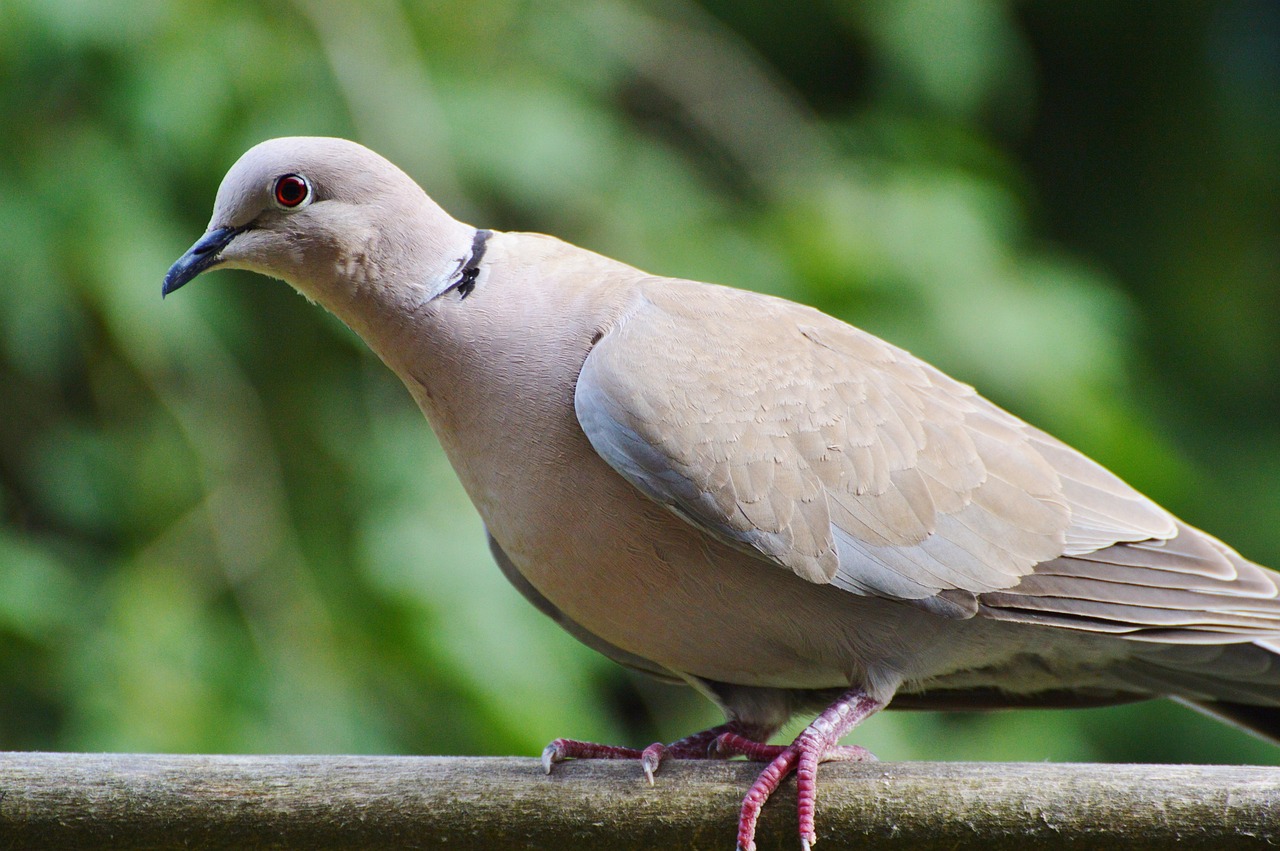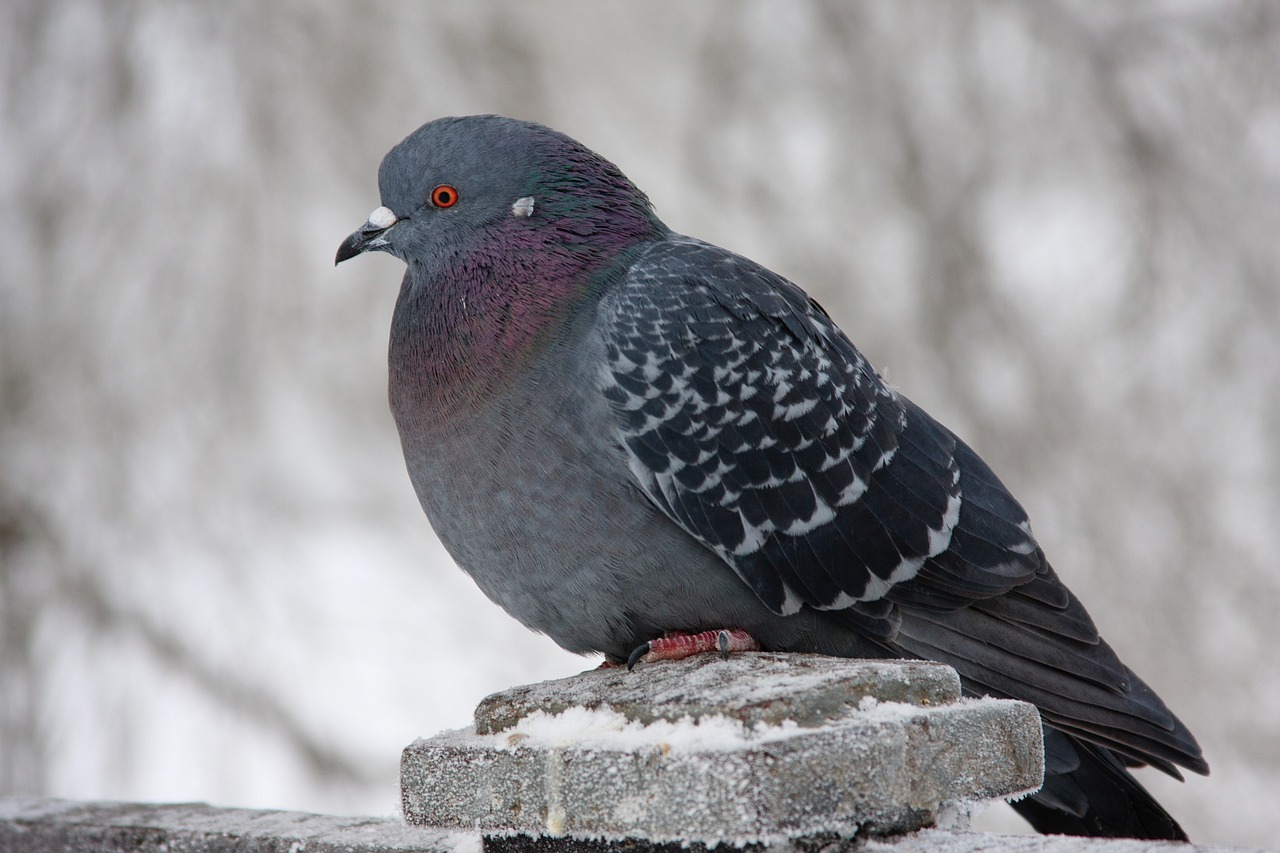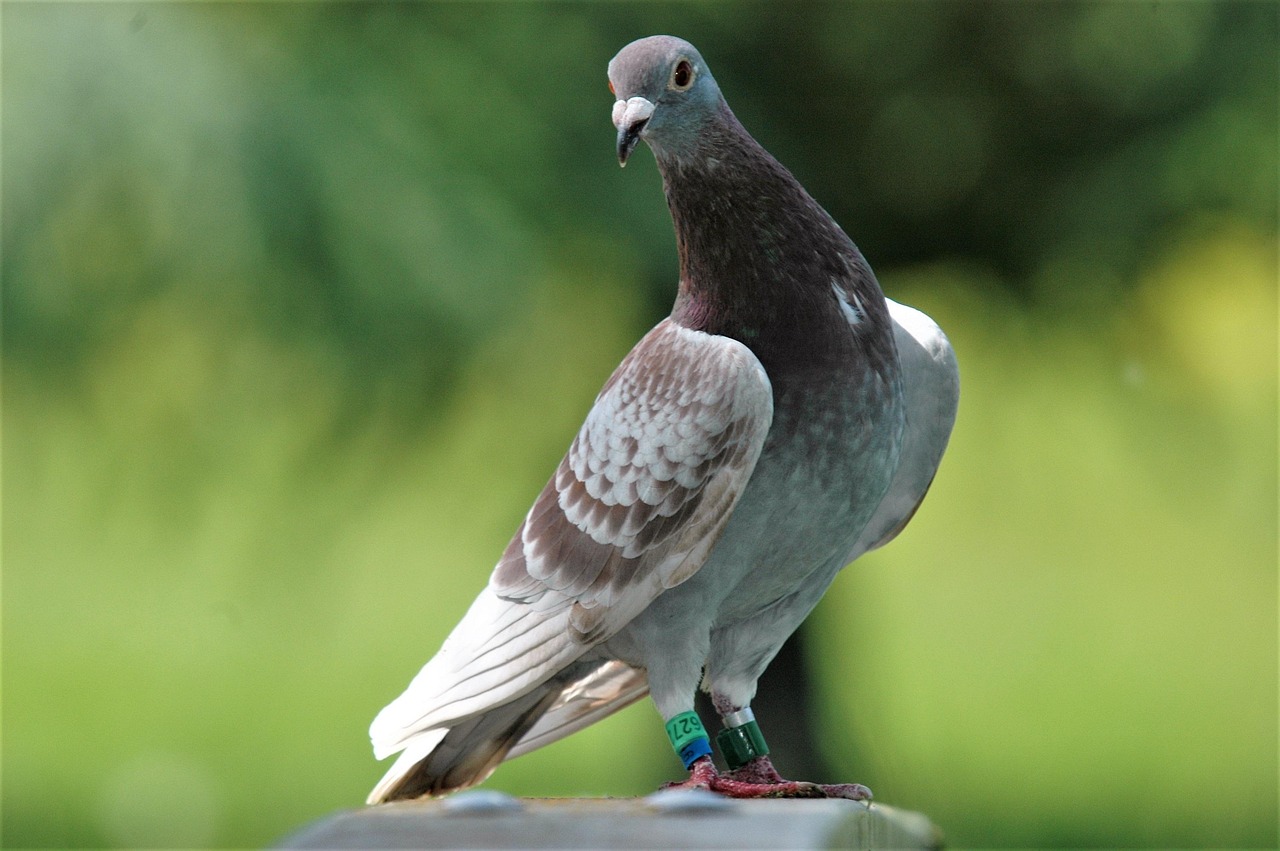
The Kashki pigeon, a distinguished member of the Arabian pigeon breeds, captivates enthusiasts with its unique blend of beauty and heritage. This article delves into the aesthetic allure and practical considerations of the حمام كشكي, offering insights into its عيوب ومميزات to guide your journey in pigeon keeping. Whether you're a seasoned breeder or a curious newcomer, understanding these aspects is key to appreciating and selecting these remarkable birds.
The Enchanting World of Kashki Pigeons
Kashki pigeons, originating from the Arabian Peninsula, are celebrated for their striking appearance and cultural significance. They embody a rich history intertwined with traditional pigeon fancying, where their aesthetic qualities have been refined over generations. This section explores their origins and the visual traits that make them a standout among Arabian breeds, setting the stage for a deeper analysis.
Historical Roots and Cultural Importance
The Kashki pigeon's lineage traces back to ancient Arabian societies, where pigeon keeping was not just a hobby but a symbol of status and artistry. These birds were often bred for their ornamental value, with selective breeding emphasizing traits like color patterns and posture. In regions like Saudi Arabia and the UAE, they remain a cherished part of heritage, featured in local competitions and exhibitions. Their name, "Kashki," reflects a connection to specific geographic areas known for producing high-quality pigeons, adding to their mystique and appeal among collectors.
Understanding this cultural backdrop enhances appreciation for the حمام كشكي, as it's more than just a bird—it's a living artifact of Arabian tradition. Breeders often share stories of how these pigeons were once used in ceremonial events or as gifts among nobility, highlighting their role in social bonds. Today, this history influences modern breeding practices, with enthusiasts striving to preserve authentic traits while adapting to contemporary standards. By recognizing this legacy, you can better value the craftsmanship involved in maintaining the breed's purity and elegance.
Visual Characteristics and Aesthetic Appeal
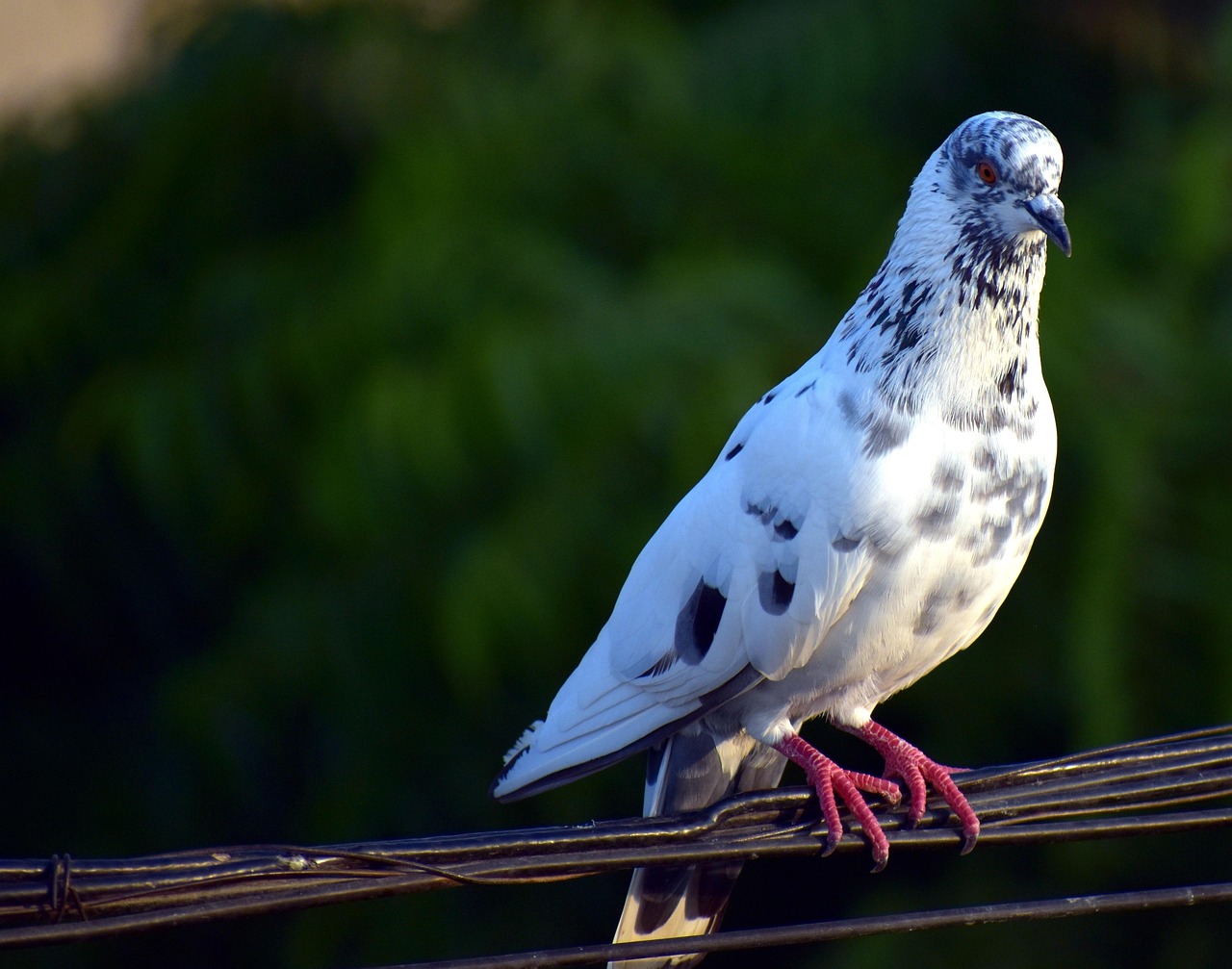
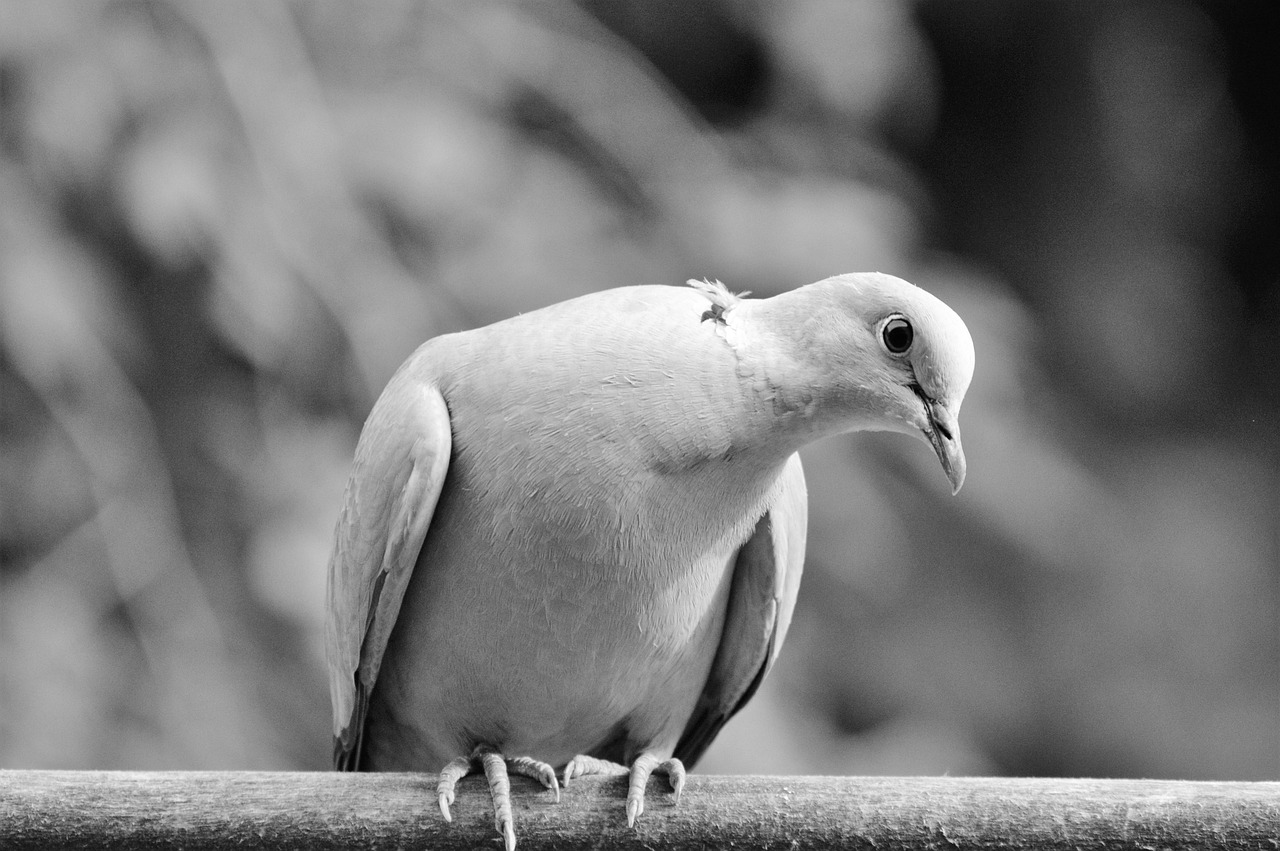
At first glance, Kashki pigeons impress with their balanced proportions and vibrant plumage. Common features include a sleek body, long neck, and expressive eyes that convey alertness and grace. Their feathers often display intricate patterns, such as mottled or pied designs, in colors ranging from pure white to deep browns and blacks. The beak is typically slender and well-formed, complementing the overall harmonious silhouette that breeders prize for show purposes.
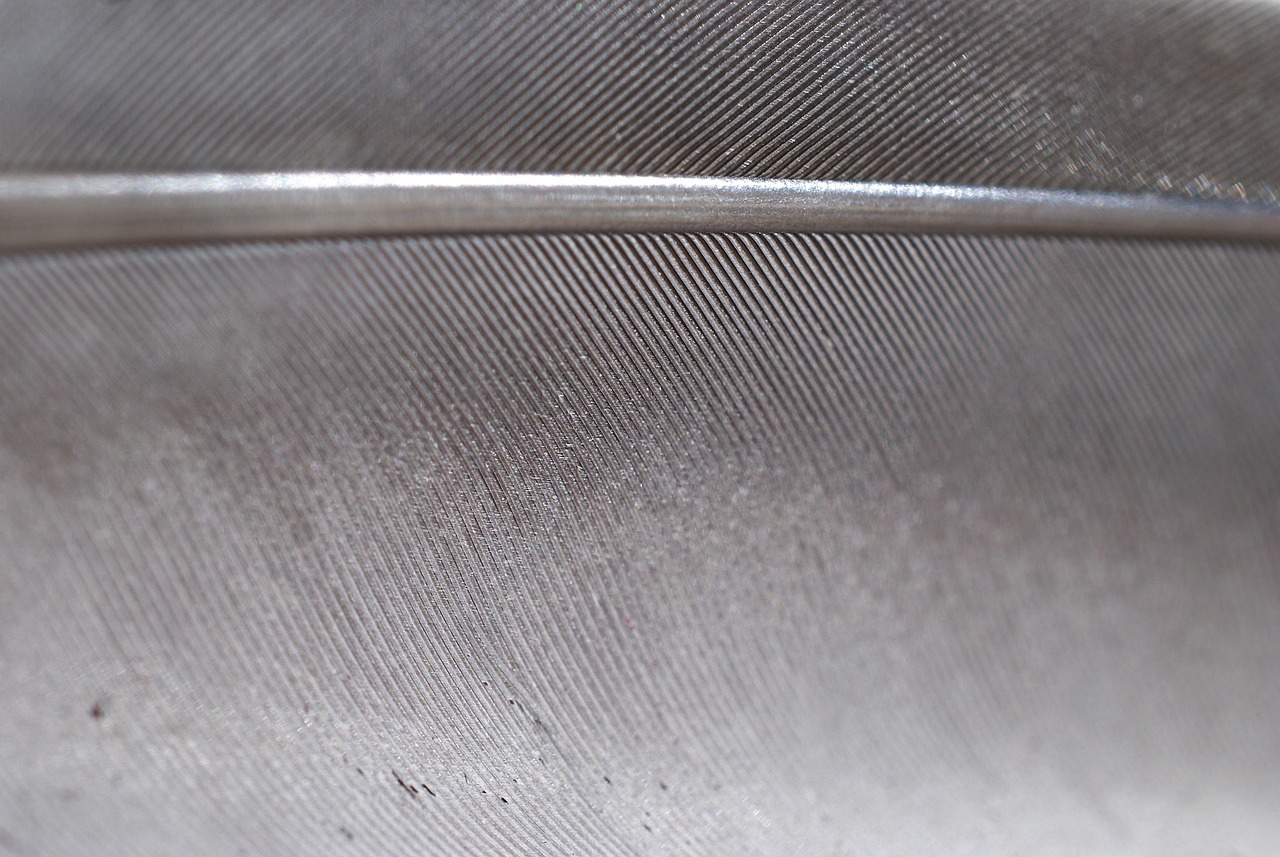
Beyond basic traits, the aesthetic appeal of the حمام كشكي lies in subtle details like feather texture and sheen, which can indicate health and breeding quality. Enthusiasts often discuss the "sparkle" in their eyes or the smoothness of their flight feathers as markers of excellence. These visual elements are not just for show; they reflect the bird's vitality and genetic strength, making them crucial for selection. By observing these characteristics closely, you can develop an eye for quality, turning pigeon keeping into an art form that celebrates natural beauty.
Advantages and Disadvantages of Kashki Pigeons
Every breed comes with its own set of strengths and challenges, and the Kashki pigeon is no exception. Evaluating the عيوب ومميزات helps potential owners make informed decisions, balancing the joys of ownership with practical realities. This section breaks down the key benefits and drawbacks, providing a realistic perspective for those considering adding these birds to their aviaries.
Key Advantages: Why Choose Kashki Pigeons
Kashki pigeons offer numerous advantages that make them a rewarding choice for enthusiasts. Their hardy nature allows them to adapt well to various climates, from the arid deserts of Arabia to more temperate regions, reducing the need for specialized care. They are known for their strong flying abilities and endurance, making them excellent for racing or free-flight activities, which can be a thrilling aspect of pigeon keeping. Additionally, their gentle temperament makes them suitable for families or beginners, as they tend to be less aggressive and easier to handle compared to some other breeds.
From a breeding perspective, the حمام كشكي often exhibits good fertility rates and strong maternal instincts, leading to healthy offspring with consistent traits. This reliability is a major plus for those looking to establish a stable flock. Their aesthetic value also translates into higher market demand in shows and sales, potentially offering financial returns for dedicated breeders. By leveraging these advantages, owners can enjoy a fulfilling hobby that combines beauty, performance, and community engagement within the pigeon fancying world.
Common Disadvantages and How to Mitigate Them
Despite their many benefits, Kashki pigeons have certain drawbacks that require attention. One notable issue is their susceptibility to specific health problems, such as respiratory infections or feather mites, which can arise in crowded or unsanitary conditions. Regular veterinary check-ups and clean living environments are essential to prevent these issues. Another challenge is their relatively high maintenance needs; they require a balanced diet rich in grains and proteins, along with ample space for exercise, which might be demanding for casual keepers with limited time or resources.
In terms of behavior, some Kashki pigeons can be prone to skittishness or noise-making, especially during breeding seasons, which might be disruptive in residential areas. Proper training and socialization from a young age can help mitigate this. Additionally, their popularity means that acquiring purebred specimens can be costly, with prices varying based on lineage and quality. To address these عيوب, it's crucial to research thoroughly and plan ahead, ensuring you have the commitment and resources to provide optimal care. By being proactive, you can minimize risks and maximize the enjoyment of keeping these elegant birds.
Selecting the Right Kashki Pigeon: A Step-by-Step Guide
Choosing a Kashki pigeon involves more than just picking a pretty bird; it requires a methodical approach to ensure health, temperament, and conformity to breed standards. This guide walks you through the essential criteria, from physical inspections to sourcing tips, empowering you to make confident decisions that align with your goals as a pigeon enthusiast.
Physical Health and Conformation Standards
When selecting a حمام كشكي, start by assessing its physical health through a thorough examination. Look for clear, bright eyes free of discharge, which indicate good vision and overall wellness. The nostrils should be clean and dry, without any signs of breathing difficulties, and the beak must be intact and properly aligned for feeding. Check the feathers for uniformity and shine; dull or ruffled plumage might suggest malnutrition or parasites. The body should feel firm but not overly thin, with a well-developed chest and strong legs that allow for steady perching and movement.
Conformation to breed standards is equally important for show or breeding purposes. Refer to established guidelines for Kashki pigeons, which typically emphasize traits like a streamlined body shape, specific color patterns, and proportional wing length. Observe the bird's posture and gait; it should stand tall and move gracefully, reflecting the elegance prized in this breed. If possible, consult with experienced breeders or attend pigeon shows to see top-quality examples firsthand. By prioritizing health and standards, you increase the likelihood of acquiring a pigeon that thrives and excels in your care.
Behavioral Traits and Temperament Assessment
Beyond physical attributes, evaluating a Kashki pigeon's behavior is key to ensuring a good fit for your environment. Spend time observing the bird in its current setting to gauge its temperament; ideal candidates are calm, curious, and responsive to human presence without excessive fear or aggression. Test its reaction to gentle handling; a well-socialized pigeon will tolerate touch and may even show signs of bonding, such as cooing or preening. Avoid birds that exhibit signs of stress, like constant flapping or hiding, as these might indicate underlying issues or poor upbringing.
Consider the bird's history and background, especially if sourcing from a breeder. Ask about its upbringing, including diet, socialization, and any training it has received. Pigeons raised in enriched environments with regular human interaction tend to adapt better to new homes. For those interested in racing or breeding, assess energy levels and compatibility with other pigeons; a balanced temperament fosters harmony in flocks. By focusing on behavioral traits, you can select a حمام كشكي that not only looks good but also integrates smoothly into your lifestyle, enhancing your overall experience as a keeper.
Care and Maintenance for Optimal Kashki Pigeon Health
Providing proper care is essential for the well-being and longevity of Kashki pigeons. This section covers practical aspects of housing, nutrition, and health management, offering actionable tips to create a thriving environment. Whether you're a novice or expert, these guidelines help you address the unique needs of this breed, ensuring your birds remain healthy and vibrant.
Housing and Environmental Requirements
A suitable living space is foundational for Kashki pigeons, as it impacts their physical and mental health. Design an aviary or loft that offers ample room for flight and exercise, with minimum dimensions of about 2 meters per bird to prevent overcrowding. Ensure the structure is secure from predators and weather elements, using materials like wire mesh and roofing that provide ventilation without drafts. Inside, include perches at varying heights to encourage natural roosting behaviors, and maintain a clean, dry bedding material, such as straw or wood shavings, to reduce disease risk.
Environmental factors like temperature and lighting also play a crucial role. Kashki pigeons thrive in moderate climates, so in extreme heat or cold, consider insulation or shading options to regulate conditions. Provide access to natural light, which supports their circadian rhythms and vitamin D synthesis, but avoid direct sunlight that could cause overheating. Regularly clean the housing area to prevent buildup of droppings and debris, which can harbor pathogens. By optimizing their environment, you create a safe haven that promotes activity and reduces stress, key elements for maintaining the عيوب ومميزات balance in their care.
Nutrition and Dietary Best Practices
Feeding Kashki pigeons a balanced diet is vital for their energy, growth, and overall health. Base their nutrition on high-quality pigeon feed mixes, which typically contain grains like corn, wheat, and peas, providing essential carbohydrates and proteins. Supplement this with fresh greens, such as lettuce or spinach, and occasional treats like seeds or fruits to add variety and nutrients. Ensure constant access to clean, fresh water, as dehydration can quickly lead to health issues, especially in active birds.
Tailor the diet to their life stage and activity level; for example, breeding pairs may require extra protein for egg production, while show pigeons might benefit from supplements for feather quality. Avoid overfeeding, which can lead to obesity and related problems, by monitoring portion sizes and adjusting based on individual needs. Establish a consistent feeding schedule to regulate their metabolism and reduce anxiety. By following these dietary best practices, you support the حمام كشكي's vitality, enhancing their aesthetic appeal and performance, whether in shows or daily life.
Breeding and Genetics of Kashki Pigeons
Breeding Kashki pigeons is an art that combines science and tradition, aiming to preserve and enhance desirable traits. This section explores genetic principles, pairing strategies, and chick rearing, offering insights for breeders looking to contribute to the breed's legacy. Understanding these aspects helps navigate the complexities of reproduction while celebrating the beauty of these birds.
Genetic Traits and Inheritance Patterns
The genetics of Kashki pigeons involve multiple genes that control traits like color, pattern, and size, making breeding a nuanced process. Common inheritance patterns include dominant and recessive genes; for instance, certain color variations may be dominant, appearing in offspring even if only one parent carries the gene, while others are recessive, requiring both parents to contribute. Study pedigree records when possible to track lineage and predict outcomes, as this can help avoid inbreeding and maintain genetic diversity. Tools like Punnett squares can assist in visualizing potential trait combinations, though experience often plays a key role in successful breeding.
Focus on selecting breeding pairs that complement each other's strengths and weaknesses, aiming to produce offspring with improved characteristics. For example, pair a bird with excellent feather quality with one known for strong conformation to balance traits. Keep detailed records of each breeding attempt, noting successes and challenges, to refine your approach over time. By applying genetic knowledge, you can work towards enhancing the عيوب ومميزات of your flock, creating pigeons that not only meet standards but also push the boundaries of beauty and health in the حمام كشكي community.
Chick Rearing and Early Development
Raising Kashki pigeon chicks requires attentive care to ensure they grow into healthy adults. From hatching, provide a warm, safe brooding area with temperatures around 35°C initially, gradually reducing as they feather out. Feed them a specialized starter diet or crop milk from parent pigeons, which is rich in nutrients essential for early growth. Monitor their weight gain and development milestones, such as eye opening and first flights, to catch any issues early. Socialize chicks gently from a young age to foster tameness and reduce future behavioral problems.
As chicks mature, introduce them to the main flock gradually to prevent stress and aggression. Provide training for basic commands or flying exercises if intended for racing or shows. Document their progress and adjust care based on individual needs, such as supplementing with vitamins if growth seems slow. By investing in proper chick rearing, you lay the foundation for a thriving generation of Kashki pigeons, perpetuating their legacy and ensuring the continuation of their admired traits. This hands-on approach deepens your connection to the breed and contributes to the broader pigeon fancying culture.
Conclusion
In summary, Kashki pigeons offer a captivating blend of aesthetic beauty and practical considerations, making them a cherished choice among Arabian breeds. By understanding their عيوب ومميزات, from health advantages to potential challenges, you can make informed decisions in selection and care. Embrace the journey of keeping these elegant birds, and for expert guidance on managing your flock, consider tools like Ghawy – Pigeon Manager (غاوي – إدارة الحمام) to streamline your experience. Whether for show, racing, or companionship, the حمام كشكي enriches the world of pigeon enthusiasts with its timeless appeal.