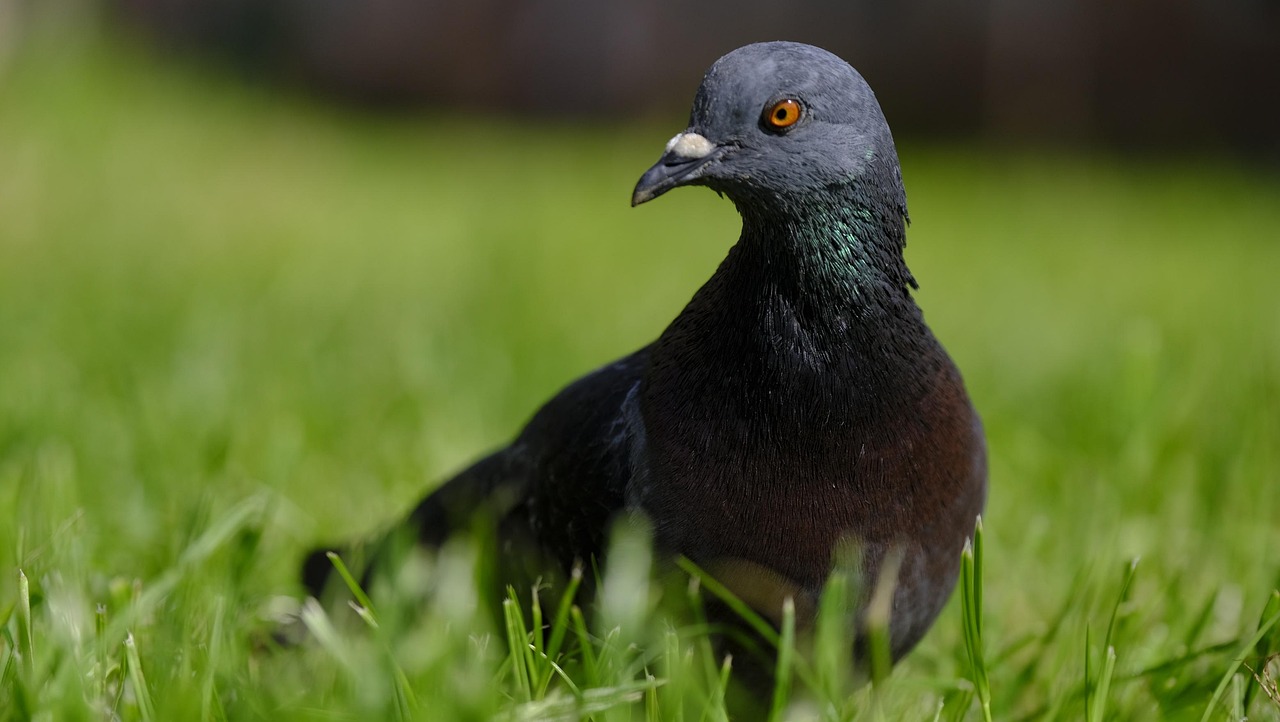
Fancy pigeon breeding is an art form that combines passion with precision, aiming to produce offspring of exceptional purity and beauty. This guide delves into the best pairing methods to achieve high-quality, genetically sound birds, offering actionable insights for enthusiasts at all levels. By focusing on strategic approaches, you can enhance your flock's traits and ensure sustainable success in this rewarding hobby.
Understanding the Foundations of Fancy Pigeon Breeding
Successful fancy pigeon breeding starts with a solid grasp of genetics and breed standards. It's not just about pairing birds randomly; it requires careful planning to maintain or improve desirable characteristics. This section explores the core principles that underpin effective breeding practices, setting the stage for more advanced techniques.
The Role of Genetics in Purity
Genetics play a crucial role in determining the traits of fancy pigeons, from feather patterns to body structure. Understanding basic genetic concepts, such as dominant and recessive genes, helps breeders predict outcomes and avoid undesirable mutations. For instance, breeding two birds with similar genetic backgrounds can reinforce purity, but it also requires vigilance to prevent inbreeding depression. By studying pedigrees and tracking lineage, breeders can make informed decisions that enhance beauty and health over generations.
In fancy pigeon breeding, genetic diversity is equally important to avoid weaknesses. While aiming for purity, introducing controlled outcrossing with compatible breeds can strengthen traits without compromising standards. This balance ensures that birds remain robust and visually stunning, meeting the expectations of shows and competitions. Tools like genetic testing and record-keeping apps can aid in this process, making it easier to manage complex breeding programs.
Selecting Breeding Stock for Optimal Results
Choosing the right breeding stock is a critical step in fancy pigeon breeding. Look for birds that exemplify the breed's standards, with strong conformation, vibrant colors, and good temperament. Health should be a top priority; only select pigeons that are free from diseases and have a history of vitality. Observing birds in their environment can reveal subtle traits that might not be apparent in a quick inspection, such as behavior and adaptability.
When selecting pairs, consider complementary traits to enhance offspring quality. For example, pairing a bird with excellent feather quality with one that has superior body shape can produce balanced progeny. It's also wise to avoid overusing popular sires, as this can limit genetic diversity. Regular culling of underperforming birds ensures that only the best contribute to future generations, maintaining high standards in your loft.
Best Pairing Methods for High-Quality Offspring
Implementing the best pairing methods is key to achieving consistent results in fancy pigeon breeding. This section outlines proven techniques that maximize purity and beauty, from linebreeding to outcrossing. Each method has its advantages and challenges, so understanding when to apply them can make a significant difference in your breeding outcomes.
Linebreeding for Genetic Consistency
Linebreeding involves mating closely related birds, such as cousins or half-siblings, to concentrate desirable genes and maintain purity. This method is highly effective in fancy pigeon breeding for reinforcing specific traits, like unique color patterns or elegant posture. By keeping the gene pool narrow, breeders can produce offspring that closely resemble their ancestors, ensuring consistency across generations. However, it requires meticulous record-keeping to avoid inbreeding issues that could lead to health problems.
To implement linebreeding successfully, start with a foundation pair that exhibits ideal characteristics and breed their descendants selectively. Monitor offspring for any signs of weakness, such as reduced fertility or deformities, and adjust pairings accordingly. This method works best when combined with occasional outcrossing to introduce fresh genes, preventing stagnation. Many top breeders use linebreeding as a core strategy in their programs, resulting in award-winning birds that stand out in competitions.
Outcrossing to Enhance Traits
Outcrossing involves mating birds from unrelated lines to introduce new genetic material and improve overall vigor. In fancy pigeon breeding, this method can enhance traits like size, color intensity, or disease resistance without sacrificing purity. It's particularly useful when a breed shows signs of genetic drift or when breeders aim to innovate within established standards. By carefully selecting outcross partners, you can infuse desirable qualities while maintaining the breed's core identity.
When outcrossing, choose birds from reputable sources that share similar breed standards to ensure compatibility. The first-generation offspring may show variation, but subsequent breeding back to the original line can stabilize traits. This approach requires patience and experimentation, as it may take several generations to achieve the desired results. Outcrossing is a valuable tool in the best pairing methods arsenal, allowing breeders to adapt and thrive in a dynamic hobby.
Advanced Techniques for Maximizing Beauty and Purity
Beyond basic pairing methods, advanced techniques can elevate your fancy pigeon breeding efforts to new heights. This section covers strategies like selective breeding for specific aesthetics and managing breeding cycles for optimal results. By incorporating these approaches, you can produce birds that are not only pure but also exceptionally beautiful, capturing the essence of the breed.
Selective Breeding for Aesthetic Excellence
Selective breeding focuses on enhancing visual appeal, such as feather sheen, eye color, or posture, in fancy pigeons. This involves rigorous evaluation of each bird against breed standards and prioritizing those with standout features. By breeding only the top performers, you can gradually improve the overall beauty of your flock. It's a long-term commitment that requires keen observation and a willingness to make tough decisions, like culling birds that don't meet criteria.
To excel in selective breeding, participate in shows and seek feedback from experienced judges. This exposure helps identify trends and areas for improvement. Additionally, maintain detailed records of aesthetic traits to track progress over time. Combining this with the best pairing methods ensures that beauty is preserved alongside purity, resulting in birds that are both genetically sound and visually stunning. This holistic approach is what sets successful breeders apart in the competitive world of fancy pigeon breeding.
Managing Breeding Cycles for Consistency
Effective management of breeding cycles is crucial for producing high-quality offspring consistently in fancy pigeon breeding. This includes timing pairings to align with optimal seasons, ensuring birds are in peak health, and providing a stress-free environment. By controlling factors like diet, lighting, and nesting conditions, breeders can encourage successful mating and healthy chick development. This proactive approach minimizes setbacks and maximizes the chances of achieving purity and beauty in each generation.
Develop a breeding calendar that accounts for local climate and bird physiology, scheduling pairings during periods of natural fertility. Monitor pairs closely for compatibility and intervene if issues arise, such as aggression or neglect. Using tools like Ghawy – Pigeon Manager (غاوي – إدارة الحمام) can streamline this process, offering features for tracking cycles and managing loft operations efficiently. By integrating these practices, you can maintain a steady flow of quality birds, reinforcing your reputation as a skilled breeder.
Common Challenges and Solutions in Fancy Pigeon Breeding
Even with the best pairing methods, breeders face challenges that can impact purity and beauty. This section addresses common issues like genetic disorders, environmental factors, and market dynamics, providing practical solutions to overcome them. Understanding these hurdles prepares you for a resilient breeding journey, ensuring long-term success in your endeavors.
Addressing Genetic Disorders and Health Issues
Genetic disorders, such as respiratory problems or skeletal deformities, can arise in fancy pigeon breeding, especially with intensive linebreeding. To mitigate this, implement regular health checks and genetic screening when possible. Diversify your breeding stock periodically to reduce the risk of inherited conditions, and avoid pairing birds with known health issues. Early detection and intervention are key to maintaining a healthy, pure flock.
In addition to genetics, environmental factors like poor sanitation or inadequate nutrition can exacerbate health problems. Ensure your loft is clean, well-ventilated, and stocked with high-quality feed. Consult with avian veterinarians for advice on preventive care and treatment options. By prioritizing health alongside beauty, you create a sustainable breeding program that produces robust, attractive birds year after year.
Navigating Market Trends and Breed Standards
Market trends and evolving breed standards can influence fancy pigeon breeding, requiring adaptability from breeders. Stay informed by joining clubs, attending events, and networking with peers to understand what traits are currently valued. While it's important to aim for purity, be open to subtle adjustments that align with modern preferences, such as new color variations or improved temperament. This balance ensures your birds remain relevant and desirable.
To thrive in this dynamic environment, focus on building a diverse portfolio of birds that meet various standards. Use the best pairing methods to experiment with different combinations, keeping records of what works best. Embrace innovation while respecting traditional values, and share your insights with the community to foster growth. By staying engaged and flexible, you can navigate challenges and contribute to the advancement of fancy pigeon breeding as a whole.
Conclusion
Mastering fancy pigeon breeding involves a blend of science, art, and dedication, with the best pairing methods serving as a cornerstone for success. By understanding genetics, selecting quality stock, and applying techniques like linebreeding and outcrossing, you can produce offspring of high purity and beauty. Advanced strategies and proactive management further enhance results, while addressing challenges ensures sustainability. As you refine your skills, consider leveraging tools like Ghawy – Pigeon Manager (غاوي – إدارة الحمام) to streamline your efforts and achieve consistent excellence in this rewarding pursuit.