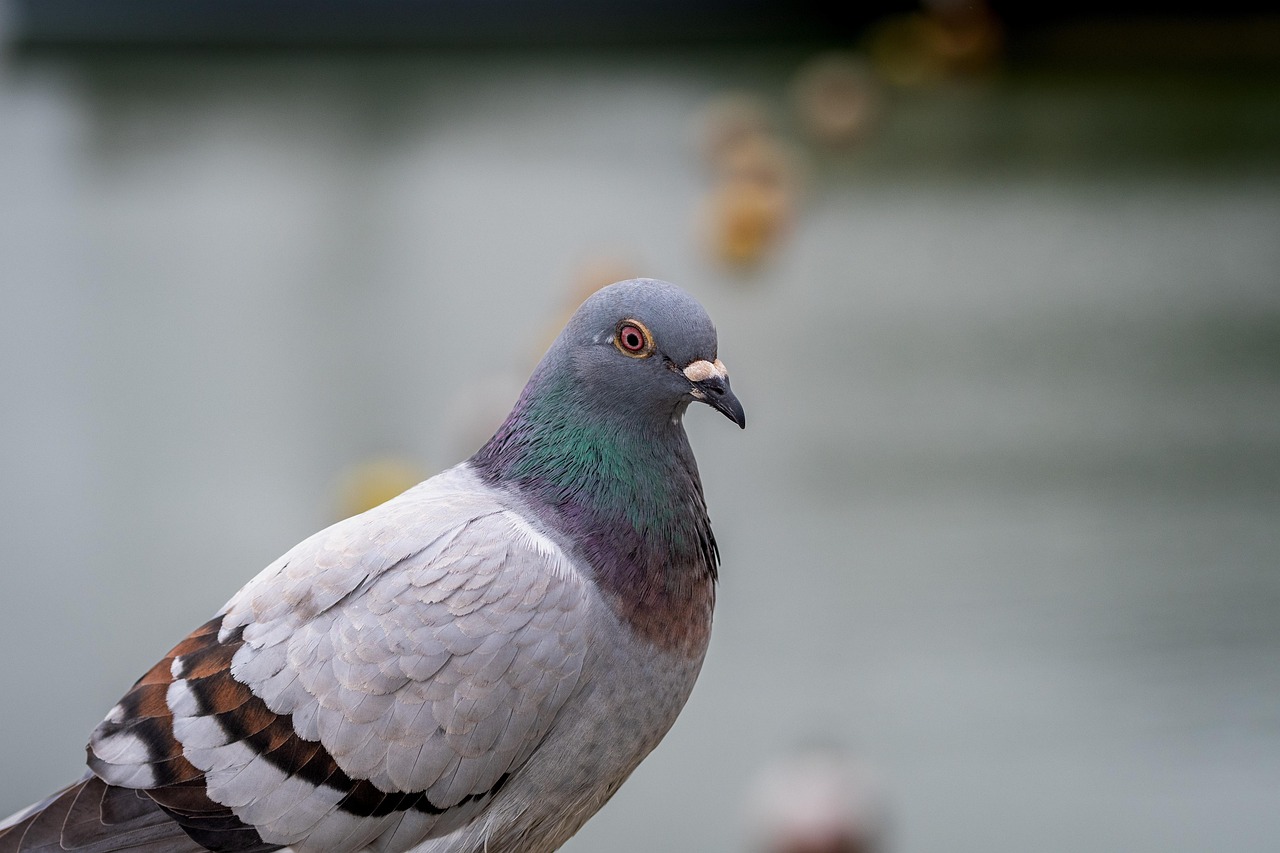
Fancy pigeon breeding is an art form that combines passion with precision, aiming to produce offspring of exceptional purity and beauty. This guide delves into the best pairing methods to achieve high-quality, genetically sound birds, offering actionable insights for enthusiasts at all levels. By focusing on strategic approaches, you can enhance your flock's traits and ensure sustainable success in this rewarding hobby.
Understanding the Foundations of Fancy Pigeon Breeding
Successful fancy pigeon breeding starts with a solid grasp of genetics and breed standards. It's not just about pairing any two birds; it involves careful selection to preserve and enhance desirable characteristics. This section explores the core principles that underpin effective breeding practices, setting the stage for more advanced techniques.
The Role of Genetics in Purity
Genetics play a crucial role in determining the traits of fancy pigeons, from feather patterns to body structure. Understanding basic genetic concepts, such as dominant and recessive genes, helps breeders predict outcomes and avoid undesirable mutations. For example, breeding two birds with similar genetic backgrounds can increase the likelihood of pure offspring, but it also requires monitoring for inbreeding depression. By studying pedigrees and tracking lineage, you can make informed decisions that promote health and beauty in your flock.
In practice, this means selecting birds with proven genetic histories that align with your breeding goals. Tools like genetic testing or detailed record-keeping can aid in identifying carriers of specific traits. Emphasizing genetic diversity within controlled parameters ensures robust birds while maintaining purity, making it a key aspect of the best pairing methods for long-term success.
Setting Clear Breeding Objectives
Before initiating any pairing, define clear objectives for your fancy pigeon breeding program. Are you aiming for enhanced color, improved size, or specific behavioral traits? Setting goals helps focus your efforts and measure progress over time. For instance, if beauty is a priority, you might prioritize birds with symmetrical markings and vibrant plumage. Documenting these objectives in a breeding plan can streamline the selection process and reduce guesswork.
Consider factors like breed standards from recognized associations, which provide benchmarks for ideal characteristics. Aligning your goals with these standards ensures your birds meet competitive criteria while fostering personal satisfaction. Regularly reviewing and adjusting objectives based on outcomes keeps your breeding dynamic and responsive to new insights, a hallmark of effective fancy pigeon breeding.
Best Pairing Methods for High-Quality Offspring
Implementing the best pairing methods is essential for producing fancy pigeons with high purity and aesthetic appeal. This section covers practical techniques, from selective pairing to advanced strategies, that optimize genetic outcomes and minimize risks. By applying these methods, you can elevate your breeding results and enjoy more consistent success.
Selective Pairing Based on Phenotype
Selective pairing involves choosing birds based on observable traits, or phenotype, to enhance specific characteristics in offspring. This method is straightforward and effective for beginners, as it relies on visual assessment of features like color, shape, and behavior. For example, pairing two birds with excellent feather quality can increase the chances of producing chicks with similar attributes. However, it's important to complement this with knowledge of underlying genetics to avoid hidden flaws.
To maximize results, assess each bird's strengths and weaknesses before pairing. Create a checklist of desired traits and use it to guide selections, ensuring a balanced approach that doesn't overlook health or temperament. Over time, this method can lead to incremental improvements, making it a cornerstone of fancy pigeon breeding for those focused on beauty and purity.
Line Breeding and Outcrossing Strategies
Line breeding and outcrossing are advanced techniques that balance genetic consistency with diversity. Line breeding involves mating closely related birds to fix desirable traits, but it requires careful management to prevent inbreeding issues. Outcrossing, on the other hand, introduces unrelated birds to inject new genes and vigor into the line. The best pairing methods often combine these approaches based on your flock's needs and goals.
For instance, use line breeding to stabilize a particular color pattern, then outcross to improve size or health. Monitor offspring closely for any negative effects and adjust your strategy accordingly. This dynamic approach ensures long-term sustainability in fancy pigeon breeding, allowing you to maintain purity while adapting to challenges.
Optimizing Health and Environment for Breeding Success
Beyond pairing methods, the health and environment of your fancy pigeons significantly impact breeding outcomes. This section highlights key factors like nutrition, housing, and stress management that support optimal reproduction and chick development. By creating a conducive setting, you enhance the effectiveness of your breeding efforts.
Nutritional Support for Breeding Pairs
Proper nutrition is vital for fancy pigeon breeding, as it affects fertility, egg quality, and chick vitality. Provide a balanced diet rich in proteins, vitamins, and minerals, especially during breeding seasons. Supplements like calcium can strengthen eggshells, while fresh water and varied feeds promote overall health. Tailor diets to individual needs based on activity levels and breed requirements.
Consider consulting with avian experts or using specialized feeds designed for breeding pigeons. Regularly assess body condition and adjust feeding regimens to prevent obesity or deficiencies. A well-nourished pair is more likely to produce healthy, beautiful offspring, making nutrition a critical component of the best pairing methods.
Creating an Ideal Breeding Environment
The breeding environment should be safe, clean, and stress-free to encourage natural behaviors and successful pairings. Ensure adequate space in lofts, with separate areas for nesting and socialization. Maintain optimal temperature and humidity levels, and provide nesting materials that mimic natural settings. Reducing noise and disturbances helps pairs bond and focus on rearing chicks.
Implement biosecurity measures to prevent diseases, such as regular cleaning and quarantine protocols for new birds. By prioritizing environmental quality, you support the physical and psychological well-being of your fancy pigeons, leading to better breeding outcomes and higher purity in offspring.
Monitoring and Evaluating Breeding Results
Continuous monitoring and evaluation are essential for refining your fancy pigeon breeding practices. This section discusses methods for tracking progress, assessing offspring, and making data-driven adjustments. By staying engaged with your flock's development, you can iterate on the best pairing methods for ongoing improvement.
Tracking Pedigrees and Performance Metrics
Maintain detailed records of pedigrees, pairing histories, and offspring characteristics to identify patterns and successes. Use tools like spreadsheets or specialized software to log data on traits, health issues, and breeding dates. This information helps you analyze which pairings yield the best results and informs future decisions. For example, if certain pairs consistently produce birds with high beauty scores, you can replicate those matches.
Set performance metrics based on your objectives, such as survival rates or show awards. Regularly review these metrics to gauge progress and pinpoint areas for enhancement. This systematic approach transforms fancy pigeon breeding from a hobby into a science, maximizing efficiency and outcomes.
Adapting Strategies Based on Outcomes
Be flexible in adapting your breeding strategies based on observed outcomes. If a pairing produces undesirable traits, consider alternative methods or introduce new genetic lines. Learn from both successes and failures to refine your techniques over time. Engage with breeding communities or mentors for feedback and insights, fostering a collaborative approach to improvement.
Embrace experimentation within ethical bounds, testing different pairing combinations to discover what works best for your flock. This iterative process ensures that your fancy pigeon breeding remains dynamic and responsive, ultimately leading to higher purity and beauty in your birds.
Conclusion
Mastering fancy pigeon breeding requires a blend of knowledge, patience, and strategic application of the best pairing methods. By focusing on genetics, clear objectives, and optimal health, you can produce offspring of exceptional purity and beauty. Remember to monitor results and adapt as needed for continuous improvement. For those looking to streamline their breeding management, consider using tools like Ghawy – Pigeon Manager (غاوي – إدارة الحمام) to enhance your efforts and achieve greater success in this captivating pursuit.