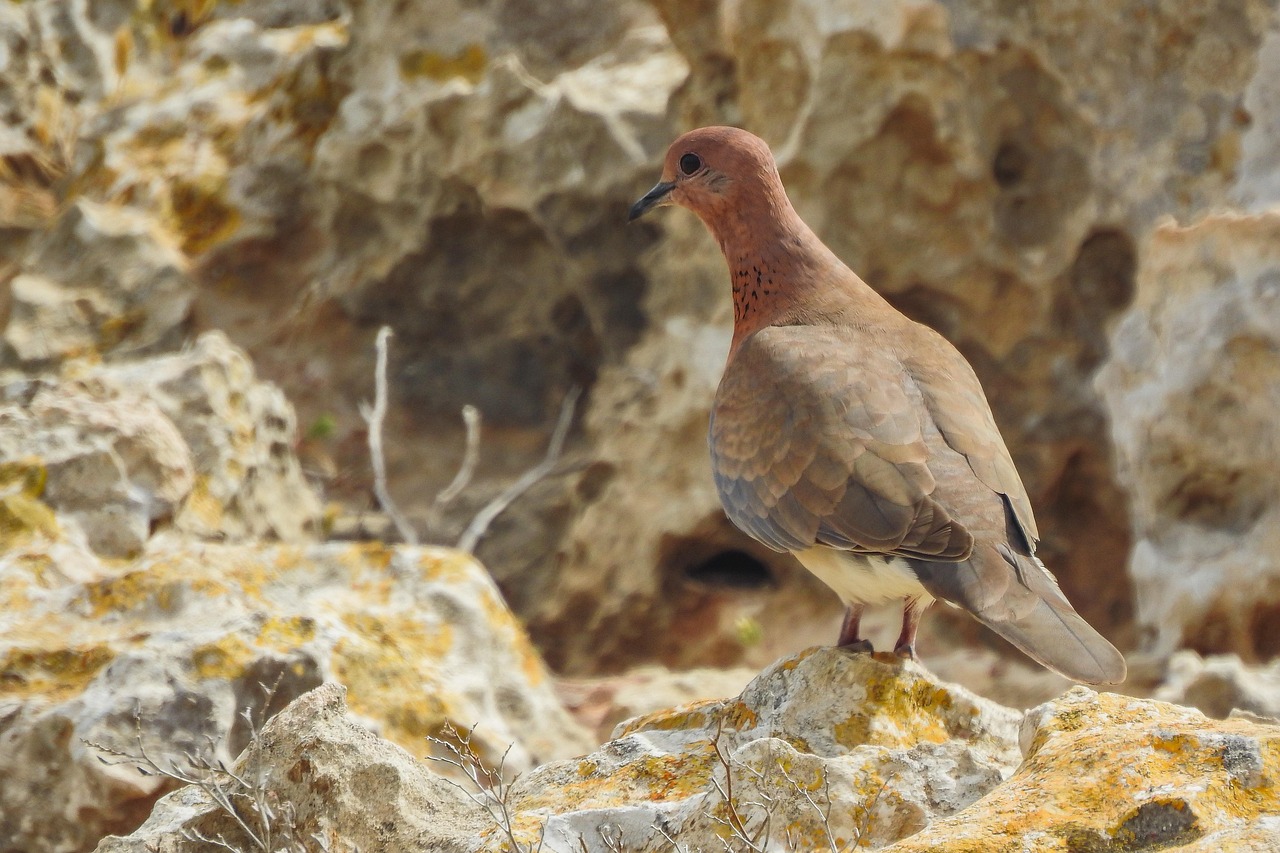
Fancy pigeon breeding is an art form that combines passion with precision, aiming to produce offspring of exceptional purity and beauty. This guide delves into the best pairing methods to achieve high-quality, genetically sound birds, offering actionable insights for enthusiasts at all levels. By focusing on strategic approaches, breeders can enhance traits like color, form, and health, ensuring a thriving loft.
Understanding the Basics of Fancy Pigeon Breeding
Before diving into advanced techniques, it's crucial to grasp the fundamentals of fancy pigeon breeding. This involves selecting birds based on genetic traits, health, and conformation to breed standards. A solid foundation sets the stage for successful pairings and consistent results over generations.
Genetic Principles for Purity
Genetics play a pivotal role in fancy pigeon breeding, influencing everything from feather patterns to body structure. Understanding dominant and recessive genes helps breeders predict outcomes and avoid undesirable traits. For instance, breeding two birds with recessive color genes can produce uniform offspring, but it requires careful record-keeping and patience. By studying pedigrees, breeders can trace lineage and make informed decisions, reducing the risk of genetic disorders and enhancing overall flock health.
In practice, applying genetic principles involves more than just theory; it requires observation and adaptation. Breeders should monitor offspring for consistency and adjust pairings based on results. Tools like genetic calculators can aid in planning, but hands-on experience is invaluable. Over time, this approach leads to a deeper understanding of how traits manifest, allowing for refinement in each breeding cycle. The goal is to create a stable genetic pool that supports long-term purity and beauty.
Health and Environment Factors
A healthy environment is essential for successful fancy pigeon breeding, as stress or illness can compromise genetic outcomes. Ensure lofts are clean, well-ventilated, and free from predators to promote optimal breeding conditions. Regular health checks, including vaccinations and parasite control, prevent diseases that might affect fertility or chick development. Nutrition also plays a key role; a balanced diet rich in proteins and vitamins supports robust growth and vibrant plumage.
Beyond physical health, consider the psychological well-being of your birds. Pigeons thrive in calm, stable settings, so minimize disruptions during breeding seasons. Provide ample space for nesting and socialization to reduce aggression and encourage natural behaviors. By prioritizing health and environment, breeders lay the groundwork for effective pairings, as healthy parents are more likely to produce strong, beautiful offspring. This holistic approach complements genetic strategies, ensuring a comprehensive breeding program.
Best Pairing Methods for High-Quality Offspring
Selecting the best pairing methods is central to achieving purity and beauty in fancy pigeon breeding. This section explores proven techniques, from linebreeding to outcrossing, each with unique benefits and considerations. By tailoring methods to specific goals, breeders can optimize results and avoid common pitfalls.
Linebreeding for Consistency
Linebreeding is a popular method in fancy pigeon breeding that involves mating closely related birds to reinforce desirable traits. This approach helps maintain purity by concentrating genes from a common ancestor, such as a champion sire or dam. It's particularly effective for stabilizing characteristics like color intensity or body shape, as it reduces genetic variability. However, breeders must monitor for inbreeding depression, which can lead to health issues if overused.
To implement linebreeding successfully, start with a high-quality foundation pair and track their lineage meticulously. Use tools like pedigree charts to identify relationships and plan matings that strengthen traits without compromising vigor. For example, breeding a grandson back to a granddam can enhance specific features while introducing minimal new genetic material. Regular evaluation of offspring ensures adjustments are made as needed, balancing purity with overall flock health. This method requires patience but yields consistent, beautiful birds over time.
Outcrossing for Vigor and Diversity
Outcrossing introduces unrelated birds into a breeding program to boost genetic diversity and vigor. This method is ideal for addressing issues like low fertility or weak conformation, as it brings in fresh genes that can enhance overall flock resilience. In fancy pigeon breeding, outcrossing can be used strategically to improve traits without sacrificing purity, such as by selecting birds from similar lines but different lofts. It requires careful selection to ensure compatibility and avoid diluting desired characteristics.
When outcrossing, focus on birds that complement your existing stock, such as those with strong health records or award-winning features. Introduce new blood gradually, starting with a single pairing and observing the offspring for improvements. This approach can revitalize a breeding program, leading to more robust and attractive pigeons. However, it may take several generations to stabilize new traits, so combine outcrossing with other methods like linebreeding for balanced results. By diversifying wisely, breeders can achieve both beauty and vitality in their flocks.
Advanced Techniques for Enhancing Beauty and Purity
Beyond basic methods, advanced techniques in fancy pigeon breeding can elevate results, focusing on aesthetic refinement and genetic precision. These strategies involve selective breeding, color genetics, and performance tracking to produce standout birds that meet high standards.
Selective Breeding for Aesthetic Traits
Selective breeding targets specific aesthetic traits, such as feather patterns, eye color, or posture, to enhance beauty in fancy pigeons. This requires a keen eye for detail and a clear vision of the ideal bird, often guided by breed standards from organizations like the National Pigeon Association. By consistently choosing parents that excel in these areas, breeders can gradually improve offspring, creating birds that are not only pure but visually stunning. Documenting traits with photos and notes aids in decision-making over time.
In practice, selective breeding involves evaluating each bird against a set of criteria and pairing those that complement each other's strengths. For instance, if one pigeon has exceptional feather quality but lacks in size, mate it with a larger bird to balance traits. This iterative process allows for continuous improvement, with each generation bringing closer to perfection. It's a labor-intensive approach but rewarding, as it leads to birds that captivate in shows and collections. By focusing on aesthetics alongside genetics, breeders can achieve unparalleled beauty.
Utilizing Color Genetics for Vibrant Results
Color genetics is a specialized aspect of fancy pigeon breeding that influences plumage hues and patterns. Understanding how genes interact, such as through epistasis or polygenic inheritance, enables breeders to predict and produce vibrant colors. For example, breeding birds with recessive red genes can yield rich, consistent shades, but it requires knowledge of genetic combinations. Resources like color charts and breeding software can assist, but hands-on experimentation is key to mastering this art.
To apply color genetics effectively, start with a basic understanding of common color mutations in your breed, such as blue, black, or pied. Pair birds based on their genetic makeup, using test matings to uncover hidden traits. Over generations, you can develop lines with striking, uniform colors that enhance overall beauty. This technique adds depth to a breeding program, making it more engaging and successful. By integrating color genetics into your strategy, you can create pigeons that are not only pure but visually exceptional.
Practical Tips for Successful Fancy Pigeon Breeding
Implementing the best pairing methods requires practical know-how, from loft management to record-keeping. This section offers actionable tips to streamline your breeding efforts and maximize outcomes, ensuring a smooth and productive process.
Loft Management and Breeding Cycles
Effective loft management supports fancy pigeon breeding by creating optimal conditions for mating and rearing. Design lofts with separate areas for breeding pairs, juveniles, and display birds to reduce stress and competition. Maintain a consistent breeding schedule, typically aligning with natural seasons, to encourage fertility and chick survival. Regular cleaning and disinfection prevent disease outbreaks, while providing nesting materials like straw or wood shavings fosters a comfortable environment.
In addition to physical setup, monitor breeding cycles closely, noting pairing dates and hatch times. This allows for timely interventions if issues arise, such as infertile eggs or weak chicks. Use tools like breeding calendars or apps to track progress and plan future pairings. By managing lofts efficiently, breeders can focus on genetic goals without logistical hurdles. This practical approach complements advanced techniques, ensuring that every aspect of breeding is handled with care.
Record-Keeping and Evaluation
Accurate record-keeping is essential for refining fancy pigeon breeding strategies over time. Maintain detailed logs for each bird, including pedigree information, health records, and breeding outcomes. This data helps identify successful pairings and areas for improvement, enabling data-driven decisions. For example, if a particular pairing consistently produces high-quality offspring, replicate it in future cycles. Use digital tools or notebooks to organize information, making it accessible for reference.
Evaluation goes beyond records; regularly assess birds for traits like conformation, behavior, and overall health. Involve other enthusiasts or judges for objective feedback, especially when preparing for shows. This continuous assessment ensures that your breeding program evolves, adapting to new insights and challenges. By combining thorough record-keeping with critical evaluation, breeders can achieve consistent progress toward purity and beauty. This disciplined approach is a cornerstone of successful fancy pigeon breeding.
Conclusion
Mastering fancy pigeon breeding involves a blend of genetic knowledge, strategic pairing methods, and practical management. By applying techniques like linebreeding and outcrossing, breeders can produce offspring of high purity and stunning beauty. Remember to prioritize health, maintain detailed records, and continuously evaluate results for ongoing improvement. For those looking to streamline their efforts, consider using Ghawy – Pigeon Manager (غاوي – إدارة الحمام) to track pedigrees and breeding cycles efficiently. With dedication and these best practices, you can elevate your loft to new heights of excellence.