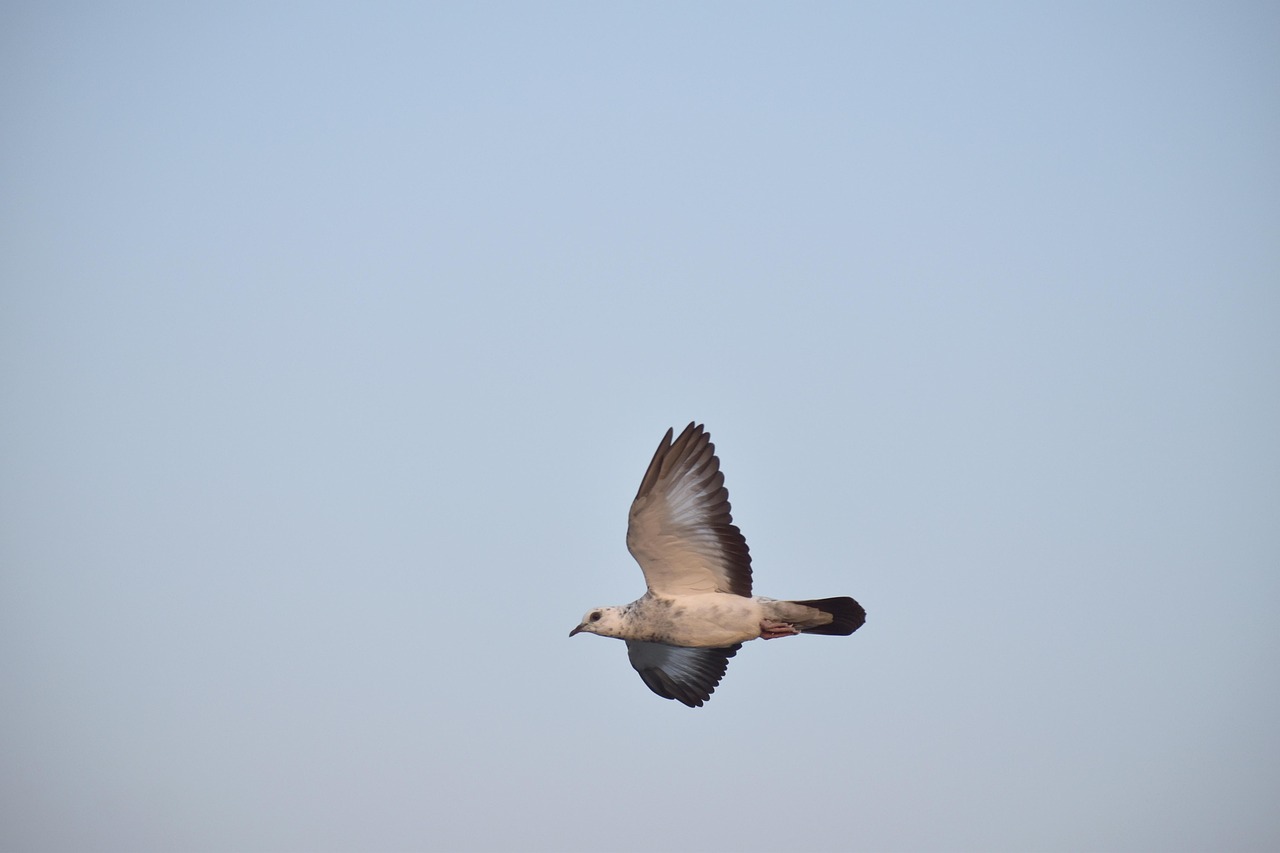
Breeding fancy pigeons is an art form that combines passion with precision, where enthusiasts strive to create birds of exceptional beauty and conformation. This guide delves into the world of improving fancy pigeon breeds according to the rigorous NPA standards, offering insights into genetics and show criteria that elevate the hobby to a professional level. By understanding these global benchmarks, breeders can enhance their flocks and achieve recognition in competitive circles.
Understanding NPA Standards for Fancy Pigeons
The National Pigeon Association (NPA) sets the gold standard for evaluating fancy pigeons worldwide, providing a framework that ensures consistency and excellence in breeding. These standards cover every aspect of a pigeon's appearance, from feather quality to body structure, serving as a universal language for enthusiasts and judges alike. Adhering to NPA standards not only improves breed quality but also fosters a community of dedicated breeders committed to preserving and enhancing pigeon genetics.
The Role of NPA in Global Pigeon Breeding
NPA standards are developed through decades of expertise and collaboration among top breeders, focusing on traits that define each breed's ideal characteristics. By following these guidelines, breeders can avoid common pitfalls and work towards producing birds that meet or exceed show pigeon criteria. This global approach helps maintain breed purity and encourages innovation in breeding techniques, making it essential for anyone serious about fancy pigeon genetics.
Implementing NPA standards involves regular assessment and documentation of your flock's traits, which can be tracked using tools like pedigree records and scoring sheets. This systematic method allows breeders to identify strengths and weaknesses, leading to more informed breeding decisions. Over time, adherence to these standards can result in birds that not only win shows but also contribute to the genetic diversity and health of the breed.
Key Components of NPA Evaluation Criteria
NPA evaluation criteria are detailed and breed-specific, covering areas such as head shape, eye color, feather texture, and overall balance. For example, in breeds like Fantails or Pouters, specific proportions and postures are critical for meeting show pigeon criteria. Understanding these components requires study and practice, but it empowers breeders to set clear goals for their breeding programs.
To excel under NPA standards, breeders must focus on consistency across generations, ensuring that desirable traits are passed down reliably. This often involves selective pairing based on genetic knowledge, such as avoiding inbreeding that can weaken the flock. By mastering these criteria, you can produce birds that stand out in competitions and set new benchmarks in fancy pigeon genetics.
Exploring Fancy Pigeon Genetics for Superior Breeds
Fancy pigeon genetics is a fascinating field that underpins successful breeding, involving the study of heredity and trait expression in various breeds. By delving into genetic principles, breeders can predict outcomes and enhance specific characteristics, such as color patterns or feather types, aligning with NPA standards. This knowledge transforms breeding from a guessing game into a science-driven art.
Genetic Basics for Breed Improvement
At its core, fancy pigeon genetics involves understanding dominant and recessive genes, which influence traits like plumage color and body size. For instance, certain color mutations may be recessive, requiring careful pairing to manifest in offspring. By applying this knowledge, breeders can work towards creating birds that not only look stunning but also meet strict show pigeon criteria for uniformity and health.
Advanced genetic techniques, such as line breeding or outcrossing, can be used to introduce new traits while maintaining breed integrity. It's crucial to balance innovation with adherence to NPA standards, ensuring that genetic experiments enhance rather than compromise the breed's characteristics. With practice, breeders can develop a keen eye for genetic potential, leading to flocks that excel in both beauty and functionality.
Applying Genetics to Meet Show Pigeon Criteria
To meet show pigeon criteria, breeders must integrate genetic insights with practical breeding strategies, focusing on traits that are highly valued in competitions. This might involve selecting for specific feather textures or body shapes that align with NPA standards, using genetic testing or observation to guide decisions. Over time, this approach can lead to a lineage of champions that reflect the breeder's expertise in fancy pigeon genetics.
Common challenges in genetics include managing genetic diversity to prevent health issues, which requires a long-term perspective and careful record-keeping. By staying informed about genetic trends and NPA updates, breeders can adapt their methods to produce birds that are not only show-ready but also resilient and vibrant. This holistic view ensures that breeding efforts contribute positively to the broader pigeon community.
Mastering Show Pigeon Criteria for Competitive Success
Show pigeon criteria are the benchmarks that define excellence in competitive pigeon exhibitions, closely tied to NPA standards for judging and evaluation. Mastering these criteria involves a deep understanding of what judges look for, from posture and movement to feather condition and overall presentation. By focusing on these elements, breeders can prepare their birds to shine in the show ring.
Essential Traits for Show-Ready Pigeons
Key traits for show-ready pigeons include a well-proportioned body, bright and clear eyes, and smooth, unbroken feathering, all of which are emphasized in NPA standards. Breeders should regularly groom and train their birds to exhibit these traits naturally, as judges assess both static appearance and dynamic behavior. Attention to detail, such as nail trimming and beak cleaning, can make a significant difference in competitive outcomes.
In addition to physical traits, show pigeon criteria often consider temperament and handling ease, which reflect the bird's overall health and breeding quality. By socializing pigeons from a young age and maintaining a stress-free environment, breeders can ensure their birds perform confidently during evaluations. This comprehensive approach aligns with the holistic goals of fancy pigeon genetics, producing birds that are beautiful both inside and out.
Preparing Pigeons for NPA-Compliant Shows
Preparation for NPA-compliant shows starts months in advance, with a focus on diet, exercise, and health monitoring to optimize the bird's condition. Breeders should familiarize themselves with specific show rules and schedules, ensuring their entries meet all requirements for categories and documentation. This proactive strategy reduces last-minute stress and increases the chances of success.
On show day, presenting pigeons effectively involves proper crating, grooming, and handling to highlight their best features according to show pigeon criteria. Observing other competitors and seeking feedback from judges can provide valuable insights for future improvements. By treating each show as a learning opportunity, breeders can continuously refine their techniques and advance their standing in the fancy pigeon community.
Implementing Best Practices in Fancy Pigeon Breeding
Implementing best practices in fancy pigeon breeding requires a commitment to continuous learning and adaptation, integrating NPA standards and genetic knowledge into daily routines. From selecting breeding pairs to managing flock health, these practices ensure sustainable and ethical breeding that produces high-quality birds. By sharing experiences and resources, breeders can contribute to a thriving global network.
Breeding Strategies Aligned with NPA Standards
Effective breeding strategies involve setting clear goals based on NPA standards, such as improving a specific trait or achieving consistency across generations. Breeders should maintain detailed records of each bird's lineage and performance, using this data to make informed decisions about pairings. This methodical approach minimizes guesswork and maximizes the potential for producing show-quality pigeons.
- Start with a small, high-quality foundation stock to build upon.
- Regularly evaluate birds against NPA checklists to track progress.
- Network with other breeders to exchange knowledge and stock.
Challenges in breeding, such as genetic bottlenecks or health issues, can be addressed through careful planning and consultation with experts. By staying updated on NPA guidelines and advancements in fancy pigeon genetics, breeders can navigate these obstacles and maintain a flourishing flock. Over time, these strategies lead to a reputation for excellence and innovation.
Maintaining Health and Vitality in Your Flock
Maintaining health and vitality is crucial for meeting show pigeon criteria, as only healthy birds can exhibit their full potential in terms of appearance and behavior. A balanced diet, clean living conditions, and regular veterinary check-ups are essential components of flock management. Breeders should also monitor for common ailments and implement preventive measures to ensure long-term wellness.
Beyond physical health, mental stimulation and social interaction contribute to a pigeon's overall well-being, enhancing their show readiness. By creating an enriching environment, breeders can foster birds that are not only genetically superior but also happy and engaged. This holistic care aligns with the ethical principles of fancy pigeon breeding and supports the goals of NPA standards for sustainable practices.
Conclusion
In summary, mastering fancy pigeon breeding according to NPA standards involves a blend of art and science, focusing on genetics, show criteria, and best practices to produce exceptional birds. By embracing these global benchmarks, breeders can elevate their hobby, achieve competitive success, and contribute to the preservation of diverse pigeon breeds. Remember, tools like Ghawy – Pigeon Manager (غاوي – إدارة الحمام) can streamline your breeding efforts, helping you track progress and connect with a community of like-minded enthusiasts. Start applying these insights today to transform your flock and reach new heights in the world of fancy pigeons.