In the competitive world of pigeon shows, a stunning photograph can be the difference between a bird blending in and one that commands attention and value. This guide delves into the art of pigeon photography, offering expert techniques to capture your bird's best angles and enhance its market appeal through professional show presentation. By mastering these skills, you can transform how your pigeons are perceived, potentially increasing their worth and recognition in the enthusiast community.
The Art of Pigeon Photography: Capturing Beauty and Character
Pigeon photography is more than just taking pictures; it's about telling a story of elegance, health, and breed standards through the lens. A well-executed photo highlights the unique features that make your bird stand out, from its plumage to its posture. This section explores the foundational principles of capturing your pigeon's essence, setting the stage for effective show presentation that resonates with judges and buyers alike.
Understanding Your Subject: Know Your Pigeon's Best Features
Before you even pick up a camera, spend time observing your pigeon to identify its most attractive attributes. Each breed has specific standards, such as color patterns, feather texture, and body shape, that should be emphasized in photography. For example, a show racer might showcase its sleek build and vibrant eyes, while a fancy pigeon could highlight intricate feather designs. By understanding these details, you can tailor your photography approach to accentuate strengths and minimize any flaws, ensuring your images present the bird in its best light for show presentation.
Consider the pigeon's personality and behavior, as these can add character to your photos. A confident bird that holds its head high might convey strength and vitality, while a more relaxed pose could emphasize grace. Use this knowledge to plan shots that capture natural moments, avoiding forced poses that may look unnatural. This attention to detail not only improves the visual appeal but also demonstrates your expertise in pigeon care, which can enhance market value by showing potential buyers a well-maintained and photogenic bird.
Essential Equipment for Professional Pigeon Shots
Investing in the right photography gear is crucial for achieving high-quality images that do justice to your pigeon's beauty. While smartphones can work in a pinch, a DSLR or mirrorless camera with a macro lens allows for sharper details and better control over settings like aperture and shutter speed. Key equipment includes a tripod for stability, especially in low-light conditions, and reflectors or softbox lights to eliminate harsh shadows and highlight the bird's features evenly. For show presentation, consistency in lighting and background is vital to create a cohesive portfolio that showcases multiple birds or angles.
Don't overlook accessories like remote shutters to minimize camera shake and props that complement the pigeon without distracting from it. A simple, neutral background, such as a plain cloth or outdoor setting with natural elements, can make the bird pop in photos. Experiment with different setups to find what works best for your specific breed and style. Remember, the goal is to produce images that are not only aesthetically pleasing but also accurate representations for show presentation, helping judges and buyers assess the pigeon's qualities with clarity.
Lighting and Composition: Techniques for Flawless Images
Lighting is the cornerstone of effective pigeon photography, as it can make or break the visual impact of your shots. Proper illumination enhances colors, textures, and depth, bringing out the subtle details that define a top-quality bird. This section covers practical strategies for using natural and artificial light to your advantage, along with composition rules that guide the viewer's eye and create balanced, engaging photos for show presentation.
Mastering Natural Light for Outdoor Photography
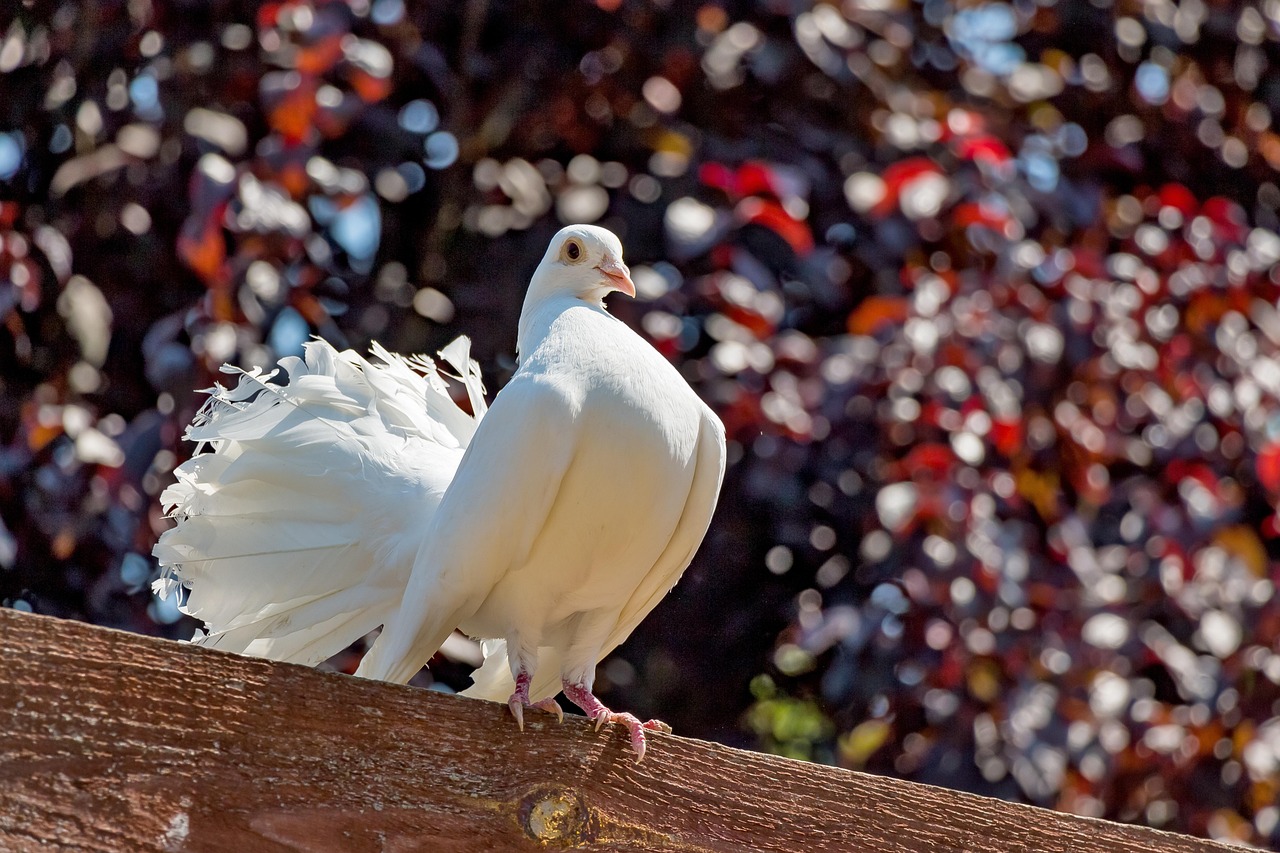
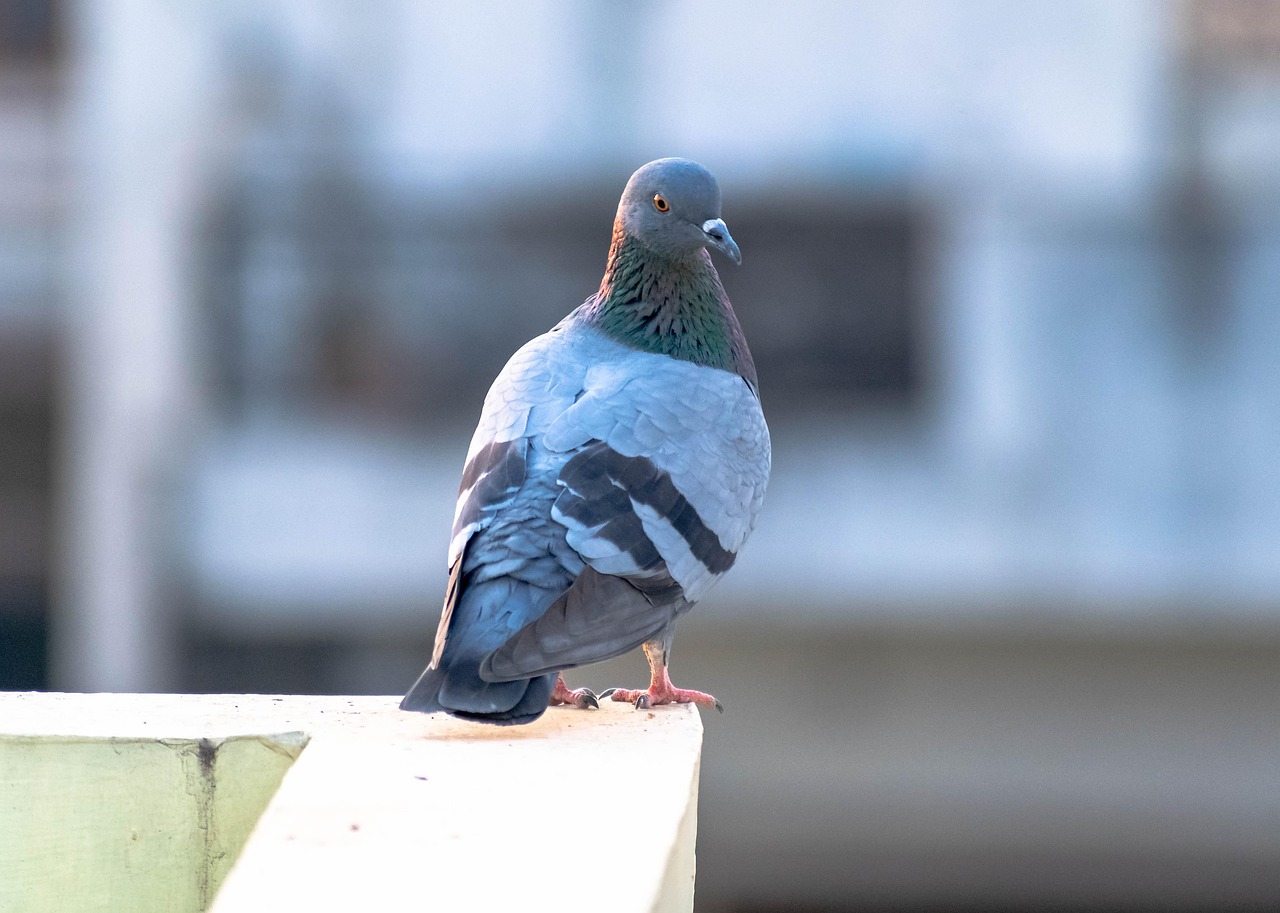
Natural light, especially during the golden hours of early morning or late afternoon, provides a soft, warm glow that flatters pigeons without causing harsh contrasts. Position your bird so that the light source is at an angle, such as from the side or behind, to create dimension and highlight feather iridescence. Avoid direct midday sun, which can cast unflattering shadows and wash out colors. For outdoor shoots, choose locations with open shade or use diffusers to soften the light, ensuring your pigeon's features are clearly visible and vibrant in photos intended for show presentation.
Pay attention to the background when shooting outdoors, as cluttered or distracting elements can detract from the pigeon. A clean, natural setting like a grassy field or a simple perch against a sky can emphasize the bird's form and movement. Use a wide aperture to blur the background slightly, keeping the focus squarely on your subject. This technique not only improves the aesthetic appeal but also aligns with show presentation standards, where clarity and focus on the pigeon are paramount for evaluation and marketing purposes.
Composition Rules to Enhance Visual Appeal
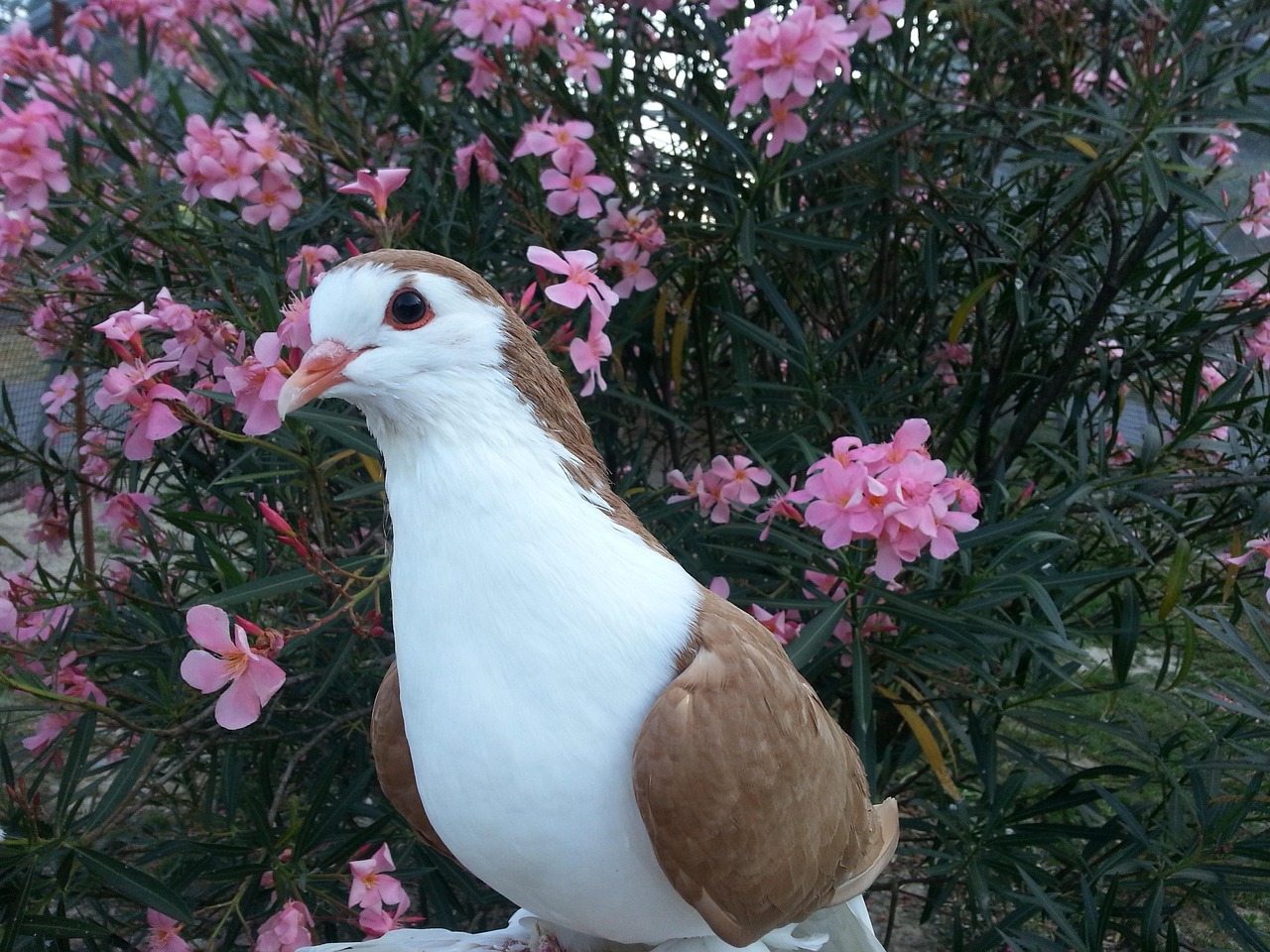
Effective composition transforms a good photo into a great one by guiding the viewer's attention and creating a sense of harmony. Apply the rule of thirds by placing your pigeon off-center in the frame, which adds interest and balance to the image. For show presentation, consider including multiple angles, such as front, side, and top views, to comprehensively showcase the bird's attributes. Close-up shots can highlight specific features like eye color or feather patterns, while full-body images provide context on posture and proportion.
Incorporate leading lines or framing elements, such as branches or perches, to draw the eye toward the pigeon. Avoid cropping too tightly; leave some negative space around the bird to give it room to "breathe" and emphasize its elegance. Consistency in composition across a series of photos can create a professional portfolio that tells a cohesive story about your pigeon's quality. By mastering these techniques, you elevate your pigeon photography from mere snapshots to powerful tools for show presentation, potentially increasing interest and value in the market.
Show Presentation Strategies: From Photos to Market Value
Once you have captured stunning images, the next step is to leverage them for effective show presentation that boosts your pigeon's market value. This involves curating and presenting your photos in ways that appeal to judges, buyers, and the broader pigeon community. Learn how to create compelling visual narratives, use digital platforms for exposure, and integrate photography into your overall marketing strategy to maximize impact and sales potential.
Curating a Winning Photo Portfolio for Shows
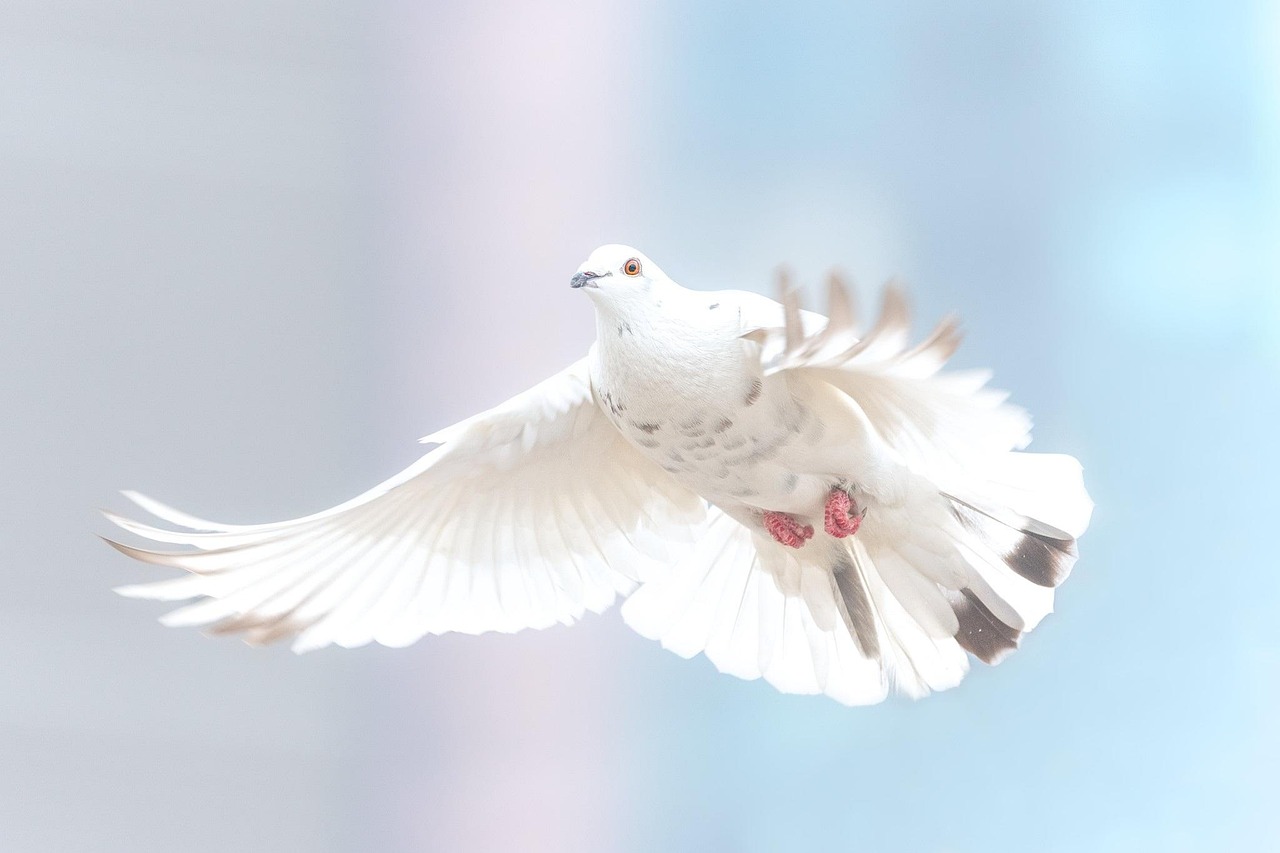
A well-organized portfolio is essential for making a strong impression at pigeon shows or online listings. Select your best images that highlight different aspects of the bird, such as its color, structure, and behavior. Group photos by category, like close-ups for detail shots and full-body images for overall assessment, to provide a comprehensive view. For show presentation, include shots that demonstrate the pigeon in motion or interacting with its environment, as these can convey health and vitality. Use editing software sparingly to enhance colors and contrast without altering the bird's natural appearance, ensuring authenticity.
Present your portfolio in a clean, professional format, whether in print for physical shows or digitally on websites and social media. Add brief captions that describe key features or achievements, such as breed standards met or previous show wins. This not only informs viewers but also builds credibility. By showcasing a diverse range of high-quality photos, you create a compelling case for your pigeon's value, making it more attractive to potential buyers and judges alike. Remember, consistency in quality and style across your portfolio reinforces your reputation as a serious enthusiast.
Leveraging Digital Platforms for Enhanced Exposure
In today's digital age, online presence is crucial for reaching a wider audience and increasing your pigeon's market value. Share your photos on social media platforms, pigeon forums, and dedicated websites to generate interest and engagement. Use hashtags related to pigeon photography and show presentation to connect with like-minded enthusiasts and potential buyers. Post regularly with updates, behind-the-scenes shots, or stories about your bird's journey to build a narrative that resonates with followers. This not only boosts visibility but also establishes you as an expert in the field.
Consider creating video content, such as short clips or slideshows, to complement your photos and provide a dynamic view of your pigeon. Platforms like YouTube or Instagram Reels can attract more attention and showcase movement and personality. Engage with comments and messages to build relationships and answer questions about your birds. By integrating digital strategies with your photography efforts, you amplify the impact of your show presentation, driving interest and potentially commanding higher prices in the market. Tools like Ghawy – Pigeon Manager (غاوي – إدارة الحمام) can streamline this process by helping organize and promote your pigeon portfolio effectively.
Advanced Tips for Seasoned Enthusiasts
For those looking to take their pigeon photography and show presentation to the next level, this section offers advanced insights into niche techniques and trends. Explore creative angles, post-processing tricks, and ways to stay ahead in the competitive show circuit. By adopting these strategies, you can differentiate your work and maintain a cutting-edge approach that continues to elevate your pigeons' appeal and value over time.
Experimenting with Creative Angles and Styles
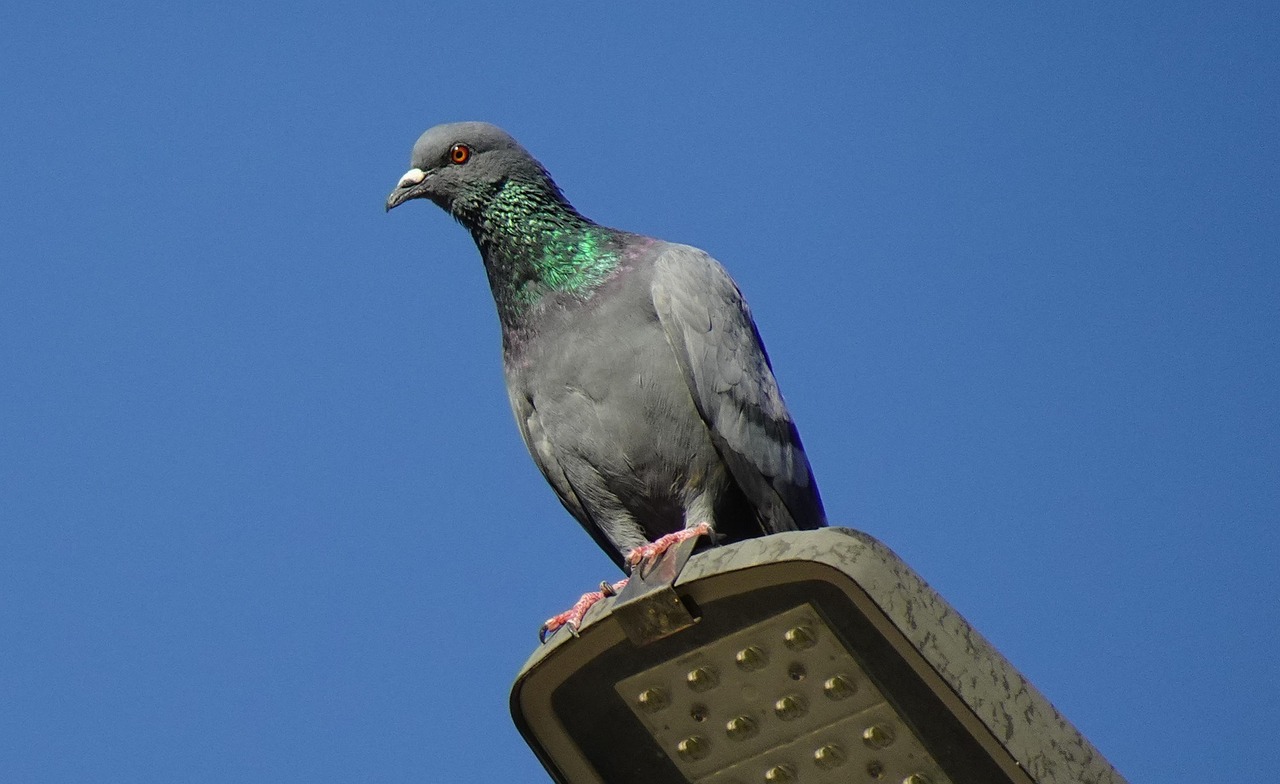
Push the boundaries of traditional pigeon photography by experimenting with unique perspectives that capture your bird in unexpected ways. Try shooting from low angles to emphasize power and stature, or use aerial views to showcase symmetry and pattern. Incorporate environmental elements, such as water reflections or seasonal backgrounds, to add context and artistry to your photos. For show presentation, these creative touches can make your pigeon stand out in a crowded field, attracting attention from judges and buyers who appreciate innovation and attention to detail.
Develop a signature style that reflects your personal brand as an enthusiast. Whether it's a preference for minimalist compositions or vibrant, colorful edits, consistency in style helps build recognition and trust. Share your creative process with the community through tutorials or blog posts to establish authority and inspire others. By continuously exploring new techniques, you keep your photography fresh and engaging, ensuring your show presentation remains relevant and impactful in an evolving market.
Staying Updated with Industry Trends and Feedback
The world of pigeon shows and photography is dynamic, with trends and standards that can shift over time. Stay informed by attending shows, networking with other enthusiasts, and following industry publications to learn about new techniques or preferences in show presentation. Seek feedback on your photos from peers or judges to identify areas for improvement and adapt your approach accordingly. This proactive mindset not only enhances your skills but also demonstrates a commitment to excellence that can boost your pigeon's perceived value.
Embrace technology advancements, such as drone photography or 360-degree imaging, to offer immersive experiences that set your work apart. Monitor social media analytics to understand what types of content resonate most with your audience and adjust your strategy to maximize engagement. By staying agile and responsive to trends, you position yourself as a leader in pigeon photography, capable of delivering show presentation that meets contemporary expectations and drives sustained interest in your birds.
Conclusion
Mastering pigeon photography is a powerful tool for enhancing show presentation and elevating your bird's market value. By focusing on key aspects like understanding your subject, using proper lighting and composition, and leveraging digital platforms, you can create compelling images that capture attention and convey quality. Remember, consistency and creativity are essential for standing out in a competitive environment. As you apply these techniques, consider using resources like Ghawy – Pigeon Manager (غاوي – إدارة الحمام) to streamline your efforts and achieve greater success in showcasing your pigeons to the world.