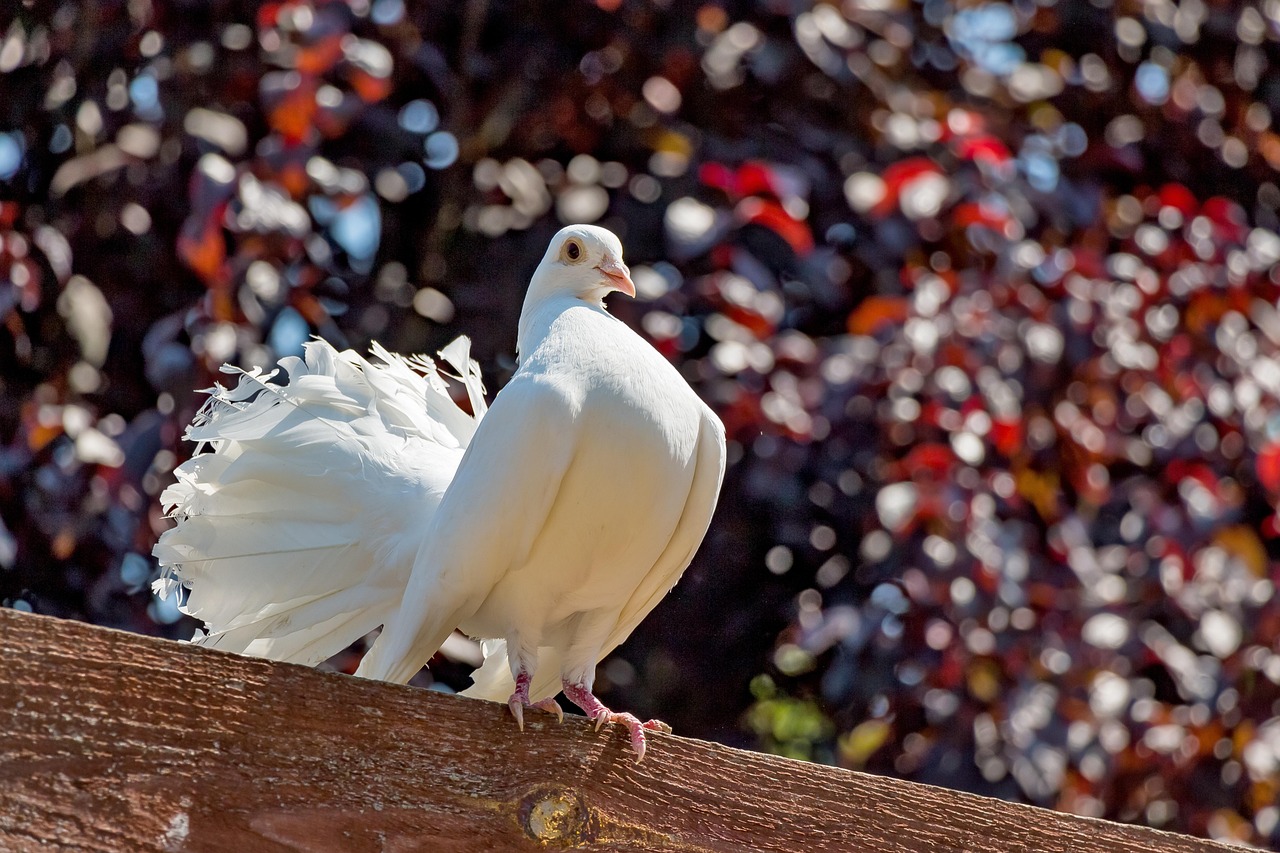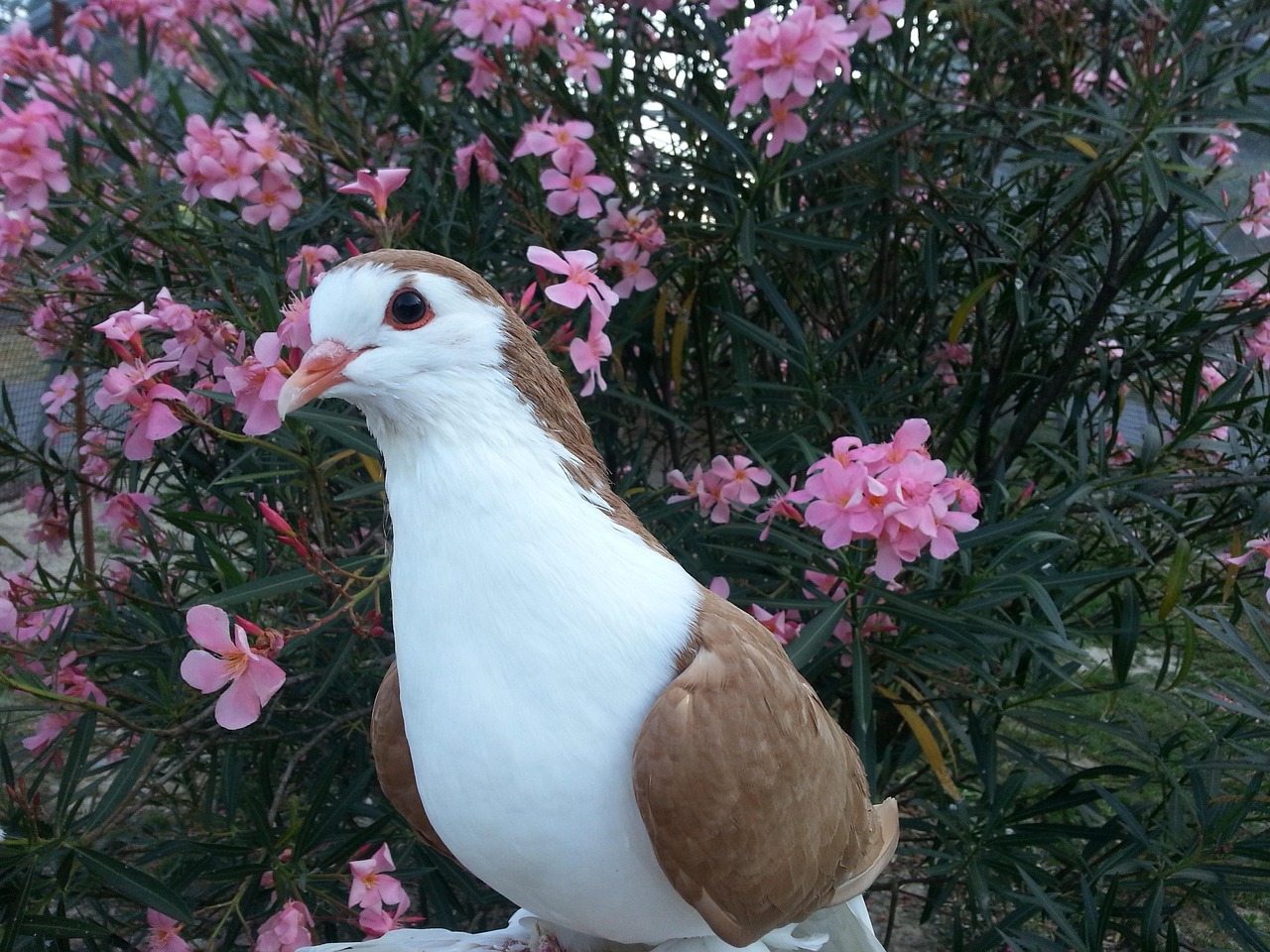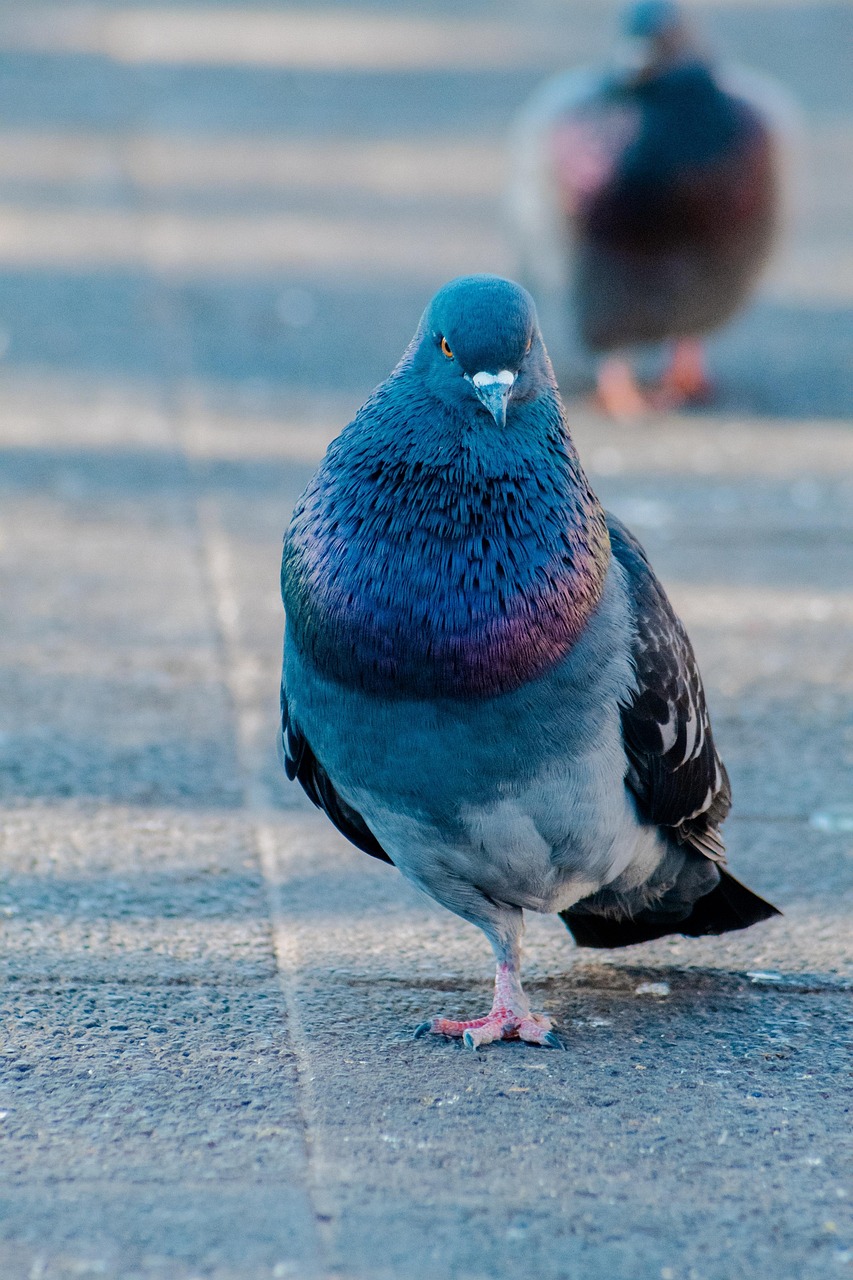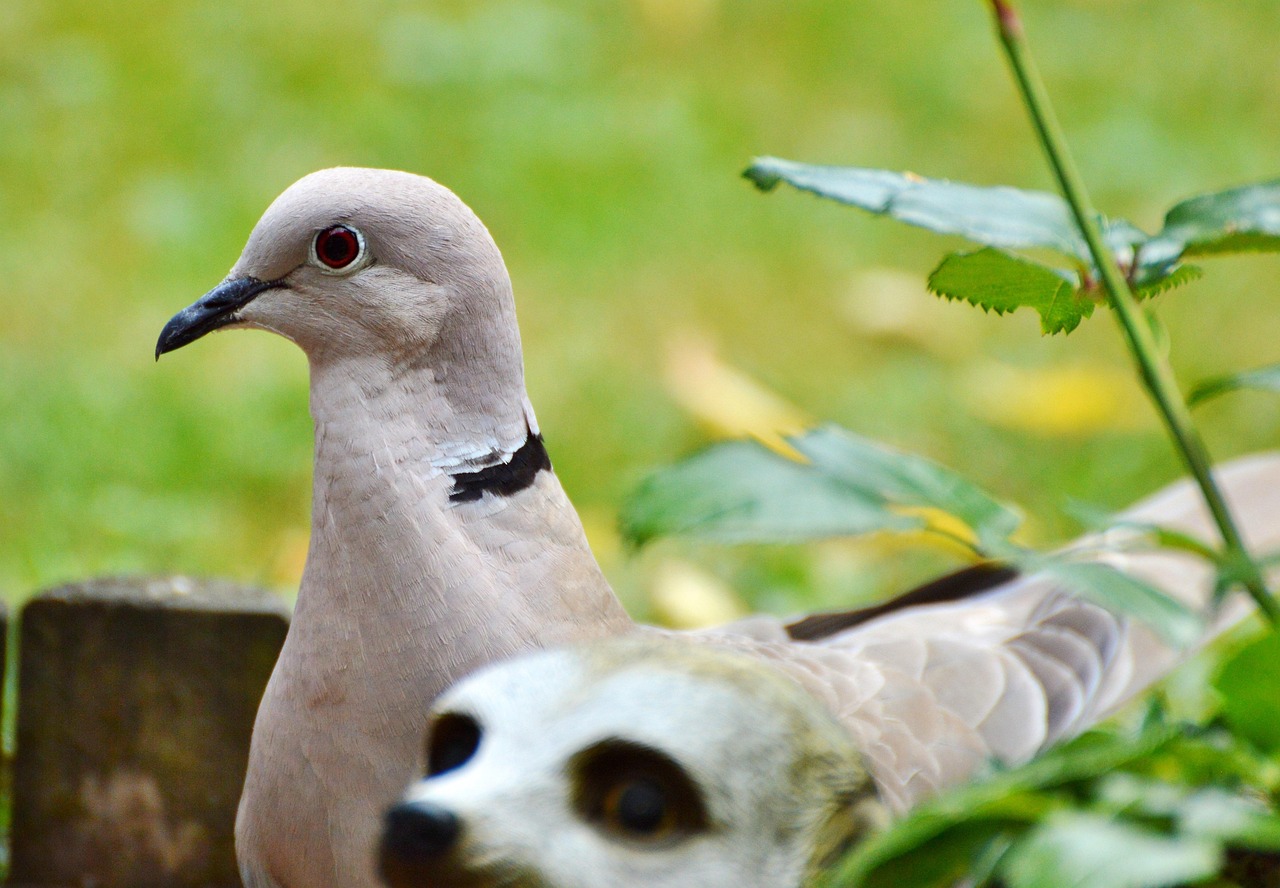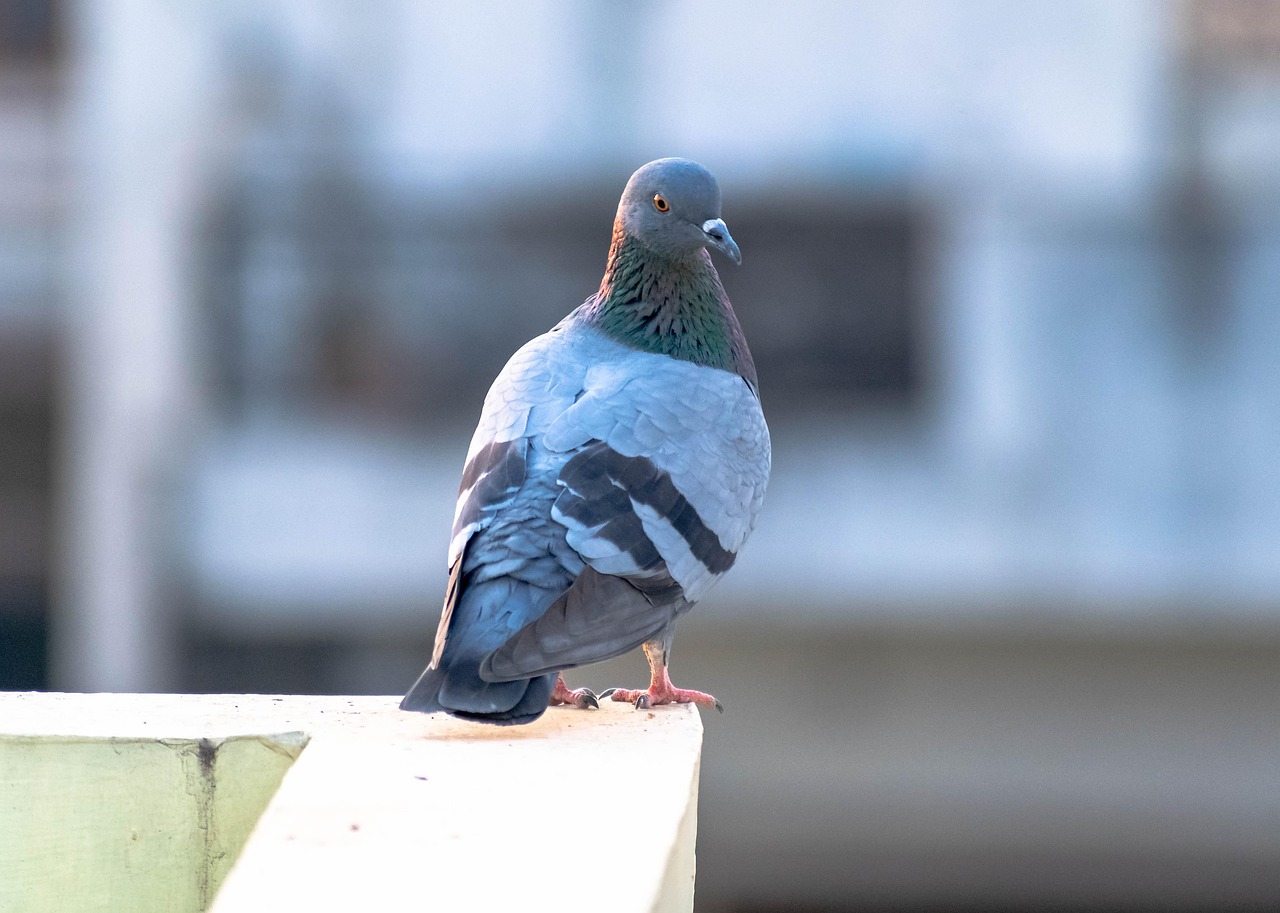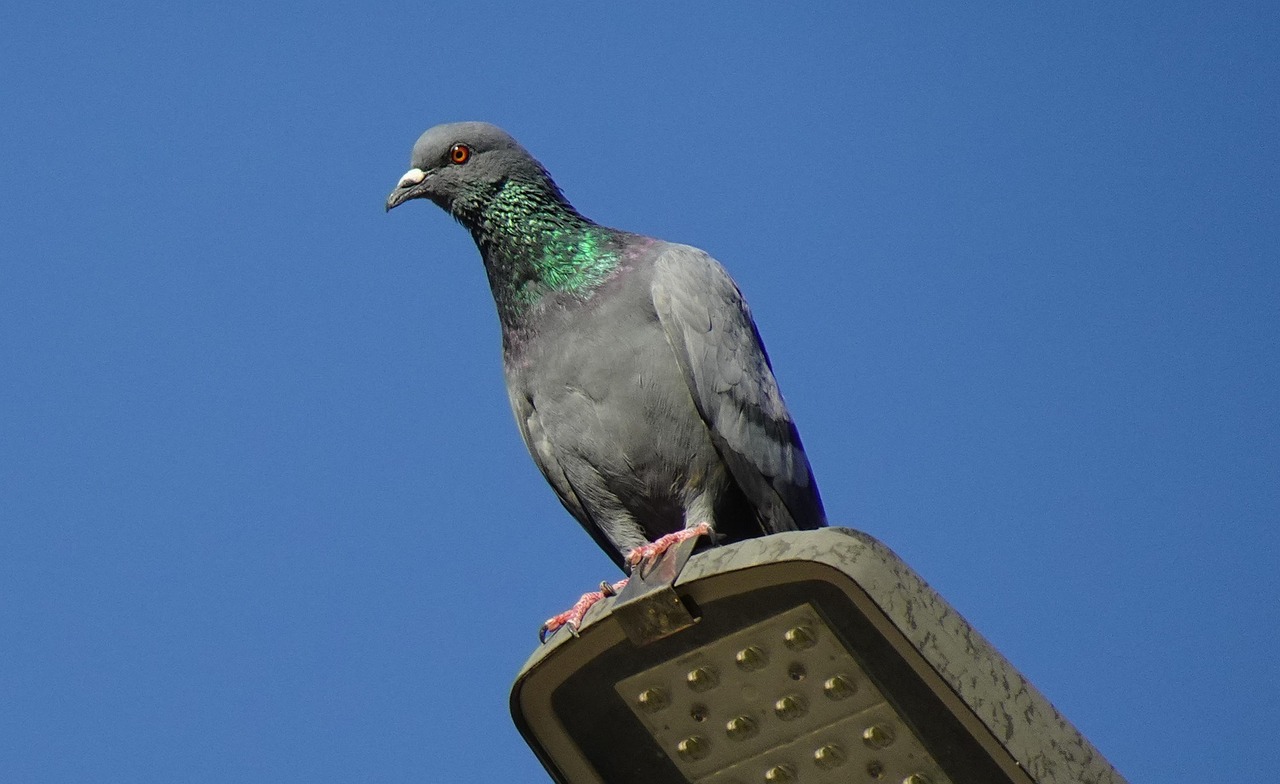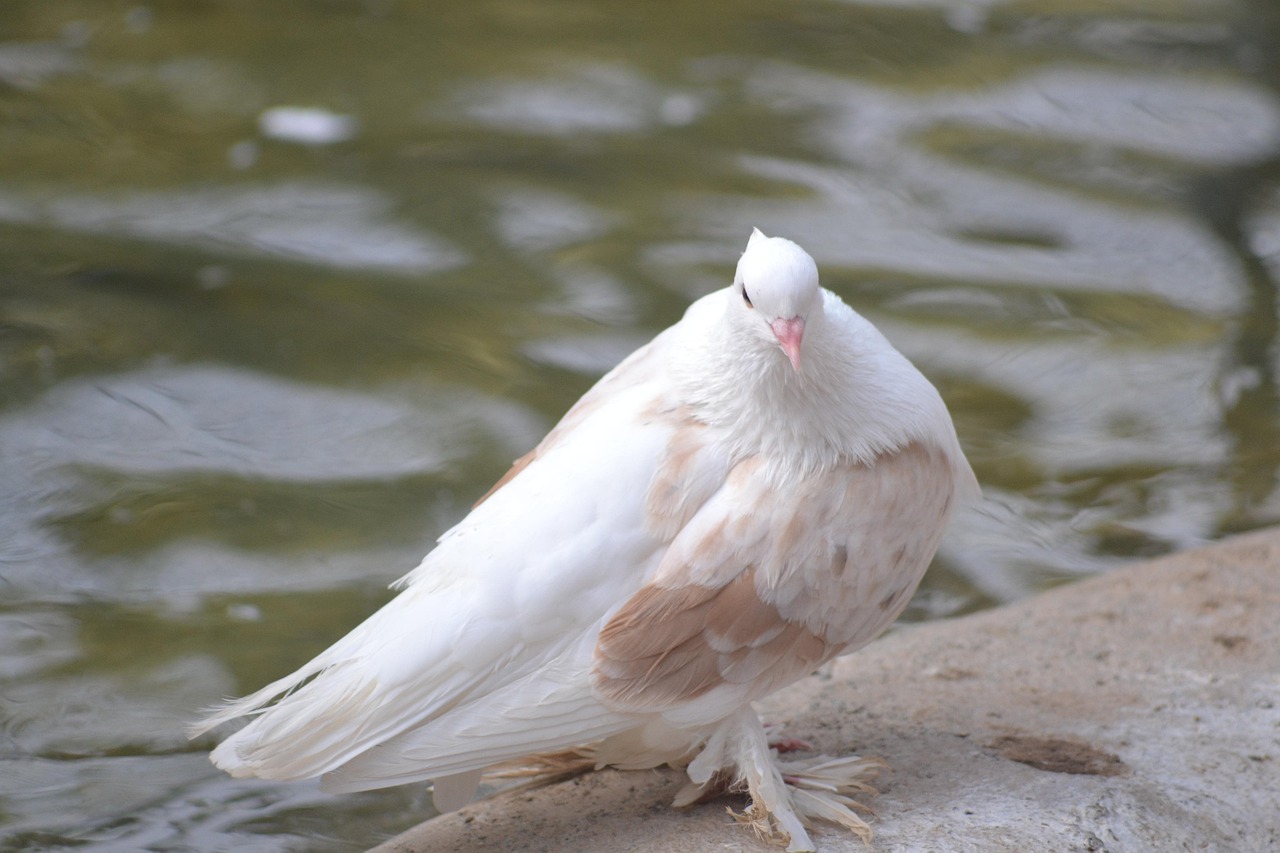
In the competitive world of pigeon shows, a stunning photograph can be the key to unlocking your bird's market value. This guide delves into the art of pigeon photography, offering expert tips to enhance your show presentation and captivate judges and buyers alike. By mastering these techniques, you can transform your pigeons into visual masterpieces that command attention and higher prices.
The Art of Pigeon Photography: Capturing Beauty and Character
Pigeon photography is more than just snapping pictures; it's about revealing the unique traits that make your bird stand out in a show. A great photo highlights the pigeon's conformation, color, and personality, creating a powerful first impression that can influence its perceived value. Whether you're a breeder or exhibitor, investing time in photography pays off by showcasing your pigeons in their best light.
Understanding the Basics of Avian Photography
To excel in pigeon photography, start with the fundamentals of camera settings and lighting. Use a DSLR or high-quality smartphone camera with manual controls to adjust aperture, shutter speed, and ISO. A wide aperture (e.g., f/2.8) can create a pleasing background blur, emphasizing your pigeon's features. Natural light is ideal—shoot during the golden hours of early morning or late afternoon to avoid harsh shadows and bring out vibrant colors. Position your pigeon against a neutral backdrop to minimize distractions and focus attention on its form.
Patience is crucial when photographing pigeons, as they can be skittish. Work in a calm environment, using treats or familiar handlers to keep the bird relaxed. Capture multiple angles, including side profiles to show body shape and head shots to highlight eye color and beak structure. These details are essential for show presentation, as judges often assess pigeons based on photographic entries before live events.
Advanced Techniques for Show-Ready Shots
For professional-grade results, incorporate advanced techniques like macro photography to zoom in on intricate feather patterns or eye details. Use a tripod to ensure sharp images, especially in low-light conditions. Experiment with different perspectives, such as low-angle shots to convey majesty or overhead views to display wing span. In post-processing, subtle edits can enhance contrast and color saturation without altering the pigeon's natural appearance—avoid over-editing to maintain authenticity for show standards.
Consider the context of your photography; for show presentation, images should align with breed standards and competition requirements. Research specific guidelines for your pigeon's category, as some shows prioritize certain traits like posture or plumage. By tailoring your photos to these criteria, you increase the chances of success in exhibitions and attract buyers looking for premium stock.
Show Presentation Strategies: From Photos to Podium
Effective show presentation integrates photography with live displays to create a cohesive brand for your pigeons. A well-presented pigeon not only looks good in pictures but also performs confidently in the show ring, boosting its market appeal. This section explores how to leverage photography for pre-show promotion and on-site impact.
Building a Portfolio for Pre-Show Marketing
Develop a comprehensive portfolio of high-quality photos to market your pigeons before a show. This portfolio should include a variety of shots, such as full-body images, close-ups of unique markings, and action shots in flight or perching. Share these photos on social media, breeder forums, and show websites to generate buzz and attract potential buyers. Use descriptive captions that highlight key attributes, like "prize-winning coloration" or "exceptional wing structure," to emphasize value.
Organize your portfolio by categories, such as breed type or age group, to make it easy for viewers to navigate. Include brief bios for each pigeon, noting achievements and lineage to build credibility. By presenting a professional image online, you set high expectations for your show presentation, encouraging judges and enthusiasts to seek out your birds in person.
Enhancing Live Presentation with Photographic Insights
Use insights from your photography sessions to improve live show presentation. For example, if photos reveal that your pigeon looks best from a certain angle, practice posing it similarly during exhibitions. Pay attention to grooming and conditioning based on photographic feedback—address any flaws, like dull feathers or poor posture, before the show. This proactive approach ensures your pigeon is camera-ready and show-ready, maximizing its chances of winning awards.
During the show, display printed photos or digital slideshows at your booth to complement live birds. This visual aid can engage attendees and provide context for your pigeons' qualities. Train handlers to present the birds confidently, using techniques captured in photos to highlight strengths. A cohesive strategy that blends photography with live elements creates a memorable impression that can elevate market value.
Technical Equipment and Setup for Optimal Results
Investing in the right equipment is essential for professional pigeon photography. While skill matters, having reliable tools can make a significant difference in image quality and efficiency. This section covers recommended gear and setup tips to achieve show-stopping photos.
Essential Camera Gear and Accessories
Start with a camera that offers manual controls and good low-light performance. A DSLR with a 50mm or 85mm prime lens is ideal for portrait-style shots, while a zoom lens (e.g., 70-200mm) provides flexibility for capturing pigeons at a distance. Accessories like external flashes or reflectors can help manage lighting in indoor settings. For stability, use a tripod or monopod, especially when shooting in show environments with variable conditions.
Don't overlook smaller items that enhance your setup. A portable backdrop stand and seamless paper or fabric in neutral colors (e.g., white, gray, or black) create a clean background. Carry cleaning supplies to keep your pigeon's feathers pristine during shoots. By having a well-organized kit, you can adapt to different locations and ensure consistent results for your show presentation.
Creating a Studio Environment at Home
Set up a dedicated space at home for pigeon photography to practice and refine your techniques. Choose a room with ample natural light or install softbox lights to simulate studio conditions. Use a table or perch at a comfortable height for both you and the pigeon, ensuring safety and ease of movement. Decorate the area with minimal distractions to keep the focus on your subject.
In this controlled environment, experiment with different poses and lighting setups. Take test shots to review and adjust settings before important shoots. Regular practice helps you and your pigeons become more comfortable, leading to better photos over time. This home studio can serve as a valuable tool for preparing for shows, allowing you to capture portfolio-worthy images without the pressure of event deadlines.
Marketing Your Pigeons: Leveraging Photos for Higher Value
Once you have compelling photos, use them strategically to market your pigeons and increase their market value. Effective marketing goes beyond show presentation, reaching a broader audience of buyers and enthusiasts. This section provides actionable tips for promoting your birds through visual content.
Digital Marketing Channels for Pigeon Enthusiasts
Utilize online platforms to showcase your pigeon photography and attract buyers. Create a website or blog dedicated to your pigeons, featuring galleries, breed information, and contact details. Share photos on social media channels like Instagram, Facebook, and Pinterest, using relevant hashtags such as #pigeonphotography or #showpresentation to reach targeted audiences. Engage with communities by participating in discussions and sharing insights to build your reputation as an expert.
Consider producing video content, such as short clips or tutorials, to complement your photos. Videos can demonstrate your pigeons in motion, adding another dimension to your marketing efforts. By maintaining an active online presence, you keep your birds top-of-mind for potential buyers, leading to increased interest and higher offers.
Pricing and Negotiation Based on Visual Appeal
Use your high-quality photos to justify premium pricing for your pigeons. When listing birds for sale, include multiple images that highlight their best features, along with detailed descriptions referencing show potential. Be transparent about any flaws, but emphasize strengths to build trust. During negotiations, refer to your photos as evidence of quality, explaining how specific traits align with breed standards or show requirements.
Offer customized packages, such as photo albums or digital portfolios, as add-ons to sales. This added value can differentiate your offerings and justify higher prices. By positioning your pigeons as visually superior, you appeal to buyers seeking top-tier stock for breeding or competition, ultimately boosting market value.
Conclusion
Mastering pigeon photography and show presentation is a powerful way to elevate your birds' market value. By focusing on technical skills, strategic marketing, and live presentation, you can create a compelling narrative that resonates with judges and buyers. Remember, a great photo tells a story of quality and potential—invest in these techniques to stand out in the competitive pigeon world. For expert guidance on managing your flock and enhancing show success, explore the tools offered by Ghawy – Pigeon Manager (غاوي – إدارة الحمام), designed to support enthusiasts in achieving their goals.