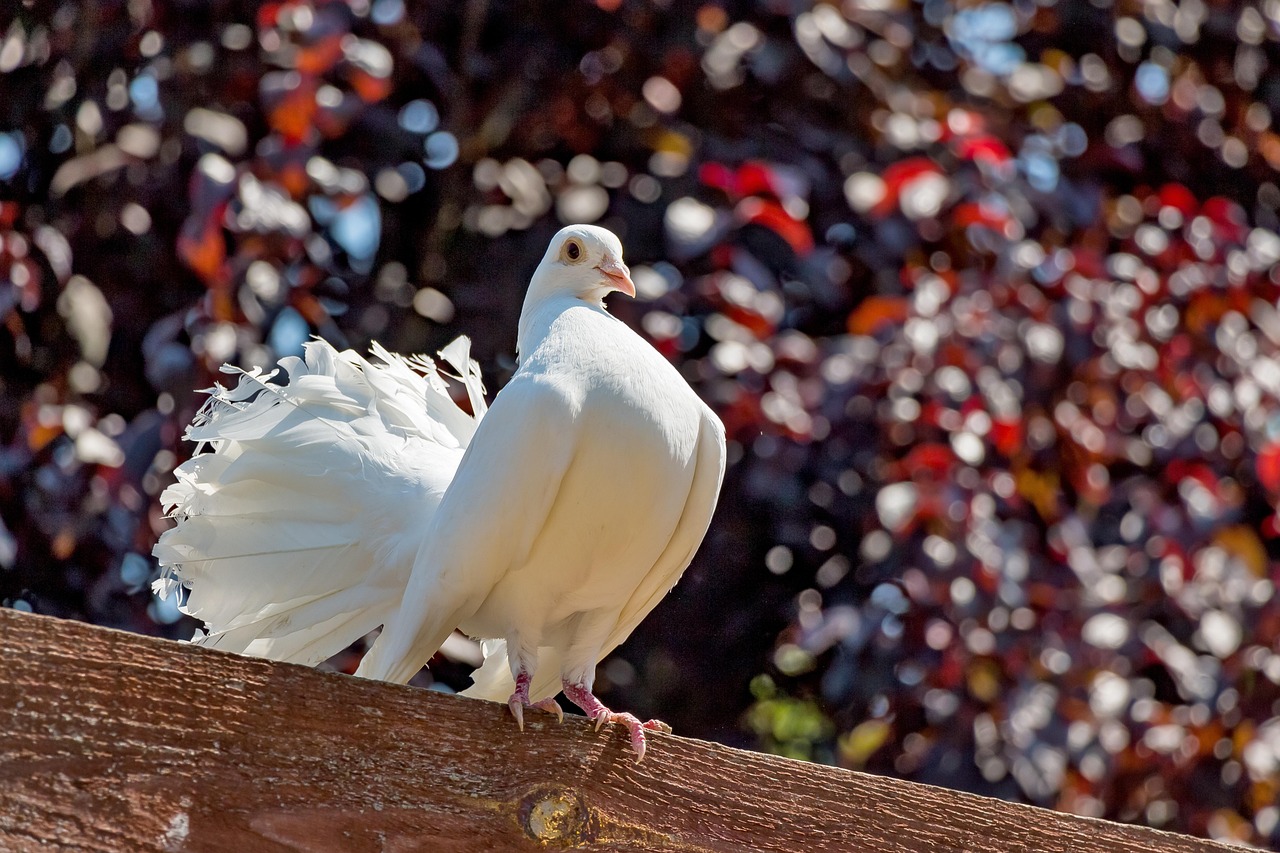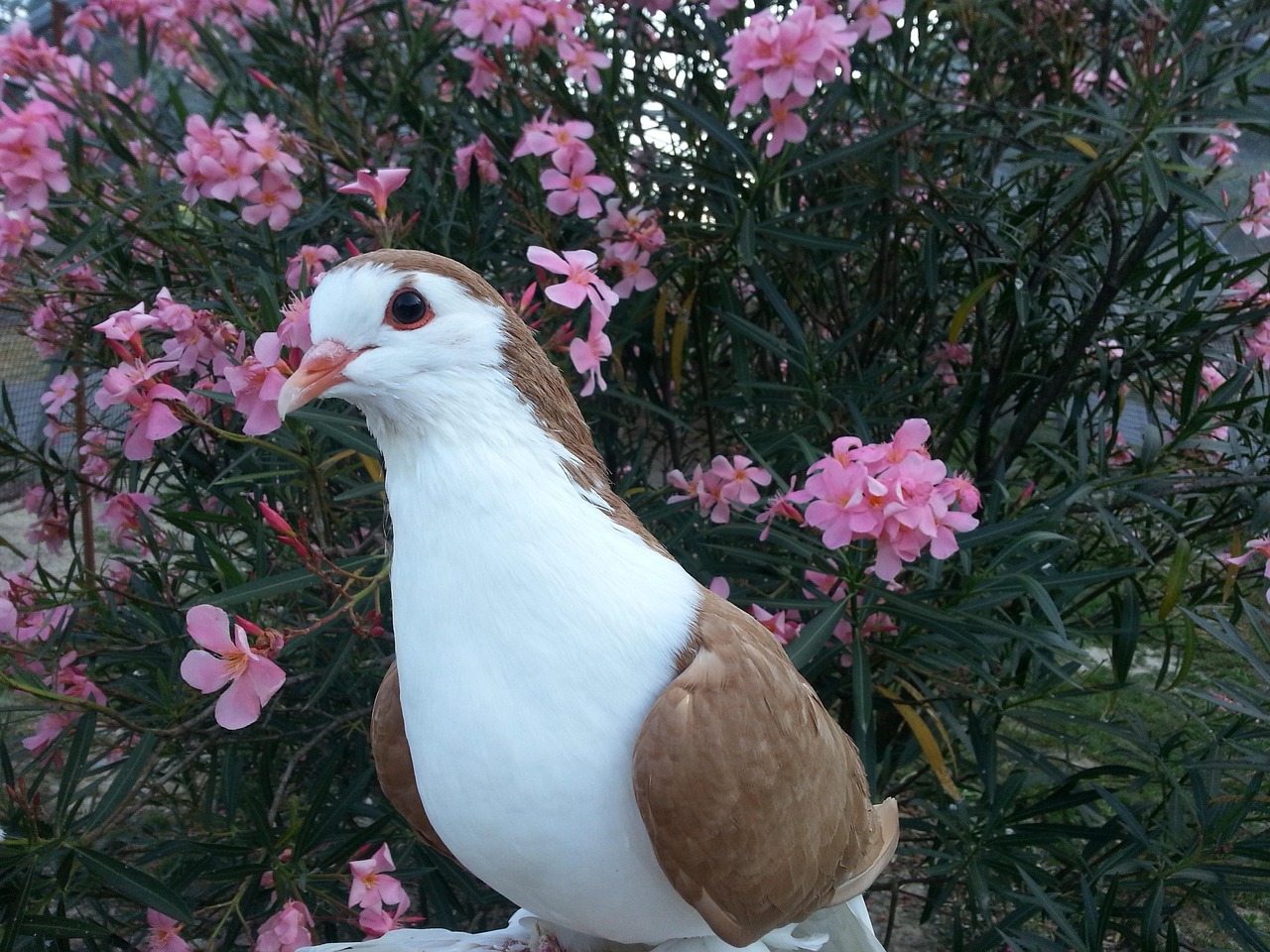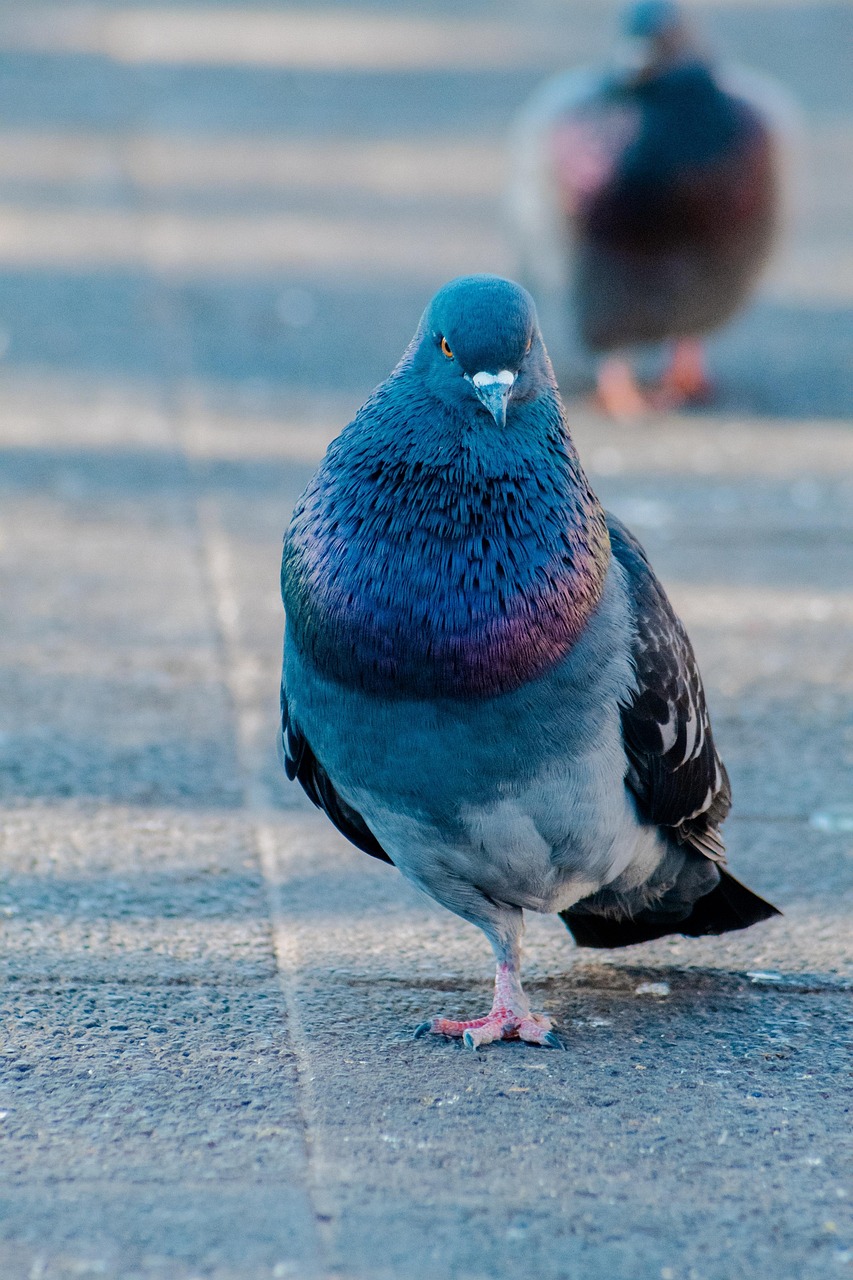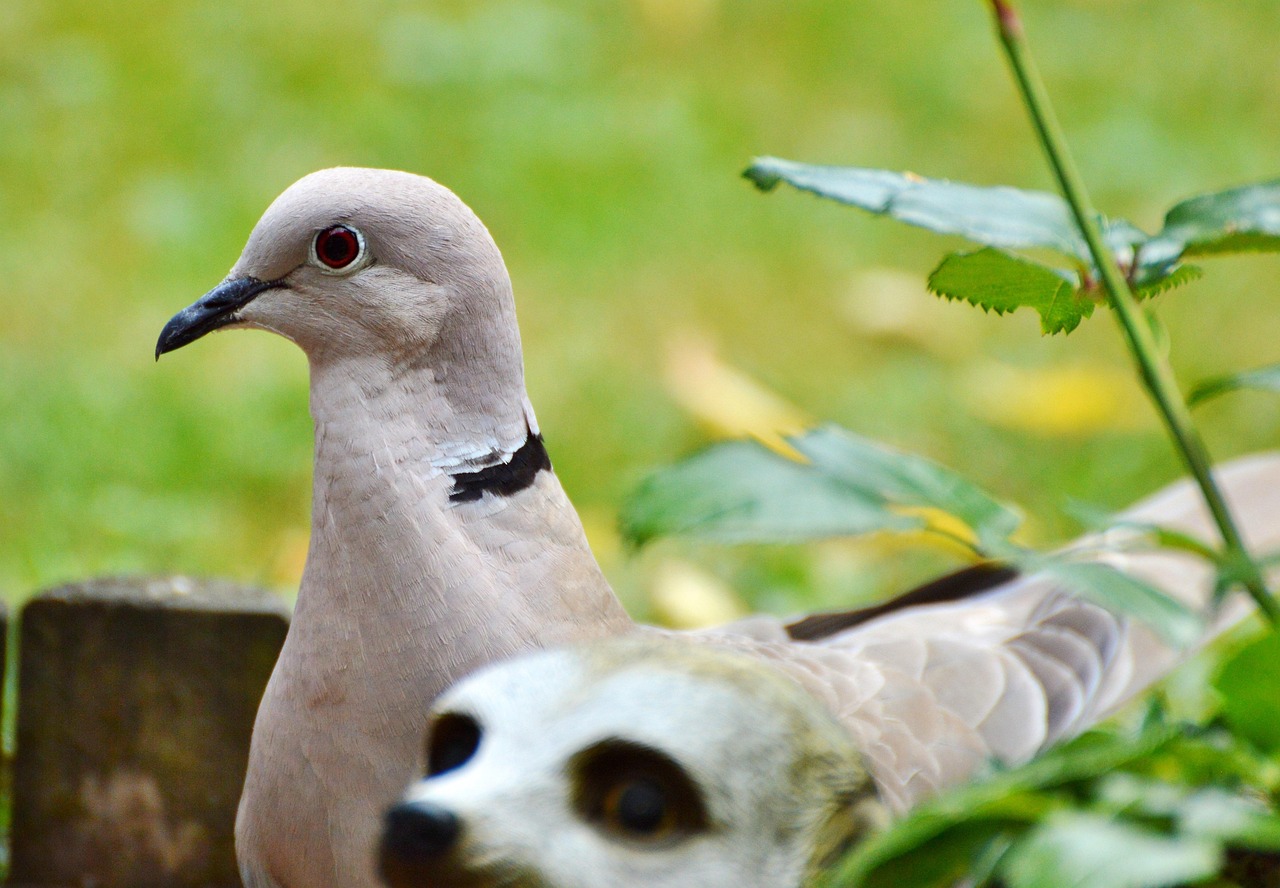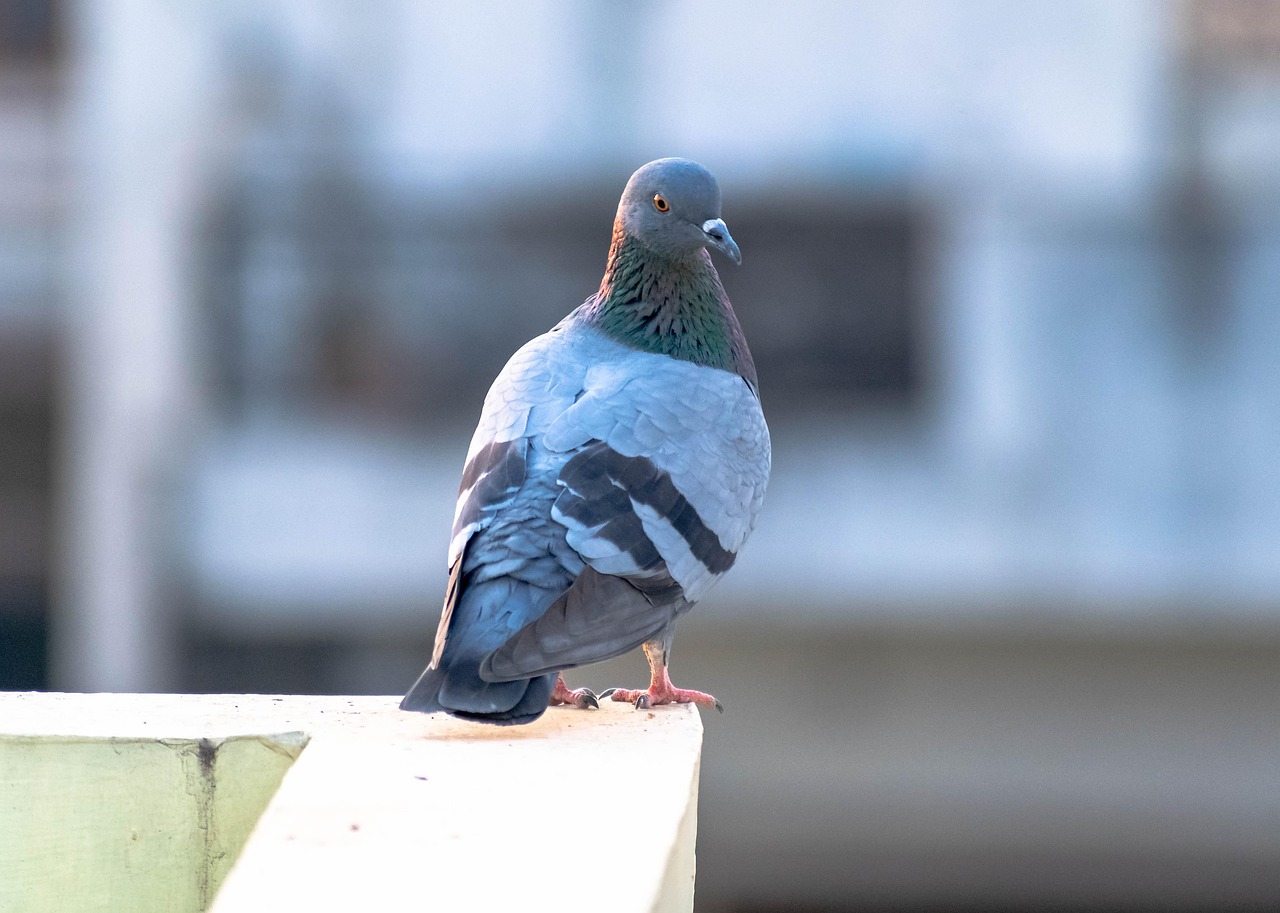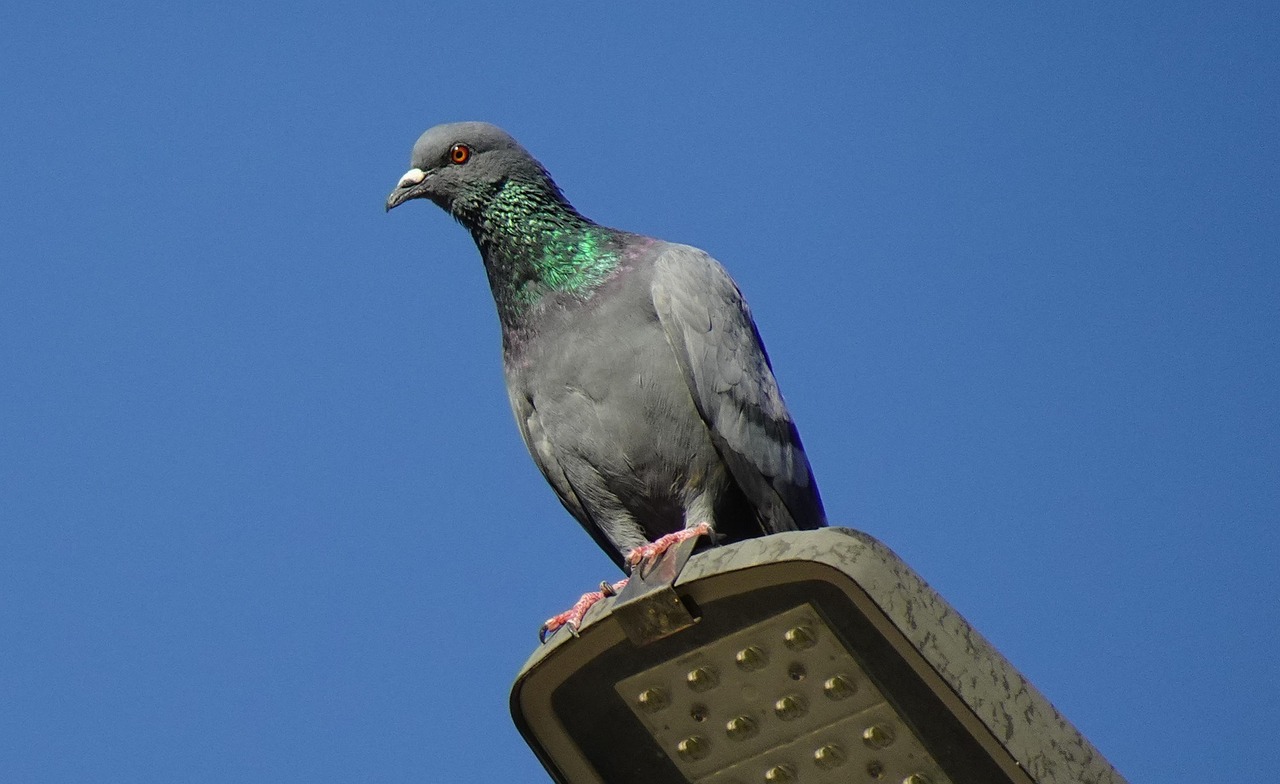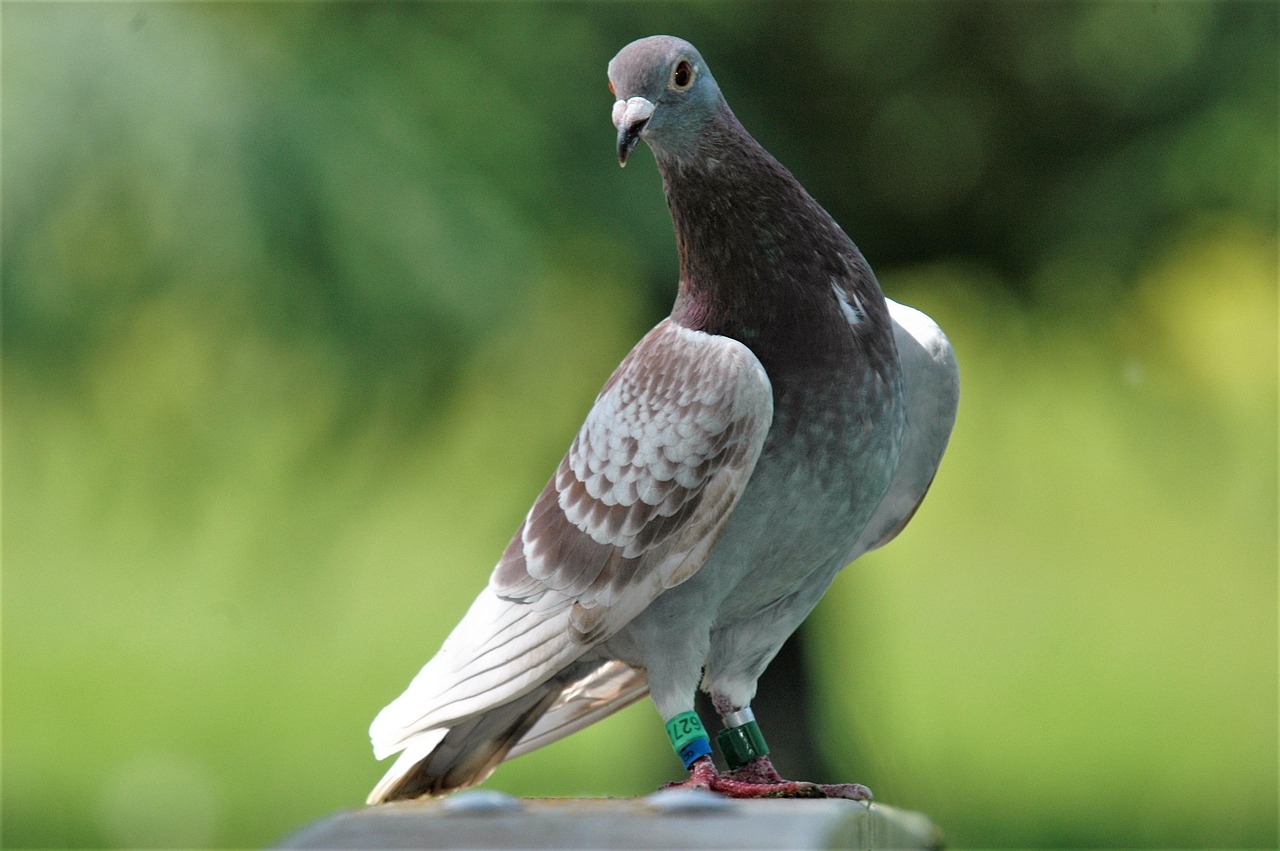
In the world of pigeon shows, a bird's market value is often determined by its visual appeal, making photography a critical skill for enthusiasts. This guide explores how to capture stunning images that highlight your pigeon's best features, enhancing its presentation and boosting its worth. By mastering pigeon photography, you can transform your show entries into compelling visual stories that captivate judges and buyers alike.
The Art of Pigeon Photography: Capturing Beauty and Character
Pigeon photography is more than just taking pictures; it's an art form that requires an understanding of light, composition, and the unique traits of each bird. A well-photographed pigeon can convey its elegance, health, and breed standards, making it stand out in competitive shows. This section delves into the foundational principles that every photographer should master to create impactful images.
Understanding Light and Shadow for Optimal Exposure
Lighting is the cornerstone of effective pigeon photography, as it can accentuate a bird's plumage, eye color, and overall form. Natural light, such as soft morning or late afternoon sun, often works best to avoid harsh shadows and bring out vibrant colors. For indoor shoots, use diffused artificial lighting to create a balanced, flattering effect that highlights the pigeon's features without causing glare or distortion.
Experiment with different angles to see how light interacts with the bird's feathers and structure. Side lighting can emphasize texture and depth, while front lighting ensures even illumination for a clear view. Avoid direct flash, as it can startle the pigeon and create unflattering reflections. By mastering light control, you can produce images that showcase your pigeon in its best possible light, literally and figuratively.
Composition Techniques to Highlight Breed Standards
Composition involves arranging elements within the frame to draw attention to the pigeon's most desirable attributes, such as its posture, feather patterns, and eye cere. Use the rule of thirds to place the bird off-center, creating a dynamic and engaging shot that feels natural. Focus on capturing the pigeon from multiple angles—front, side, and top—to provide a comprehensive view that judges and buyers can appreciate.
Incorporate a clean, uncluttered background to keep the focus solely on the pigeon, using neutral colors like white, gray, or green to complement its plumage. Pay attention to details like the bird's stance and expression, as these can convey health and temperament. By applying these composition techniques, you can create photographs that not only meet show standards but also tell a compelling story about your pigeon's quality.
Essential Equipment for Professional Pigeon Shots
Investing in the right equipment can significantly elevate your pigeon photography, ensuring sharp, high-quality images that stand out in show presentations. From cameras to accessories, this section covers the tools you need to capture your birds with precision and clarity, making your photography process smoother and more effective.
Choosing the Right Camera and Lenses
A DSLR or mirrorless camera with manual settings offers the flexibility needed for pigeon photography, allowing you to adjust aperture, shutter speed, and ISO for optimal results. Pair it with a macro lens for close-up shots that reveal intricate feather details, or a standard zoom lens for versatile framing. Consider a camera with fast autofocus to capture quick movements, as pigeons can be active and unpredictable during shoots.
For beginners, a high-quality smartphone with a good camera can also work, especially when combined with editing apps. However, dedicated cameras provide better control over depth of field and low-light performance. Whichever you choose, practice using your equipment to become familiar with its capabilities, ensuring you can adapt to different shooting conditions and pigeon behaviors.
Accessories to Enhance Your Photography Setup
Beyond the camera, several accessories can improve your pigeon photography experience. A sturdy tripod helps stabilize shots, reducing blur and allowing for consistent framing, especially in low-light situations. Reflectors or softboxes can modify lighting, filling in shadows and creating a more even exposure. Additionally, a remote shutter release minimizes camera shake, enabling you to take sharp images without disturbing the bird.
- Use a bird perch or stand to position the pigeon comfortably and safely during shoots.
- Keep cleaning tools on hand to remove dust or debris from feathers before photographing.
- Consider a portable backdrop for easy setup and consistent backgrounds across multiple sessions.
By equipping yourself with these tools, you can streamline your photography process and produce professional-grade images that enhance your pigeon's show presentation.
Preparing Your Pigeon for a Successful Photoshoot
Preparation is key to a successful pigeon photography session, as a well-groomed and calm bird will result in better images. This section outlines steps to get your pigeon ready, from grooming to handling, ensuring it looks its best and behaves cooperatively during the shoot.
Grooming and Health Checks for Optimal Appearance
Before any photography, groom your pigeon thoroughly to highlight its natural beauty. Clean its feathers with a soft brush or damp cloth, paying attention to areas like the wings and tail where dirt can accumulate. Trim any overgrown nails or beak if necessary, and check for signs of health issues, such as dull eyes or ruffled plumage, that might detract from the photos.
Ensure the pigeon is well-fed and hydrated to maintain its energy and alertness during the shoot. A healthy bird will have brighter colors and a more vibrant presence in images. By prioritizing grooming and health, you not only improve the visual appeal but also demonstrate responsible care, which can positively influence market value.
Handling and Calming Techniques for Cooperative Shoots
Pigeons can be skittish, so gentle handling is essential to keep them calm and cooperative. Spend time acclimating the bird to the photography environment beforehand, using treats or familiar perches to reduce stress. During the shoot, move slowly and avoid sudden noises or movements that might startle it. Have an assistant help if needed, to position the bird or manage lighting while you focus on capturing shots.
If the pigeon becomes agitated, take breaks to allow it to relax, as forced sessions can lead to poor images and harm the bird's well-being. By practicing patience and using positive reinforcement, you can create a comfortable atmosphere that yields natural, expressive photographs. This approach not only benefits the photography but also strengthens your bond with the pigeon, reflecting in its confident presentation.
Advanced Techniques for Show-Stopping Presentation
To truly elevate your pigeon's market value, incorporate advanced photography techniques that go beyond basic shots. This section explores creative methods for capturing dynamic images, editing for enhancement, and integrating photos into show presentations for maximum impact.
Capturing Action and Personality in Dynamic Shots
While posed shots are important, action photos can showcase a pigeon's vitality and unique personality, making it more appealing to judges and buyers. Use a fast shutter speed to freeze moments like flight, feeding, or interaction with other birds. Experiment with different perspectives, such as low-angle shots to emphasize power or overhead views to display wing patterns.
Encourage natural behaviors by setting up a familiar environment, like a loft or aviary, where the pigeon feels at ease. Capture candid moments that reveal its character, such as curious pecking or graceful movements. These dynamic images add depth to your presentation, telling a fuller story about the pigeon's qualities and potential.
Editing and Post-Processing for Professional Polish
Post-processing can enhance your pigeon photography by correcting minor flaws and emphasizing key features. Use editing software to adjust brightness, contrast, and color saturation, ensuring the images accurately represent the bird's appearance. Crop photos to improve composition, and remove distractions like background clutter or minor blemishes without altering the pigeon's natural look.
- Always keep edits subtle to maintain authenticity and avoid misleading representations.
- Save images in high-resolution formats for print and digital use in show catalogs or online listings.
- Create a consistent editing style across all photos to build a cohesive portfolio for your pigeons.
By mastering these editing techniques, you can produce polished images that stand out in competitive shows, reinforcing your pigeon's value through professional presentation.
Integrating Photography into Your Show Strategy
Photography should be an integral part of your overall show presentation strategy, not just an afterthought. This section discusses how to use your images effectively in show entries, marketing materials, and online platforms to maximize exposure and increase market value.
Creating Compelling Show Entries with Visual Impact
When submitting pigeons for shows, include high-quality photographs that highlight their best attributes, as judges often rely on visuals for initial assessments. Organize your images in a logical sequence, starting with full-body shots and moving to close-ups of specific features like eyes or feather patterns. Provide brief captions that explain key points, such as breed standards or unique traits, to guide the viewer's attention.
Consider creating a digital portfolio or photo book that showcases your pigeons across different shows, demonstrating consistency and improvement over time. This not only aids in judging but also serves as a valuable record for your breeding program. By prioritizing visual impact in show entries, you can increase your chances of recognition and higher valuations.
Leveraging Online Platforms for Broader Reach
In today's digital age, online platforms offer powerful tools for promoting your pigeons and enhancing their market value. Share your photographs on social media, breed-specific forums, and websites to reach a wider audience of enthusiasts and potential buyers. Use keywords like "pigeon photography" and "show presentation" in your posts to improve search visibility and attract interested parties.
Engage with the community by sharing behind-the-scenes stories or tips, building your reputation as an expert. For streamlined management of your pigeon-related activities, consider using tools like Ghawy – Pigeon Manager (غاوي – إدارة الحمام), which can help organize photos, track show results, and connect with other enthusiasts. By integrating photography into your online strategy, you can amplify your pigeon's appeal and drive higher market demand.
Conclusion
Mastering pigeon photography is a transformative skill that can significantly elevate your bird's show presentation and market value. By focusing on techniques like lighting, composition, and preparation, you create images that capture beauty and character. Integrating these photos into show entries and online platforms amplifies their impact, helping you stand out in competitive circles. Embrace these strategies to showcase your pigeons with confidence and professionalism, ultimately boosting their worth and your success in the hobby.