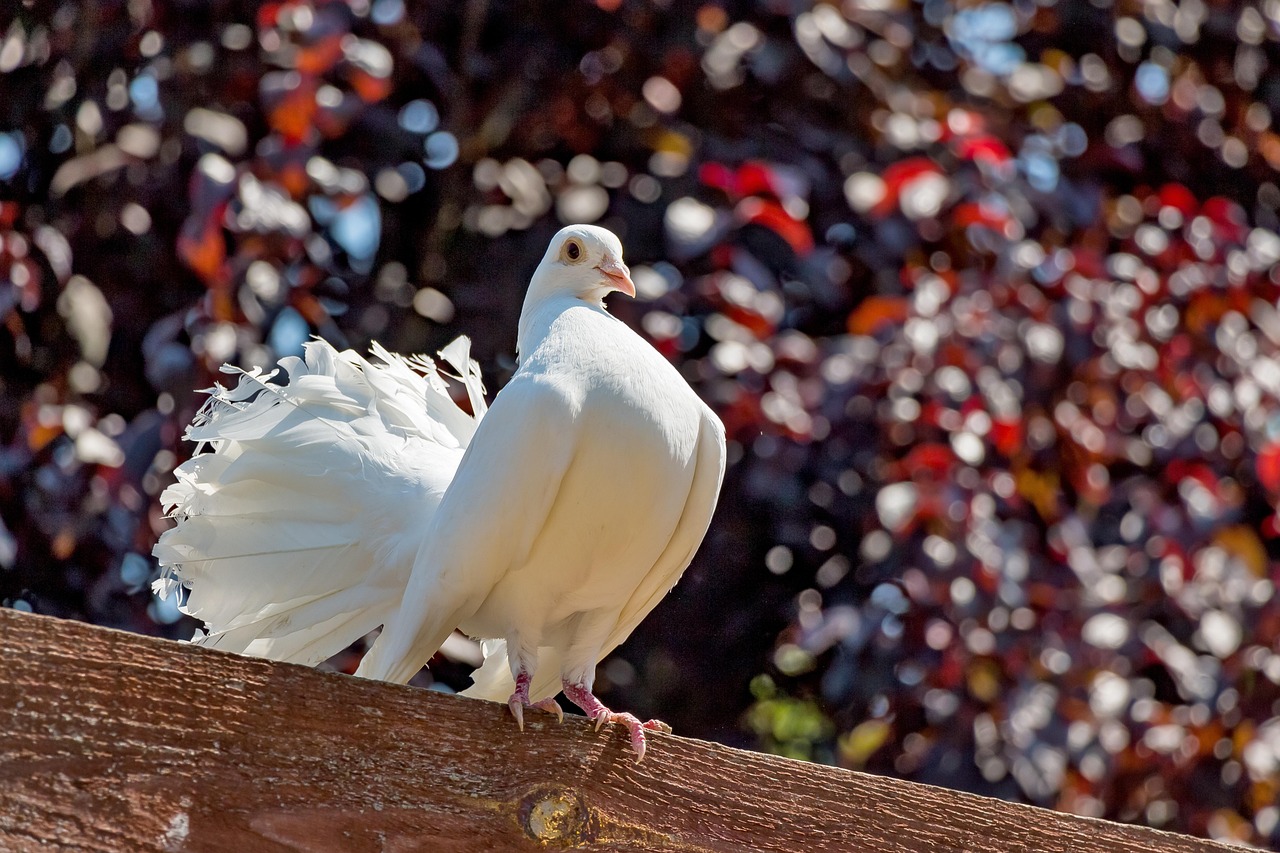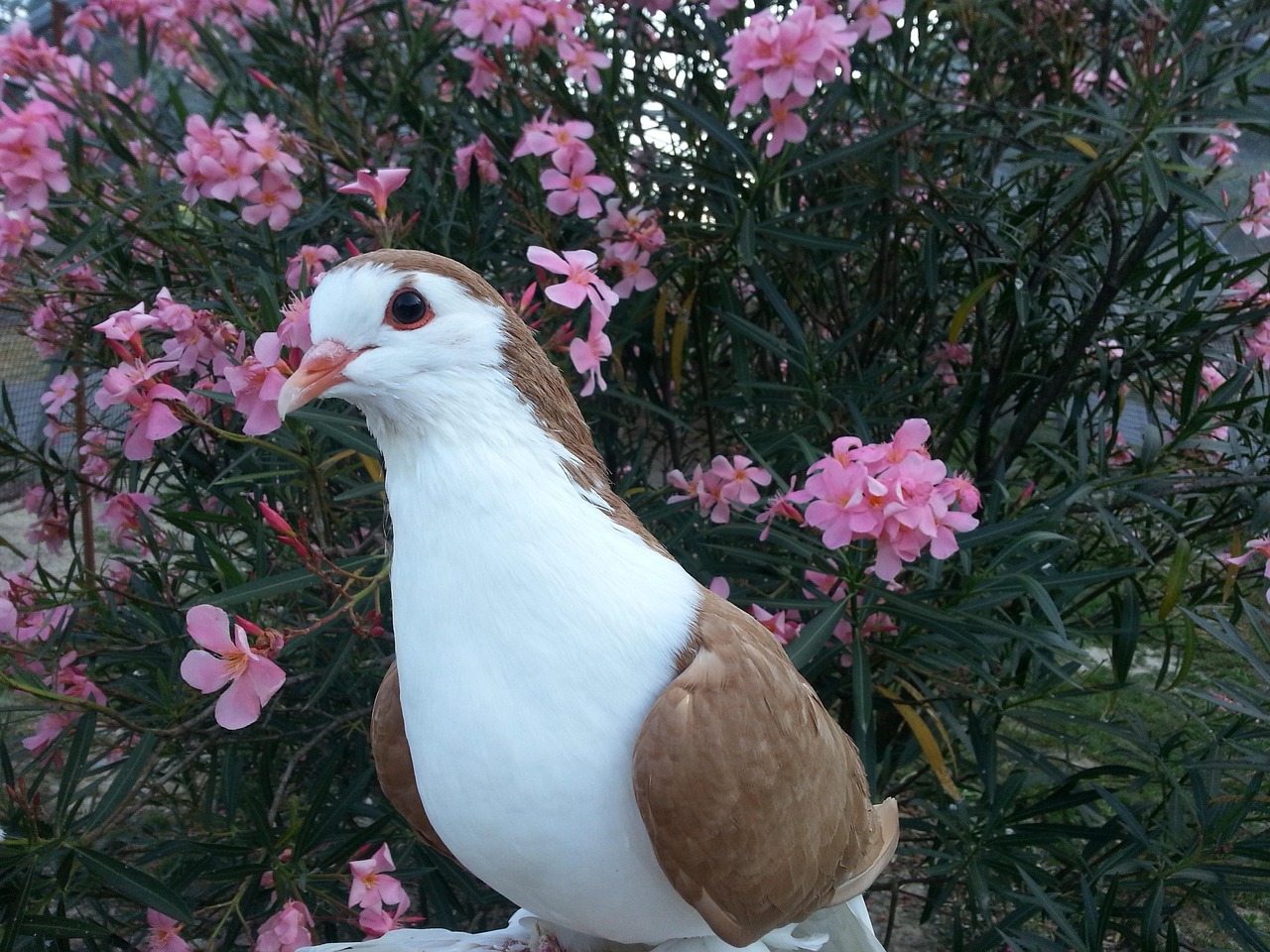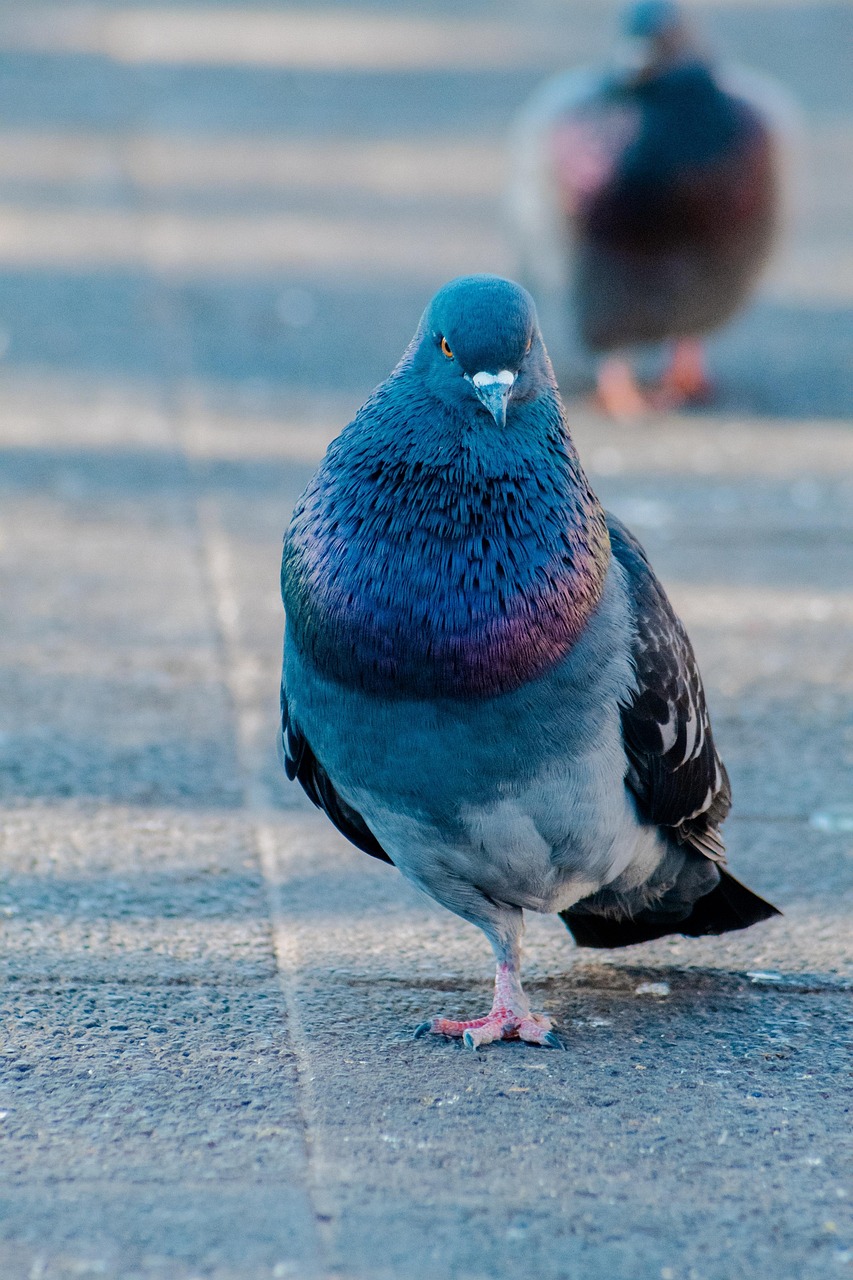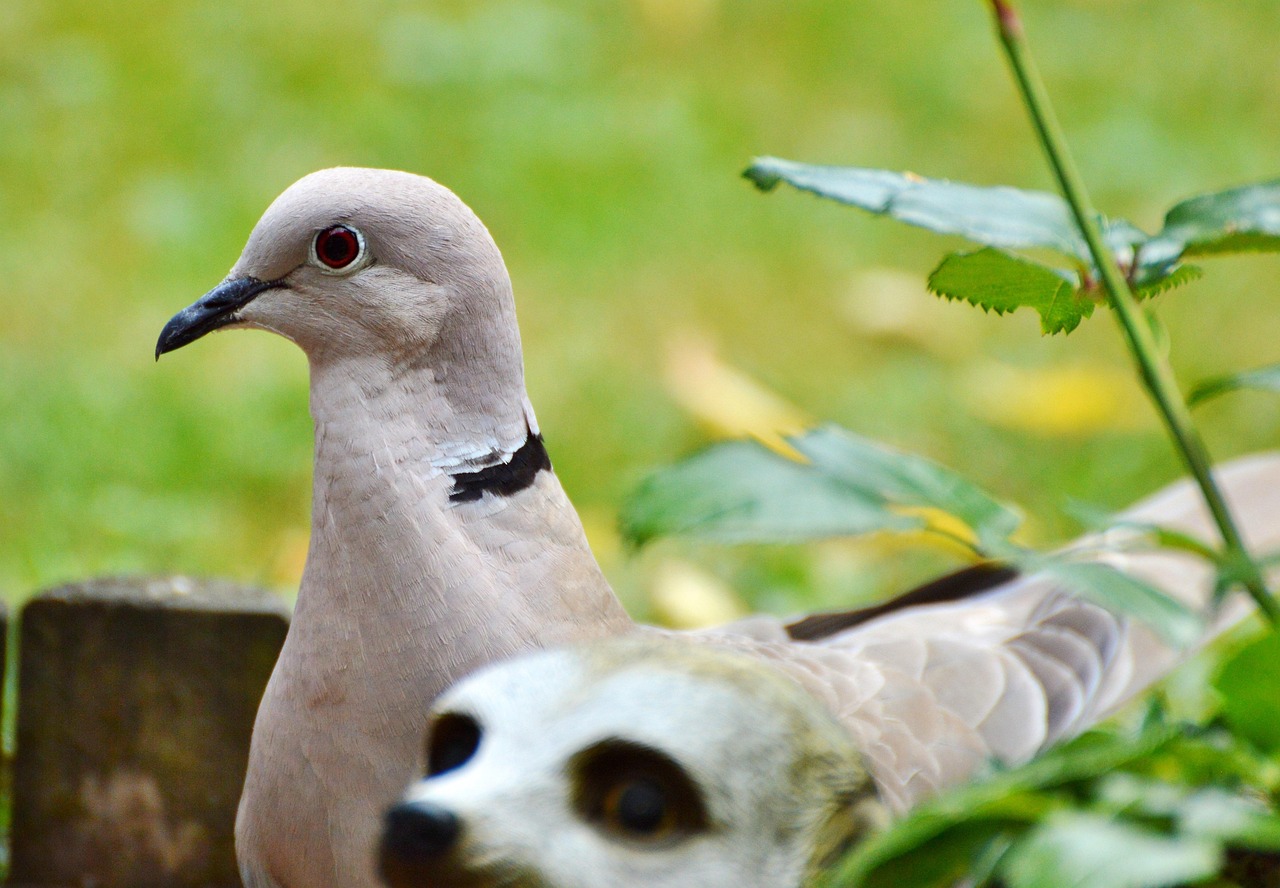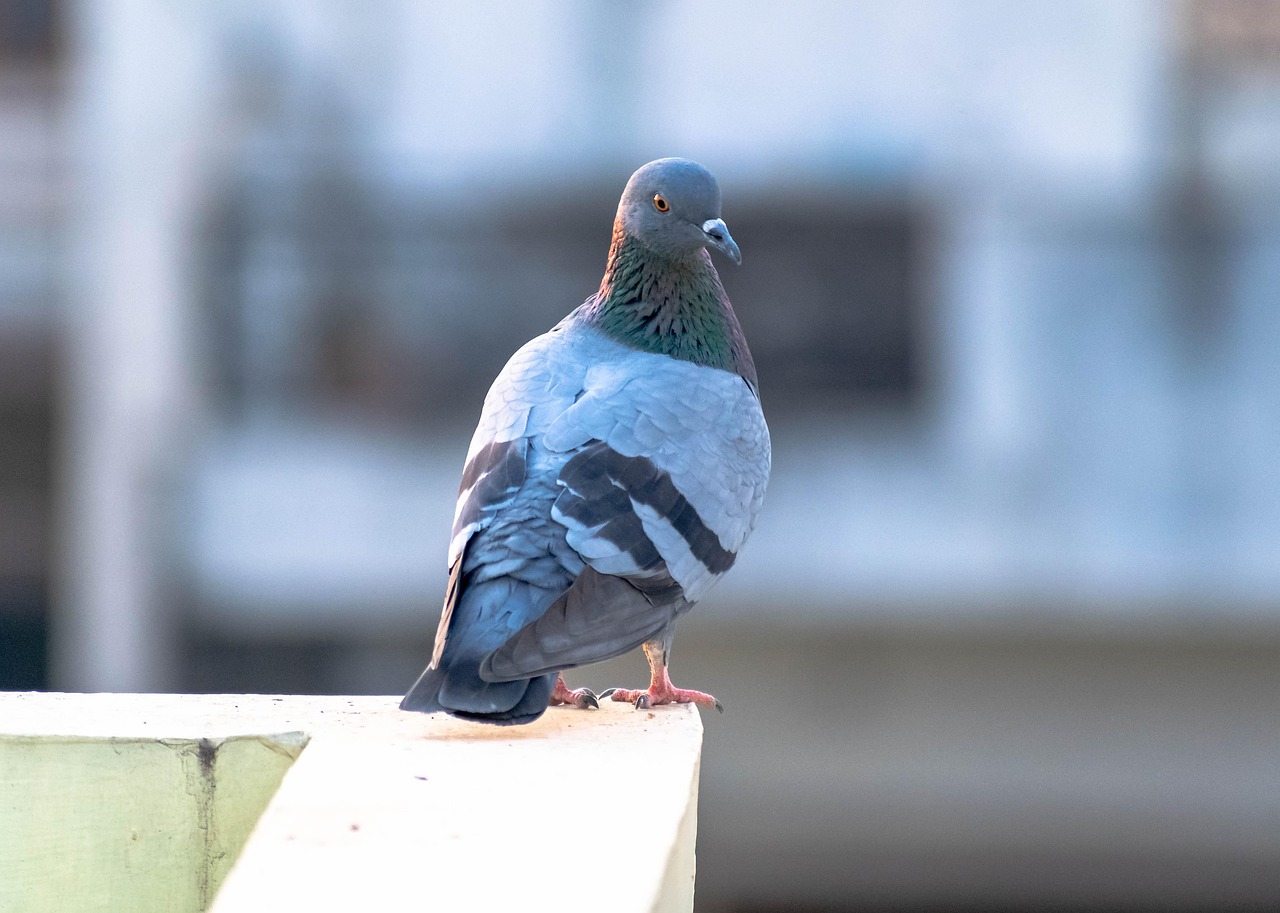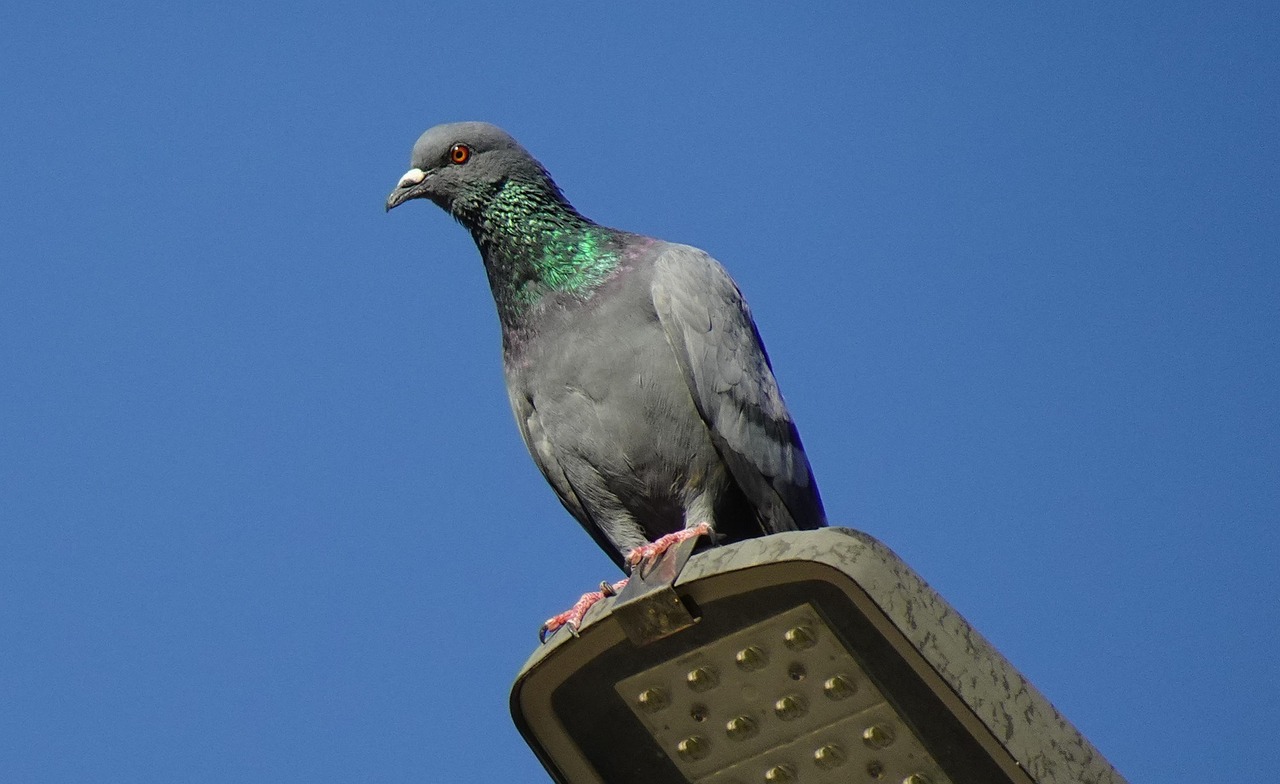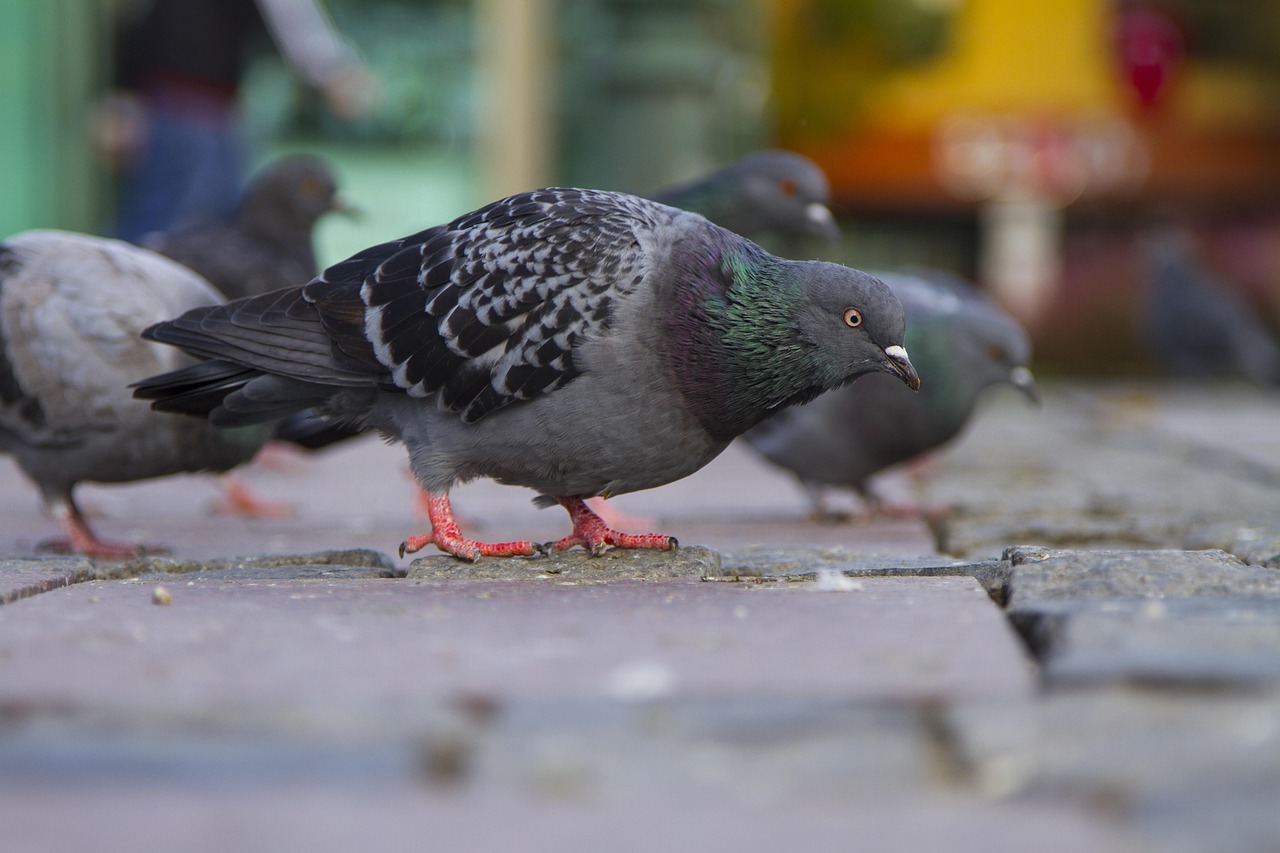
In the competitive world of pigeon shows, a bird's market value is often determined not just by its genetics and health, but by how it is presented to judges and buyers. This guide delves into the art of pigeon photography, a crucial tool for enhancing show presentation and boosting your pigeon's appeal. By mastering these techniques, you can capture your bird's best angles, highlight its unique features, and create compelling visuals that stand out in exhibitions and online listings.
The Art of Pigeon Photography: Capturing Your Bird's Essence
Pigeon photography is more than just taking pictures; it's about telling a story of beauty, strength, and pedigree through visuals. In shows, where first impressions are everything, high-quality photos can make your pigeon appear more vibrant and desirable. This section explores why photography is a game-changer in show presentation, setting the stage for detailed techniques to follow.
Why Photography Matters in Show Presentation
In pigeon shows, judges and potential buyers often rely on photos to assess birds before seeing them in person. A well-photographed pigeon can convey its condition, color, and conformation more effectively than a written description. For instance, a photo that captures the iridescence of feathers or the alertness in the eyes can suggest superior health and breeding. This visual appeal directly influences market value, as buyers are willing to pay more for birds that look exceptional in images. By investing time in pigeon photography, you're not just documenting your bird; you're marketing it as a premium product. This approach aligns with modern show trends, where digital portfolios are becoming standard for top breeders.
Moreover, photography allows you to showcase your pigeon's best traits consistently. Unlike live shows, where a bird might be nervous or tired, photos can be taken in controlled settings to highlight its peak condition. This consistency builds trust with buyers, who appreciate transparency and quality. In the context of show presentation, think of photography as your secret weapon—it levels the playing field, allowing even smaller breeders to compete with established names by presenting their birds in the best light. As you refine your skills, you'll find that pigeon photography becomes an integral part of your breeding strategy, enhancing both reputation and sales.
Essential Equipment for Professional Pigeon Shots
To excel in pigeon photography, you don't need the most expensive gear, but having the right tools can make a significant difference. Start with a DSLR or mirrorless camera that allows manual control over settings like aperture and shutter speed. A lens with a focal length of 50mm to 100mm is ideal, as it provides a natural perspective without distortion, perfect for capturing details like feather patterns and eye color. For show presentation, consider using a tripod to ensure sharp, stable images, especially in low-light conditions common at indoor exhibitions. Lighting is crucial; natural light from a window can work wonders, but for consistency, invest in softbox lights or reflectors to eliminate harsh shadows and highlight your pigeon's features.
In addition to cameras and lights, props and backdrops play a key role in enhancing show presentation. Use neutral-colored backgrounds, such as white or gray, to make your pigeon stand out without distractions. Simple perches or platforms can help position the bird naturally, showcasing its posture and balance. For action shots, which are great for demonstrating vitality, a fast shutter speed is essential to freeze motion without blur. Remember, the goal is to create images that look professional yet authentic, reflecting the bird's true character. As you practice, you'll learn to adjust equipment settings based on your pigeon's color and size, ensuring every photo contributes to a compelling show portfolio.
Techniques for Stunning Pigeon Photography
Mastering pigeon photography involves a blend of technical skills and artistic vision. This section breaks down practical techniques to help you capture images that elevate your show presentation, from composition to post-processing. By applying these methods, you can turn ordinary photos into powerful marketing tools.
Composition and Angles for Maximum Impact
Composition is the foundation of effective pigeon photography, as it guides the viewer's eye to the most important aspects of your bird. Use the rule of thirds by placing your pigeon off-center in the frame, creating a dynamic and engaging image. For show presentation, focus on capturing multiple angles: a front view to display symmetry, a side view to highlight body conformation, and a top view to show wing span and feather detail. Close-up shots of the head, eyes, and feet can reveal subtle traits that judges look for, such as clarity in the eye cere or strength in the legs. Experiment with different heights, shooting from bird's eye level to create an intimate connection, or from below to emphasize grandeur.
When composing shots for pigeon photography, pay attention to the background and foreground to avoid clutter. A clean, uncluttered environment ensures that your bird remains the focal point, which is critical for show presentation where distractions can lower perceived value. Use leading lines, such as perches or natural elements, to draw attention to your pigeon's best features. For example, a diagonal perch can accentuate the bird's posture, making it look more alert and poised. In action shots, capture moments of flight or feeding to demonstrate vitality, but ensure the composition remains balanced. By practicing these techniques, you'll develop an eye for what makes a photo stand out in competitive shows, ultimately boosting your pigeon's market appeal through superior visual storytelling.
Lighting and Color Management in Pigeon Shots
Lighting is perhaps the most critical element in pigeon photography, as it affects color accuracy, texture, and overall mood. For show presentation, aim for soft, diffused light that evenly illuminates your bird without creating harsh shadows. Natural light during golden hour—shortly after sunrise or before sunset—can produce warm, flattering tones that enhance feather colors. If shooting indoors, use artificial lights with diffusers to mimic this effect, avoiding direct flashes that can cause red-eye or washed-out colors. Adjust white balance settings on your camera to ensure colors are true to life, which is essential for breeds with specific color standards in shows.
Color management goes hand-in-hand with lighting in pigeon photography. Different breeds have unique color patterns, and capturing them accurately can make or break a show presentation. For instance, iridescent feathers in breeds like Tumblers require careful lighting to showcase their shimmer without overexposure. Use color correction tools in post-processing to fine-tune hues, but avoid over-editing that makes the bird look unnatural. Consistency across photos is key; if you're creating a portfolio for a show, ensure all images have similar lighting and color tones to present a cohesive story. By mastering these aspects, you'll produce photos that not only look professional but also faithfully represent your pigeon's attributes, increasing trust and value among judges and buyers.
Show Presentation Strategies Through Photography
Beyond taking great photos, using them effectively in show presentation can amplify your pigeon's market value. This section covers how to integrate photography into your overall strategy, from creating portfolios to leveraging digital platforms. By adopting these approaches, you'll turn visual assets into competitive advantages.
Building a Compelling Show Portfolio
A show portfolio is more than a collection of photos; it's a curated presentation of your pigeon's best qualities. Start by selecting images that cover all essential aspects: conformation, color, health, and behavior. For pigeon photography, include a mix of static poses and action shots to demonstrate versatility. Organize the portfolio logically, perhaps starting with an overview shot, followed by detailed close-ups, and ending with a strong concluding image. In show presentation, this portfolio serves as a visual resume, making it easy for judges to assess your bird quickly and favorably. Use high-resolution images that can be zoomed in for detail, as this shows confidence in your pigeon's attributes.
To enhance your show portfolio, add brief captions that highlight key features, such as "excellent feather condition" or "award-winning lineage." This contextual information complements the pigeon photography, providing judges with insights beyond the visual. For digital shows or online listings, consider creating a video slideshow with music or narration to engage viewers. Consistency in style—like using the same background or lighting setup—adds a professional touch that elevates your presentation. Remember, the goal is to tell a cohesive story that showcases your pigeon as a top contender. By investing time in building a strong portfolio, you're not just preparing for one show; you're creating a reusable asset that can boost market value across multiple events and sales channels.
Leveraging Digital Platforms for Enhanced Visibility
In today's digital age, show presentation extends beyond physical exhibitions to online platforms where photography plays a central role. Share your pigeon photography on social media, breed-specific forums, and websites to reach a wider audience. Use keywords like "pigeon photography" and "show presentation" in your posts to improve searchability and attract enthusiasts. High-quality images can go viral, increasing your pigeon's fame and, consequently, its market value. For instance, a stunning photo shared on Instagram might catch the eye of a judge or buyer from another region, opening up new opportunities. Engage with the community by participating in photo contests or featuring your birds in online galleries, which can further enhance credibility.
When leveraging digital platforms, consistency is crucial for effective show presentation. Update your profiles regularly with new photos and achievements, keeping your audience engaged and informed. Use analytics tools to track which images perform best, then refine your pigeon photography techniques based on feedback. For sales, include professional photos in listings on marketplaces or your own website, as they can justify higher prices by demonstrating quality. Additionally, consider creating blog posts or articles that share your photography tips, positioning yourself as an expert in the field. This not only boosts your pigeon's visibility but also builds a personal brand that adds value to your birds. By integrating digital strategies, you transform photography from a hobby into a powerful marketing tool that drives success in shows and beyond.
Advanced Tips for Elevating Your Pigeon's Market Value
To truly stand out in competitive shows, go beyond basic photography and presentation techniques. This section explores advanced strategies that can give you an edge, from storytelling to innovation. By implementing these ideas, you'll not only improve your pigeon photography but also create a lasting impression that commands higher prices.
Storytelling Through Visuals in Show Presentation
Storytelling is a powerful tool in pigeon photography, as it connects emotionally with judges and buyers, making your bird more memorable. Instead of just showing a photo, craft a narrative around your pigeon's journey—perhaps its breeding history, training regimen, or unique personality traits. For example, a series of images documenting its growth from chick to show-ready adult can illustrate dedication and quality. In show presentation, use captions or accompanying text to weave this story, highlighting how each photo contributes to the overall tale. This approach not only showcases your pigeon's physical attributes but also its character, which can be a deciding factor in competitions where judges look for well-rounded birds.
To enhance storytelling in your pigeon photography, consider thematic shoots that align with show themes or seasons. For instance, a winter-themed photo shoot with snow in the background can emphasize hardiness in cold-weather breeds. Action sequences, like a pigeon in flight against a sunset, can symbolize freedom and strength, appealing to buyers seeking dynamic birds. Incorporate props that reflect your pigeon's breed or origin, adding depth to the visual story. By focusing on narrative, you transform simple photos into engaging content that stands out in crowded shows. This emotional connection can significantly boost market value, as buyers often pay more for birds with compelling backgrounds. As you develop this skill, you'll find that storytelling becomes an integral part of your show presentation, setting you apart from competitors who rely solely on technical shots.
Innovating with Technology in Pigeon Photography
Embracing technology can take your pigeon photography to new heights, offering innovative ways to enhance show presentation. Drones, for instance, allow for aerial shots that capture your pigeon in its environment, providing a unique perspective that highlights scale and movement. 360-degree cameras can create immersive virtual tours of your loft, giving judges and buyers a comprehensive view without being physically present. In show presentation, these technologies demonstrate forward-thinking and professionalism, suggesting that you invest in the best tools for your birds. Use editing software like Adobe Lightroom or Photoshop to fine-tune images, but always maintain authenticity to avoid misleading representations.
Another technological advancement in pigeon photography is the use of augmented reality (AR) or virtual reality (VR) to create interactive experiences. Imagine a show where judges can view a 3D model of your pigeon, rotating it to examine every angle—this level of detail can impress and inform better than static photos. For online shows, integrate these elements into your digital portfolio to engage viewers longer. Additionally, consider using AI tools to analyze your photos for consistency and quality, ensuring every image meets high standards. By innovating with technology, you not only improve your photography skills but also position yourself as a leader in the field. This can directly increase your pigeon's market value, as buyers associate technological savvy with superior breeding and care. As you explore these options, remember that the goal is to enhance, not replace, the core principles of show presentation, using technology as a complement to your artistic vision.
Conclusion
Mastering pigeon photography is essential for elevating your bird's show presentation and market value. By focusing on techniques like composition, lighting, and storytelling, you can create compelling visuals that capture judges' attention and justify higher prices. Remember, consistency and innovation are key—whether through traditional shots or advanced technology. As you apply these insights, consider using tools like Ghawy – Pigeon Manager (غاوي – إدارة الحمام) to streamline your breeding and presentation efforts, ensuring every aspect of your pigeon's journey is optimized for success. Start today, and watch your birds shine in shows and beyond.