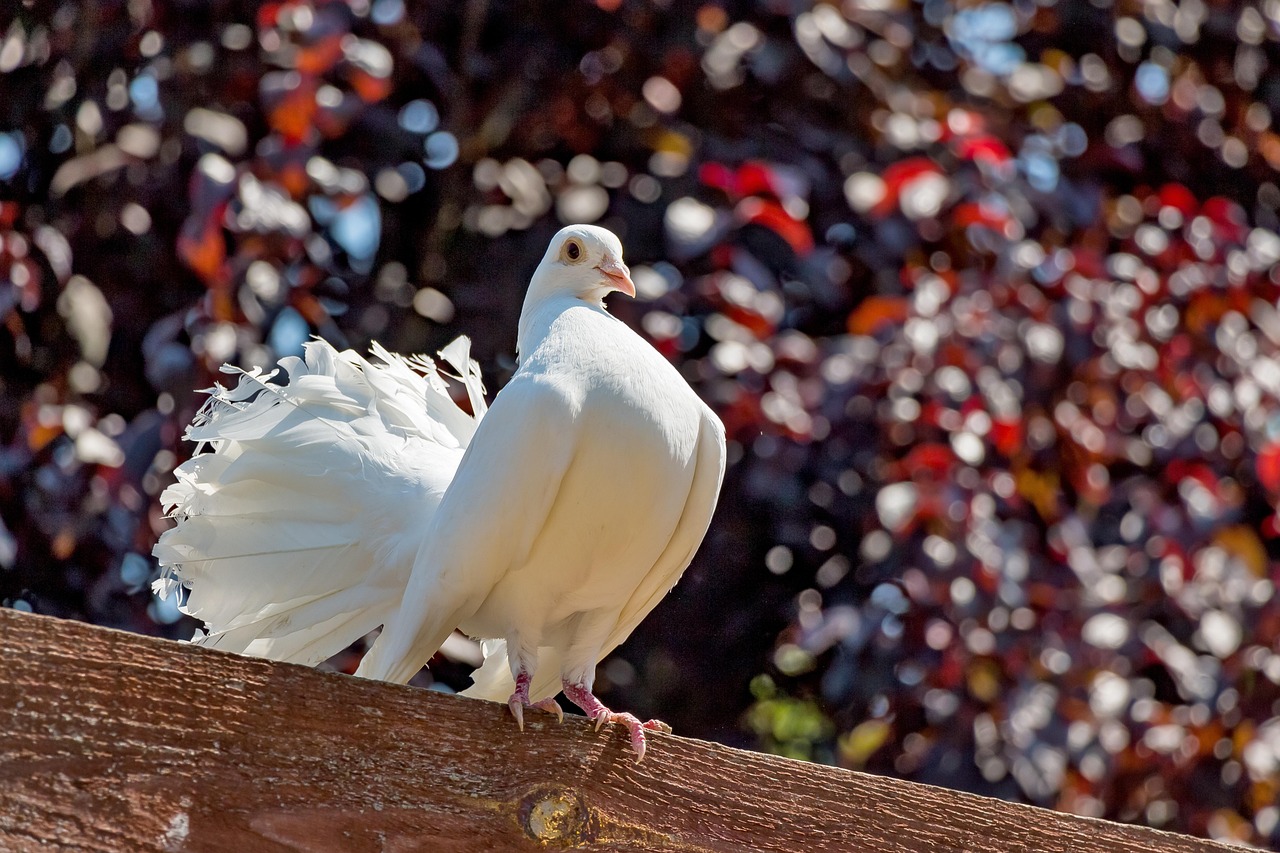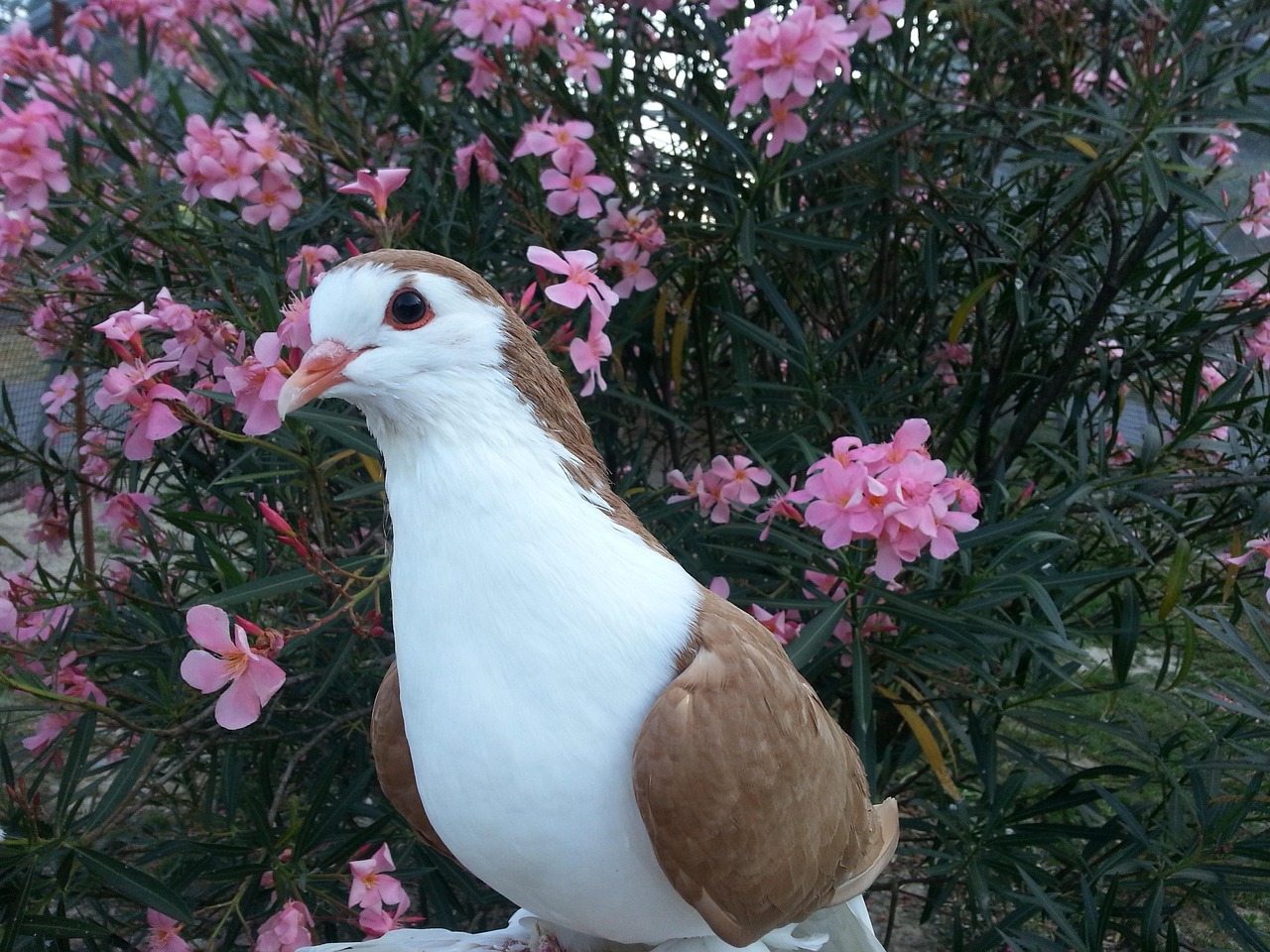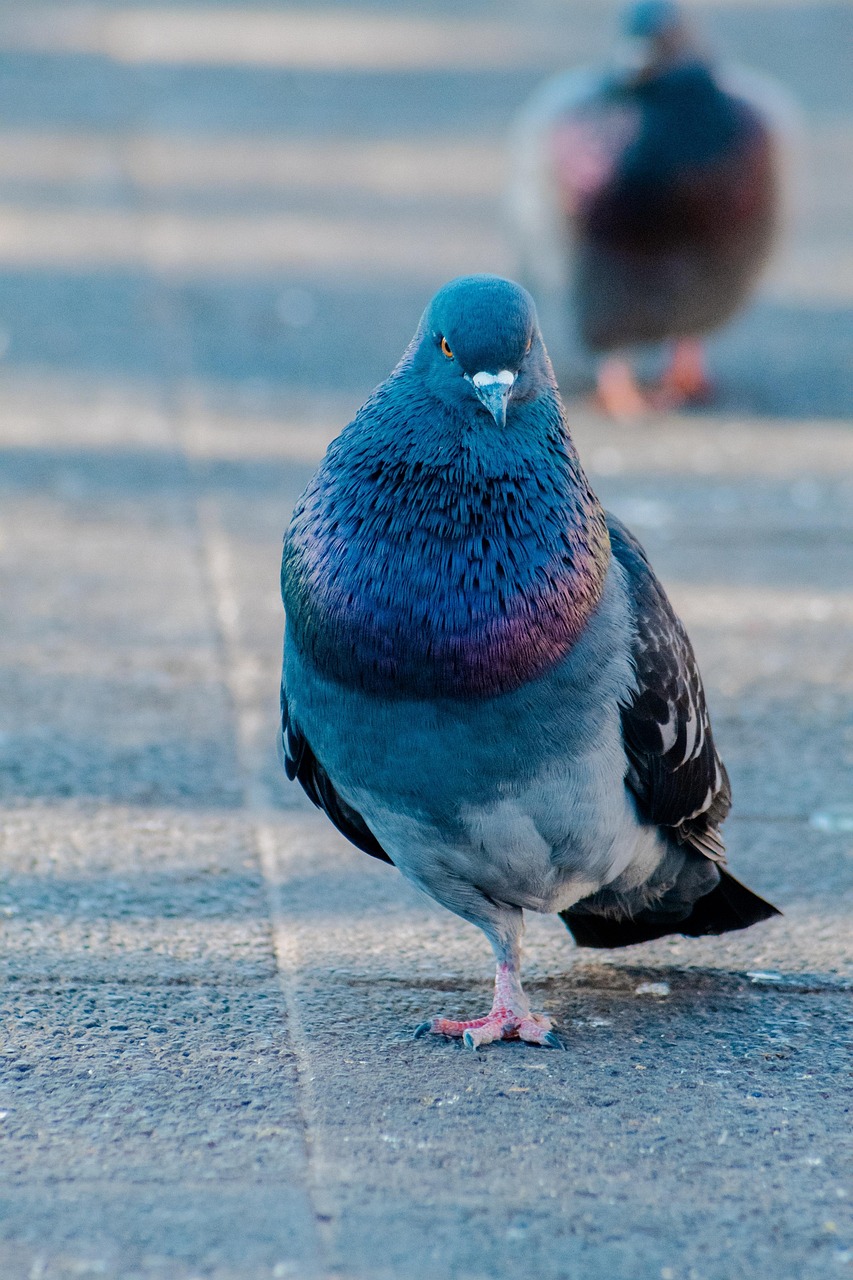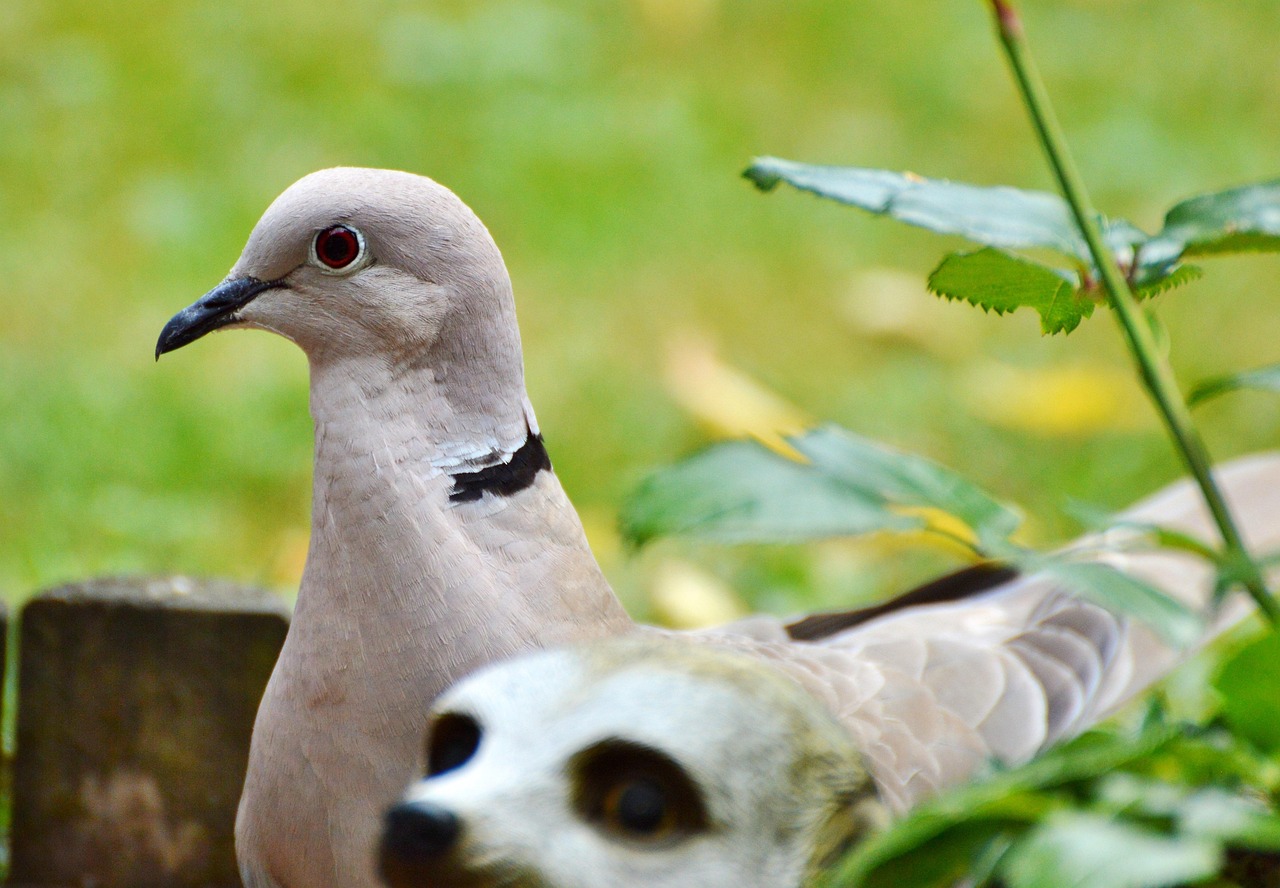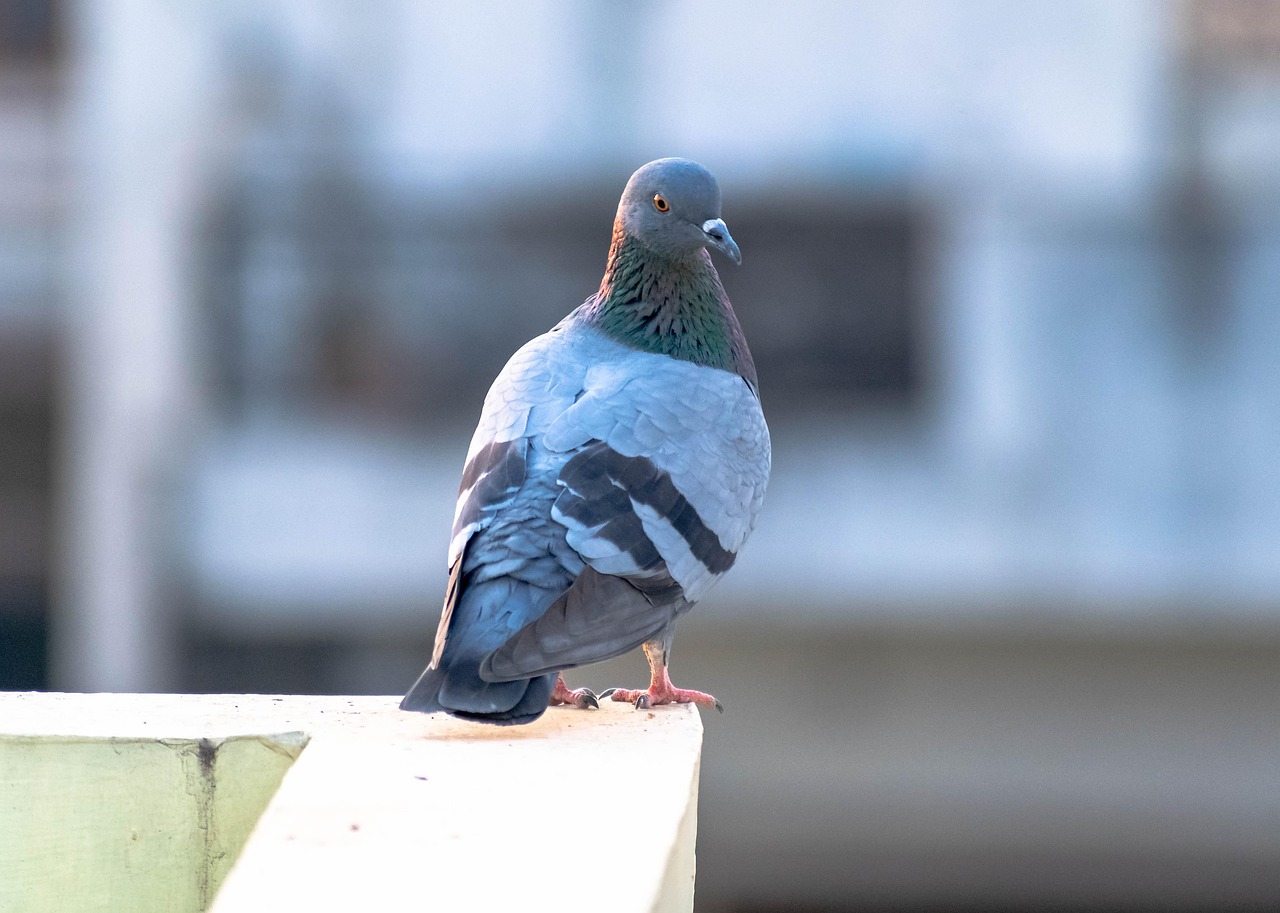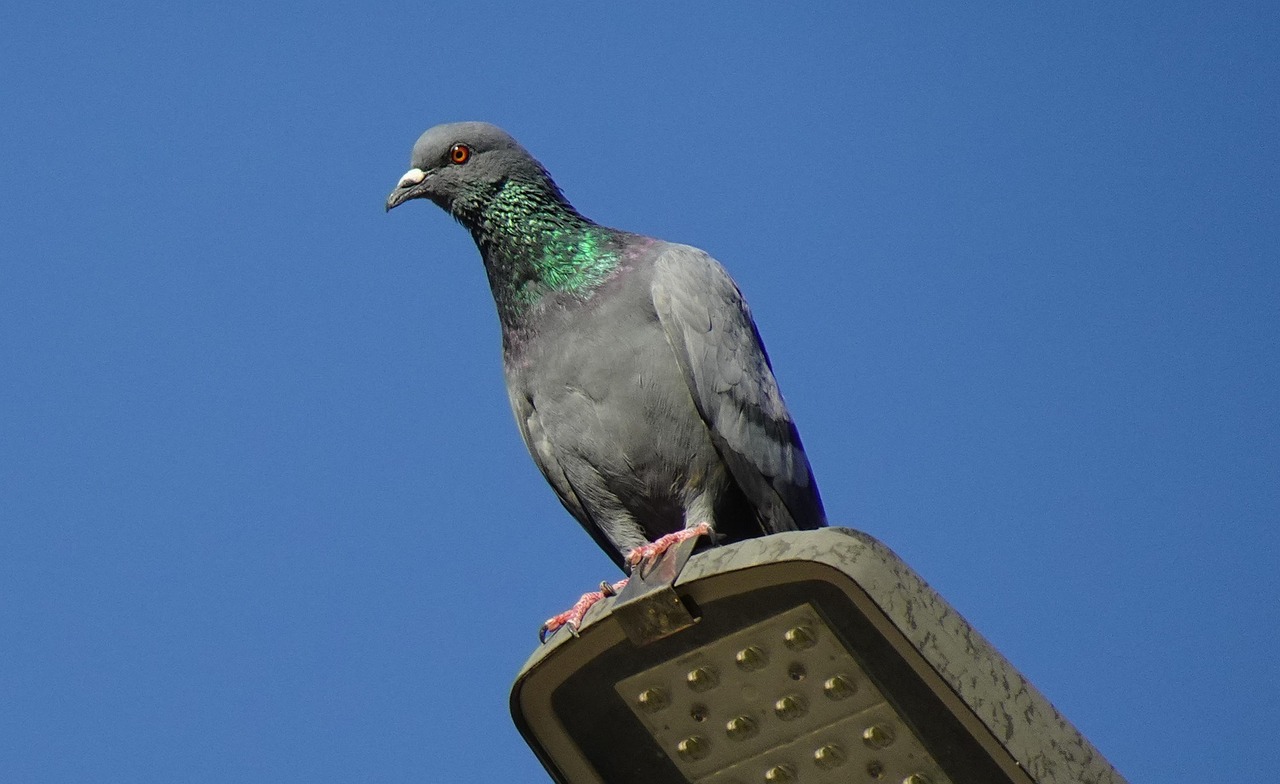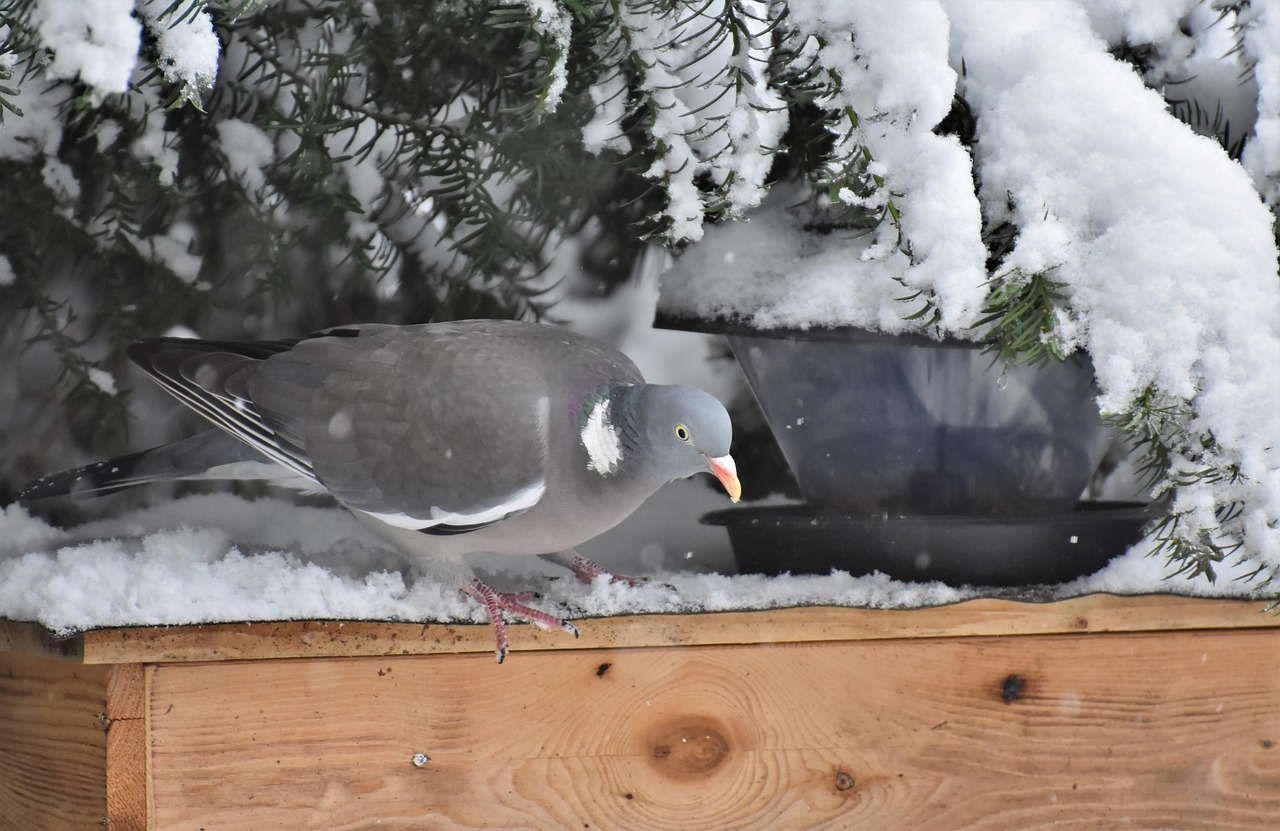
In the competitive world of pigeon shows, a stunning photograph can be the difference between a bird blending in and one that commands attention and value. This guide delves into the art of pigeon photography, offering expert techniques to elevate your show presentation and boost market appeal. By mastering these skills, you can showcase your pigeons in their best light, capturing their unique beauty and traits for judges and buyers alike.
The Art of Pigeon Photography: Capturing Beauty and Character
Pigeon photography is more than just taking pictures; it's about telling a story of elegance, health, and pedigree through the lens. A well-executed photo highlights the bird's conformation, feather quality, and vibrant colors, making it stand out in show catalogs or online listings. This section explores why photography is a critical tool for enhancing your pigeon's market value and how to approach it with a creative eye.
Understanding the Role of Photography in Show Presentation
In pigeon shows, first impressions are often made through photographs, whether in digital submissions or printed materials. A high-quality image can convey the bird's condition and personality, influencing judges' perceptions and potential buyers' interest. By focusing on key aspects like posture and lighting, you can create images that emphasize strengths and minimize flaws. This subsection explains how photography integrates into overall show presentation strategies, helping you use visuals to your advantage in competitive settings.
Moreover, effective pigeon photography serves as a marketing tool, allowing you to build a portfolio that showcases your breeding program's quality. It can attract attention from enthusiasts and collectors, leading to higher offers and better networking opportunities. We'll discuss how to align your photographic efforts with show standards, ensuring your images meet the expectations of the pigeon community while standing out creatively.
Essential Equipment for Professional Pigeon Shots
To achieve professional results in pigeon photography, investing in the right equipment is crucial. A DSLR or mirrorless camera with a macro lens allows for detailed close-ups of feathers and eyes, while a tripod ensures stability for sharp images. Lighting equipment, such as softboxes or reflectors, helps control shadows and highlights, enhancing the bird's natural colors without harsh glare. This subsection covers the basic gear needed to start, along with tips for budget-friendly alternatives that still deliver quality.
Beyond cameras and lights, consider accessories like backdrops and perches to create a controlled environment. A neutral background, such as a plain cloth or seamless paper, keeps the focus on the pigeon, while a sturdy perch encourages natural poses. We'll explore how to set up a simple home studio, making it easier to capture consistent, high-quality photos that elevate your show presentation without requiring extensive space or expense.
Techniques for Stunning Pigeon Photography
Mastering technical skills in pigeon photography can transform ordinary shots into captivating images that highlight your bird's best features. This section provides actionable tips on composition, lighting, and post-processing, helping you create photos that impress judges and buyers. By applying these techniques, you can enhance the visual appeal of your pigeons, making them more memorable in show presentations.
Composition and Angles for Maximum Impact
Good composition is key to creating engaging pigeon photographs that draw the viewer's eye. Use the rule of thirds to position the bird off-center, creating a dynamic image that feels balanced. Experiment with angles, such as shooting from eye level to capture the pigeon's perspective or from above to showcase its full body shape. This subsection delves into compositional principles, offering examples of how different angles can emphasize traits like wing span or head carriage.
Additionally, consider the background and foreground elements to add depth to your photos. A blurred background, achieved with a wide aperture, isolates the pigeon and makes it pop, while including subtle props can tell a story about its environment. We'll discuss how to frame your shots creatively, avoiding cluttered scenes that distract from the main subject, and ensuring each photo contributes to a cohesive show presentation.
Lighting Strategies to Enhance Feather Details
Lighting plays a pivotal role in pigeon photography, affecting how colors and textures are rendered in the final image. Natural light from a window can provide soft, flattering illumination, but it requires timing to avoid harsh midday sun. For controlled setups, use artificial lights with diffusers to create even lighting that minimizes shadows and highlights feather iridescence. This subsection explains various lighting techniques, from side lighting to accentuate contours to front lighting for uniform exposure.
To capture intricate feather details, adjust your lighting setup based on the pigeon's coloration. For dark-feathered birds, increase exposure slightly to prevent loss of detail, while for light ones, reduce highlights to avoid overexposure. We'll cover how to use reflectors to bounce light into shadow areas, ensuring a well-lit image that showcases the bird's plumage in all its glory, crucial for an effective show presentation.
Show Presentation: Integrating Photography into Your Strategy
Pigeon photography should complement your overall show presentation, creating a seamless experience from image to in-person display. This section explores how to use photos in show entries, online portfolios, and marketing materials, ensuring consistency and professionalism. By integrating photography strategically, you can build a strong brand for your pigeons, increasing their perceived value and appeal.
Creating a Cohesive Visual Portfolio
A visual portfolio of your pigeons serves as a powerful tool for show presentations, allowing you to showcase multiple birds and their achievements. Organize photos by category, such as breed or show wins, and include captions that highlight key traits and pedigrees. This subsection guides you through building a portfolio that tells a compelling story, using high-quality images to demonstrate your expertise and the quality of your stock.
Incorporate variety in your portfolio by including different types of shots, such as close-ups of features and full-body poses. Update it regularly with new photos from recent shows or breeding successes, keeping it fresh and relevant. We'll discuss how to present this portfolio digitally or in print, making it accessible to judges and buyers, and enhancing your show presentation with a professional touch.
Using Photos in Show Entries and Marketing
When submitting entries for pigeon shows, photos often serve as the first point of contact with judges. Ensure your images meet show guidelines, focusing on clarity and adherence to breed standards. This subsection provides tips for selecting the best photos for entry, considering factors like pose and background, to make a strong impression from the start.
Beyond shows, use photos in marketing efforts to attract buyers and build your reputation. Share images on social media, websites, and forums, accompanied by engaging descriptions that highlight your pigeons' strengths. We'll explore how to leverage photography in sales pitches, using visuals to justify pricing and create urgency, ultimately boosting market value through enhanced show presentation.
Advanced Tips for Elevating Your Pigeon Photography
For those looking to take their pigeon photography to the next level, this section offers advanced insights into post-processing, creative styles, and ongoing improvement. By refining these skills, you can produce images that not only meet show standards but also stand out as works of art, further increasing your pigeons' market appeal.
Post-Processing for Professional Polish
Post-processing can enhance your pigeon photos, correcting minor issues and bringing out the best in each image. Use software like Adobe Lightroom to adjust exposure, contrast, and color balance, ensuring the photo accurately represents the bird. This subsection covers basic editing techniques, such as cropping for better composition and sharpening to highlight details, without over-editing that can look unnatural.
Additionally, consider retouching to remove distractions like dust or minor blemishes, but avoid altering the pigeon's appearance in ways that misrepresent it. We'll discuss ethical editing practices, ensuring your photos remain truthful while achieving a polished look that enhances show presentation and builds trust with viewers.
Developing a Unique Photographic Style
Developing a unique style in pigeon photography can set your work apart, making your images instantly recognizable. Experiment with different themes, such as dramatic lighting or environmental portraits, to create a signature look. This subsection encourages creativity, offering ideas for how to infuse personality into your photos while maintaining professionalism.
To refine your style, study the work of other pigeon photographers and incorporate elements that resonate with you. Consistency in editing and composition across your portfolio helps build a cohesive brand. We'll explore how a distinct style can attract attention in shows and online, contributing to a memorable show presentation that elevates your pigeons' value.
Conclusion
Mastering pigeon photography is an essential skill for enhancing show presentation and boosting market value. By focusing on techniques like composition, lighting, and strategic integration, you can create compelling images that capture your birds' best qualities. Remember, consistency and creativity are key to standing out in competitive shows. For those seeking to streamline their pigeon management and presentation efforts, consider exploring tools like Ghawy – Pigeon Manager (غاوي – إدارة الحمام) to support your journey. Apply these insights to elevate your pigeons' appeal and achieve greater success in the show ring.