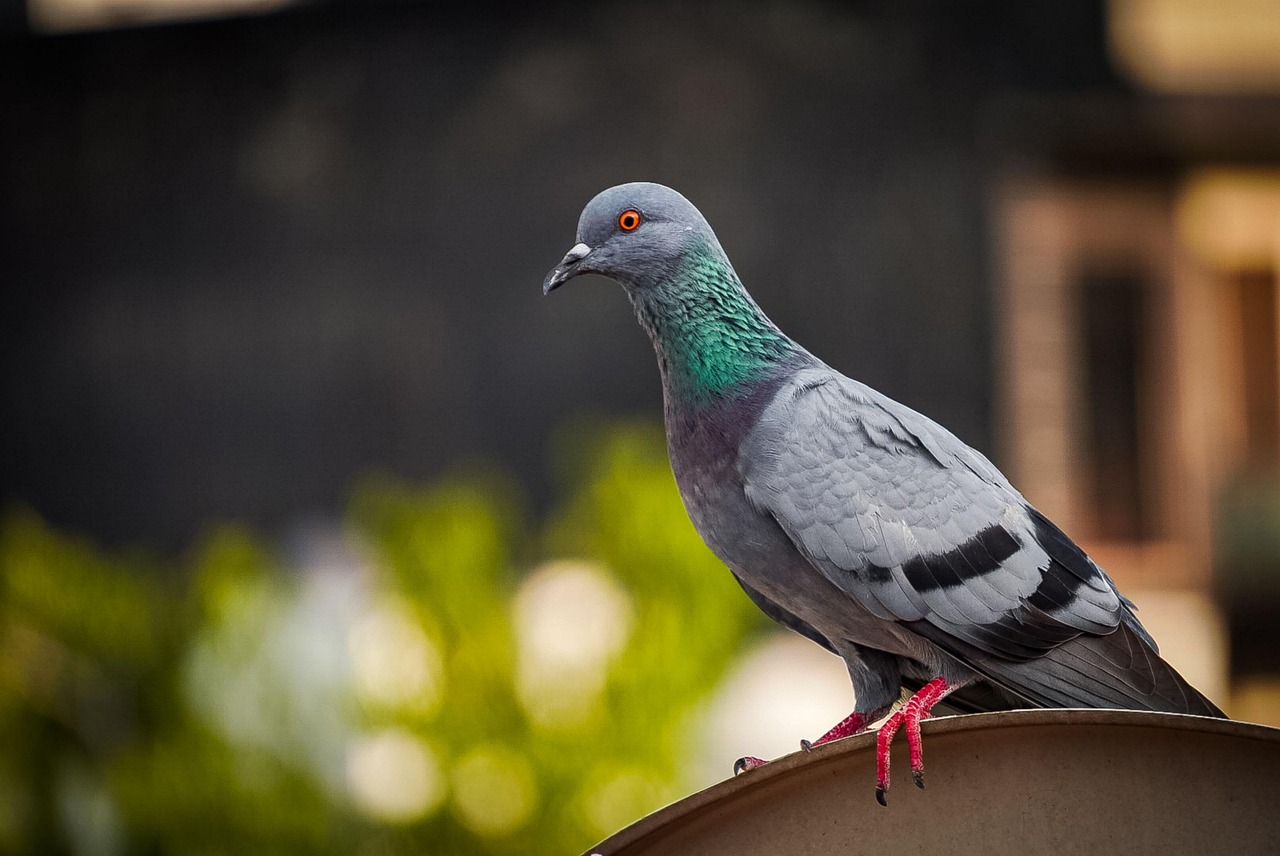
In the world of pigeon racing, your birds are more than just pets; they are valuable genetic assets, honed through generations of careful breeding. Protecting these champions from loss is a top priority for every enthusiast. This guide explores how modern technology, specifically GPS for pigeon safety, combined with strategic pigeon protection measures and racing pigeon insurance, can safeguard your investments and ensure your flock thrives.
Understanding the Value of Your Pigeon Flock
Racing pigeons represent a significant investment of time, money, and passion. Each bird carries unique genetic traits that contribute to its speed, endurance, and homing ability. Losing even one champion can set back breeding programs and competitive aspirations. This section delves into why proactive protection is essential for any serious fancier.
The Genetic Legacy in Pigeon Racing
Pigeon racing is built on genetics, with bloodlines often traced back decades. Champions are bred from champions, creating a lineage that can command high prices in auctions and breeding circles. Protecting these assets means preserving not just individual birds, but the potential for future generations of winners. A single loss can disrupt years of selective breeding efforts, making it crucial to implement robust safety measures from the outset.
Beyond monetary value, these pigeons embody the dedication of their owners. They are trained, nurtured, and raced with care, forming bonds that go beyond mere competition. Ensuring their safety is a responsibility that reflects the passion of the hobby. By focusing on pigeon protection, you invest in the continuity of your racing program and the well-being of your feathered athletes.
Common Risks Facing Racing Pigeons
Pigeons face numerous hazards during training and races, from predators and adverse weather to disorientation and theft. Even the most experienced birds can encounter unexpected challenges, such as power lines, storms, or unfamiliar terrain. Without proper safeguards, losses can accumulate quickly, impacting both morale and results.
Understanding these risks is the first step toward mitigation. For instance, pigeons may stray due to magnetic interference or get injured in collisions. By identifying common threats, owners can tailor their protection strategies. This awareness sets the stage for integrating technologies like GPS, which provide real-time monitoring to address these dangers proactively.
Leveraging GPS Technology for Enhanced Safety
GPS for pigeon safety has revolutionized how enthusiasts track and protect their birds. These devices offer precise location data, allowing owners to monitor flights, identify issues, and recover lost pigeons quickly. This section explores the benefits and practical applications of GPS in pigeon racing.
How GPS Devices Work for Pigeons
GPS trackers are lightweight, attachable devices that use satellite signals to pinpoint a pigeon's location. They transmit data to a smartphone or computer, providing updates on speed, altitude, and route. This technology enables owners to track training sessions, optimize flight paths, and intervene if a bird goes off course. It's a game-changer for reducing losses and improving performance.
Modern GPS units are designed to be non-intrusive, with minimal impact on a pigeon's aerodynamics. They often include features like geofencing, which alerts owners if a bird leaves a designated area. By integrating GPS into your routine, you gain insights that were once impossible, turning guesswork into data-driven decisions for pigeon protection.
Real-World Applications and Success Stories
Many fanciers have used GPS to recover pigeons that would otherwise be lost. For example, a bird caught in a storm can be located and rescued, preventing injury or death. GPS data also helps analyze flight patterns, identifying strengths and weaknesses in training. This leads to better-prepared birds and higher success rates in competitions.
In addition to recovery, GPS enhances safety during races by allowing organizers to monitor flocks for emergencies. It fosters a community of shared knowledge, as owners can collaborate on best practices. By adopting GPS for pigeon safety, you join a growing movement that prioritizes welfare and innovation in the sport.
Implementing Comprehensive Pigeon Protection Strategies
While GPS is a powerful tool, it should be part of a broader pigeon protection plan. This involves physical safeguards, training adjustments, and environmental management to minimize risks. Here, we outline actionable steps to create a secure environment for your birds.
Physical and Environmental Safeguards
Protecting pigeons starts at home, with secure lofts that deter predators and thieves. Use reinforced materials, locks, and surveillance to create a safe haven. Regularly inspect enclosures for vulnerabilities, and consider adding netting or barriers to prevent escapes. A well-maintained loft reduces stress and promotes health, making birds less likely to stray.
Beyond the loft, manage outdoor risks by clearing hazards like sharp objects or toxic plants. Train pigeons in safe, open areas away from traffic and power lines. By controlling their environment, you lower the chances of accidents. Combine these measures with GPS monitoring for a holistic approach that addresses both immediate and long-term threats.
Training Techniques for Risk Reduction
Proper training builds a pigeon's homing instinct and resilience. Start with short, familiar flights and gradually increase distance and complexity. Use GPS data to tailor sessions, avoiding areas with high risk factors. This methodical approach strengthens birds' abilities while keeping them safe.
Incorporate weather awareness into training schedules, avoiding flights during storms or extreme heat. Teach pigeons to recognize landmarks and return routes, reducing disorientation. By focusing on gradual, GPS-informed training, you enhance pigeon protection and prepare your flock for successful racing.
Securing Your Investment with Racing Pigeon Insurance
Even with the best precautions, losses can occur, making racing pigeon insurance a smart financial safeguard. This coverage helps offset costs from theft, injury, or death, ensuring your genetic assets are protected. This section explains the benefits and how to choose the right policy.
Types of Insurance Coverage Available
Racing pigeon insurance typically covers events like accidents, illnesses, and theft. Some policies extend to breeding value or competition winnings. By insuring your birds, you mitigate financial risks, allowing you to focus on training and racing without fear of significant loss. It's an essential layer of pigeon protection for serious enthusiasts.
When selecting a policy, consider factors like coverage limits, deductibles, and exclusions. Work with insurers familiar with pigeon racing to ensure tailored protection. This investment complements GPS technology, providing peace of mind that your assets are secure from multiple angles.
Integrating Insurance with Technology
Combine racing pigeon insurance with GPS data to maximize protection. For instance, GPS records can support insurance claims by providing evidence of a loss or theft. This synergy creates a robust safety net, where technology prevents issues and insurance addresses unavoidable ones.
By adopting both, you demonstrate a commitment to comprehensive pigeon protection. It signals to the community that you value your birds' well-being and are prepared for any scenario. This proactive stance can even enhance your reputation as a responsible fancier.
Building a Community for Shared Safety Insights
Pigeon racing thrives on collaboration, with enthusiasts sharing tips and experiences to improve safety. Engaging with clubs and online forums can enhance your pigeon protection efforts. This section highlights the role of community in safeguarding genetic assets.
Learning from Fellow Fanciers
Join local or international pigeon racing associations to access resources on GPS for pigeon safety and insurance options. These groups often host workshops or discussions where members exchange strategies for reducing losses. By participating, you gain insights that might not be available elsewhere, enriching your approach.
Share your own experiences, such as success stories with GPS recoveries, to help others. This collective knowledge strengthens the entire sport, making it safer and more enjoyable. It's a way to give back while reinforcing your own practices.
Advocating for Technological Adoption
Encourage wider use of GPS and insurance in the pigeon racing community. By promoting these tools, you contribute to a culture of safety and innovation. This advocacy can lead to industry standards that benefit all fanciers, from amateurs to professionals.
As more people adopt these measures, the overall risk of loss decreases, preserving genetic diversity and competitive integrity. Your efforts in pigeon protection can inspire others to take similar steps, creating a ripple effect of positive change.
Conclusion
Protecting your genetic assets in pigeon racing requires a multi-faceted approach. By integrating GPS for pigeon safety, implementing thorough pigeon protection strategies, and securing racing pigeon insurance, you create a robust framework that minimizes risks and maximizes success. These measures not only safeguard your investments but also enhance the welfare of your birds, ensuring they can perform at their best. Remember, tools like Ghawy – Pigeon Manager (غاوي – إدارة الحمام) can help streamline these efforts, offering solutions tailored to modern fanciers. Embrace these advancements to build a safer, more rewarding racing experience.