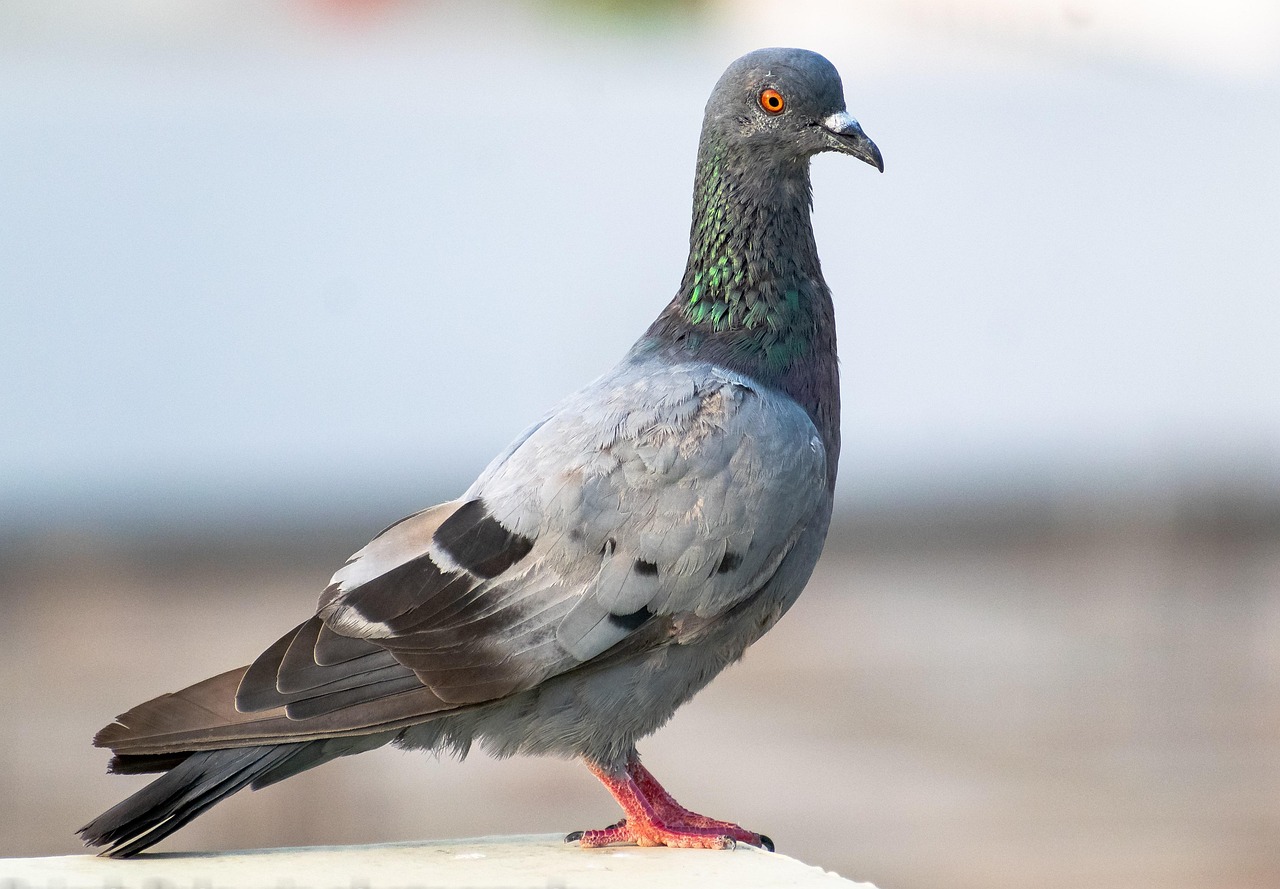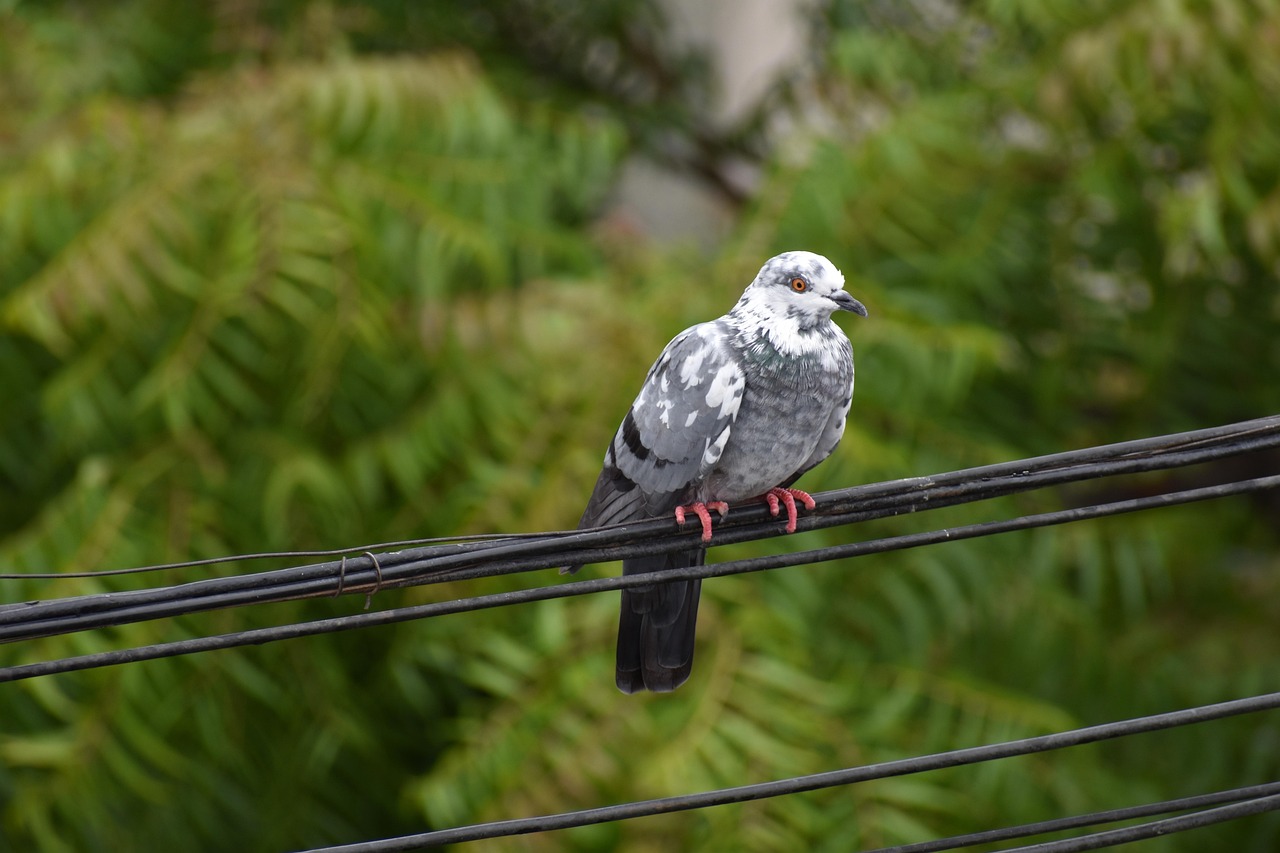
In the world of pigeon racing, your birds are more than just pets; they are valuable genetic assets, bred for speed, endurance, and lineage. Losing a champion pigeon can be devastating, both emotionally and financially. This guide explores how modern technology, specifically GPS for pigeon safety, combined with strategic measures like pigeon protection and racing pigeon insurance, can safeguard your investments and ensure your flock thrives.
The High Stakes of Pigeon Racing: Why Protection Matters
Pigeon racing is a sport steeped in tradition, where enthusiasts invest years in breeding and training birds that can cost thousands of dollars. These pigeons are not just animals; they are living legacies of careful genetic selection. However, the risks are real: predators, adverse weather, disorientation, and theft can lead to the loss of prized birds. Without proper pigeon protection, a single incident can wipe out years of effort and financial investment. This section delves into the importance of proactive measures to secure your avian athletes.
Understanding the Value of Genetic Assets
Each racing pigeon represents a unique combination of traits passed down through generations. Breeders select for speed, homing instinct, and resilience, creating bloodlines that can command high prices in auctions. Losing a top performer means more than just the bird itself; it can disrupt breeding programs and reduce future earnings. For instance, a champion pigeon might sire offspring that sell for significant sums, making its protection crucial. By viewing your flock as genetic assets, you recognize the need for comprehensive safety strategies that go beyond basic care.
Moreover, the emotional bond between fanciers and their pigeons adds another layer of importance. These birds are often raised from chicks, trained meticulously, and celebrated in competitions. Their loss can feel personal, akin to losing a family member. This emotional investment underscores why pigeon protection is not just about money but about preserving a passion. Implementing safety measures shows respect for the birds and the sport, ensuring that future generations can enjoy the thrill of racing.
Common Threats to Racing Pigeons
Racing pigeons face numerous dangers during training and competitions. Predators like hawks, falcons, and cats pose a constant threat, especially in rural areas where pigeons are released for exercise. Weather conditions, such as storms or extreme heat, can disorient birds, causing them to stray off course or become exhausted. Human-related risks include theft, as valuable pigeons are targets for criminals looking to profit from the black market. Additionally, collisions with power lines or buildings can result in injury or death.
To mitigate these threats, fanciers must adopt a multi-layered approach. This includes secure loft designs, regular health checks, and training in safe environments. However, traditional methods alone are often insufficient against unpredictable challenges. That's where technology, like GPS for pigeon safety, comes into play. By tracking birds in real-time, you can respond quickly to emergencies, such as a pigeon getting lost or attacked. Understanding these common threats is the first step toward effective pigeon protection, setting the stage for advanced solutions.
GPS Technology: Revolutionizing Pigeon Safety
GPS (Global Positioning System) has transformed many industries, and pigeon racing is no exception. By equipping birds with lightweight GPS devices, fanciers can monitor their location, speed, and altitude in real-time. This technology offers unprecedented insights into pigeon behavior and enhances safety during flights. In this section, we explore how GPS for pigeon safety works, its benefits, and practical tips for implementation, making it a cornerstone of modern pigeon protection strategies.
How GPS Devices Work for Pigeons
GPS devices for pigeons are small, lightweight units attached to a bird's leg or back using a harness. They use satellite signals to determine the pigeon's exact location, transmitting data to a receiver or smartphone app. Most devices are designed to be minimally invasive, weighing less than 10 grams to avoid hindering flight. They often include features like geofencing, which alerts you if a pigeon strays beyond a predefined area, and historical tracking, allowing you to analyze flight patterns over time.
The technology relies on a network of satellites orbiting Earth, providing accurate positioning even in remote areas. When a pigeon is in flight, the device records its route, speed, and altitude, sending updates at regular intervals. This real-time data enables fanciers to intervene if a bird shows signs of distress, such as slowing down or deviating from its path. For example, if a pigeon encounters bad weather, you can use the GPS to locate it and provide assistance. By integrating GPS for pigeon safety into your routine, you gain a powerful tool for preventing losses and optimizing training.
Benefits of Using GPS in Pigeon Racing
Implementing GPS technology offers numerous advantages for pigeon enthusiasts. First, it enhances safety by allowing quick recovery of lost birds. Instead of relying on hope, you can track a pigeon's location and retrieve it before it falls victim to predators or exhaustion. Second, GPS data provides valuable insights into performance, helping you identify strengths and weaknesses in your flock. For instance, you might notice that certain birds excel in specific weather conditions, informing future breeding decisions.
Additionally, GPS for pigeon safety promotes accountability in competitions. Race organizers can use tracking data to verify routes and ensure fair play, reducing the risk of cheating. For individual fanciers, it offers peace of mind, knowing that your investments are protected. The cost of GPS devices has decreased in recent years, making them accessible to more enthusiasts. When combined with other pigeon protection measures, such as secure lofts, GPS technology creates a comprehensive safety net. Embrace this innovation to stay ahead in the competitive world of pigeon racing.
Insurance Strategies: Safeguarding Your Investments
While technology like GPS for pigeon safety reduces risks, it cannot eliminate all threats. That's where racing pigeon insurance comes in, providing financial protection against losses. Insurance policies can cover theft, death, or injury, ensuring that you are compensated if disaster strikes. In this section, we discuss the types of insurance available, how to choose the right policy, and why it's a critical component of pigeon protection for serious enthusiasts.
Types of Racing Pigeon Insurance
Racing pigeon insurance typically falls into several categories, each designed to address specific risks. Mortality insurance covers the death of a pigeon due to accidents, illness, or predators, offering a payout based on the bird's appraised value. Theft insurance protects against stolen birds, which is especially important given the high value of champion pigeons. Some policies also include coverage for veterinary expenses, helping offset costs for injuries or illnesses that require treatment.
When selecting insurance, consider factors like coverage limits, deductibles, and exclusions. For example, some policies may not cover losses during races or in certain weather conditions. It's essential to read the fine print and work with insurers who specialize in avian coverage. Many fanciers opt for blanket policies that cover their entire flock, while others insure individual high-value birds. By investing in racing pigeon insurance, you create a financial safety net that complements physical safety measures like GPS for pigeon safety. This dual approach ensures comprehensive pigeon protection.
How to Choose the Right Insurance Policy
Choosing the right racing pigeon insurance requires careful evaluation of your needs and risks. Start by assessing the value of your flock, including breeding potential and competition winnings. Consult with other fanciers or join online forums to get recommendations for reputable insurers. Look for policies that offer flexible terms, such as adjustable coverage based on seasonal activities or race schedules. It's also wise to compare quotes from multiple providers to find the best balance of cost and coverage.
Additionally, consider integrating insurance with your overall pigeon protection strategy. For instance, insurers may offer discounts if you use GPS for pigeon safety, as it demonstrates proactive risk management. Keep detailed records of your birds, including pedigrees, health histories, and training logs, to streamline the claims process. Remember, insurance is not a substitute for safety measures but a backup plan for worst-case scenarios. By making informed choices, you can protect your genetic assets and focus on enjoying the sport without constant worry.
Integrating Protection Measures: A Holistic Approach
Effective pigeon protection involves combining multiple strategies into a cohesive plan. Relying on a single method, such as GPS for pigeon safety or racing pigeon insurance, leaves gaps that could lead to losses. In this section, we outline a holistic approach that integrates technology, insurance, and traditional practices to create a robust safety net for your flock. This comprehensive method ensures that every aspect of your pigeons' well-being is addressed.
Building a Multi-Layered Safety Plan
A multi-layered safety plan starts with the basics: secure loft design, regular health checks, and proper nutrition. Ensure your loft is predator-proof with reinforced walls and locks, and maintain a clean environment to prevent diseases. Next, incorporate technology like GPS for pigeon safety to monitor birds during flights and training sessions. Use the data to identify patterns and adjust training routines accordingly. For example, if GPS tracking shows that pigeons struggle in certain areas, you can avoid those routes or provide additional support.
Add racing pigeon insurance as a financial layer to protect against unforeseen events. Review your policy annually to ensure it aligns with the current value of your flock. Finally, foster a community of support by networking with other fanciers. Share insights on pigeon protection strategies and collaborate on safety initiatives. By layering these elements, you create a resilient system that minimizes risks. This holistic approach not only safeguards your birds but also enhances their performance, as healthy, secure pigeons are more likely to succeed in races.
Training and Preparation for Optimal Safety
Training plays a crucial role in pigeon protection, as well-prepared birds are less likely to get lost or injured. Start with gradual conditioning, increasing flight distances slowly to build endurance. Use GPS for pigeon safety during training to track progress and identify any issues early on. For instance, if a pigeon consistently slows down at a certain point, you can investigate potential hazards in that area. Incorporate obstacle avoidance exercises to help birds navigate urban environments safely.
Preparation also involves emergency protocols. Have a plan in place for retrieving lost pigeons using GPS data, and keep contact information for local veterinarians and rescue organizations. Educate yourself on common pigeon ailments and first aid techniques. By combining training with technology and insurance, you create a proactive culture of safety. Remember, pigeon protection is an ongoing process that requires attention and adaptation. Stay informed about new advancements in GPS for pigeon safety and racing pigeon insurance to continuously improve your strategies.
Conclusion
Protecting your genetic assets in pigeon racing requires a blend of modern technology, financial planning, and traditional care. By implementing GPS for pigeon safety, you gain real-time insights and quick recovery options, while racing pigeon insurance provides a financial safety net against losses. A holistic approach that integrates these elements with secure lofts and proper training ensures comprehensive pigeon protection. As you refine your strategies, consider tools like Ghawy – Pigeon Manager (غاوي – إدارة الحمام) to streamline management and enhance safety efforts. Embrace these measures to safeguard your flock, preserve your passion, and thrive in the competitive world of pigeon racing.