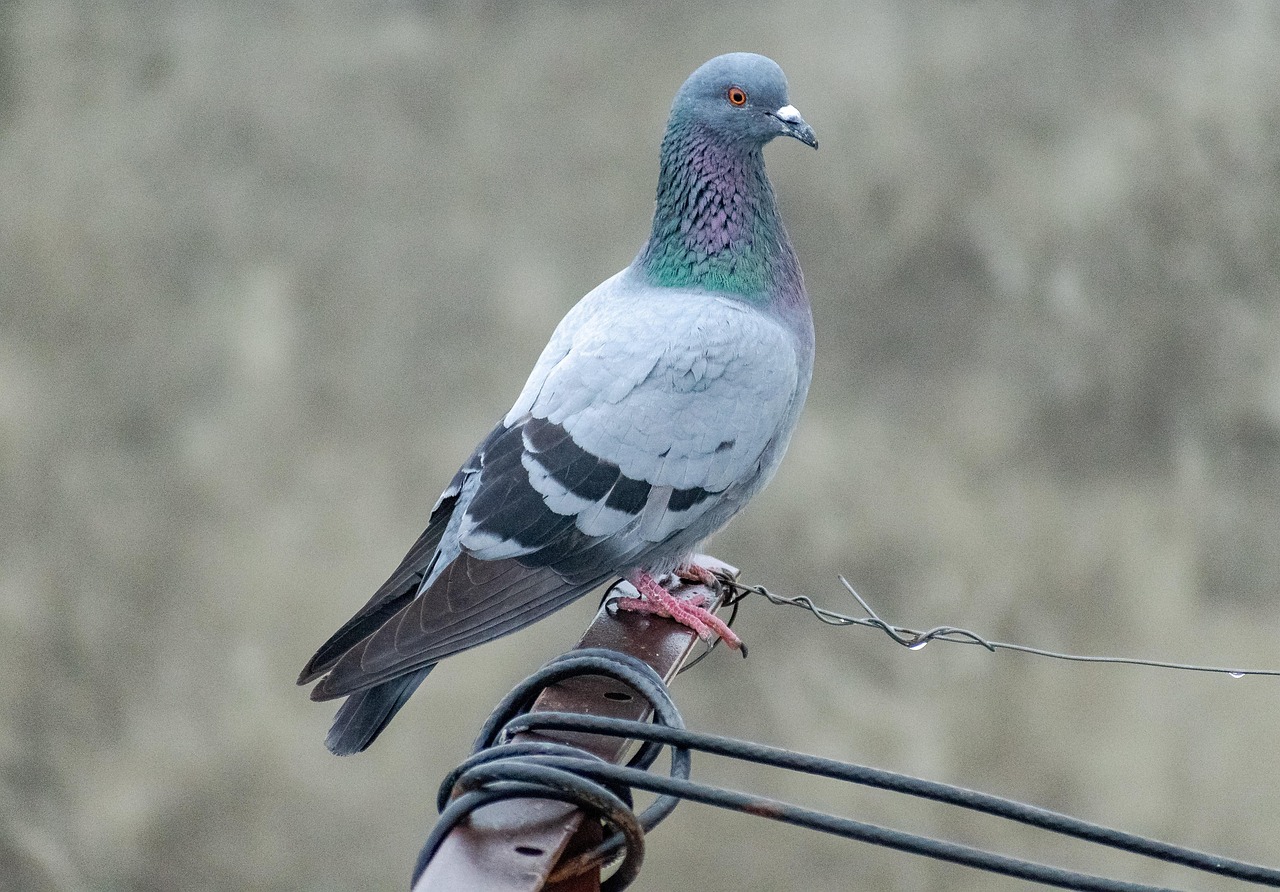
In the world of pigeon racing, your birds are more than just pets; they are valuable genetic assets honed through generations of careful breeding. Protecting these champions from loss is crucial for any serious enthusiast. This guide explores how modern technology, like GPS, and strategic measures, such as insurance, can safeguard your flock, ensuring your investment and passion thrive.
Understanding the Value of Your Pigeon Flock
Racing pigeons represent a significant investment in time, money, and genetics. Each bird carries unique traits that can define your success in competitions. Losing a pigeon means more than just an emotional blow; it can set back breeding programs and competitive aspirations. By viewing your flock as genetic assets, you can prioritize protection strategies that go beyond basic care.
The Genetic Legacy of Racing Pigeons
Pigeon breeding is an art and science focused on enhancing speed, endurance, and homing instincts. Top-performing birds often come from lineages with proven track records, making them irreplaceable in many cases. Protecting these genetics ensures continuity in your racing endeavors. Without safeguards, a single loss can disrupt years of selective breeding, highlighting the need for proactive measures in pigeon protection.
Many enthusiasts overlook the long-term impact of losing key birds. By implementing safety protocols early, you can preserve your genetic pool. This involves not only physical security but also leveraging technology to track and recover birds. Understanding this value is the first step toward comprehensive pigeon protection, setting the stage for more advanced strategies discussed later.
Common Risks Facing Racing Pigeons
Pigeons face numerous hazards during training and races, from predators and adverse weather to disorientation and theft. These risks can lead to permanent loss, especially in long-distance events where birds travel hundreds of miles. Identifying these threats allows you to tailor your protection efforts. For instance, GPS devices can alert you to deviations in flight paths, while insurance provides financial recourse if a bird goes missing.
Beyond natural dangers, human factors like poor training or inadequate loft security contribute to losses. A holistic approach addresses both environmental and managerial risks. By recognizing these common pitfalls, you can integrate tools like GPS for pigeon safety into your routine, reducing vulnerability and enhancing overall flock resilience.
Leveraging GPS Technology for Enhanced Safety
GPS technology has revolutionized pigeon racing by offering real-time tracking and data insights. Devices attached to birds transmit location information, allowing you to monitor their movements during flights. This not only aids in recovery if a bird gets lost but also provides valuable data on performance and health. Investing in GPS for pigeon safety is a game-changer for modern enthusiasts.
How GPS Devices Work for Pigeon Tracking
GPS trackers for pigeons are lightweight, durable units that attach via leg bands or harnesses. They use satellite signals to pinpoint a bird's location, often syncing with mobile apps or online platforms. This enables you to view flight paths, speed, and altitude in real-time. When a pigeon strays or lands unexpectedly, alerts can be sent, facilitating quick recovery efforts and minimizing loss.
The technology has advanced to include features like geofencing, which triggers notifications if a bird leaves a predefined area. This is particularly useful during training sessions. By understanding how these devices function, you can choose the right model for your needs, ensuring effective pigeon protection without compromising the bird's comfort or performance.
Benefits of GPS in Preventing Losses
Using GPS for pigeon safety offers multiple advantages beyond mere tracking. It enhances training by analyzing flight patterns to identify strengths and weaknesses. In races, it provides peace of mind, knowing you can locate a bird if it goes off course. This proactive approach reduces the emotional and financial toll of losing prized birds, making it a cornerstone of modern pigeon protection strategies.
- Real-time monitoring during flights and races
- Data-driven insights for improved training regimens
- Quick recovery in case of disorientation or injury
- Enhanced security against theft or predation
By integrating GPS into your routine, you not only safeguard individual birds but also optimize your entire racing operation. This technology complements other measures, such as insurance, creating a robust safety net for your genetic assets.
Exploring Racing Pigeon Insurance Options
While technology like GPS mitigates risks, insurance provides a financial safety net for unavoidable losses. Racing pigeon insurance covers scenarios such as death, theft, or permanent disappearance, reimbursing you for the bird's value. This is especially important for high-value champions, ensuring that your investment is protected even in worst-case scenarios.
Types of Insurance Policies Available
Insurance for racing pigeons varies based on coverage scope and cost. Common policies include mortality insurance, which pays out if a bird dies due to accident or illness, and loss insurance, covering disappearance during races or training. Some plans also offer liability coverage for events or breeding disputes. Evaluating these options helps you select a policy that aligns with your flock's value and your risk tolerance.
Premiums are typically calculated based on factors like the bird's age, breeding history, and past performance. By insuring key birds, you can focus on racing and breeding without constant worry about financial loss. This strategic approach to pigeon protection ensures that even if a champion is lost, your genetic legacy and financial stability remain intact.
Integrating Insurance with GPS Safety Measures
Combining GPS technology with insurance creates a comprehensive protection plan. GPS devices reduce the likelihood of loss by enabling quick recovery, while insurance covers residual risks. For example, if a GPS-tracked bird goes missing despite efforts, insurance can compensate you, minimizing disruption to your operations. This synergy enhances overall pigeon protection, making it a smart investment for serious enthusiasts.
When selecting insurance, consider providers that recognize the value of GPS data, as it can streamline claims processes. By documenting flights and safety measures, you demonstrate proactive care, potentially lowering premiums. This integrated approach not only safeguards your assets but also promotes responsible pigeon management, aligning with best practices in the racing community.
Best Practices for Holistic Pigeon Protection
Effective pigeon protection extends beyond technology and insurance to include daily care and management practices. A holistic approach ensures your birds are healthy, secure, and prepared for challenges. This involves regular health checks, secure loft designs, and ongoing training adjustments based on GPS data. By adopting these best practices, you can maximize safety and performance.
Daily Management and Health Monitoring
Routine care is fundamental to preventing losses. Monitor your pigeons for signs of illness or stress, as healthy birds are less likely to succumb to hazards during flights. Provide a balanced diet, clean water, and a safe loft environment to reduce vulnerability. Incorporating GPS insights, you can tailor training schedules to avoid overexertion, further enhancing pigeon protection.
Regular vet visits and vaccinations also play a key role. By maintaining optimal health, you not only improve racing outcomes but also reduce insurance claims related to mortality. This proactive management, combined with technological aids, creates a resilient flock capable of withstanding the rigors of competition.
Training Techniques to Minimize Risks
Training is where many losses occur, making it a critical area for safety focus. Use GPS data to design gradual training programs that build endurance without pushing birds beyond their limits. Start with short, familiar routes and gradually increase distance, monitoring for signs of fatigue or disorientation. This methodical approach, supported by GPS for pigeon safety, reduces the risk of birds getting lost during practice sessions.
- Begin with controlled, short-distance flights
- Use GPS to track progress and identify issues early
- Adjust training based on weather and bird condition
- Incorporate rest periods to prevent burnout
By refining training techniques, you not only enhance performance but also foster a safer environment for your pigeons. This aligns with broader pigeon protection goals, ensuring that your genetic assets are prepared for both races and potential threats.
Conclusion
Protecting your racing pigeons requires a multi-faceted strategy that blends technology, insurance, and diligent care. GPS devices offer real-time tracking to prevent losses, while insurance provides financial security for unavoidable incidents. By valuing your birds as genetic assets and implementing these measures, you can enjoy the sport with greater confidence and success. For those looking to streamline their management, consider tools like Ghawy – Pigeon Manager (غاوي – إدارة الحمام) to integrate these strategies seamlessly.