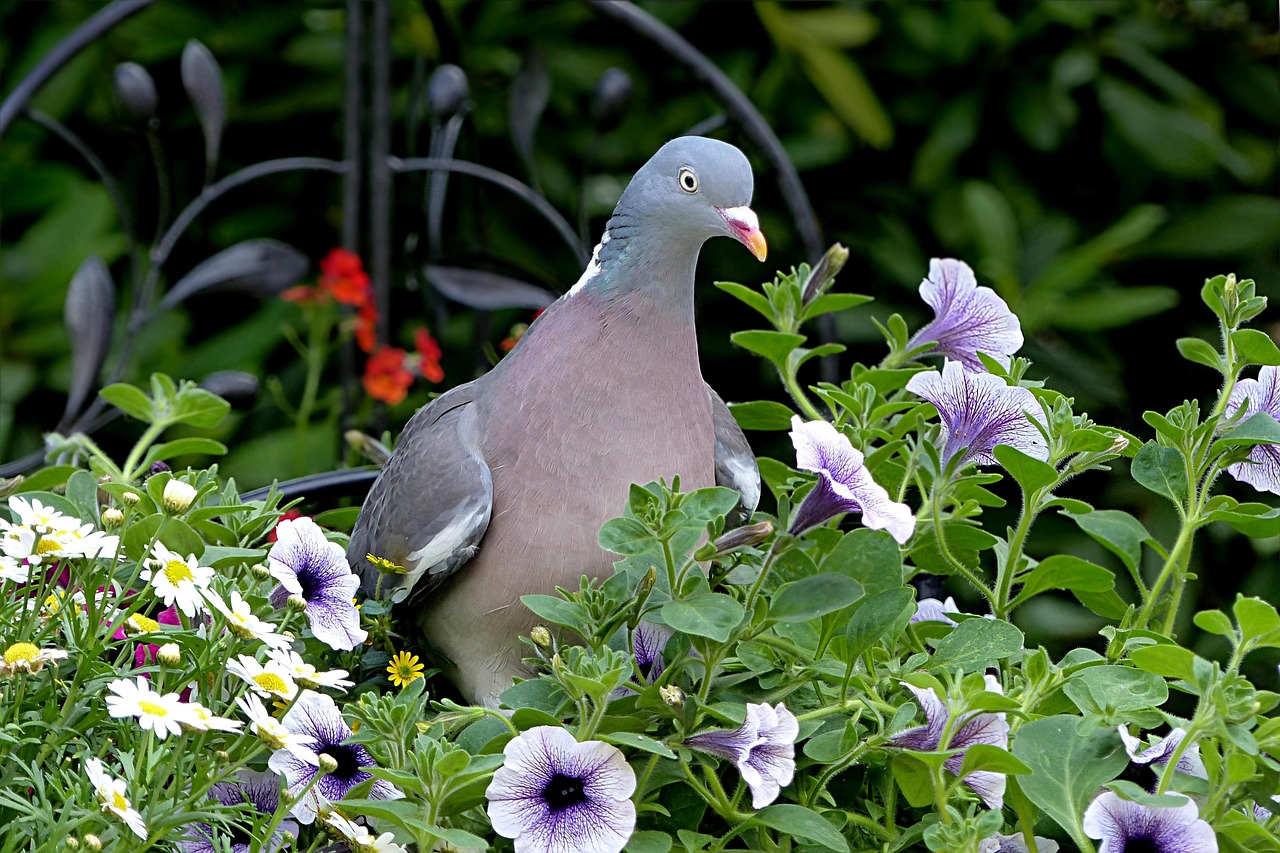
In the world of pigeon racing, your birds are more than just pets; they are valuable genetic assets honed through generations of careful breeding. Protecting these champions from loss is crucial for any serious enthusiast. This guide explores how modern technology, like GPS, and strategic measures, such as insurance, can safeguard your flock, ensuring your investment and passion thrive.
Understanding the Value of Your Pigeon Flock
Racing pigeons represent a significant investment in time, money, and genetics. Each bird carries unique traits that can define your success in competitions. Losing a pigeon means more than just an emotional blow; it can set back breeding programs and competitive goals. By viewing your flock as genetic assets, you can prioritize protection strategies that go beyond basic care.
The Genetic Legacy of Racing Pigeons
Pigeon breeding is an art that combines science and intuition. Top-performing birds often come from lineages with proven track records in speed, endurance, and intelligence. Protecting these genetics ensures the continuity of desirable traits. For example, a champion racer might pass on its navigational skills to offspring, making it a cornerstone of your breeding program. Losses due to predators, accidents, or theft can disrupt this legacy, highlighting the need for proactive measures.
Many enthusiasts focus on pedigree records to track genetic lines, but physical protection is equally vital. Without safeguarding the birds themselves, even the best breeding plans can falter. This is where technology and insurance come into play, offering layers of security that complement traditional husbandry.
Common Threats to Pigeon Safety
Pigeons face numerous risks both at home and during races. Predators like hawks, cats, and foxes can attack lofts, while environmental hazards such as storms or power lines pose dangers during flight. In racing, birds may get lost due to disorientation, exhaustion, or interference from other animals. Theft is another concern, as valuable pigeons can be targeted by unscrupulous individuals.
Understanding these threats is the first step in pigeon protection. By identifying vulnerabilities, you can implement targeted solutions. For instance, securing lofts with reinforced materials reduces predator access, while training birds to avoid certain areas minimizes environmental risks. However, for threats beyond your control, like getting lost mid-race, advanced tools become essential.
Leveraging GPS Technology for Pigeon Safety
GPS devices have revolutionized pigeon racing by providing real-time tracking and safety features. These small, lightweight units attach to a bird's leg or back, allowing you to monitor its location during training and competitions. This technology not only enhances performance analysis but also serves as a critical tool for recovery in case of loss.
How GPS Works for Pigeon Tracking
GPS for pigeon safety relies on satellite signals to pinpoint a bird's exact location. Modern devices are designed to be minimally invasive, weighing only a few grams to avoid hindering flight. They transmit data to a receiver or smartphone app, showing the pigeon's route, speed, and altitude. This information helps trainers optimize flight paths and identify potential issues, such as fatigue or deviation from course.
In emergencies, GPS can be a lifesaver. If a pigeon goes missing, you can use the tracking data to locate it quickly, reducing the time it spends exposed to dangers. Some systems even include alerts for unusual behavior, like prolonged stops or erratic movements, enabling prompt intervention. By integrating GPS into your routine, you add a layer of security that traditional methods lack.
Choosing the Right GPS System
Selecting a GPS device requires consideration of factors like battery life, accuracy, and compatibility. Look for models with long-lasting batteries to cover extended races, and ensure they offer precise location data to avoid false leads. Waterproof and durable designs are also important, as pigeons encounter various weather conditions.
- Battery life: Opt for devices that last at least 24 hours on a single charge.
- Accuracy: High-precision GPS reduces errors in tracking.
- Ease of use: User-friendly apps make monitoring straightforward.
- Cost: Balance features with budget, as prices vary widely.
Investing in a reliable GPS system is a key aspect of pigeon protection. It not only aids in recovery but also provides insights that can improve training and breeding decisions. By making technology a core part of your strategy, you enhance both safety and performance.
Implementing Comprehensive Pigeon Protection Strategies
Beyond GPS, a holistic approach to pigeon protection involves multiple layers of security. This includes physical safeguards, training techniques, and community collaboration. By combining these elements, you create a robust defense against losses, ensuring your genetic assets remain secure.
Physical Security Measures for Lofts and Flights
Securing your loft is fundamental to pigeon protection. Start with sturdy construction using materials that resist predators and weather. Install locks and alarms to deter theft, and consider surveillance cameras for added monitoring. During flights, use training methods that build navigational skills, such as gradual distance increases and familiarization with home routes.
Regular health checks also play a role in safety. Healthy pigeons are less likely to get lost or succumb to stress. Provide a balanced diet, clean water, and veterinary care to maintain peak condition. Additionally, microchipping or banding birds aids in identification if they are found by others, complementing GPS tracking.
Training and Socialization for Enhanced Safety
Training pigeons to respond to cues and navigate effectively reduces the risk of loss. Use positive reinforcement to teach homing instincts, and expose birds to various environments to build resilience. Socialization with other pigeons can also improve flock cohesion, making them less likely to stray during group flights.
Incorporate GPS data into training sessions to analyze performance and adjust routines. For example, if tracking shows a bird consistently veers off course, you can address underlying issues like fear or distraction. By blending traditional training with modern insights, you foster a safer, more reliable flock.
Exploring Racing Pigeon Insurance Options
Insurance provides financial protection against the loss of valuable pigeons, covering scenarios like death, theft, or permanent disappearance. While not a replacement for preventive measures, it offers peace of mind and safeguards your investment. Understanding the types of coverage available helps you choose a policy that fits your needs.
Types of Insurance Coverage for Pigeons
Racing pigeon insurance typically includes mortality coverage, which compensates for the death of a bird due to accidents, illness, or predators. Some policies also cover theft or loss during races, with payouts based on the pigeon's appraised value. Additional options might include veterinary expense coverage or liability protection for events.
When selecting insurance, consider factors like premium costs, deductibles, and exclusions. Policies vary by provider, so compare terms to find the best fit. For high-value birds, specialized coverage may be necessary, as standard plans might not fully account for genetic worth. By insuring your flock, you mitigate financial risks and ensure continuity in your breeding programs.
Integrating Insurance with Other Protection Methods
Insurance works best when combined with proactive safety measures. Use GPS tracking to reduce the likelihood of loss, making insurance a backup rather than a primary solution. Document your pigeons' pedigrees and achievements to support insurance claims, as this establishes their value in case of a payout.
Regularly review and update your insurance policy as your flock evolves. Adding new birds or increasing their value through wins may require adjustments. By treating insurance as part of a broader protection strategy, you create a comprehensive safety net that addresses both prevention and recovery.
Building a Community for Shared Safety Insights
Connecting with other pigeon enthusiasts enhances protection efforts through shared knowledge and resources. Join clubs or online forums to exchange tips on GPS usage, insurance providers, and training techniques. Collaborative efforts, like group tracking during races, can improve recovery rates for lost birds.
Networking and Knowledge Exchange
Participate in local pigeon racing associations to stay informed about best practices. Attend workshops or webinars on topics like technology integration and risk management. By learning from others' experiences, you can avoid common pitfalls and adopt effective strategies for pigeon protection.
Community support also extends to recovery efforts. If a pigeon goes missing, fellow enthusiasts can help search or spread awareness, increasing the chances of its return. This collective approach strengthens the entire hobby, making it safer and more sustainable for everyone involved.
Leveraging Technology for Community Engagement
Use social media and dedicated apps to share GPS data and safety alerts with your network. Platforms that allow real-time updates during races foster collaboration and quick response times. By embracing digital tools, you build a proactive community that prioritizes pigeon safety.
Encourage others to adopt similar protection measures, creating a culture of care within the pigeon racing world. As more people implement GPS and insurance, overall loss rates may decrease, benefiting the hobby as a whole. This shared commitment ensures that genetic assets are preserved for future generations.
Conclusion
Protecting your genetic assets in pigeon racing requires a multifaceted approach that blends technology, insurance, and community. By using GPS for pigeon safety, you gain real-time insights and recovery options, while racing pigeon insurance provides financial security against unforeseen losses. Implement physical safeguards and training to complement these tools, and engage with fellow enthusiasts to share knowledge. For those seeking an integrated solution, consider tools like Ghawy – Pigeon Manager (غاوي – إدارة الحمام) to streamline management and enhance protection efforts. With these strategies, you can safeguard your champions and ensure your passion thrives for years to come.