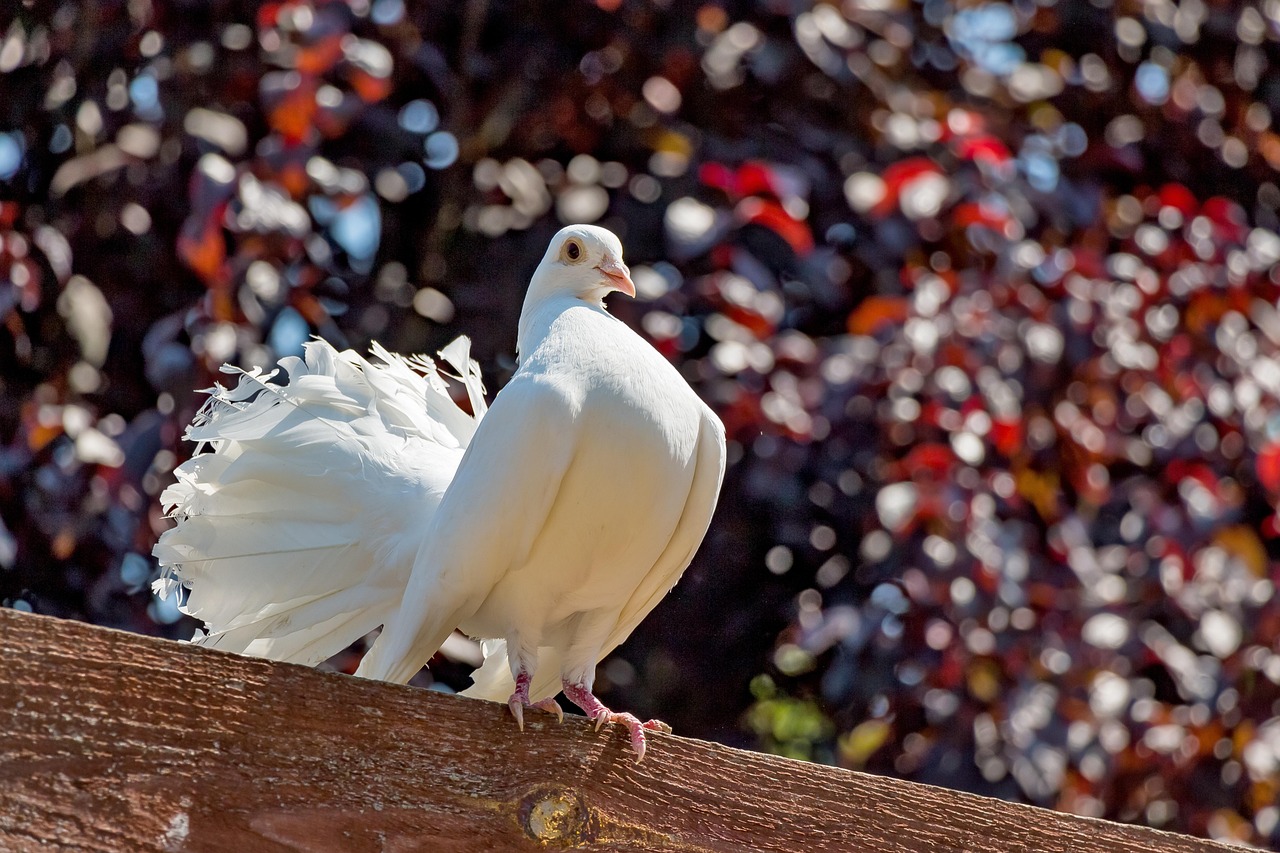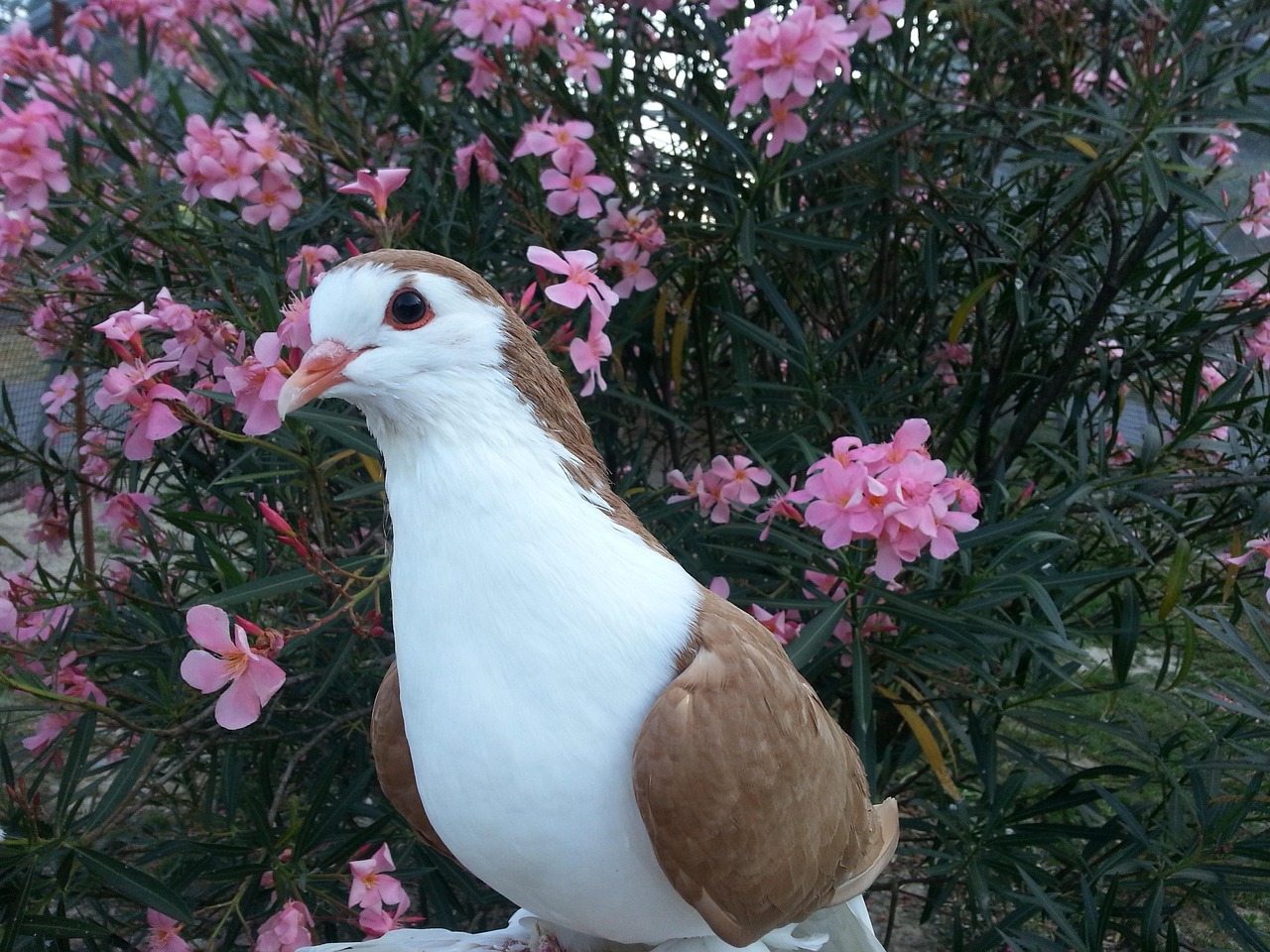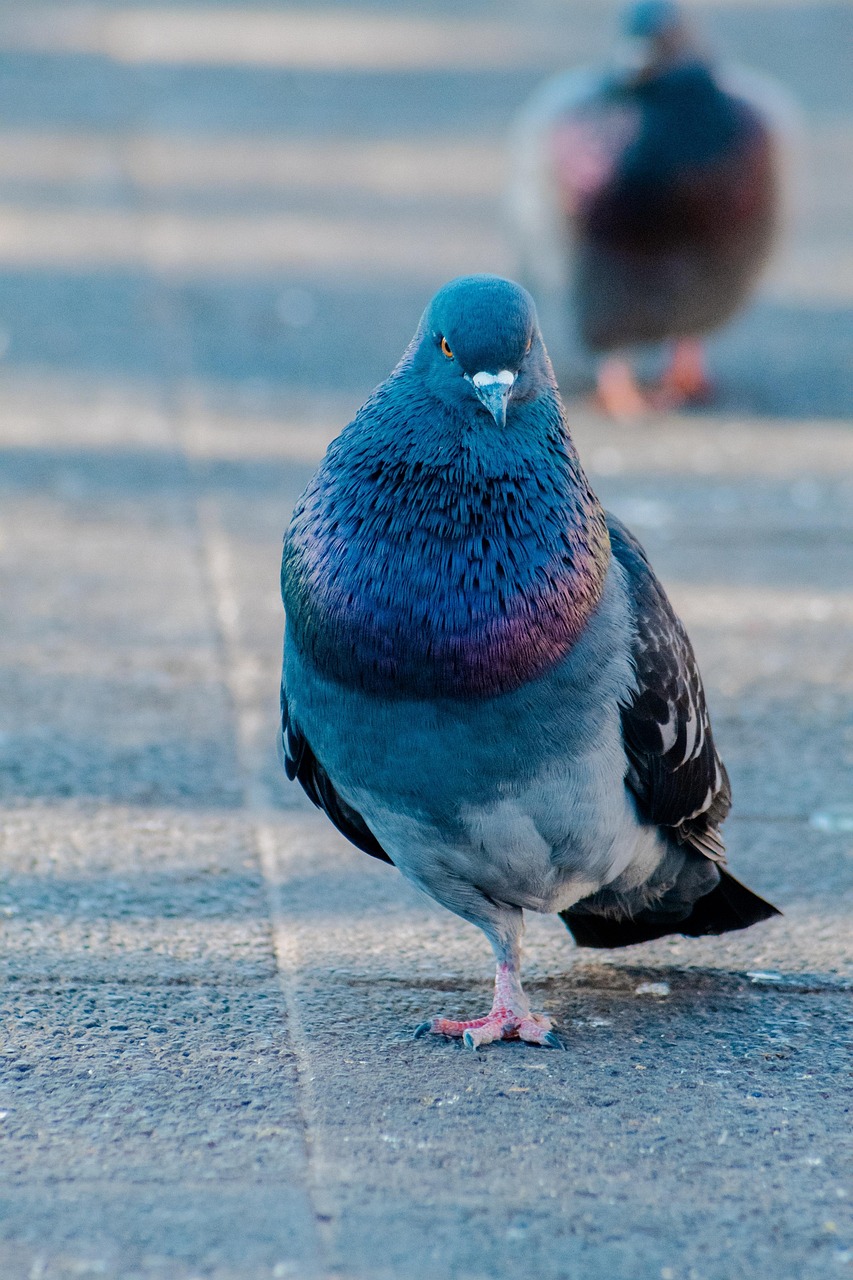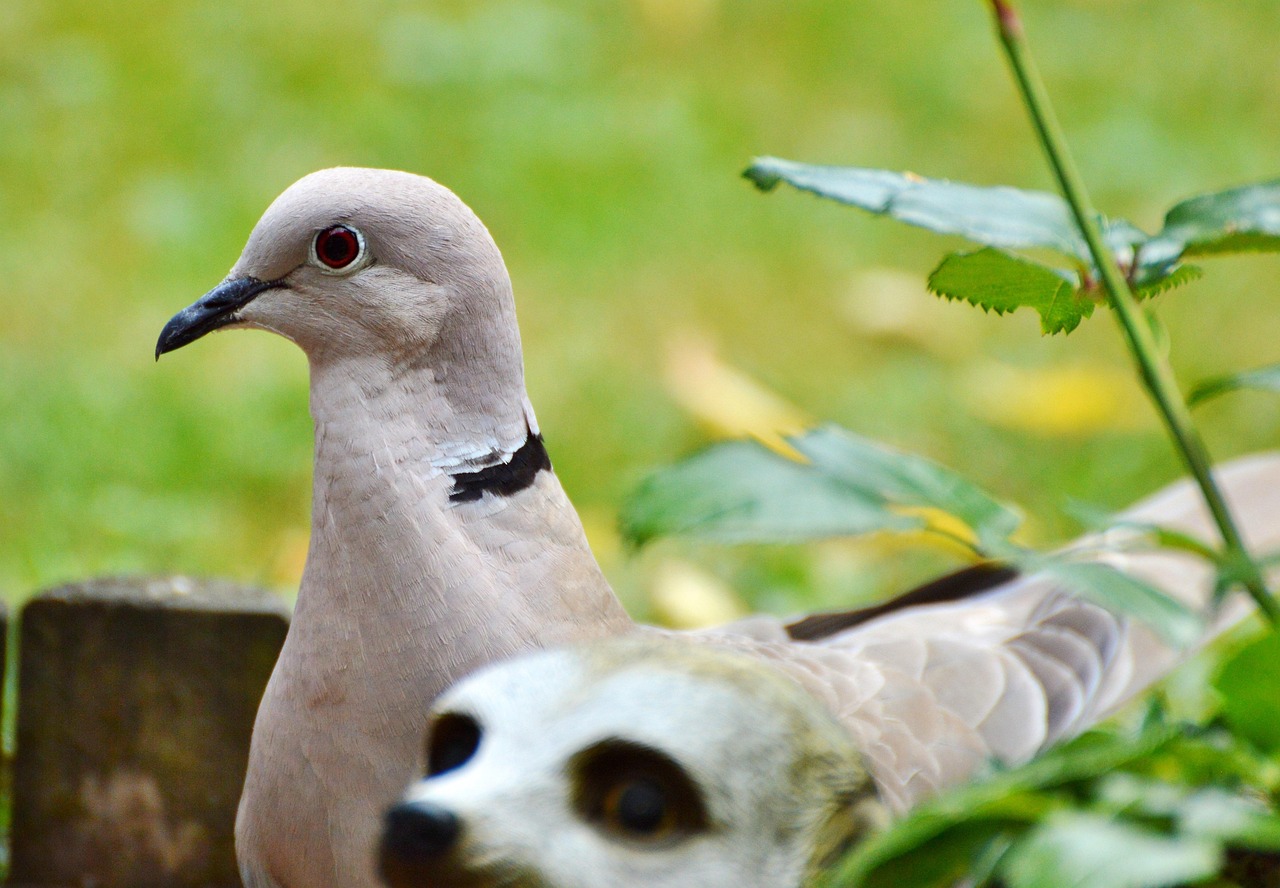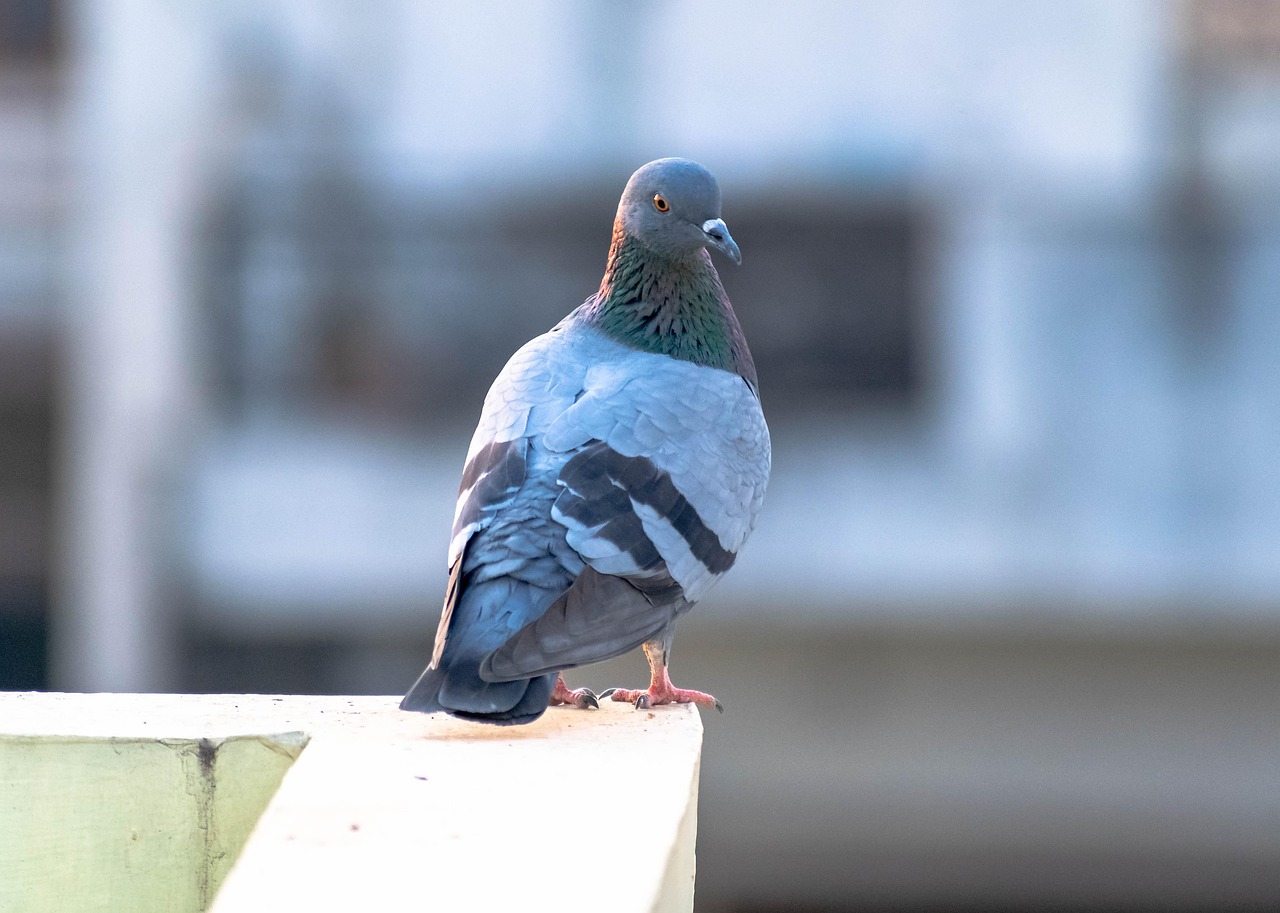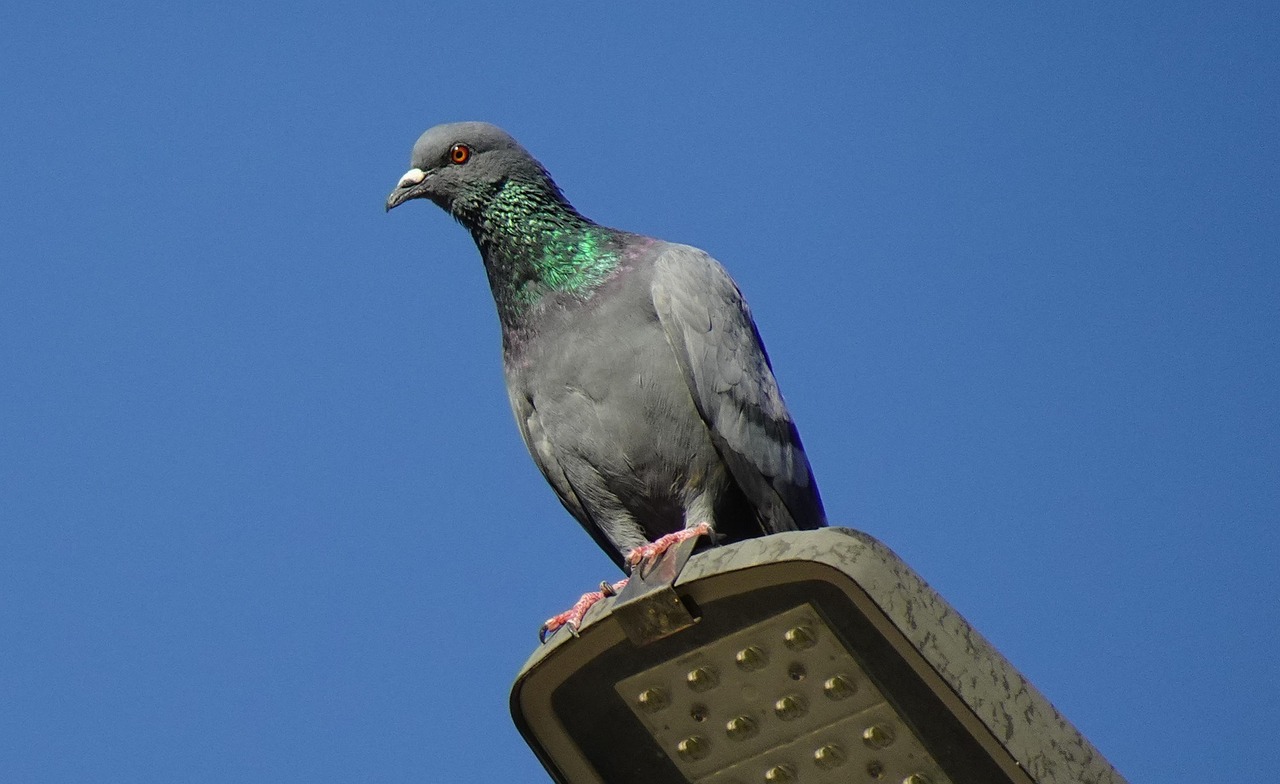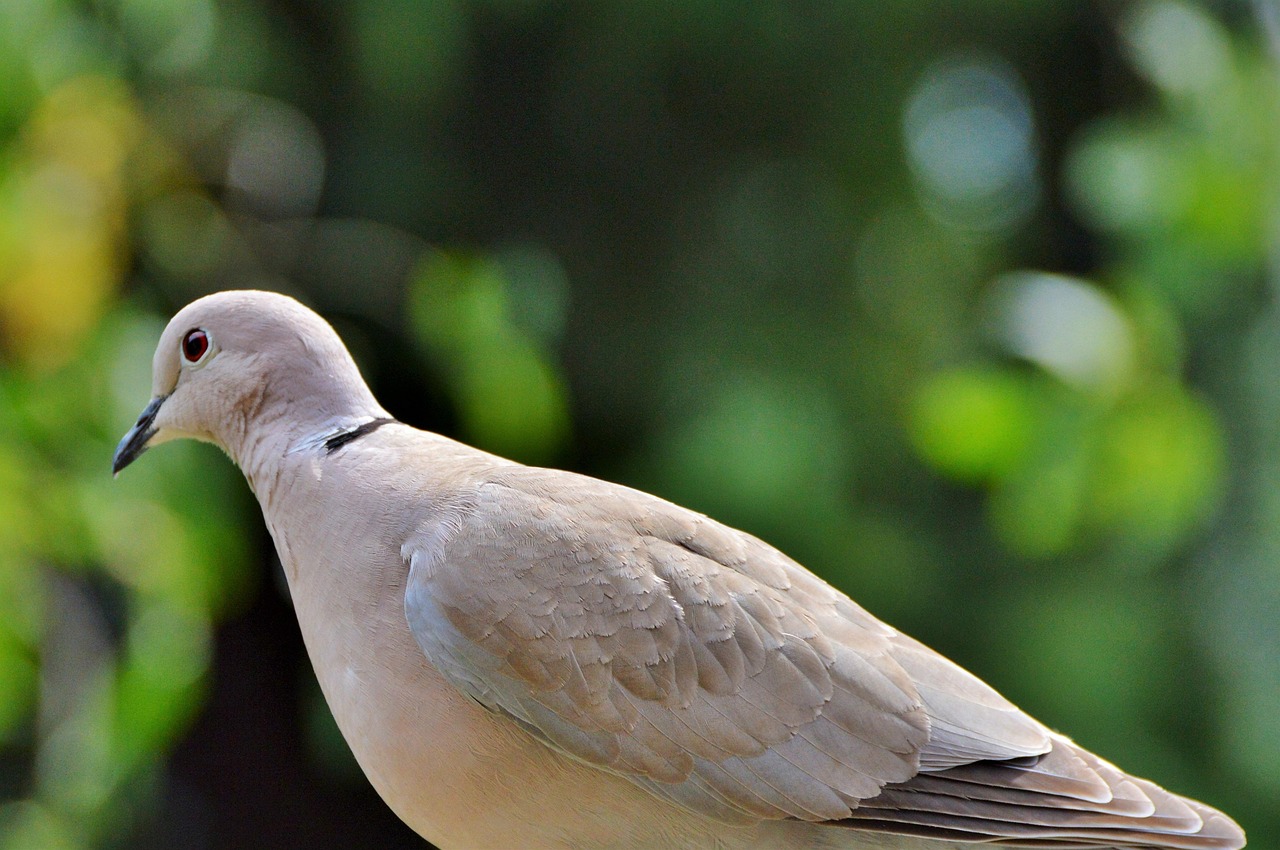
For pigeon enthusiasts, presenting rare breeds in their full glory is an art form that demands precision and passion. The right equipment can transform a simple exhibition into a breathtaking showcase, highlighting every intricate feather and unique characteristic. This guide delves into the essential tools and techniques for creating stunning displays and capturing professional-quality images of your prized pigeons.
Mastering the Show Cage Setup for Optimal Presentation
A well-designed show cage setup is the foundation of any successful pigeon exhibition, providing a safe and visually appealing environment that allows rare breeds to shine. It's not just about containment; it's about creating a stage that enhances the bird's natural beauty and behavior. Investing time in selecting and arranging the right cage can make a significant difference in how judges and spectators perceive your pigeons, turning a good display into an award-winning one.
Choosing the Right Cage Design and Materials
When selecting a cage for your show cage setup, prioritize designs that offer both security and visibility. Opt for cages made from durable, non-toxic materials like stainless steel or powder-coated wire, which resist corrosion and are easy to clean. The size should allow the pigeon to move comfortably without appearing cramped, typically around 24 inches in length for most breeds. Look for features such as removable trays for easy maintenance and smooth edges to prevent injuries. Aesthetic considerations matter too; choose colors that complement your pigeon's plumage, such as neutral tones like black or white, to avoid distracting from the bird itself. Remember, the cage should frame your pigeon, not overshadow it, making the design a critical element in your overall presentation strategy.
Enhancing Display with Accessories and Layout
Accessories play a key role in elevating your show cage setup from basic to exceptional. Start with a clean, soft substrate like wood shavings or specialized matting to provide comfort and absorb waste. Add perches that mimic natural branches, positioning them to encourage the pigeon to adopt a proud, upright posture. Incorporate subtle decorations, such as small plants or background panels, to create a cohesive theme that highlights the breed's origin or characteristics. When arranging multiple cages, ensure adequate spacing to prevent stress and allow each bird to be viewed individually. A thoughtful layout not only improves the visual appeal but also supports the pigeon's well-being during long exhibitions, making your display both beautiful and humane.
Optimizing Lighting for Pigeons to Showcase True Colors
Lighting for pigeons is a critical yet often overlooked aspect of display and photography, as it directly impacts how colors and textures are perceived. Proper illumination can reveal the subtle iridescence of feathers and enhance contrast, while poor lighting can wash out details or create unflattering shadows. By understanding the principles of light quality and direction, you can create an environment that makes your rare breeds look their absolute best, whether in person or through a camera lens.
Selecting the Best Light Sources and Color Temperatures
For effective lighting for pigeons, choose light sources that provide consistent, full-spectrum illumination. LED panels are ideal due to their energy efficiency, low heat output, and adjustable color temperatures. Aim for a color temperature around 5000-5500 Kelvin, which mimics natural daylight and renders colors accurately without casting a yellow or blue tint. Avoid harsh, direct lights that can cause glare or stress the birds; instead, use diffusers or softboxes to create even, gentle illumination. Position lights at multiple angles to eliminate shadows and highlight the pigeon's form, such as from above to accentuate the back and sides. Testing different setups before an event ensures you achieve the perfect balance, making every feather detail pop with clarity and vibrancy.
Avoiding Common Lighting Mistakes and Stress Reduction
Common mistakes in lighting for pigeons include using flickering bulbs or overly bright lights, which can disorient or stress the birds, leading to poor behavior during shows. To prevent this, opt for flicker-free LEDs and dimmable controls to adjust intensity based on the pigeon's comfort. Ensure lights are not too close to the cage to avoid overheating, and provide shaded areas where the bird can retreat if needed. Incorporate timers to simulate natural day-night cycles, promoting relaxation and natural posture. By prioritizing the pigeon's well-being in your lighting strategy, you not only enhance visual appeal but also support a calm, confident demeanor that impresses judges and photographers alike.
Advanced Photography Techniques for Capturing Rare Breeds
Photographing rare pigeons requires more than just a good camera; it involves techniques that highlight their unique features and personalities. From choosing the right equipment to mastering composition, advanced photography can immortalize your birds in stunning detail. This section explores how to leverage lighting and settings to create professional-grade images that showcase the elegance and rarity of your breeds.
Essential Camera Gear and Settings for Bird Photography
To capture sharp, detailed images, invest in a DSLR or mirrorless camera with a fast autofocus system and a lens suited for close-ups, such as a macro or telephoto lens with a focal length of 70-200mm. Use a wide aperture (e.g., f/2.8 to f/5.6) to create a shallow depth of field, blurring the background and focusing attention on the pigeon. Set a high shutter speed (1/500s or faster) to freeze motion, especially if the bird is active, and adjust ISO to maintain exposure without introducing noise. Incorporate the lighting for pigeons discussed earlier, using soft, diffused light to avoid harsh shadows. Practice with different angles, such as eye-level shots to engage viewers, and experiment with settings to find what works best for your specific breed and environment.
Composition and Post-Processing Tips for Impactful Images
Great composition starts with framing your pigeon within the context of its show cage setup, using elements like perches or backgrounds to guide the viewer's eye. Apply the rule of thirds by placing the bird off-center for a dynamic feel, and ensure the eyes are in focus to convey personality. In post-processing, use software like Adobe Lightroom to enhance colors, adjust contrast, and remove distractions, but avoid over-editing that makes the image look unnatural. Crop images to highlight key features, such as unique feather patterns or vibrant hues. By combining technical skills with artistic vision, you can create photographs that not only document your rare breeds but also tell a compelling story of their beauty and rarity.
Integrating Display and Photography for Maximum Impact
Combining a stellar show cage setup with expert lighting for pigeons and photography creates a cohesive presentation that wows audiences both in person and online. This integration allows you to showcase your rare breeds across multiple platforms, from live exhibitions to digital portfolios. By aligning these elements, you can build a strong brand around your pigeons, attracting attention from enthusiasts and judges alike.
Creating a Cohesive Visual Theme Across Platforms
Develop a consistent visual theme that ties together your show cage setup, lighting, and photography. Choose colors, materials, and accessories that reflect the breed's characteristics, such as earthy tones for rustic varieties or sleek designs for modern breeds. Use the same lighting setups for both display and photos to ensure color accuracy and mood consistency. When sharing images online or in print, include context shots that show the full display environment, highlighting how each element contributes to the overall appeal. This approach not only enhances professionalism but also makes your pigeons memorable, setting them apart in competitive settings.
Leveraging Technology for Enhanced Engagement
Incorporate technology to amplify your display and photography efforts. Use high-quality cameras with live-view capabilities to project images onto screens during shows, allowing larger audiences to appreciate details. Explore video recording to capture dynamic behaviors, complemented by the same lighting for pigeons used in stills. Share your work on social media and websites, optimizing images with SEO-friendly descriptions that include keywords like "show cage setup" and "lighting for pigeons." By embracing digital tools, you can extend the reach of your rare breeds, inspiring others and building a community around your passion for pigeon exhibition.
Conclusion
Mastering the art of displaying and photographing rare pigeons involves a blend of thoughtful equipment choices and creative techniques. From optimizing your show cage setup to perfecting lighting for pigeons, each element plays a vital role in highlighting the unique beauty of these breeds. By applying the insights shared here, you can create captivating presentations that impress judges and enthusiasts alike. For those looking to streamline their pigeon management and exhibition efforts, consider exploring tools like Ghawy – Pigeon Manager (غاوي – إدارة الحمام) to enhance your workflow and focus on what matters most: showcasing your birds' splendor.