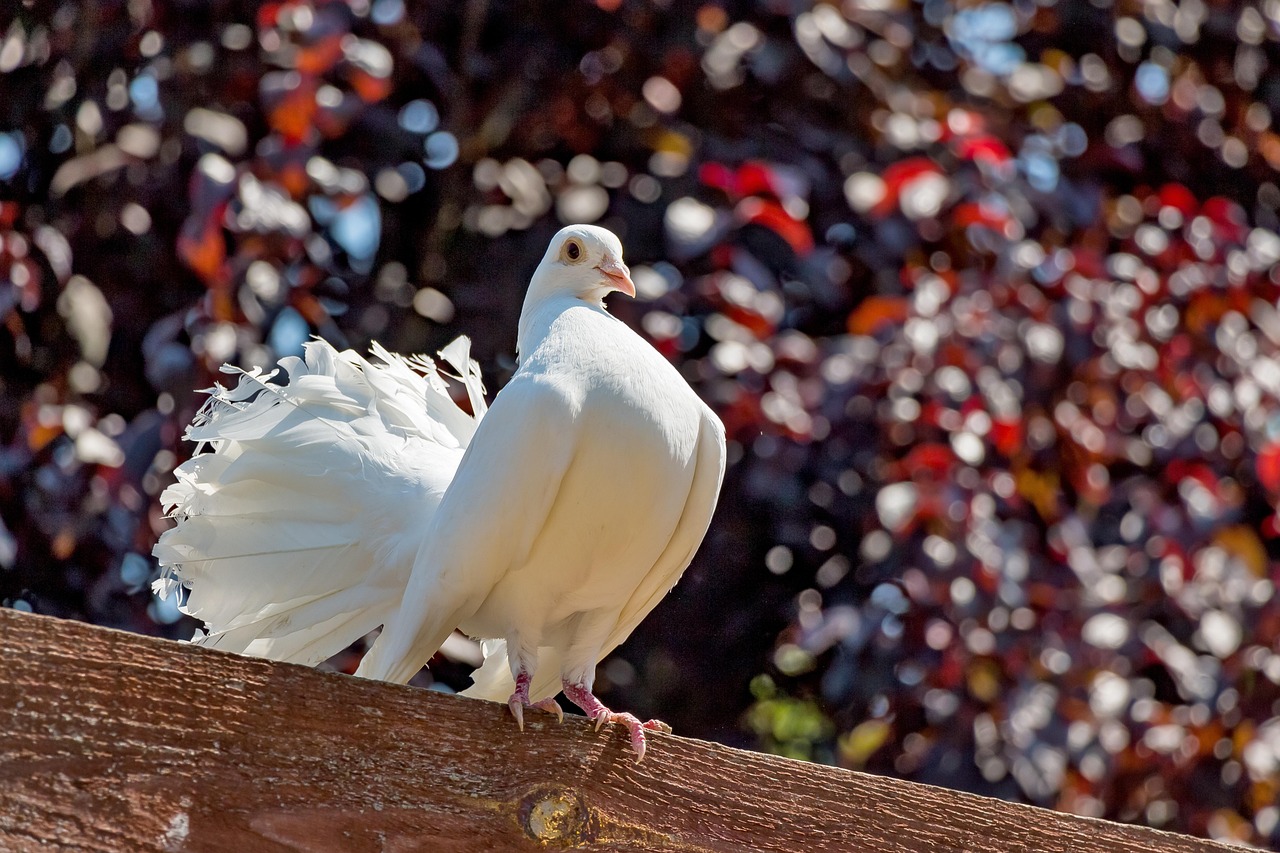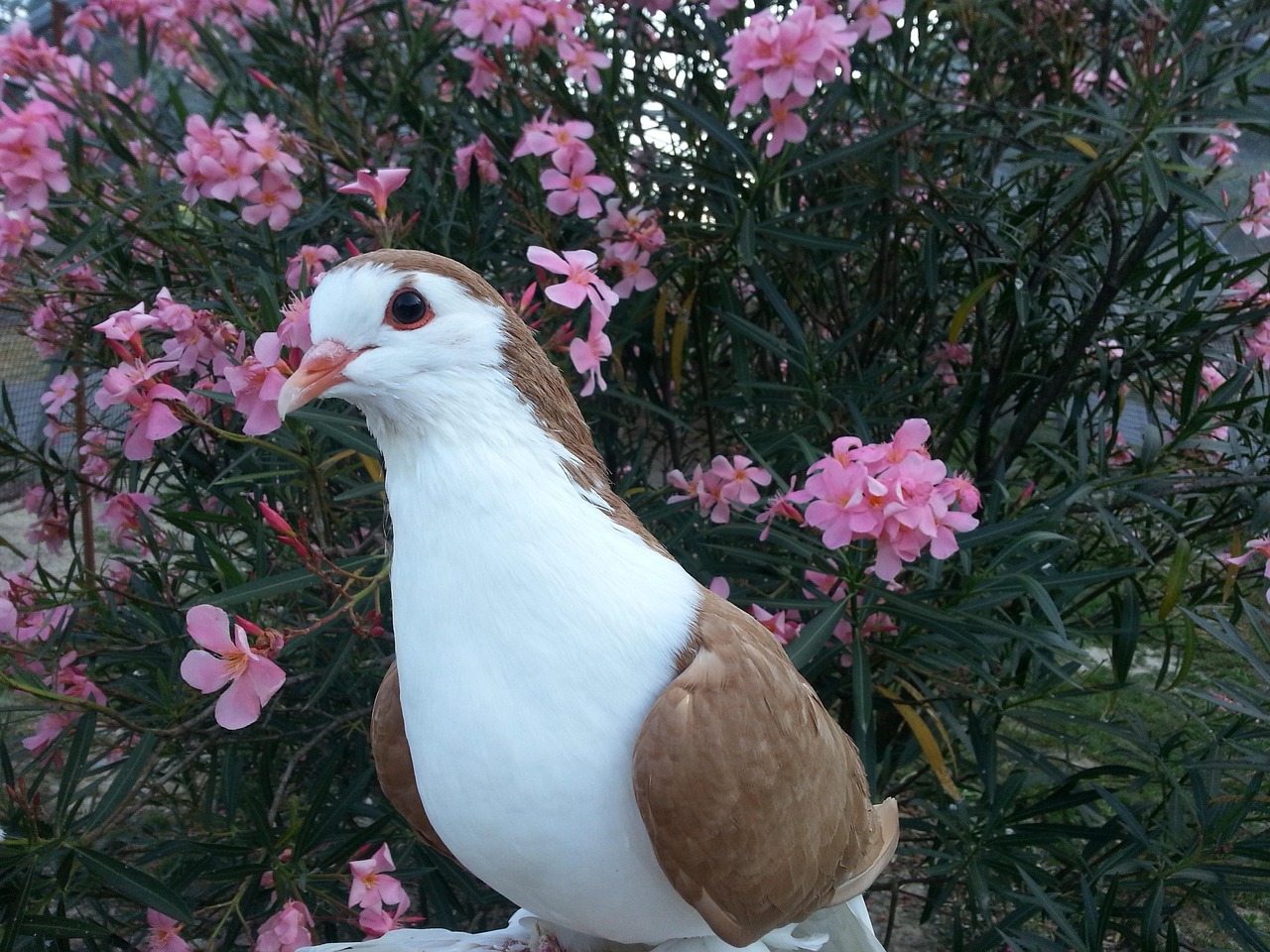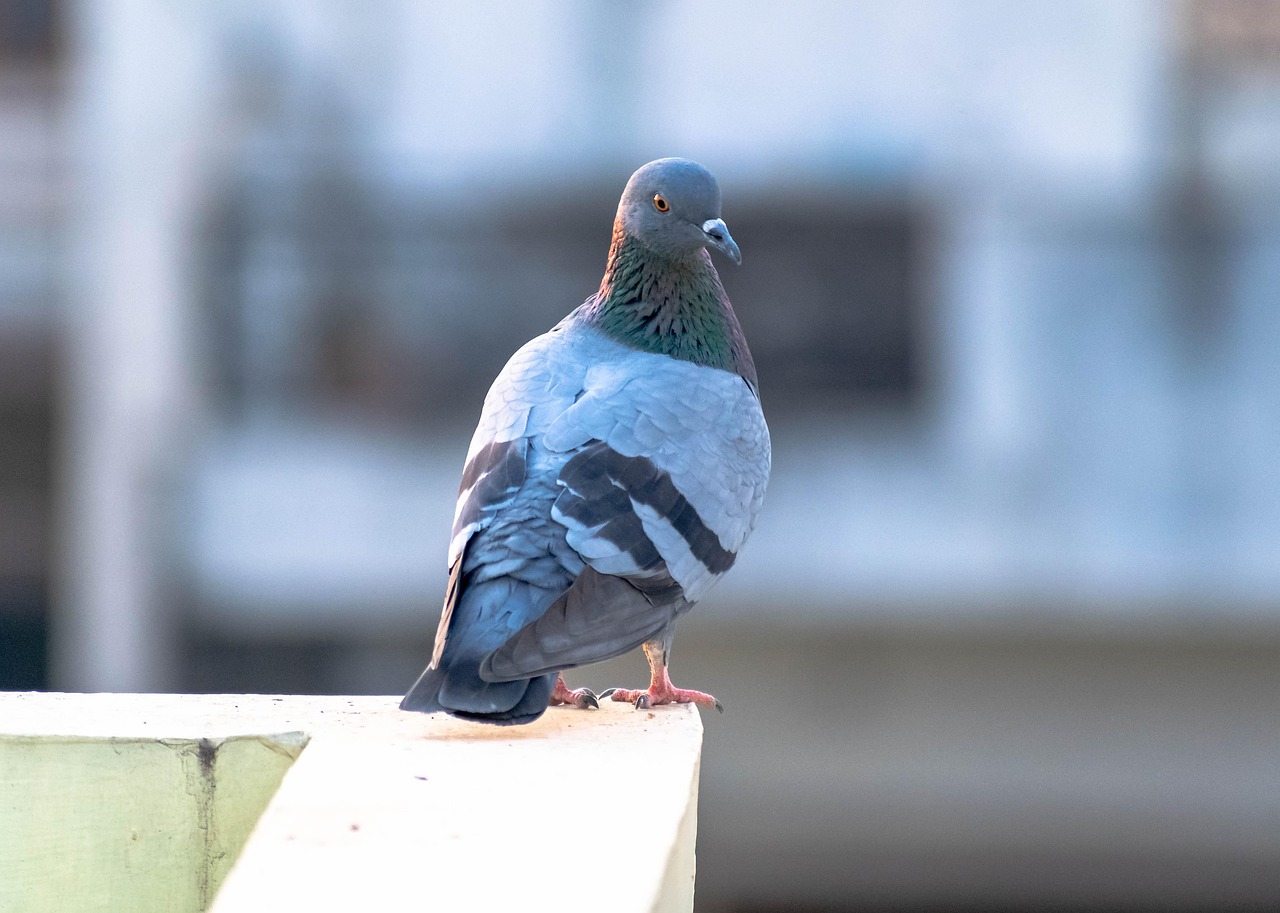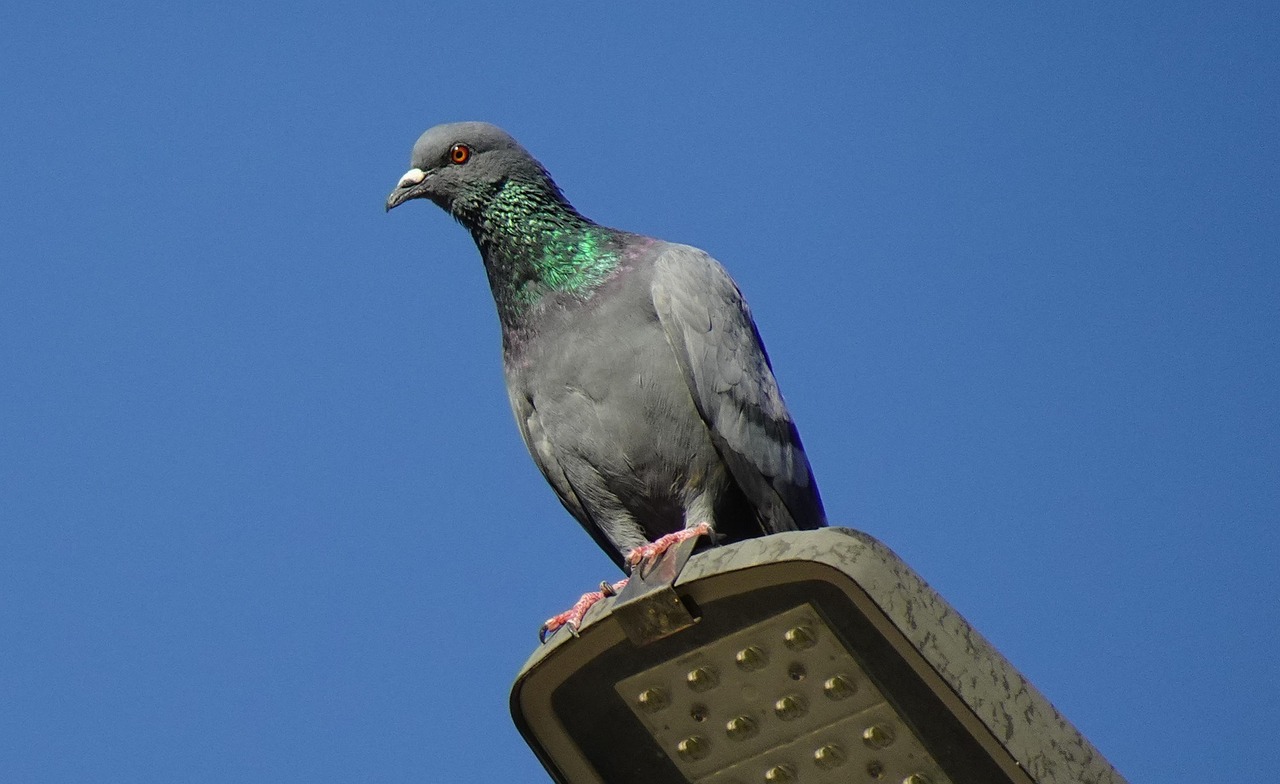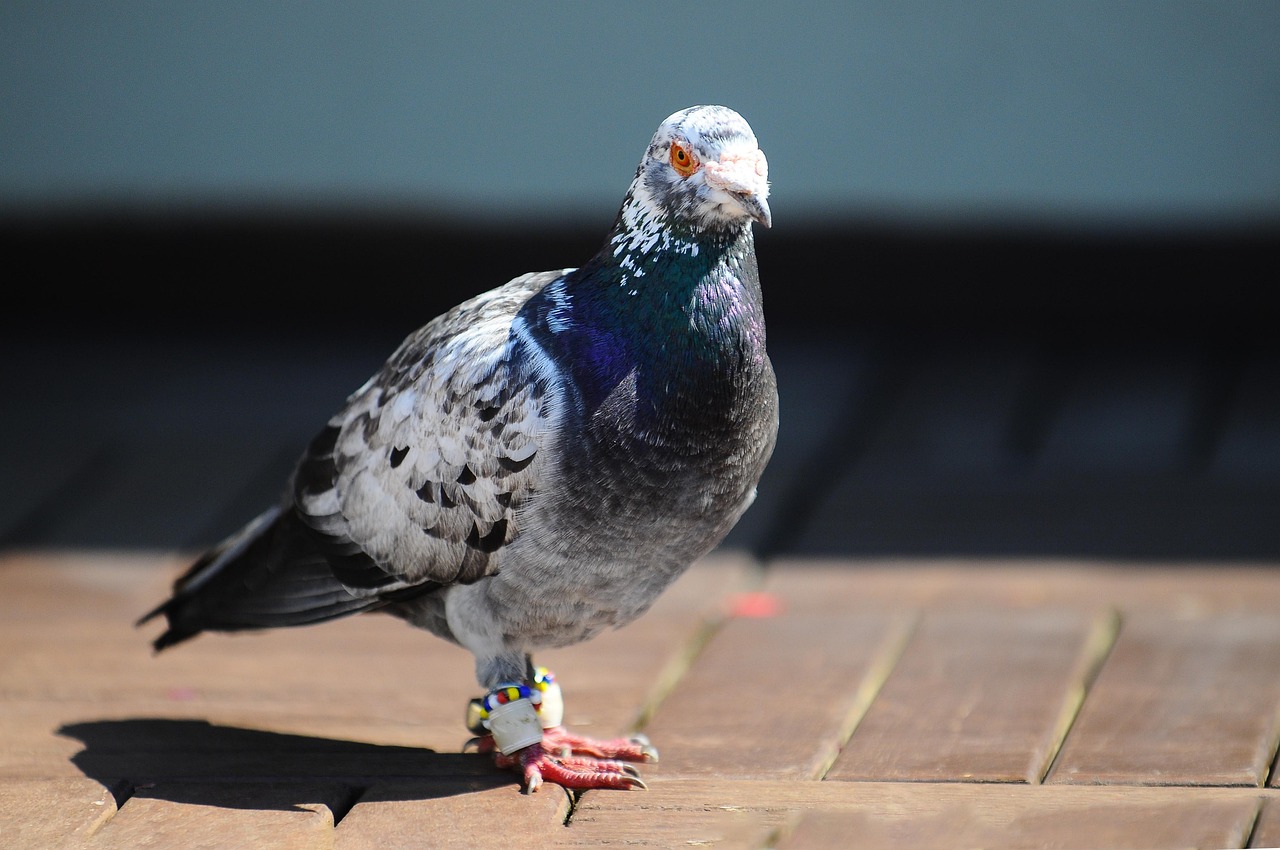
For pigeon enthusiasts, presenting rare breeds in their full glory is an art form that demands precision and passion. The right equipment can transform a simple exhibition into a breathtaking showcase, highlighting every intricate feather and unique characteristic. This guide delves into the essential tools and techniques for creating stunning displays and capturing professional-quality images of your prized pigeons.
Mastering the Show Cage Setup for Optimal Presentation
A well-designed show cage setup is the foundation of any successful pigeon exhibition, providing a safe and visually appealing environment that allows rare breeds to shine. It's not just about containment; it's about creating a stage that enhances the natural beauty and elegance of each bird. Investing time in selecting and arranging the right cage can make a significant difference in how judges and spectators perceive your pigeons, turning a good display into an award-winning one.
Choosing the Right Cage Design and Materials
When selecting a cage for your show cage setup, prioritize designs that offer both functionality and aesthetics. Opt for cages made from durable, non-toxic materials like stainless steel or powder-coated wire, which ensure longevity and safety for your birds. The size should allow the pigeon to move comfortably without appearing cramped, typically around 24 inches in length for most breeds. Look for cages with smooth edges and secure latches to prevent injuries and escapes, and consider models with removable trays for easy cleaning. A clean, well-maintained cage not only protects your pigeon's health but also reflects your dedication as an enthusiast.
Beyond basic construction, the visual appeal of the cage plays a crucial role in your show cage setup. Choose colors that complement your pigeon's plumage—neutral tones like black, white, or gray often work best to avoid distracting from the bird. Some cages come with decorative elements or custom engraving options, which can add a personal touch. Remember, the cage should frame your pigeon like a piece of art, so avoid overly ornate designs that might overshadow the bird itself. Test the setup beforehand to ensure it's stable and doesn't cause stress to your pigeon during exhibitions.
Enhancing Display with Accessories and Arrangement
Accessories can elevate your show cage setup from basic to brilliant, adding layers of visual interest and comfort for your pigeon. Start with a high-quality perch that mimics natural branches, providing a secure grip and encouraging natural postures. Include a small water dish and feed container that are easy to refill without disturbing the bird. For added flair, consider incorporating subtle background elements like faux foliage or themed backdrops that highlight your pigeon's rarity, but keep them minimal to avoid clutter. The goal is to create a cohesive look that tells a story about the breed's heritage and uniqueness.
Arrangement is key to a successful show cage setup; position the cage at eye level to engage viewers and judges effectively. Ensure there's adequate space around it to prevent overcrowding and allow for easy viewing from all angles. Use lighting strategically to illuminate the cage without causing glare, and consider adding informational placards that detail the breed's history and characteristics. During setup, observe your pigeon's behavior to make adjustments—if the bird seems anxious, simplify the accessories or provide more hiding spots. A well-arranged cage not only showcases your pigeon but also demonstrates your expertise and care.
Optimizing Lighting for Pigeons to Highlight Rare Features
Lighting for pigeons is a critical element in both display and photography, as it can dramatically enhance the visibility of rare traits like iridescent feathers or unique color patterns. Proper lighting ensures that every detail is visible, from the subtle sheen on a wing to the intricate markings around the eyes. By understanding how different light sources and angles affect appearance, you can create setups that make your pigeons look their absolute best, whether in a show ring or in photographs shared with fellow enthusiasts.
Selecting the Best Light Sources and Techniques
When choosing light sources for lighting for pigeons, aim for a balance between natural and artificial options to achieve optimal results. Natural daylight is ideal for showcasing true colors, so position cages near windows or in well-lit areas during exhibitions, but avoid direct sunlight that can cause overheating or glare. For controlled environments, use LED panels or softbox lights that provide consistent, diffused illumination without harsh shadows. These tools allow you to adjust brightness and color temperature to match your pigeon's plumage, enhancing features like metallic greens or blues in rare breeds. Experiment with different setups to find what works best for your specific birds.
Techniques in lighting for pigeons involve more than just turning on a light; it's about direction and intensity to create depth and dimension. Use side lighting to emphasize texture and feather details, or front lighting to reduce shadows and highlight overall form. For photography, consider using reflectors to bounce light into darker areas, ensuring no feature is lost. Avoid fluorescent lights that can distort colors, and always test the setup with your pigeon present to observe their reaction—some birds may be sensitive to certain lights. By mastering these techniques, you can make your rare pigeons stand out in any setting.
Avoiding Common Lighting Mistakes and Ensuring Bird Comfort
Common mistakes in lighting for pigeons can detract from your display or cause stress to your birds, so it's essential to be mindful of potential issues. Overly bright lights can create glare that obscures details or causes discomfort, so always use dimmers or diffusers to soften the intensity. Avoid placing lights too close to the cage, as heat buildup can be harmful; maintain a safe distance and monitor temperature regularly. Another pitfall is using inconsistent lighting that changes throughout the day, which can make your pigeon appear different in photos versus in person. Stick to a consistent setup to ensure reliability.
Ensuring bird comfort is paramount when implementing lighting for pigeons; observe your birds for signs of stress like excessive preening or avoidance behavior. Provide shaded areas within the cage where pigeons can retreat if the light becomes too intense, and schedule lighting sessions during their active periods to minimize disruption. For photography, use quick, non-invasive flashes or continuous lights to reduce anxiety. Remember, a comfortable pigeon will exhibit natural behaviors and postures, making for a more authentic and appealing display. By prioritizing welfare alongside aesthetics, you create a winning combination that benefits both you and your birds.
Photography Gear for Capturing Stunning Pigeon Images
Capturing the beauty of rare pigeons through photography requires specialized gear that can handle the unique challenges of bird imaging. From cameras with fast autofocus to lenses that highlight intricate details, the right equipment ensures you can preserve and share your pigeons' elegance with the world. This section explores essential tools and tips for taking professional-quality photos that do justice to your rare breeds, whether for competition entries or personal portfolios.
Essential Camera Equipment and Lenses
Investing in the right camera equipment is crucial for pigeon photography; a DSLR or mirrorless camera with high resolution and fast shutter speeds allows you to capture sharp, detailed images even with moving subjects. Look for models with good low-light performance to complement your lighting for pigeons setups, and consider cameras with animal eye autofocus for tracking your bird's movements accurately. Pair your camera with a versatile lens, such as a macro lens for close-up shots of feathers or a telephoto lens for candid shots from a distance. These tools enable you to experiment with different perspectives and highlight the uniqueness of each breed.
Lenses play a key role in defining the quality of your pigeon photos; prime lenses with wide apertures (e.g., f/1.8 to f/2.8) create beautiful background blur that makes your subject pop, while zoom lenses offer flexibility for varying distances. For rare breeds with subtle markings, a lens with image stabilization can help reduce blur in handheld shots. Don't forget accessories like tripods for stability during longer sessions or remote shutters to minimize camera shake. By selecting gear that matches your photography style and your pigeons' behavior, you can consistently produce images that captivate and inform.
Composition and Editing Tips for Enhanced Results
Composition is the art of arranging elements within your frame to create visually appealing pigeon photos; use techniques like the rule of thirds to position your bird off-center for a dynamic look. Focus on the eyes to convey personality and emotion, and include negative space to emphasize rarity and elegance. Pay attention to backgrounds—choose simple, uncluttered settings that don't distract from your pigeon, or use natural environments that reflect the breed's habitat. Experiment with angles, such as shooting from below to showcase stature or from above to highlight plumage patterns, to add variety to your portfolio.
Editing is the final step in perfecting your pigeon photography; use software like Adobe Lightroom or free alternatives to adjust exposure, contrast, and colors to match the true appearance of your birds. Enhance details like feather textures without over-editing, which can make images look unnatural. Crop images to improve composition and remove distractions, and consider adding subtle vignettes to draw focus to your subject. Always keep backups of original files for reference. By combining thoughtful composition with careful editing, you can create stunning images that celebrate the beauty of your rare pigeons and share their story effectively.
Integrating Display and Photography for Maximum Impact
Combining an effective show cage setup with skilled photography creates a powerful synergy that amplifies the appeal of rare pigeons. This integration allows you to showcase your birds in real-time during exhibitions while preserving their beauty through images for broader audiences. By aligning your display and photographic efforts, you can build a cohesive brand around your pigeons, attracting attention from judges, buyers, and fellow enthusiasts alike.
Creating a Cohesive Visual Strategy
Develop a visual strategy that ties together your show cage setup and photography, ensuring consistency across all platforms. Use similar color schemes and themes in both your physical displays and photo backgrounds to create a recognizable style. For example, if your show cage setup features minimalist designs, apply the same aesthetic in your photos with clean, simple backdrops. This coherence helps build a strong visual identity for your rare breeds, making them more memorable and professional. Document your setups with photos to refine techniques and share insights with others in the community.
Incorporate feedback from exhibitions into your photography; observe how lighting and angles affect viewer perception and adjust your shots accordingly. Use your photos to promote upcoming shows or highlight award-winning moments, leveraging social media and websites to reach a wider audience. By treating display and photography as complementary tools, you can maximize the impact of your rare pigeons, turning them into ambassadors for your passion. This approach not only enhances individual presentations but also contributes to the broader appreciation of rare breeds.
Leveraging Technology for Enhanced Engagement
Embrace technology to elevate your integration of display and photography; use digital frames or tablets near your show cage setup to display high-quality images or videos of your pigeons in action. This adds an interactive element that engages viewers and provides additional context about the breed's characteristics. For photography, explore tools like drone cameras for aerial shots or 360-degree cameras for immersive experiences, though always prioritize bird safety and comfort. Share these multimedia assets online to build a following and connect with global pigeon enthusiasts.
Consider creating a digital portfolio that combines photos with descriptions of your show cage setup and lighting techniques, offering educational value to others. Use analytics from online platforms to understand what resonates with audiences and refine your strategies. By staying updated with technological advancements, you can keep your presentations fresh and innovative. Remember, the goal is to celebrate rare pigeons in ways that inspire and inform, blending tradition with modern tools for lasting impact.
Conclusion
Mastering the art of showcasing rare pigeons involves a thoughtful blend of a well-planned show cage setup, optimized lighting for pigeons, and professional photography gear. By focusing on these elements, you can highlight the unique beauty of each breed, ensuring they stand out in exhibitions and images alike. Remember to prioritize bird comfort and natural presentation, as authenticity enhances appeal. For those looking to streamline their pigeon management and exhibition efforts, consider exploring tools like Ghawy – Pigeon Manager (غاوي – إدارة الحمام) to support your journey. With dedication and the right techniques, you can turn your passion into a captivating showcase that honors these magnificent birds.