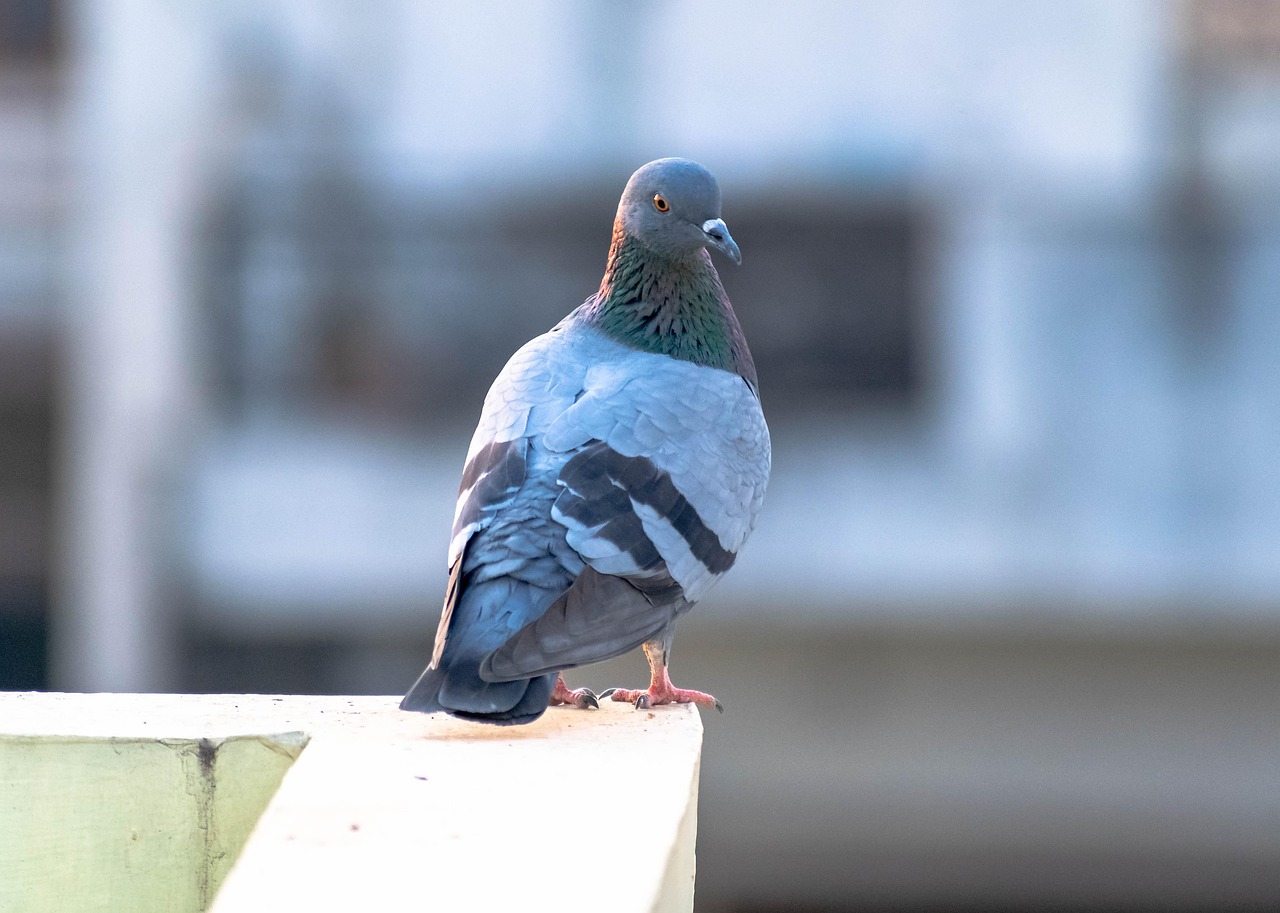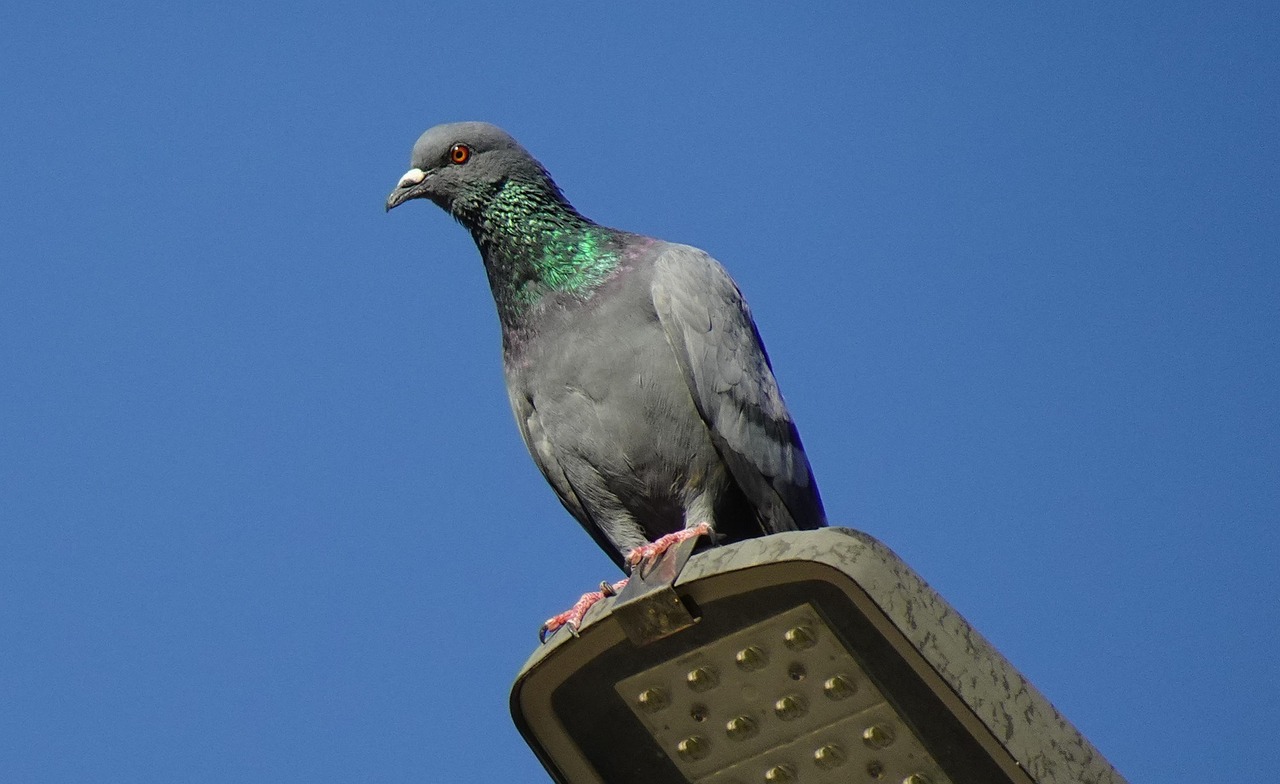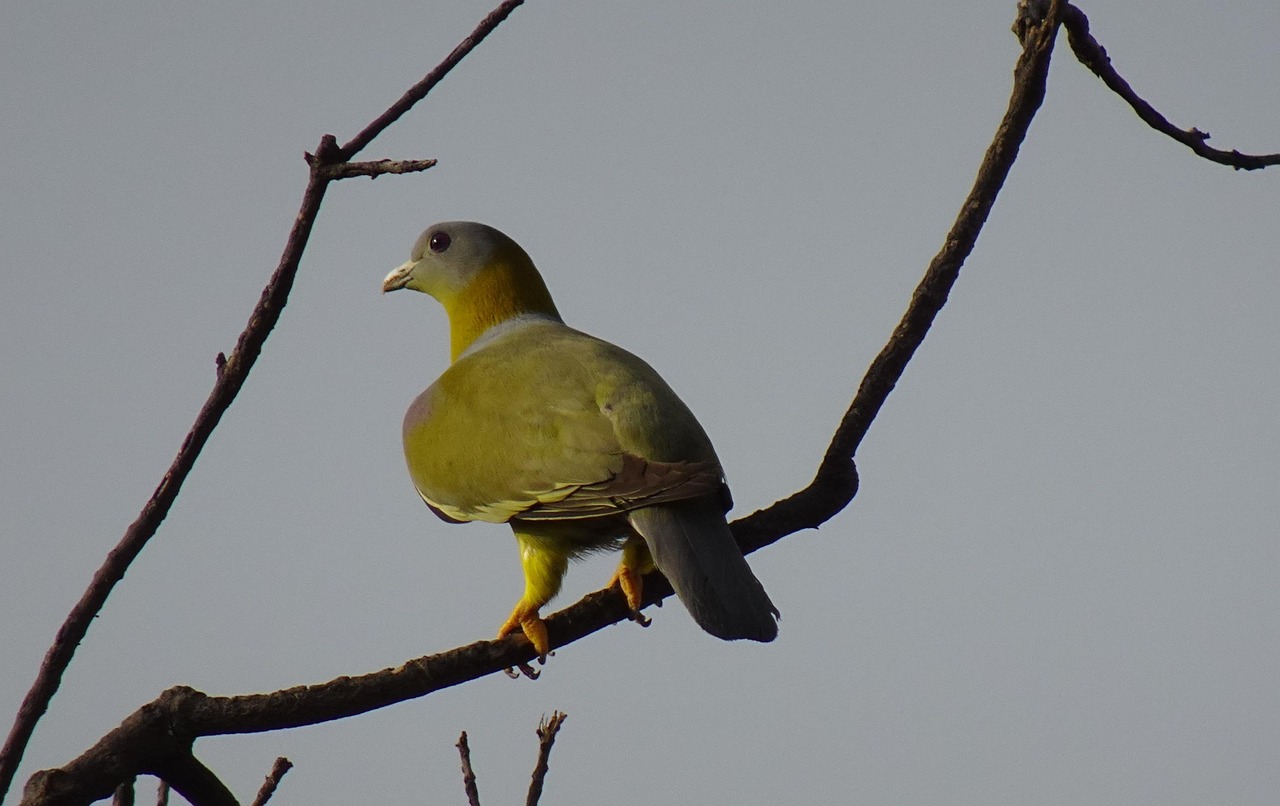
For pigeon enthusiasts, presenting rare breeds in their full glory is both an art and a science. The right equipment can transform a simple display into a captivating showcase, highlighting unique features and enhancing the birds' natural beauty. This guide delves into the best tools and techniques for exhibition and photography, ensuring your prized pigeons shine in any setting.
Mastering the Show Cage Setup for Optimal Presentation
A well-designed show cage setup is the foundation of any successful pigeon exhibition. It not only provides a safe and comfortable environment for the birds but also frames them in a way that accentuates their best attributes. Investing in quality cages tailored to your breed's size and behavior can make a significant difference in how judges and spectators perceive your pigeons.
Choosing the Right Cage Design and Materials
When selecting a cage, consider factors like durability, visibility, and ease of cleaning. Stainless steel or powder-coated metal cages are ideal for their longevity and resistance to corrosion, ensuring they remain pristine over time. The design should include ample space for the pigeon to move naturally without feeling cramped, with bars spaced appropriately to prevent injury while allowing clear viewing. A modular setup can be beneficial for shows, enabling quick assembly and customization based on the venue layout.
Additionally, focus on features that enhance the pigeon's comfort, such as non-slip perches and secure latches. A good show cage setup should also incorporate elements that minimize stress, like covered sections for privacy when needed. By prioritizing both aesthetics and functionality, you create an environment where rare breeds can relax and display their true character, making them more appealing to evaluators.
Enhancing Display with Strategic Accessories
Accessories play a crucial role in elevating your show cage setup from basic to exceptional. Start with clean, neutral-colored liners or substrates that contrast with the pigeon's plumage, drawing attention to its colors and patterns without distraction. Incorporate decorative elements sparingly, such as natural branches or custom backdrops, to create a visually appealing scene that mimics the bird's natural habitat.
- Use removable trays for easy cleaning and maintenance during events.
- Add identification tags with breed information to educate viewers.
- Consider portable stands to adjust height and improve visibility for all angles.
These touches not only improve the overall presentation but also demonstrate your dedication as an exhibitor. Remember, the goal is to showcase the pigeon's beauty, so avoid overcrowding the cage with unnecessary items that could detract from its features.
Optimizing Lighting for Pigeons in Photography and Shows
Lighting for pigeons is a critical element that can make or break both live displays and photographic sessions. Proper illumination highlights the intricate details of feathers, eyes, and posture, bringing out the subtle nuances that define rare breeds. Whether you're preparing for a competition or capturing images for promotion, understanding how to manipulate light is key to achieving stunning results.
Natural vs. Artificial Light: Balancing for Best Effects
Natural light, such as soft morning or late afternoon sun, often provides the most flattering illumination for pigeons, enhancing their colors without harsh shadows. Position cages near windows or in outdoor setups to take advantage of this, but be mindful of direct sunlight that can cause overheating or glare. For indoor shows or controlled environments, artificial lighting offers consistency and flexibility. LED panels with adjustable color temperature are excellent choices, as they can mimic natural light and reduce stress on the birds.
When using artificial sources, aim for even, diffuse lighting that minimizes reflections and hotspots. Softboxes or umbrellas can help spread light gently across the pigeon, emphasizing texture without overwhelming it. Experiment with angles to find what best showcases your breed's unique traits, such as side lighting to highlight feather iridescence or front lighting for clear facial features. By mastering this balance, you ensure your pigeons look their best in any setting.
Avoiding Common Lighting Mistakes in Pigeon Displays
One of the biggest pitfalls in lighting for pigeons is using overly bright or direct sources that cause discomfort or distorted appearances. Avoid fluorescent bulbs that can cast unflattering hues, and steer clear of flashing lights that may startle the birds. Instead, opt for continuous, steady illumination that allows pigeons to remain calm and natural. Test your setup beforehand to identify any issues, such as shadows that obscure key features or reflections that distract from the bird.
Another common mistake is neglecting the background lighting, which can create depth and separation in photographs. Use backlighting or fill lights to outline the pigeon against its surroundings, making it stand out vividly. For shows, ensure the lighting is consistent across all cages to provide a fair viewing experience. By addressing these aspects, you enhance both the welfare of your pigeons and the visual impact of your display, leading to more successful exhibitions.
Photography Equipment for Capturing Rare Breed Details
High-quality photography is essential for documenting and promoting rare pigeon breeds, allowing enthusiasts to share their beauty with a wider audience. The right camera gear, combined with proper techniques, can capture every detail from feather patterns to expressive eyes. This section explores the tools and methods needed to produce professional-grade images that do justice to these magnificent birds.
Essential Camera Gear and Lenses for Bird Photography
Invest in a DSLR or mirrorless camera with manual controls to have full creative freedom over your shots. A camera with a high-resolution sensor is particularly important for capturing fine details, such as the texture of feathers or the sparkle in a pigeon's eye. Pair it with a versatile lens, like a 70-200mm zoom, which allows you to shoot from a distance without disturbing the bird while still achieving sharp, close-up images. Macro lenses can also be useful for extreme detail work, highlighting unique markings or colors.
Additionally, consider accessories like a sturdy tripod to eliminate camera shake and ensure crisp photos, especially in low-light conditions. Remote shutter releases can help you take shots without touching the camera, reducing vibrations. For dynamic action shots, a fast autofocus system is crucial to keep up with moving pigeons. By selecting gear that matches your needs, you set the stage for stunning photographs that showcase rare breeds in all their glory.
Composition and Editing Tips for Stunning Pigeon Portraits
Great photography goes beyond equipment; it involves thoughtful composition and post-processing. When framing your shots, use techniques like the rule of thirds to create balanced images that draw the viewer's eye to the pigeon. Focus on the bird's head and eyes to convey personality, and experiment with different angles, such as low perspectives to emphasize stature or overhead views to show plumage patterns. A clean, uncluttered background helps the pigeon stand out, so position it against neutral tones or natural elements.
In editing, use software like Adobe Lightroom to enhance colors, adjust exposure, and sharpen details without overdoing it. Aim for a natural look that reflects the pigeon's true appearance, avoiding heavy filters that distort reality. Cropping can improve composition, but retain enough resolution for prints or online sharing. By combining these skills with your gear, you produce images that not only document your breeds but also inspire others in the pigeon community.
Integrating Display and Photography for Maximum Impact
Combining an effective show cage setup with strategic lighting for pigeons creates a cohesive presentation that excels in both live shows and photographic records. This integration ensures consistency across different mediums, reinforcing the breed's appeal and your expertise as an exhibitor. By aligning your display and photography efforts, you build a stronger brand and engage more effectively with audiences.
Creating a Cohesive Visual Story for Exhibitions
Start by designing your show cage setup with photography in mind, using elements that translate well to images, such as complementary colors and clean lines. Coordinate lighting across both settings to maintain a uniform look, so photos accurately represent what viewers see in person. During events, take advantage of the display to capture candid shots that highlight the pigeon's behavior and interaction with its environment, adding depth to your portfolio.
This approach not only enhances the immediate presentation but also provides valuable content for marketing and education. Share these images on social media or breed registries to attract interest and showcase your achievements. By treating display and photography as interconnected components, you maximize the impact of your efforts, making your rare breeds more memorable and respected in the community.
Leveraging Technology for Enhanced Engagement
Incorporate modern tools like digital displays or QR codes linked to high-resolution photos and breed information at shows. This allows spectators to explore details beyond the cage, fostering deeper engagement. Use online platforms to host virtual tours or galleries, extending the reach of your display to a global audience. By embracing technology, you bridge the gap between physical exhibitions and digital storytelling, amplifying the beauty of your pigeons.
Remember, consistency is key—ensure your online presence reflects the same quality and care as your live setups. Update your content regularly with new photos and insights to keep followers engaged. This holistic strategy not only boosts your reputation but also contributes to the preservation and appreciation of rare pigeon breeds worldwide.
Conclusion
Mastering the art of showcasing rare pigeons requires attention to detail in both display and photography. From a thoughtful show cage setup that prioritizes comfort and aesthetics to precise lighting for pigeons that highlights their unique features, every element plays a role in presenting these birds at their best. By investing in quality equipment and honing your techniques, you can create compelling exhibitions and stunning images that celebrate the beauty of rare breeds. For those looking to streamline their management and presentation efforts, tools like Ghawy – Pigeon Manager (غاوي – إدارة الحمام) offer valuable support in organizing and optimizing your pigeon care journey.