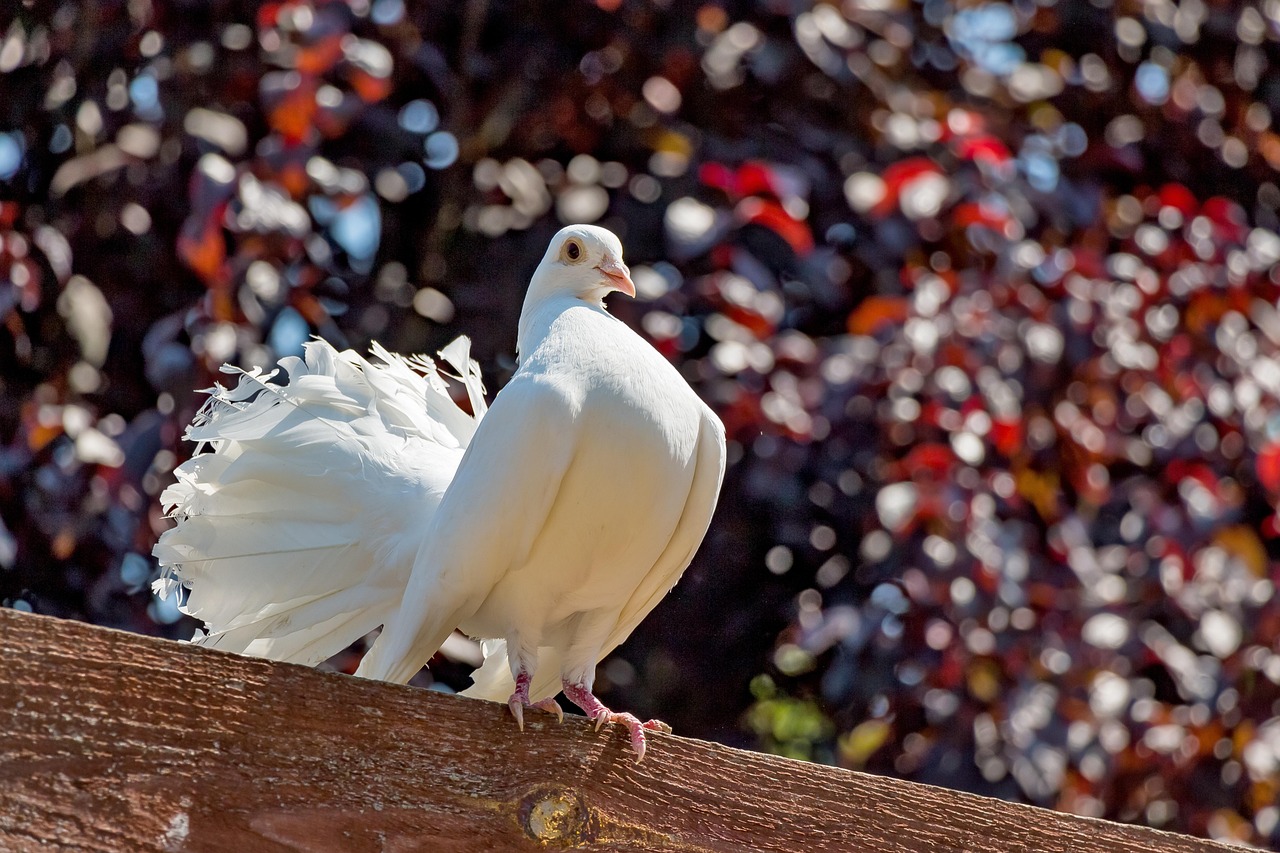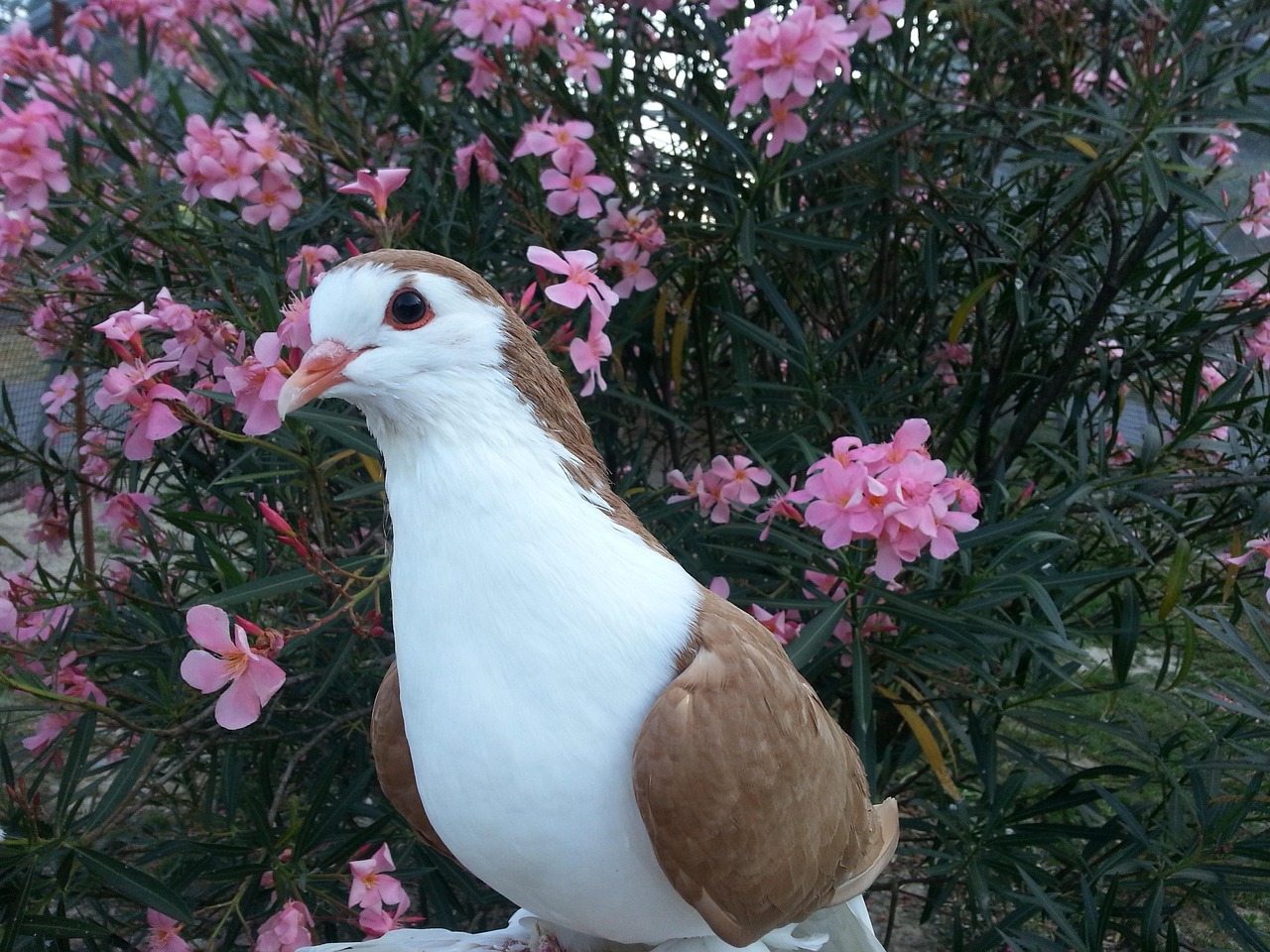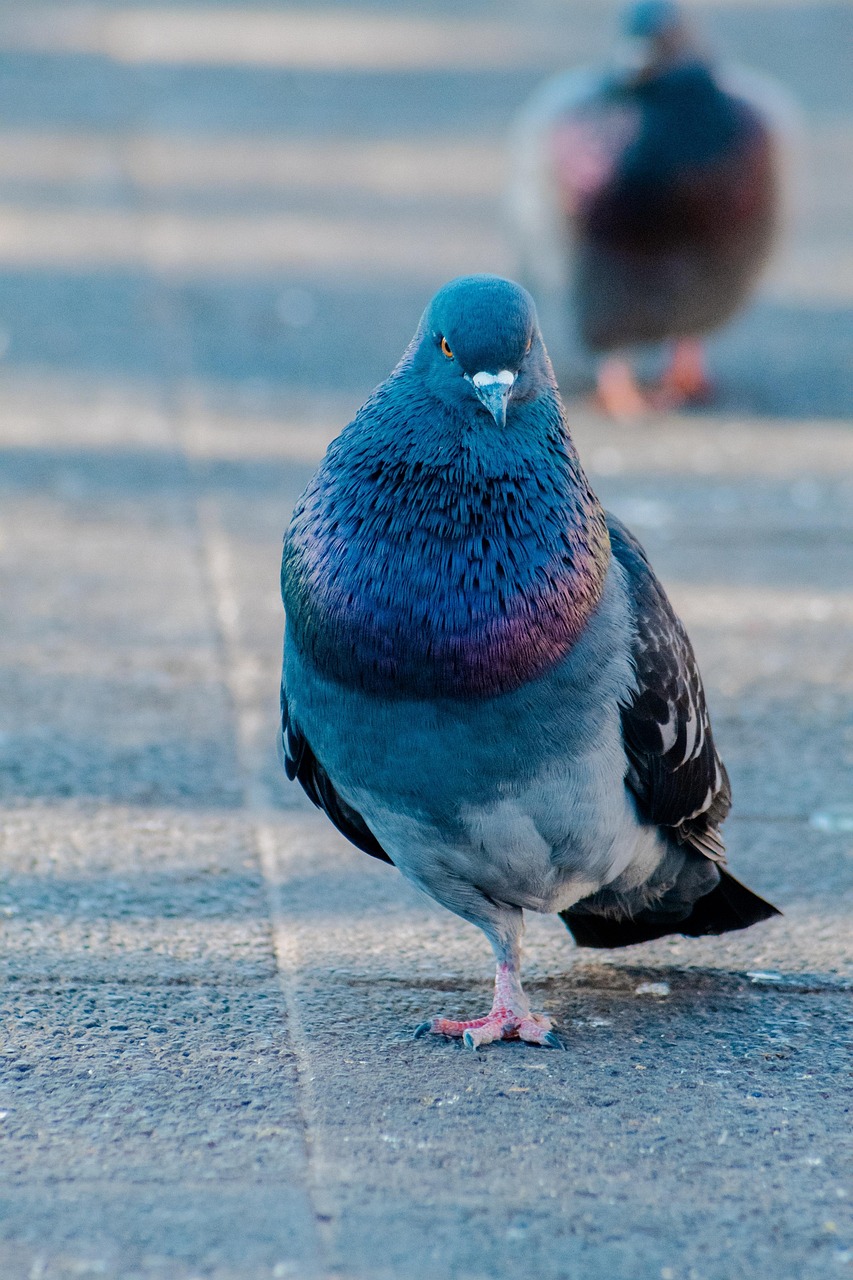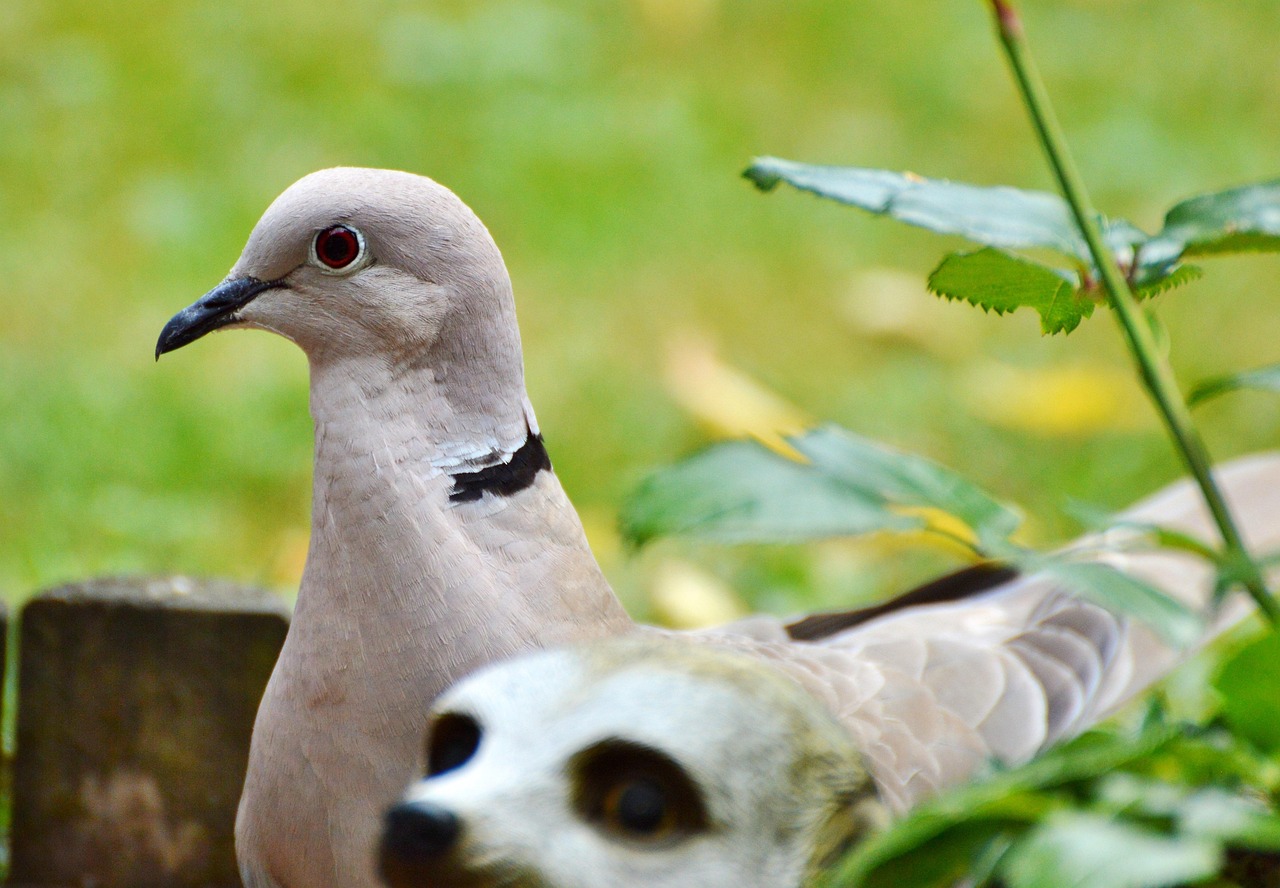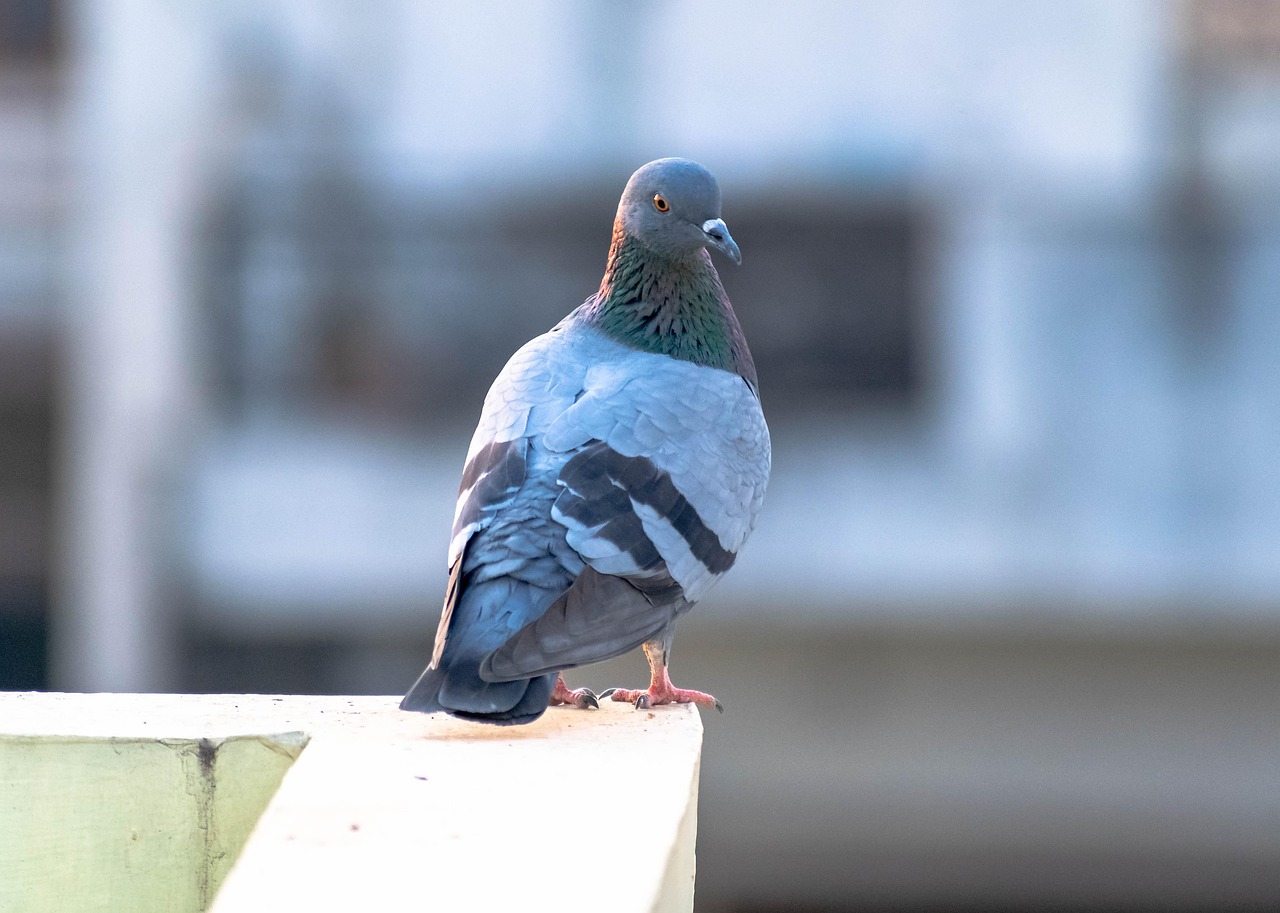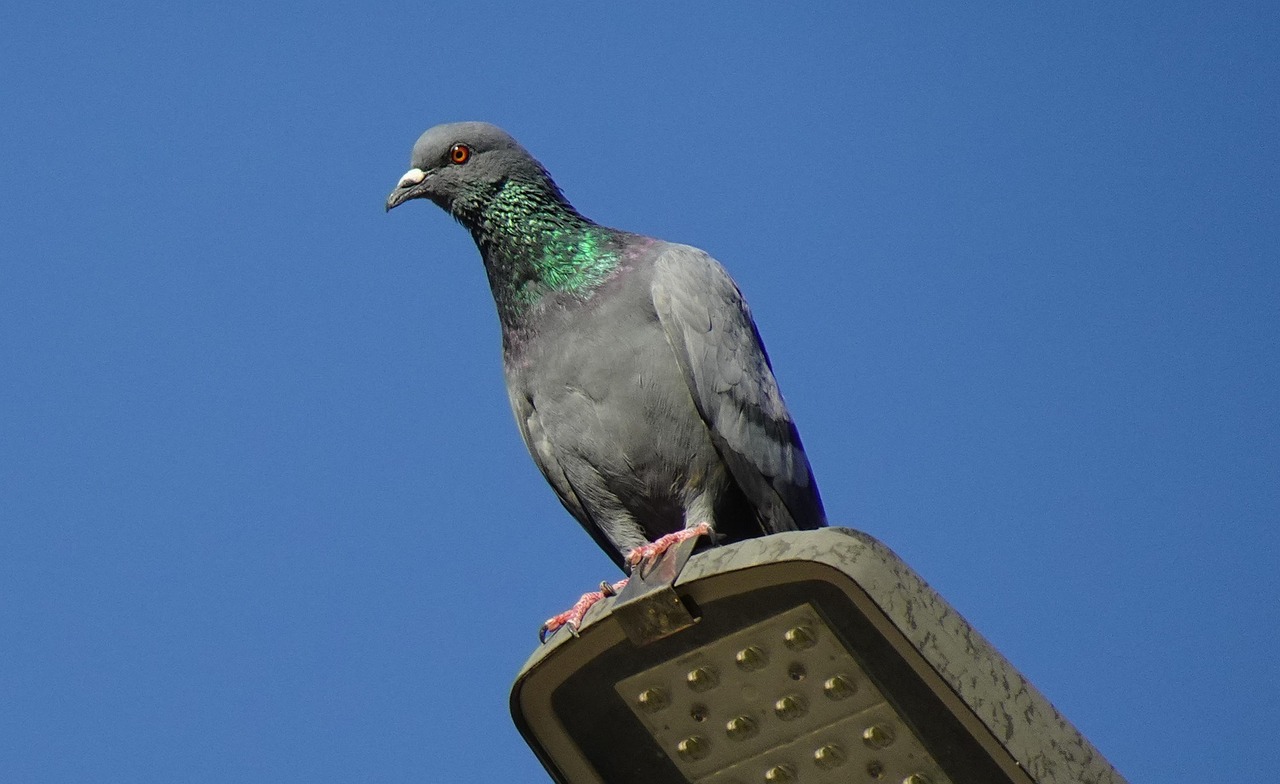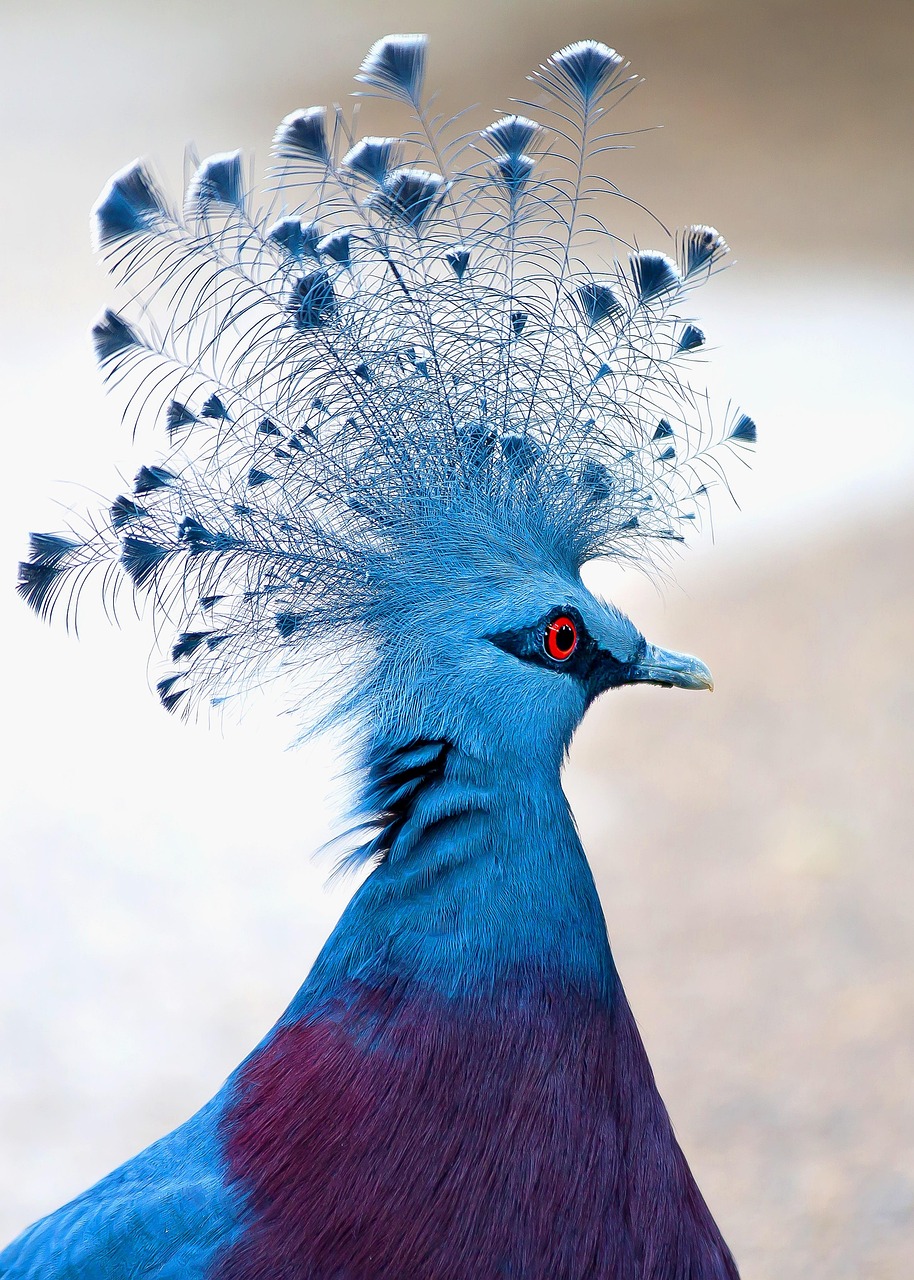
For pigeon enthusiasts, showcasing rare breeds is an art that combines passion with precision. The right equipment can transform a simple display into a breathtaking exhibition, highlighting the unique beauty and characteristics of each bird. This guide delves into the essential gear for display and photography, focusing on creating an optimal environment to make your pigeons shine.
Mastering the Show Cage Setup for Maximum Impact
A well-designed show cage setup is the foundation of any successful pigeon exhibition. It not only ensures the comfort and safety of your birds but also enhances their visual appeal, allowing judges and spectators to appreciate their finest features. Investing in quality cages tailored to your breed's needs can make a significant difference in competitive shows and personal displays.
Choosing the Right Cage Design and Materials
When selecting a cage, consider factors like size, ventilation, and durability. For rare breeds, spacious cages prevent stress and allow natural movement, which is crucial for showcasing their posture and grace. Opt for materials like stainless steel or powder-coated wire, which are easy to clean and resist corrosion, ensuring a hygienic environment. A thoughtful show cage setup includes perches at varying heights to encourage birds to display their plumage and stance effectively.
Additionally, customize cages with removable panels or doors for easy access during grooming and handling. This not only simplifies maintenance but also reduces disturbance to the birds, keeping them calm and photogenic. Remember, a cage that complements your pigeon's colors and patterns can enhance overall aesthetics, making it a key element in your display strategy.
Enhancing Display with Accessories and Layout
Accessories play a vital role in elevating your show cage setup. Incorporate elements like natural wood perches, which mimic a bird's natural habitat and provide a comfortable grip. Use soft bedding materials, such as straw or specialized liners, to create a clean and inviting base that highlights your pigeon's feet and leg structure. Strategic placement of food and water dispensers ensures they are accessible yet unobtrusive, maintaining a polished look.
For optimal presentation, arrange cages in a layout that allows for easy viewing from multiple angles. Consider using tiered stands or rotating platforms to give spectators a 360-degree perspective, especially useful for highlighting rare features like unique feather patterns or eye colors. A well-organized display not only impresses judges but also tells a story about your dedication to the breed.
- Select cages with secure latches to prevent escapes during shows.
- Incorporate branding or informational plaques to educate viewers about the breed.
- Use modular designs for flexibility in different exhibition spaces.
Optimizing Lighting for Pigeons in Photography and Shows
Lighting for pigeons is a critical aspect that can make or break both photographic sessions and live displays. Proper illumination highlights the intricate details of feathers, eyes, and overall form, bringing out the true beauty of rare breeds. Whether you're capturing images for portfolios or setting up a show ring, understanding light dynamics is essential for creating stunning visual effects.
Natural vs. Artificial Light: Balancing for Best Results
Natural light, such as soft morning or late afternoon sun, offers a flattering and authentic glow that enhances colors without harsh shadows. Position cages near windows or in outdoor setups to leverage this, but be mindful of direct sunlight, which can cause overheating or glare. For indoor shows, artificial lighting provides consistency and control. LED panels with adjustable color temperatures are ideal, as they mimic natural light and reduce stress on birds.
When using artificial sources, aim for even distribution to avoid dark spots or reflections that can obscure details. Diffusers or softboxes help create a gentle, wraparound effect, perfect for showcasing plumage texture. Experiment with angles to find the best setup for your specific breed, as some may benefit from side lighting to emphasize contours, while others look best with front lighting for a full-face view.
Advanced Techniques for Photographic Excellence
For photography, lighting for pigeons requires a more technical approach. Use a combination of key lights, fill lights, and backlights to create depth and dimension. A key light placed at a 45-degree angle highlights the main features, while a fill light reduces shadows, ensuring no detail is lost. Backlighting can add a halo effect, making feathers appear translucent and vibrant, especially useful for breeds with iridescent colors.
Consider using reflectors to bounce light into shadowed areas, such as under the wings or around the eyes. This technique enhances clarity and brings out subtle hues. For action shots, fast shutter speeds paired with continuous lighting setups freeze motion without blur, capturing dynamic poses. Always prioritize the bird's comfort by avoiding bright flashes or prolonged exposure to intense lights, which can cause anxiety.
- Use color-correcting gels to match lighting with the pigeon's natural tones.
- Invest in dimmable lights for adjustable intensity during different show phases.
- Test lighting setups in advance to ensure optimal conditions on event day.
Essential Photography Gear for Capturing Rare Breeds
Photographing rare pigeons demands specialized equipment to capture their elegance and uniqueness. From cameras to lenses, each tool plays a role in producing high-quality images that can be used for breeding records, marketing, or personal archives. By selecting the right gear, you can immortalize your birds in stunning detail, showcasing their rarity to a wider audience.
Camera and Lens Selection for Sharp Details
A DSLR or mirrorless camera with a high-resolution sensor is recommended for capturing fine feather textures and vibrant colors. Pair it with a macro lens for close-up shots that reveal intricate patterns, or a telephoto lens for candid shots from a distance without disturbing the birds. Image stabilization features help reduce blur, especially in low-light conditions common in indoor shows.
For versatility, consider a zoom lens that allows quick adjustments between wide-angle and close-up compositions. This is particularly useful during dynamic events where pigeons may move unexpectedly. Always use a fast aperture (e.g., f/2.8 or lower) to achieve a shallow depth of field, isolating the bird from the background and drawing focus to its key features.
Accessories to Enhance Your Photography Sessions
Beyond the camera, accessories like tripods and remote shutters provide stability for crisp images, especially in long exposure shots. A portable backdrop in neutral colors, such as white or gray, creates a clean canvas that emphasizes the pigeon without distractions. For outdoor shoots, a reflector kit can manipulate natural light, filling in shadows and enhancing highlights.
Don't overlook storage and editing tools. High-speed memory cards ensure you don't miss critical moments, while photo editing software allows for fine-tuning colors and contrast. However, aim for minimal edits to maintain authenticity, as over-processing can detract from the bird's natural beauty. Practice with your gear regularly to become proficient, ensuring you're ready to capture those perfect shots during shows.
- Carry extra batteries and memory cards for extended shooting sessions.
- Use a lens hood to reduce glare and protect against dust.
- Experiment with different angles, such as eye-level shots for a personal connection.
Integrating Display and Photography for a Cohesive Experience
Combining an effective show cage setup with strategic lighting for pigeons creates a seamless experience that enhances both live displays and photographic outcomes. By aligning these elements, you can present your rare breeds in their best light, whether in person or through digital media. This integration not only boosts aesthetic appeal but also supports the overall goal of promoting and preserving these unique birds.
Synchronizing Setup for Live Shows and Photos
Plan your display area to serve dual purposes: as a stage for live viewing and a studio for photography. Position cages in well-lit zones that are accessible for cameras, ensuring that lighting setups don't interfere with spectator sightlines. Use portable or adjustable equipment so you can quickly transition between modes, capturing spontaneous moments without disrupting the show flow.
Coordinate colors and textures between cages and backdrops to create a harmonious visual theme. For example, if your pigeons have dark feathers, use lighter backgrounds to make them pop, both in person and in photos. This attention to detail not only impresses judges but also results in cohesive imagery for promotional materials, strengthening your brand as a breeder.
Leveraging Technology for Enhanced Presentations
Incorporate digital tools, such as tablets or screens, to display high-resolution photos alongside live birds, providing additional context about their rarity and history. This can engage audiences and educate them on conservation efforts. For remote viewers, live-streaming setups with integrated lighting and cameras allow virtual participation, expanding your reach beyond physical events.
Regularly update your photographic portfolio to reflect current breeds and achievements, using these images in online listings or social media to attract interest. By mastering both display and photography, you create a comprehensive showcase that celebrates the beauty of rare pigeons, fostering appreciation and support for their preservation.
- Schedule photo sessions during calm periods to minimize bird stress.
- Use wireless triggers for cameras to capture candid moments from a distance.
- Collaborate with other enthusiasts to share setups and techniques.
Conclusion
Showcasing rare pigeons effectively requires a blend of thoughtful show cage setups and precise lighting for pigeons, supported by quality photography gear. By focusing on these elements, you can highlight the unique attributes of your breeds, whether in competitive rings or personal collections. Remember, the goal is to create an environment that prioritizes the birds' well-being while maximizing visual impact. For those looking to streamline their management and display efforts, consider exploring tools like Ghawy – Pigeon Manager (غاوي – إدارة الحمام) to enhance your pigeon-keeping journey. Embrace these insights to elevate your presentations and share the beauty of rare pigeons with the world.