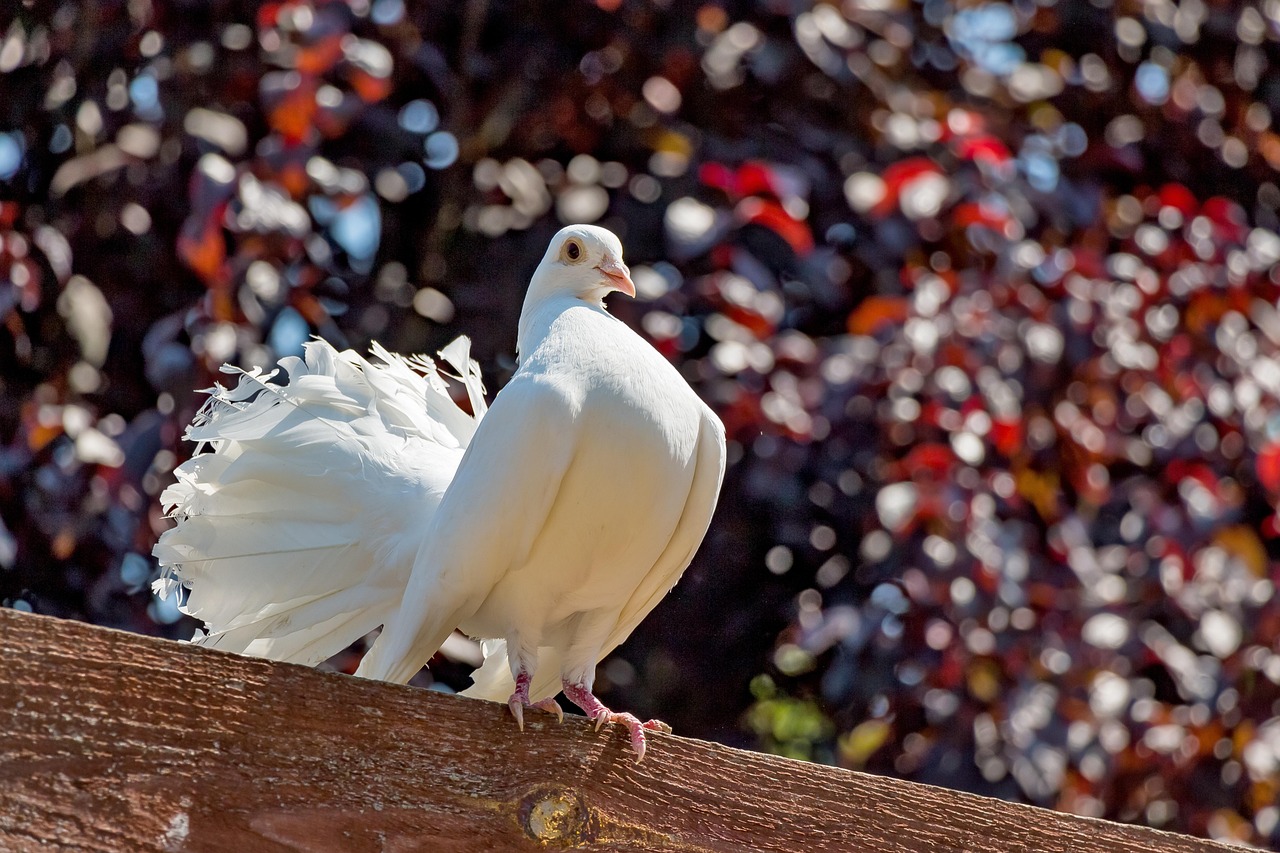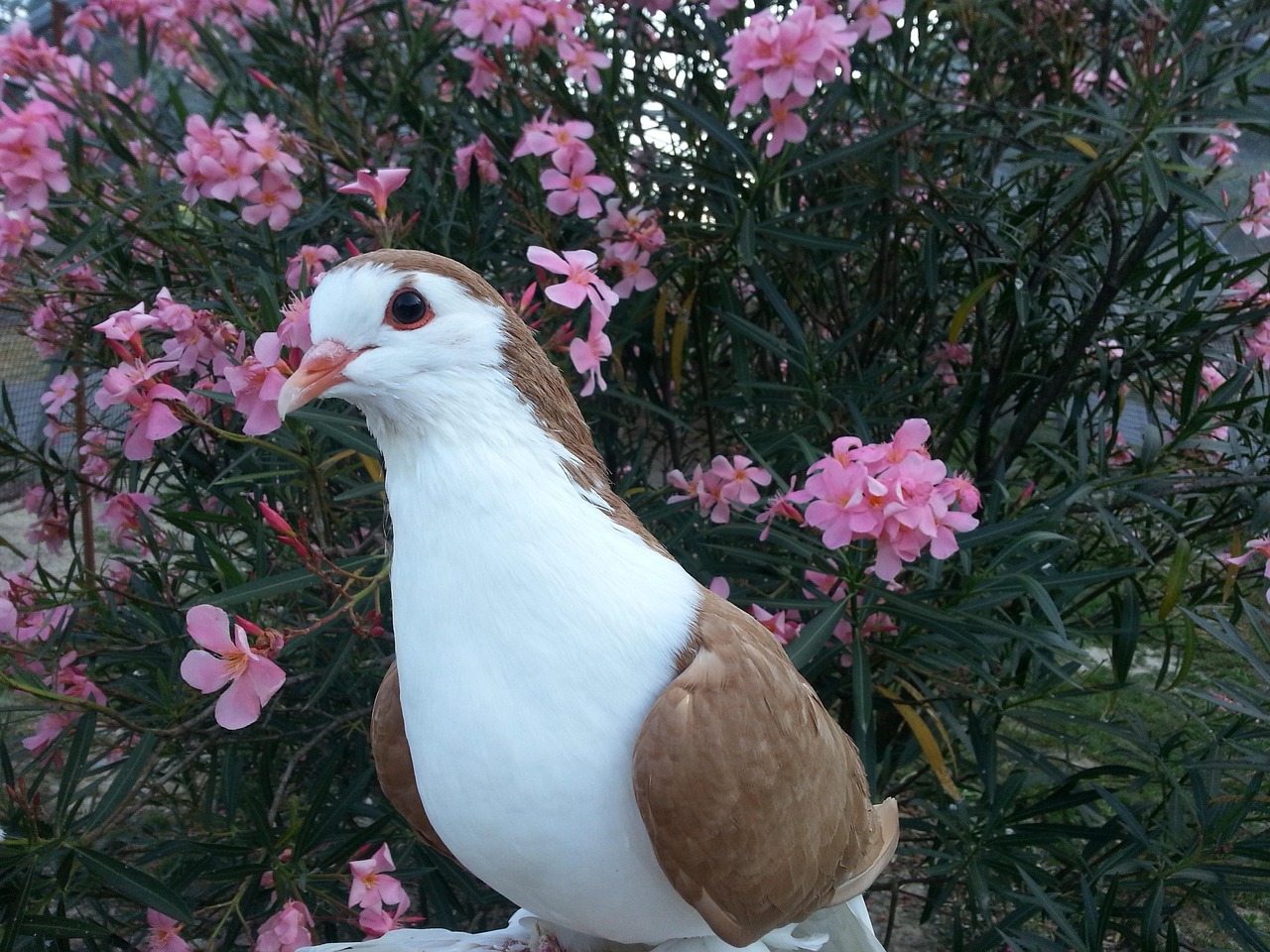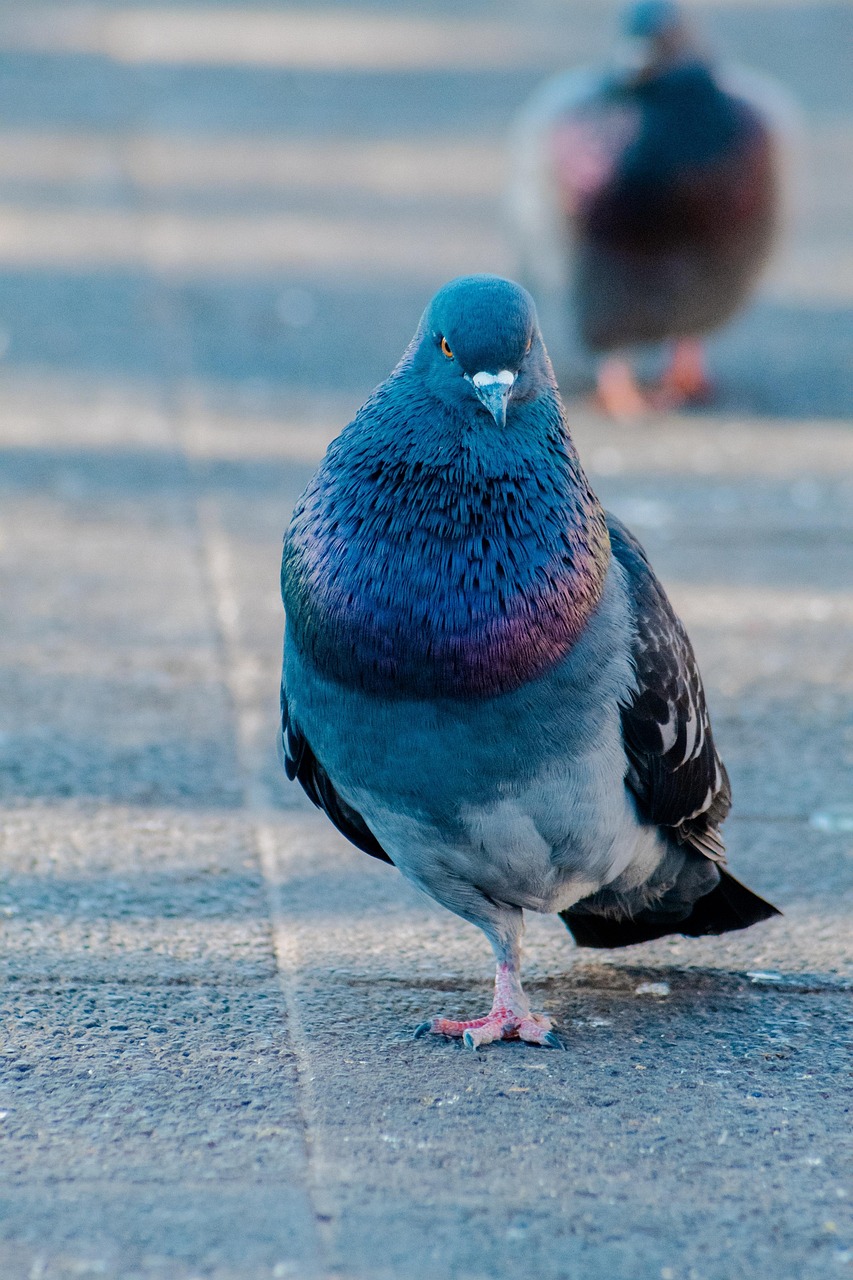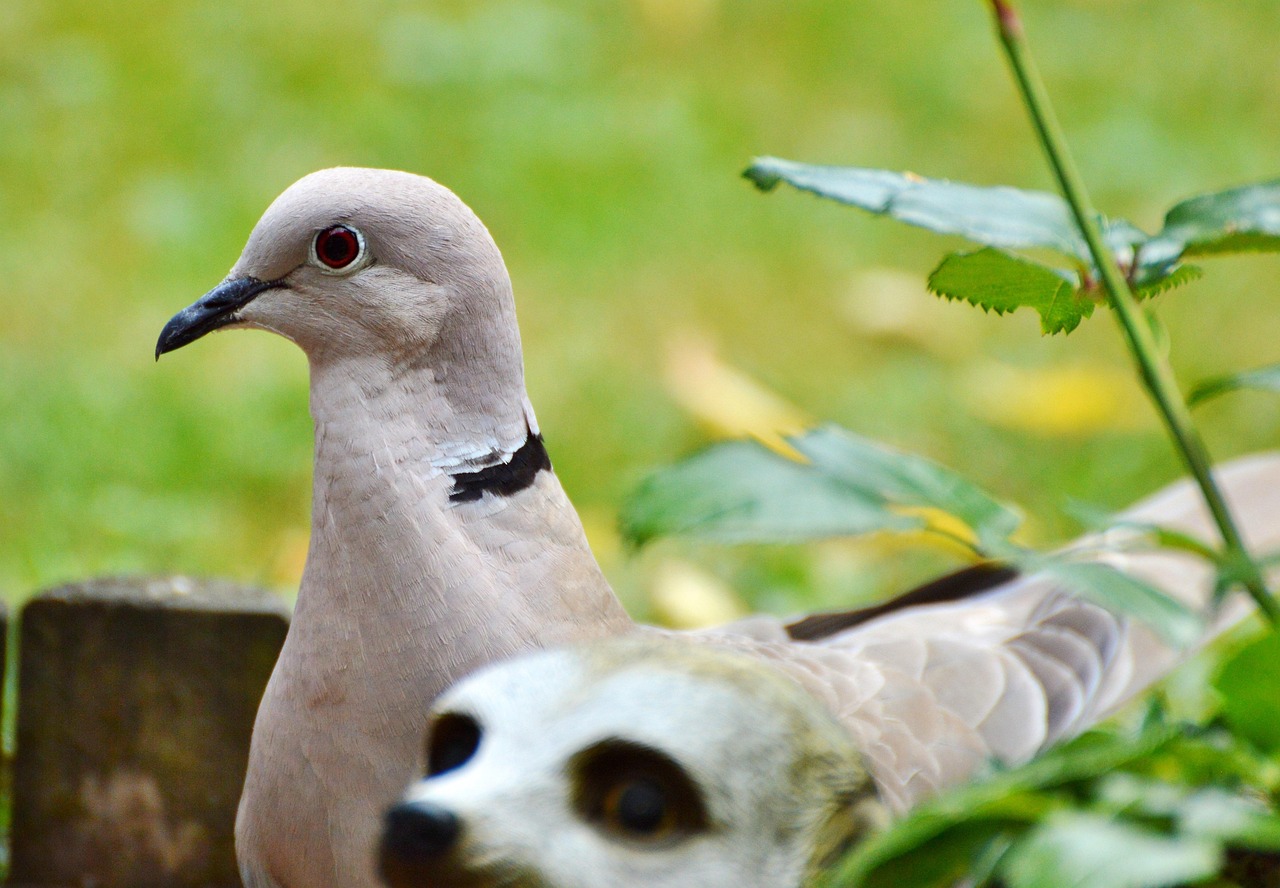
For pigeon enthusiasts, presenting rare breeds in their full glory is an art form that demands precision and passion. The right equipment can transform a simple exhibition into a breathtaking showcase, highlighting every intricate feather and unique characteristic. This guide delves into the essential tools and techniques for creating stunning displays and capturing professional-quality images of your prized pigeons.
Mastering the Show Cage Setup for Optimal Presentation
A well-designed show cage setup is the foundation of any successful pigeon exhibition, providing a safe and visually appealing environment that allows rare breeds to shine. It's not just about containment; it's about creating a stage that enhances the bird's natural beauty and behavior. Investing time in planning your setup can make a significant difference in how judges and spectators perceive your pigeons, turning a good display into an award-winning one.
Choosing the Right Cage Design and Materials
Selecting the perfect cage involves balancing aesthetics, functionality, and bird welfare. For rare breeds, opt for cages made from high-quality, non-toxic materials like stainless steel or powder-coated wire, which offer durability and a clean look. The size should allow the pigeon to move comfortably without appearing cramped, typically around 24 inches in length for most breeds. Consider cages with removable perches and easy-access doors to simplify handling and cleaning, ensuring your pigeon remains stress-free during shows. Additionally, look for designs with smooth edges and secure latches to prevent injuries and escapes, as safety is paramount when showcasing valuable birds.
Beyond basic construction, customization plays a key role in elevating your show cage setup. Add decorative elements like natural wood accents or subtle branding to create a cohesive theme that complements your pigeon's colors. For example, a dark-feathered breed might pop against a light-colored backdrop, while intricate carvings can add an elegant touch. Remember, the cage should enhance, not distract from, the bird—keep it simple and focused on highlighting the pigeon's attributes. Regular maintenance, such as polishing and sanitizing, ensures your setup looks pristine for every event, reinforcing a professional image.
Strategic Placement and Environmental Control
Where you position your show cage setup can dramatically impact its effectiveness. Place cages at eye level to engage viewers and judges directly, avoiding low or overly high placements that might obscure details. Ensure adequate spacing between cages to prevent overcrowding, which can stress birds and detract from individual presentations. In indoor venues, consider using risers or custom stands to create tiered displays that add depth and visual interest, making your rare breeds stand out in a crowded hall.
Environmental factors like temperature and humidity are crucial for maintaining pigeon health and appearance during shows. Use portable fans or heaters to regulate airflow and keep conditions stable, especially in variable climates. Incorporate hygrometers and thermometers to monitor levels, aiming for a comfortable range of 65-75°F with moderate humidity. For added comfort, include soft bedding or padding in the cage floor, but avoid materials that might trap dust or irritate feathers. By controlling the environment, you ensure your pigeons remain vibrant and alert, ready to impress at a moment's notice.
Harnessing Lighting for Pigeons to Enhance Visual Appeal
Lighting for pigeons is a game-changer in both live displays and photography, as it can accentuate colors, textures, and forms that might otherwise go unnoticed. Proper illumination not only makes rare breeds look more vibrant but also helps judges assess their qualities accurately. From natural sunlight to advanced LED systems, understanding how to manipulate light can elevate your presentation from ordinary to extraordinary, capturing the essence of each breed's rarity.
Natural vs. Artificial Light Sources
Natural light offers a soft, flattering glow that can beautifully highlight a pigeon's feathers, but it requires careful management to avoid harsh shadows or overexposure. Position cages near windows or in well-lit areas during daytime shows, using sheer curtains or diffusers to soften direct sunlight. For consistency, supplement with artificial sources like LED panels, which provide adjustable brightness and color temperature. Aim for a color temperature around 5000-5500K, mimicking daylight to render colors accurately without distorting hues. Avoid fluorescent lights, as they can cast unflattering tones and cause eye strain for both birds and viewers.
In artificial settings, strategic placement is key to effective lighting for pigeons. Use multiple light sources at different angles to eliminate shadows and create an even illumination across the cage. For example, a primary light overhead can provide general brightness, while side lights can add depth and highlight specific features like iridescent neck feathers. Experiment with dimmers to adjust intensity based on the pigeon's coloration—darker breeds may need brighter lights to stand out, while lighter ones might benefit from softer glows. Always test your setup beforehand to ensure it enhances rather than overwhelms the bird's natural beauty.
Advanced Techniques for Photography and Video
When capturing images or videos of rare pigeons, lighting becomes even more critical to produce professional-quality results. Use a three-point lighting system: a key light as the main source, a fill light to reduce shadows, and a backlight to separate the bird from the background. For close-ups, consider ring lights or softboxes to create a uniform glow that reveals fine details like feather patterns and eye clarity. Adjust white balance settings on your camera to match the light source, preventing color casts that could misrepresent the pigeon's true appearance.
To add drama and focus, incorporate accent lighting to highlight specific areas, such as the head or tail, drawing attention to unique breed characteristics. For dynamic shots, use slow shutter speeds with steady lighting to capture motion without blur, or employ strobes for crisp, action-filled images. In post-processing, subtle enhancements can correct exposure and contrast, but avoid over-editing that alters the pigeon's natural look. By mastering these techniques, you can create stunning visual content that showcases your rare breeds in their best light, whether for competitions, portfolios, or online sharing.
Integrating Accessories for a Polished Display
Beyond cages and lighting, accessories play a vital role in refining your show presentation, adding layers of detail that elevate the overall experience. From perches and backdrops to informational signage, these elements contribute to a cohesive and professional setup that tells a story about your rare breeds. Thoughtful accessory choices can enhance viewer engagement and provide practical benefits, making your display both beautiful and functional.
Selecting Perches and Backdrops
Perches should be chosen based on the pigeon's breed and size, offering comfort while promoting natural posture. Opt for materials like sanded wood or padded grips that prevent slipping and reduce foot fatigue. Adjustable perches allow you to customize height and angle, encouraging the bird to pose in ways that showcase its best features, such as an upright stance for carriage breeds. For backdrops, use neutral colors like white, gray, or black to keep the focus on the pigeon, avoiding busy patterns that might distract. Fabric or vinyl backdrops are easy to clean and transport, making them ideal for frequent shows.
To add depth and context, incorporate thematic backdrops that reflect the breed's origin or characteristics, such as rustic textures for heritage varieties. Ensure backdrops are securely attached and wrinkle-free to maintain a polished look. Additionally, consider using props like miniature plants or decorative rocks to create a naturalistic environment, but keep them minimal to avoid cluttering the space. By balancing aesthetics with practicality, you create a show cage setup that not only looks impressive but also supports the pigeon's well-being throughout the event.
Informational and Interactive Elements
Educating viewers about your rare breeds can enhance their appreciation and make your display more memorable. Include small plaques or digital screens with key information, such as the breed's history, rarity level, and unique traits. Use clear, concise language and high-quality images to engage audiences, and consider adding QR codes that link to detailed online profiles or videos. This not only adds value but also positions you as a knowledgeable enthusiast, fostering connections within the pigeon community.
For interactive touches, incorporate elements like touchscreens with breed databases or live feeds from inside the cage, allowing viewers to explore details up close. Ensure these technologies are user-friendly and reliable, with backup plans in case of technical issues. By blending traditional displays with modern tools, you create a dynamic experience that appeals to both seasoned fanciers and newcomers, highlighting the importance of preserving and celebrating rare pigeon breeds.
Maintaining Equipment for Long-Term Success
Proper maintenance of your display and photography gear ensures longevity and consistent performance, protecting your investment and keeping your rare pigeons looking their best. Regular care not only prevents malfunctions during critical moments but also upholds a professional image that reflects your dedication to the hobby. From cleaning routines to storage solutions, a proactive approach can save time and money in the long run.
Cleaning and Sanitization Protocols
Establish a routine for cleaning all equipment, focusing on show cages, lighting fixtures, and accessories to prevent the buildup of dirt and pathogens. Use mild, bird-safe disinfectants for cages, wiping down surfaces after each use and conducting deep cleans monthly. For lighting gear, dust lenses and bulbs regularly to maintain brightness and clarity, and check electrical components for wear. Store items in dry, organized spaces to avoid damage, using protective cases for fragile elements like cameras and lenses.
Sanitization is especially important in shared venues to prevent disease transmission. Quarantine new equipment before introducing it to your birds, and avoid cross-contamination by designating tools for specific uses. Keep a maintenance log to track cleaning schedules and repairs, ensuring nothing is overlooked. By prioritizing hygiene and upkeep, you create a safe environment for your pigeons and a reliable setup for every show.
Upgrading and Adapting to Trends
Stay informed about advancements in display technology and photography to keep your setup competitive and innovative. Periodically assess your gear for upgrades, such as energy-efficient LED lights or modular cage systems that offer greater flexibility. Attend exhibitions or join online forums to learn from other enthusiasts, gathering ideas for improvements. For example, integrating smart controls for lighting or automated feeders can streamline operations and add a modern touch to your presentations.
Adapt your setup based on feedback and evolving breed standards, ensuring it remains relevant and effective. Experiment with new techniques, like 360-degree photography or virtual reality tours, to engage wider audiences. By embracing change and continuously refining your approach, you not only enhance your rare breeds' visibility but also contribute to the growth of the pigeon fancy community. For those seeking to streamline their management, tools like Ghawy – Pigeon Manager (غاوي – إدارة الحمام) offer intuitive solutions for tracking breeds and schedules, making it easier to focus on perfecting your displays.
Conclusion
Showcasing rare pigeon breeds is a rewarding endeavor that blends artistry with technical skill, requiring careful attention to equipment and techniques. From optimizing your show cage setup to mastering lighting for pigeons, each element plays a crucial role in highlighting these birds' unique beauty. By investing in quality gear, maintaining it diligently, and staying adaptable to trends, you can create presentations that captivate audiences and honor the rarity of your breeds. Remember, the goal is not just to display pigeons but to celebrate their heritage and inspire others in the community. With dedication and creativity, your setups will shine as brightly as the birds they feature.