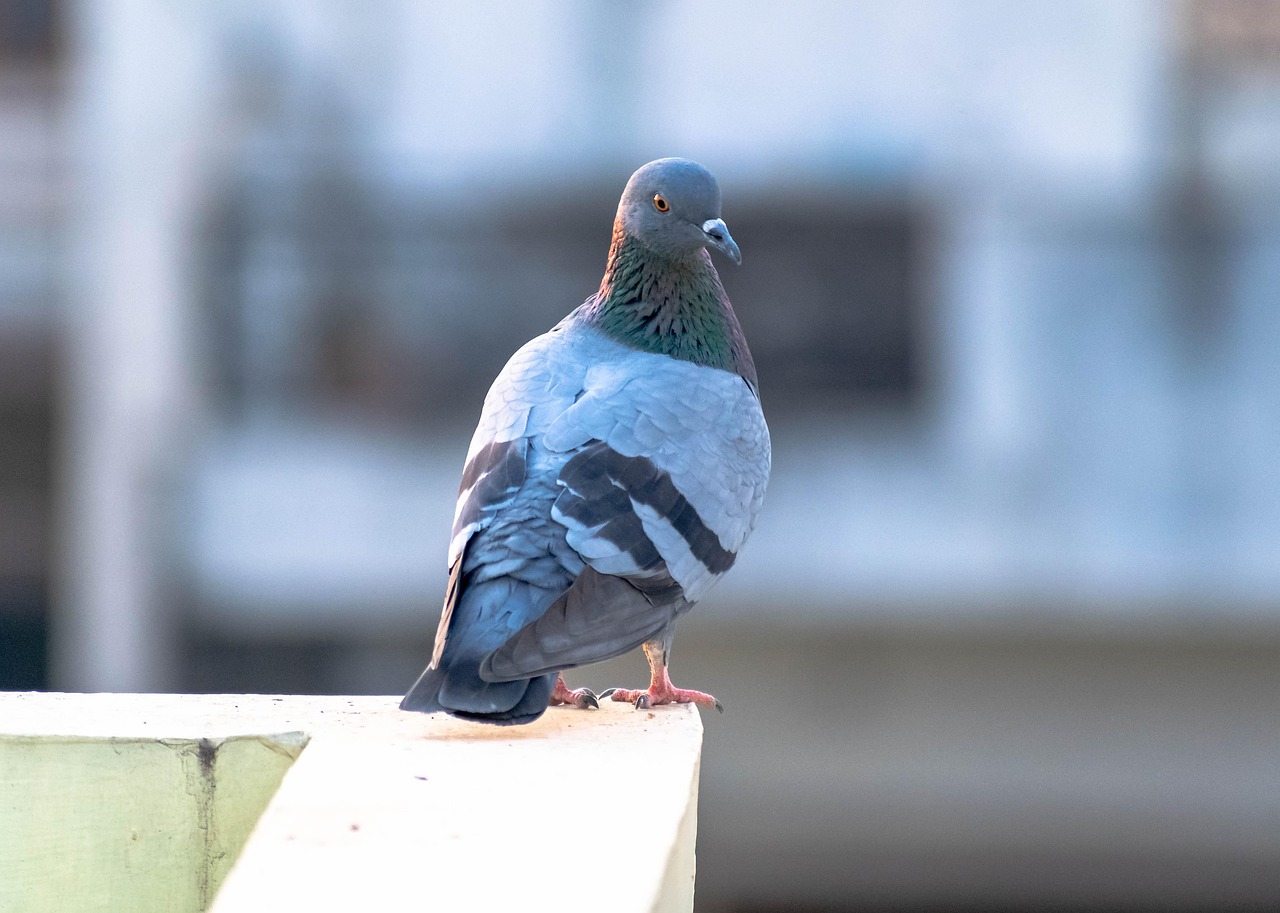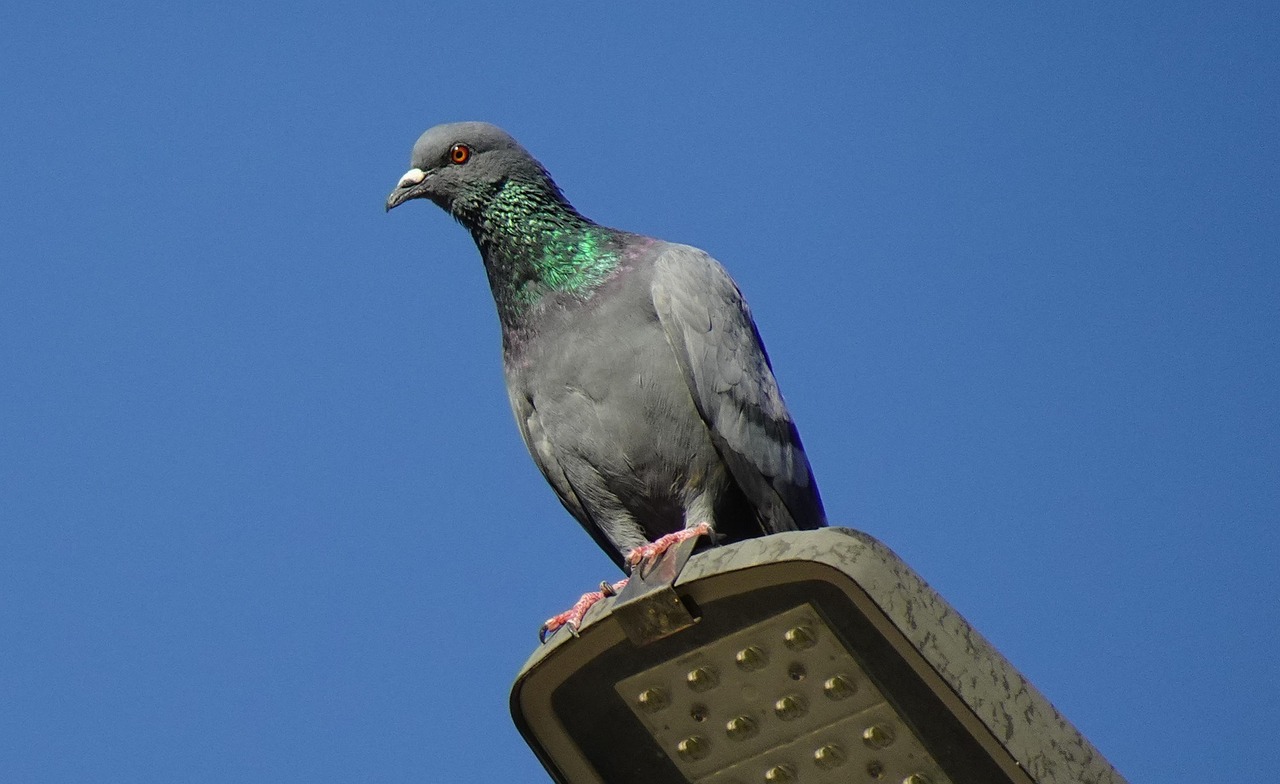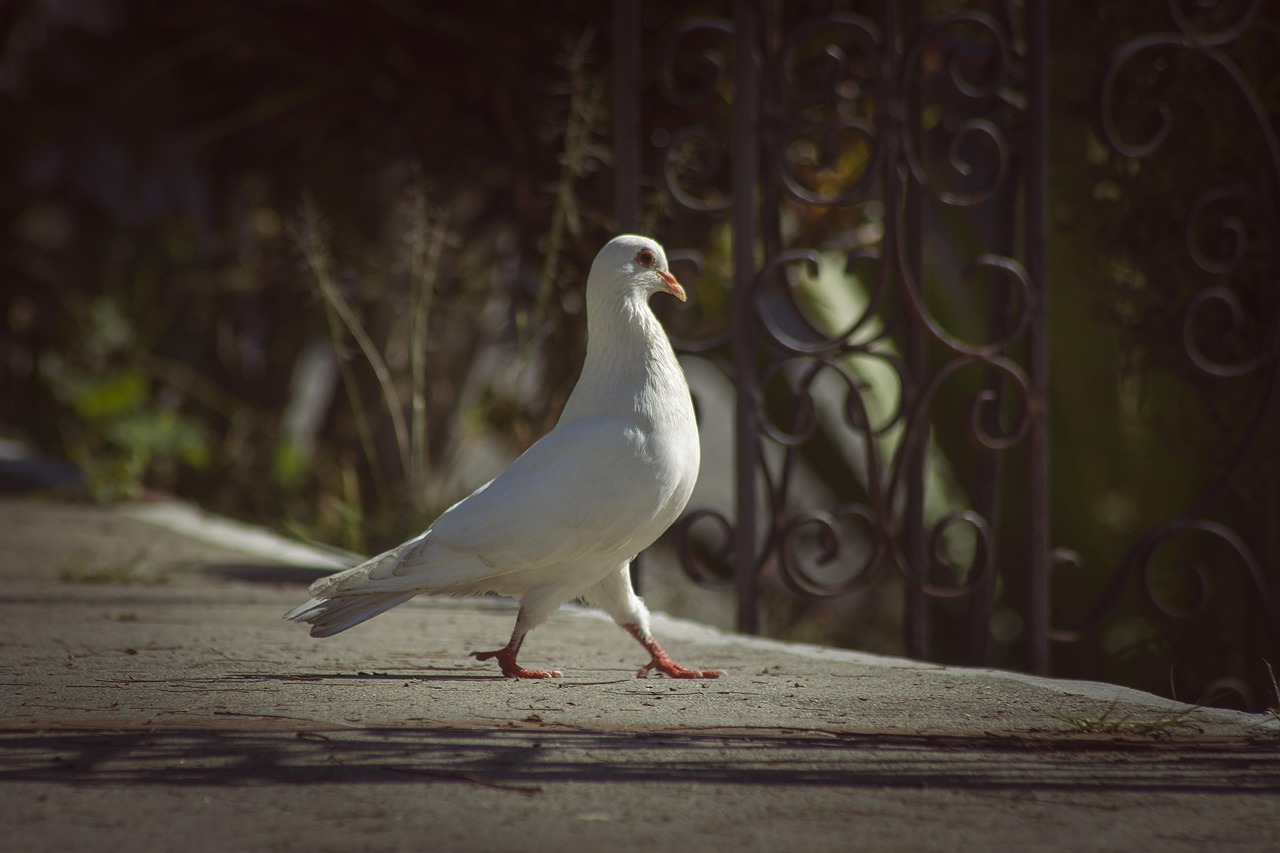
For pigeon enthusiasts, showcasing rare breeds is an art form that demands precision, care, and the right equipment. Whether you're preparing for a competition, documenting your collection, or simply sharing the beauty of these unique birds, the tools you use can make all the difference. This guide delves into the best equipment for display and photography, focusing on how to highlight the elegance and rarity of your pigeons with professional flair.
Mastering the Show Cage Setup for Optimal Presentation
A well-designed show cage setup is the foundation for presenting rare pigeons at their best. It's not just about confinement; it's about creating a stage that enhances the bird's natural beauty while ensuring its comfort and safety. The right setup can transform a simple display into a captivating exhibit that draws attention and admiration from judges and spectators alike.
Choosing the Right Cage Design and Materials
When selecting a cage for your rare pigeons, prioritize designs that offer both aesthetic appeal and functionality. Opt for cages made from durable, non-toxic materials like stainless steel or powder-coated wire, which resist corrosion and are easy to clean. The size should allow the pigeon to move comfortably without appearing cramped, typically around 24 inches in length for most breeds. Look for cages with smooth edges and secure latches to prevent injuries and escapes. Additionally, consider cages with removable trays for easy maintenance, as cleanliness is crucial in a show environment to highlight the bird's pristine condition.
Beyond basic construction, the design should complement the pigeon's features. For example, cages with open fronts or glass panels can provide unobstructed views, while those with subtle colors like black or white can make the bird's plumage stand out. Avoid overly ornate designs that might distract from the pigeon itself. Remember, the cage should serve as a frame, not the focal point. Investing in a high-quality show cage setup not only enhances presentation but also demonstrates your commitment to the bird's well-being, which can positively influence judges' perceptions.
Enhancing Display with Accessories and Layout
Accessories play a key role in elevating your show cage setup from basic to exceptional. Start with a comfortable perch that mimics natural branches, allowing the pigeon to grip easily and show off its posture. Choose perches made from materials like wood or textured plastic, and position them to encourage the bird to stand tall and alert. Adding a small, clean water dish and feed cup can provide a touch of realism, but ensure they are discreet and don't clutter the space. For rare breeds with specific needs, such as those with delicate feathers, consider soft bedding or padding to protect their plumage during transport and display.
The layout of the cage within the show area is equally important. Position it at eye level for easy viewing, and ensure adequate spacing between cages to prevent stress from neighboring birds. Use backdrops or simple props, like neutral-colored fabrics, to create a clean background that contrasts with the pigeon's colors. Avoid busy patterns or bright lights that could cause glare. By thoughtfully arranging accessories and the overall setup, you create an environment that not only showcases the pigeon's beauty but also tells a story of care and expertise, making your rare breed truly shine in any competition or exhibition.
Perfecting Lighting for Pigeons in Photography and Shows
Lighting is a critical element in both photography and live displays, as it can dramatically affect how a pigeon's colors, textures, and features are perceived. Proper lighting for pigeons ensures that every detail, from iridescent feathers to subtle markings, is captured with clarity and vibrancy. Whether you're snapping photos for a portfolio or setting up for a show, mastering light techniques will elevate your presentation to a professional level.
Natural vs. Artificial Light: Pros and Cons
Natural light, such as sunlight, offers a soft, diffused quality that can beautifully illuminate rare pigeons without harsh shadows. It's ideal for outdoor photography or shows held in well-lit venues, as it brings out true colors and reduces the risk of overexposure. However, it can be unpredictable due to weather changes and time of day, potentially causing inconsistencies in your shots or displays. To mitigate this, use reflectors or shoot during golden hours (early morning or late afternoon) for optimal results. In contrast, artificial lighting provides control and consistency, making it a reliable choice for indoor settings. LED panels or studio lights with adjustable brightness and color temperature allow you to tailor the illumination to highlight specific features, such as enhancing the sheen on a pigeon's neck feathers.
When choosing between natural and artificial light, consider the context of your display or photography. For shows, a combination might work best—use natural light as a base and supplement with artificial sources to fill in shadows. For photography, artificial lighting offers more precision, especially when capturing rare breeds with unique color patterns. Experiment with different setups to find what works for your pigeons, and always prioritize the bird's comfort by avoiding direct, intense light that could cause stress or overheating. By understanding the pros and cons of each type, you can create lighting for pigeons that enhances their beauty while maintaining a natural, appealing look.
Techniques for Flattering and Accurate Illumination
To achieve flattering illumination, start by positioning lights at angles that minimize shadows and highlight the pigeon's best features. For photography, use a three-point lighting setup: a key light as the main source, a fill light to soften shadows, and a backlight to separate the bird from the background. This technique adds depth and dimension, making the pigeon appear more vibrant and three-dimensional. In show settings, overhead or side lighting can work well, but avoid placing lights directly in front of the cage to prevent glare that might obscure the view. Instead, use diffusers or softboxes to spread light evenly, reducing harsh contrasts that could distort colors.
Accuracy in lighting is crucial for showcasing true colors and details, especially for rare breeds with specific standards. Use color-corrected lights with a high Color Rendering Index (CRI) to ensure that hues are represented faithfully, without unwanted tints. Test your setup beforehand by taking sample photos or observing the pigeon under different lights to check for any discoloration. Additionally, consider the background when setting up lighting; a neutral backdrop can help the pigeon stand out, while reflective surfaces might cause unwanted highlights. By mastering these techniques, you not only enhance the visual appeal but also provide an honest representation of your rare pigeons, which is essential for competitions and documentation purposes.
Essential Photography Gear for Capturing Rare Breeds
Photographing rare pigeons requires specialized gear to capture their intricate details and dynamic poses. From cameras to lenses, the right equipment can turn a simple snapshot into a stunning portrait that showcases the breed's uniqueness. This section explores the must-have tools for pigeon photography, helping you produce high-quality images that do justice to these magnificent birds.
Camera and Lens Selection for Detail and Clarity
Choosing the right camera is the first step toward professional pigeon photography. A DSLR or mirrorless camera with manual controls allows for greater flexibility in adjusting settings like aperture, shutter speed, and ISO. Look for models with high resolution (at least 20 megapixels) to capture fine details, such as feather textures and eye clarity. For lenses, a macro lens is ideal for close-up shots that highlight specific features, while a telephoto lens (e.g., 70-200mm) enables you to shoot from a distance without disturbing the bird. This is particularly useful for capturing natural behaviors or in show environments where you can't get too close.
In addition to the camera body and lenses, consider accessories that enhance your shots. A tripod provides stability for sharp images, especially in low-light conditions or when using slower shutter speeds. Remote shutter releases can help minimize camera shake, allowing you to capture candid moments without startling the pigeon. For rare breeds with fast movements, a camera with good autofocus tracking ensures you don't miss critical shots. Remember, the goal is to achieve clarity and detail, so invest in gear that suits your specific needs—whether you're documenting for breeding records or creating promotional content. By selecting the right equipment, you can produce photographs that not only look professional but also serve as valuable references for the pigeon community.
Settings and Composition Tips for Engaging Photos
Mastering camera settings is key to capturing the essence of rare pigeons. Start with a wide aperture (e.g., f/2.8 to f/5.6) to create a shallow depth of field, which blurs the background and draws focus to the bird. This technique is effective for portraits that emphasize the pigeon's features. Use a fast shutter speed (1/500s or higher) to freeze motion, especially if the bird is active or in flight. Adjust ISO based on lighting conditions, but keep it as low as possible to reduce noise and maintain image quality. For consistent results, shoot in RAW format, which allows for more flexibility in post-processing to correct colors and exposure.
Composition plays a vital role in making your photos engaging. Apply the rule of thirds by placing the pigeon off-center to create a balanced and dynamic image. Pay attention to the background, ensuring it's uncluttered and complements the bird's colors. Capture a variety of angles, such as side profiles to show plumage patterns or front views to highlight facial expressions. Include action shots, like the pigeon preening or stretching, to add life and context to your portfolio. For rare breeds, focus on unique traits, such as distinctive crests or leg feathers, and use lighting to accentuate them. By combining technical settings with creative composition, you can produce photographs that not only document the breed but also tell a compelling visual story, appealing to enthusiasts and judges alike.
Integrating Display and Photography for Maximum Impact
Combining effective display techniques with skilled photography can amplify the impact of showcasing rare pigeons. This holistic approach ensures that your birds look their best both in person and in images, creating a cohesive presentation that resonates with audiences. From planning your setup to sharing results, integration is the key to success in the competitive world of pigeon exhibitions.
Planning a Cohesive Setup for Shows and Photos
Begin by designing a show cage setup that doubles as a photogenic environment. Choose cages and accessories that are visually appealing and functional for both live displays and photography sessions. For example, select a cage with a clean, neutral design that won't clash in photos, and position it in a well-lit area that works for natural or artificial lighting. Plan the layout to allow easy access for camera angles without disrupting the pigeon's comfort. This might involve setting up a dedicated photography corner near the show area, equipped with your gear and backdrops, so you can quickly capture images before or after events.
Coordinate your lighting for pigeons across both display and photography to maintain consistency. Use the same light sources or adjust settings to match, ensuring that colors and details appear uniform in photos and in person. This is especially important for rare breeds with specific color standards, as discrepancies could misrepresent the bird. Test your integrated setup beforehand by taking trial photos and observing the pigeon under show conditions. Make adjustments as needed, such as adding reflectors or changing camera angles, to optimize the overall presentation. By planning cohesively, you save time and effort while ensuring that every aspect of your showcase—from the live exhibit to the photographic record—is polished and professional.
Showcasing Results and Engaging the Community
Once you've perfected your display and photography, share the results to engage with the pigeon community and attract attention to your rare breeds. Use high-quality images in online portfolios, social media posts, or competition entries to highlight the birds' beauty and your expertise. Write captions that describe the breed's rarity and the techniques you used, such as your show cage setup or lighting strategies, to educate and inspire others. This not only builds your reputation but also contributes to the preservation and appreciation of rare pigeon varieties.
Participate in shows and exhibitions to showcase your integrated approach in action. Network with fellow enthusiasts to exchange tips and feedback, and consider creating tutorials or blog posts to share your insights. By actively engaging, you foster a sense of community and encourage others to adopt best practices. Remember, the goal is to celebrate these magnificent birds while advancing the art of pigeon presentation. With dedication and the right tools, you can make a lasting impact in the world of rare pigeon showcasing.
Conclusion
Showcasing rare pigeons effectively requires a blend of thoughtful display and skilled photography, centered on a well-executed show cage setup and precise lighting for pigeons. By investing in quality equipment, mastering techniques, and integrating these elements, you can highlight the unique beauty of each breed while ensuring their comfort and safety. Whether for competitions, documentation, or personal enjoyment, these strategies will elevate your presentations and help preserve the legacy of rare varieties. For those looking to streamline their pigeon management and showcase efforts, tools like Ghawy – Pigeon Manager (غاوي – إدارة الحمام) offer valuable support in organizing and optimizing your approach.