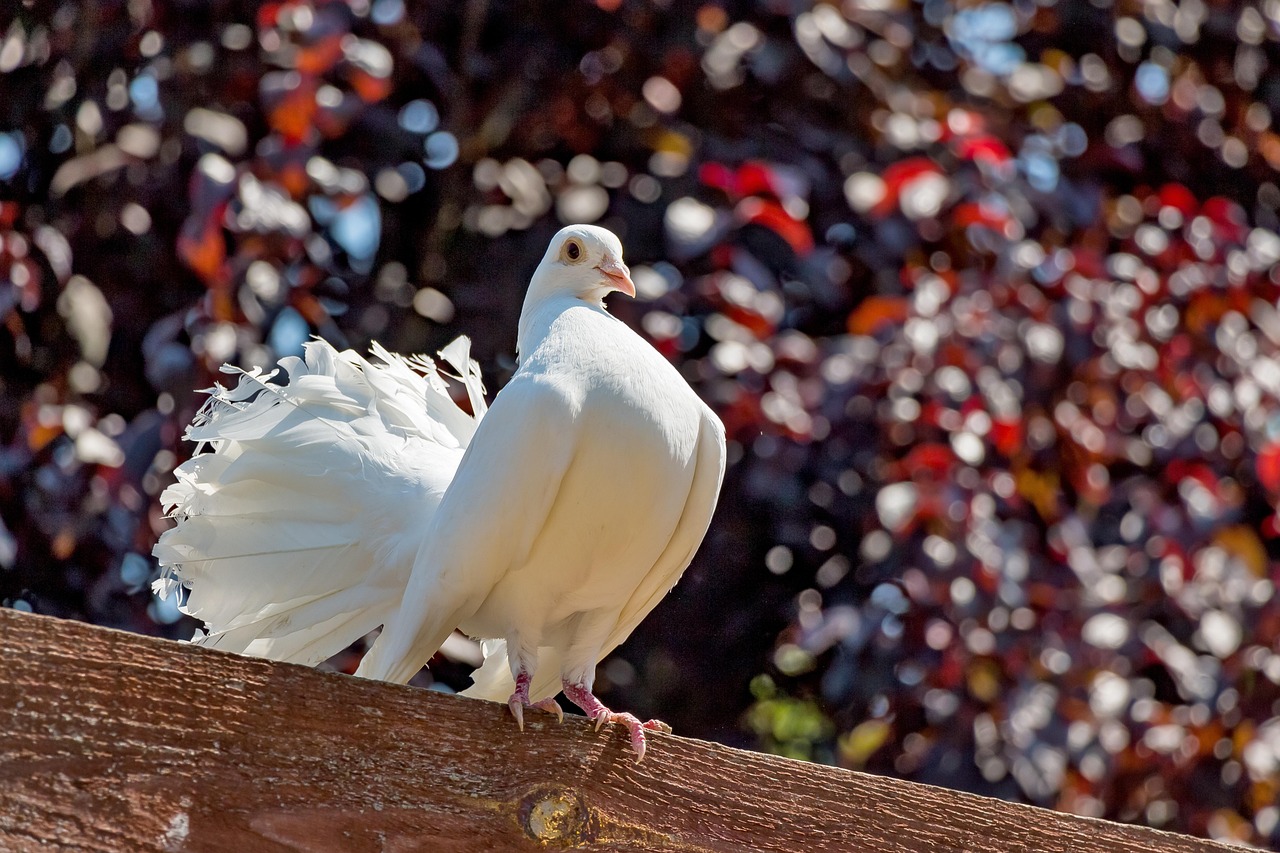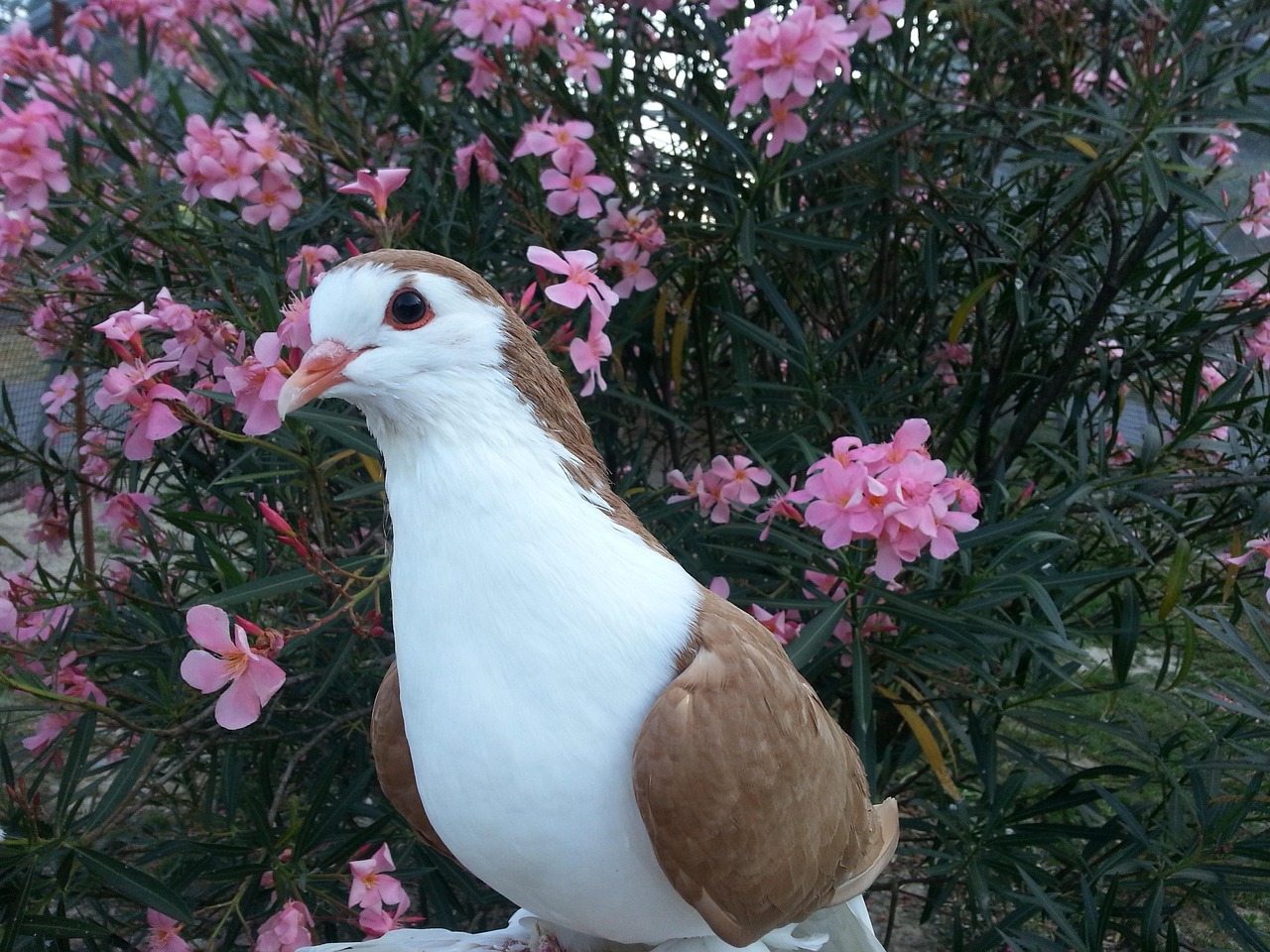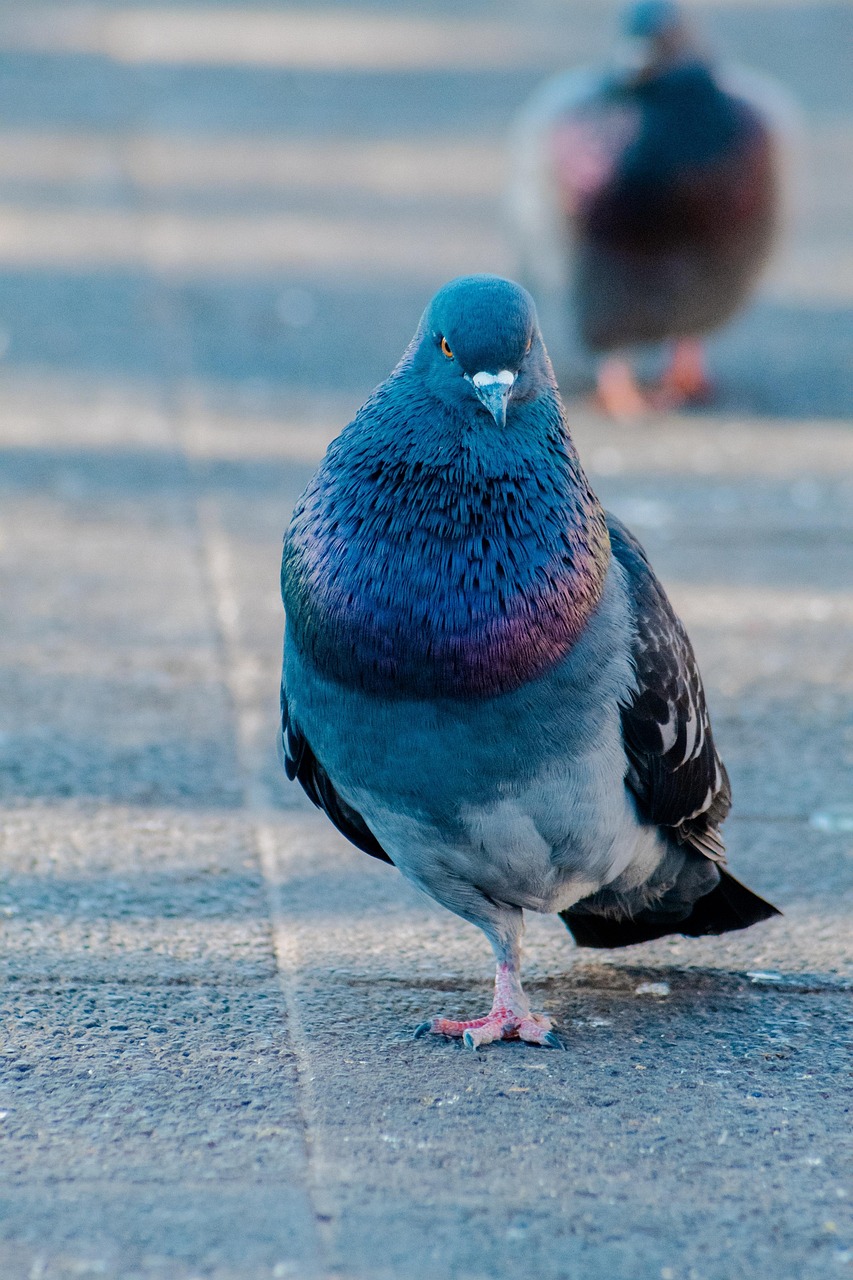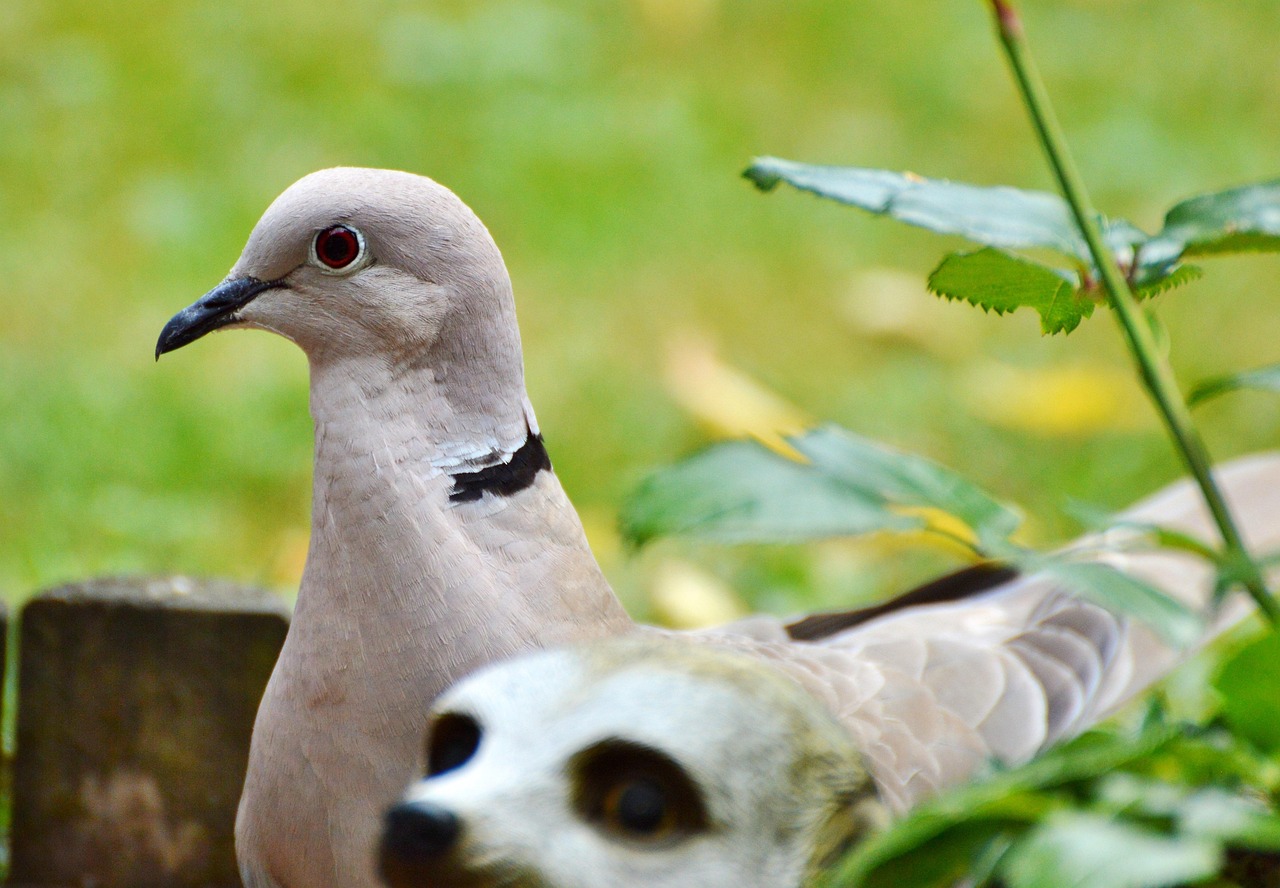
For pigeon enthusiasts, showcasing rare breeds is an art form that demands precision and passion. The right equipment can transform a simple display into a breathtaking exhibition, highlighting every unique feather and graceful posture. This guide delves into the essential gear for creating stunning visual presentations that captivate audiences and judges alike.
Mastering the Show Cage Setup
A well-designed show cage setup is the foundation of any successful pigeon exhibition. It not only provides a safe and comfortable environment for the birds but also enhances their natural beauty, allowing their rare traits to shine. Investing in quality cages tailored to specific breeds can make a significant difference in competitive shows and personal collections.
Choosing the Right Cage Design
When selecting a cage, consider factors like size, material, and ventilation to ensure it complements your pigeon's characteristics. For rare breeds, custom cages with adjustable perches and viewing angles can accentuate their unique features, such as crests or color patterns. A thoughtful show cage setup minimizes stress for the birds while maximizing visual appeal, creating a harmonious display that draws attention.
Durability and aesthetics should go hand-in-hand; opt for cages made from non-toxic materials like stainless steel or powder-coated wire, which are easy to clean and maintain. Incorporating elements like removable trays and secure latches adds functionality, making it simpler to manage your pigeons during events. Remember, the goal is to create a setup that feels like a natural extension of the bird's elegance.
Optimizing Space and Accessibility
Effective space management within your show cage setup ensures that pigeons can move freely without feeling confined, which is crucial for their well-being and presentation. Arrange perches and platforms at varying heights to encourage natural postures, allowing judges to appreciate the bird's form from multiple angles. This approach not only highlights physical attributes but also promotes a calm demeanor during exhibitions.
Accessibility is key for handlers and photographers; design cages with easy-open doors and clear viewing panels to facilitate interaction without disturbing the birds. Consider adding background elements, such as neutral-colored fabrics or natural wood, to create contrast that makes rare plumage stand out. By prioritizing both comfort and visibility, you can craft a show cage setup that elevates every display.
Harnessing Lighting for Pigeons
Lighting plays a pivotal role in showcasing pigeons, as it can enhance colors, textures, and overall presence. Proper lighting for pigeons involves balancing intensity and direction to avoid shadows or glare, ensuring that every detail is visible. Whether for photography or live shows, mastering light techniques can transform an ordinary presentation into an extraordinary one.
Natural vs. Artificial Light Sources
Natural light offers a soft, flattering glow that brings out the true hues of rare pigeon feathers, making it ideal for outdoor displays or well-lit indoor spaces. However, it can be unpredictable, so supplementing with artificial sources like LED panels ensures consistency. When using artificial lighting for pigeons, aim for full-spectrum bulbs that mimic daylight, reducing color distortion and highlighting intricate patterns without causing stress to the birds.
Position lights at angles that minimize reflections and shadows, such as from the sides or above, to create depth and dimension. Experiment with diffusers or softboxes to soften harsh beams, preventing overexposure that might wash out delicate features. By blending natural and artificial light, you can achieve a balanced ambiance that showcases pigeons in their best light, literally and figuratively.
Advanced Lighting Techniques for Photography
For photographers, specialized lighting for pigeons can make or break a shot. Use key lights to illuminate the main subject, fill lights to reduce shadows, and backlights to separate the bird from the background, creating a professional look. Adjust color temperatures to match the pigeon's plumage; warmer tones enhance reds and oranges, while cooler tones accentuate blues and grays.
Incorporate reflectors or bounce cards to direct light onto specific areas, such as the chest or wings, emphasizing rare markings. For dynamic shots, consider using continuous lighting setups that allow for real-time adjustments during sessions. With practice, these techniques will help you capture stunning images that do justice to the beauty of rare breeds.
Essential Photography Equipment
Beyond lighting, the right photography gear is crucial for documenting and promoting rare pigeons. High-quality cameras, lenses, and accessories enable you to capture fine details and share them with a wider audience. This section covers the must-have tools for every pigeon photographer, from beginners to professionals.
Cameras and Lenses for Close-Ups
Invest in a DSLR or mirrorless camera with a high-resolution sensor to capture sharp images that reveal feather textures and color gradients. Pair it with macro lenses for extreme close-ups of unique features, such as eye color or beak shape, which are often highlights in rare breeds. A versatile zoom lens also allows for flexibility in framing shots from a distance without disturbing the birds.
Consider features like image stabilization and fast autofocus to handle the quick movements of pigeons, ensuring you don't miss crucial moments. For consistency, use manual settings to control exposure and depth of field, focusing attention on the bird while blurring distracting backgrounds. With the right camera setup, you can create a portfolio that showcases every aspect of your pigeons' rarity.
Accessories for Enhanced Shots
Accessories like tripods, remote shutters, and lens filters can elevate your photography by providing stability and creative control. A sturdy tripod prevents camera shake during long exposures, essential for low-light conditions or detailed macro work. Remote shutters allow you to capture candid shots without approaching the cage, reducing stress on the birds and resulting in more natural poses.
Filters, such as polarizers, can reduce glare and enhance color saturation, making plumage appear more vibrant in photos. Additionally, portable backdrops or green screens offer flexibility in post-processing, enabling you to create clean, professional images for online galleries or print materials. By integrating these tools, you can produce high-quality visuals that highlight the elegance of rare pigeons.
Creating an Engaging Display Environment
The overall display environment sets the stage for showcasing pigeons, influencing how audiences perceive their beauty. From background choices to interactive elements, every detail contributes to a cohesive and immersive experience. This section explores strategies for designing environments that complement rare breeds and enhance their appeal.
Background and Theming Strategies
Select backgrounds that contrast with your pigeon's colors, such as dark fabrics for light-feathered birds or vice versa, to make them pop visually. Thematic elements, like natural wood or minimalist designs, can create a sophisticated atmosphere that draws focus to the birds without distraction. For rare breeds with historical significance, incorporate subtle nods to their origins through decor or informational plaques.
Ensure backgrounds are non-reflective and easy to clean, maintaining a pristine look throughout exhibitions. Use modular setups that allow for quick changes between breeds, adapting the environment to suit different pigeons' characteristics. By thoughtfully curating the backdrop, you can craft a display that tells a story and captivates viewers.
Interactive and Educational Components
Incorporate interactive elements, such as QR codes linked to breed information or live streaming setups, to engage audiences and educate them about rare pigeons. Display cases with rotating platforms can showcase birds from all angles, allowing viewers to appreciate their full form. For photography sessions, include props like perches or natural elements that encourage dynamic poses.
Educational components, like brief descriptions of rarity traits or conservation efforts, add depth to the display, fostering appreciation beyond aesthetics. Consider soundscapes or gentle lighting transitions to create a multisensory experience. By blending interactivity with education, you can transform a simple show into a memorable event that highlights the uniqueness of each breed.
Conclusion
Showcasing rare pigeons requires a blend of artistry and technical skill, from optimizing the show cage setup to mastering lighting for pigeons. By investing in quality equipment and thoughtful design, you can create displays that highlight every exquisite detail, whether for competitions or personal enjoyment. Remember, the goal is to celebrate these magnificent birds in a way that honors their rarity and beauty. For enthusiasts looking to streamline their management and presentation efforts, tools like Ghawy – Pigeon Manager (غاوي – إدارة الحمام) offer valuable support in organizing and enhancing your pigeon care journey.