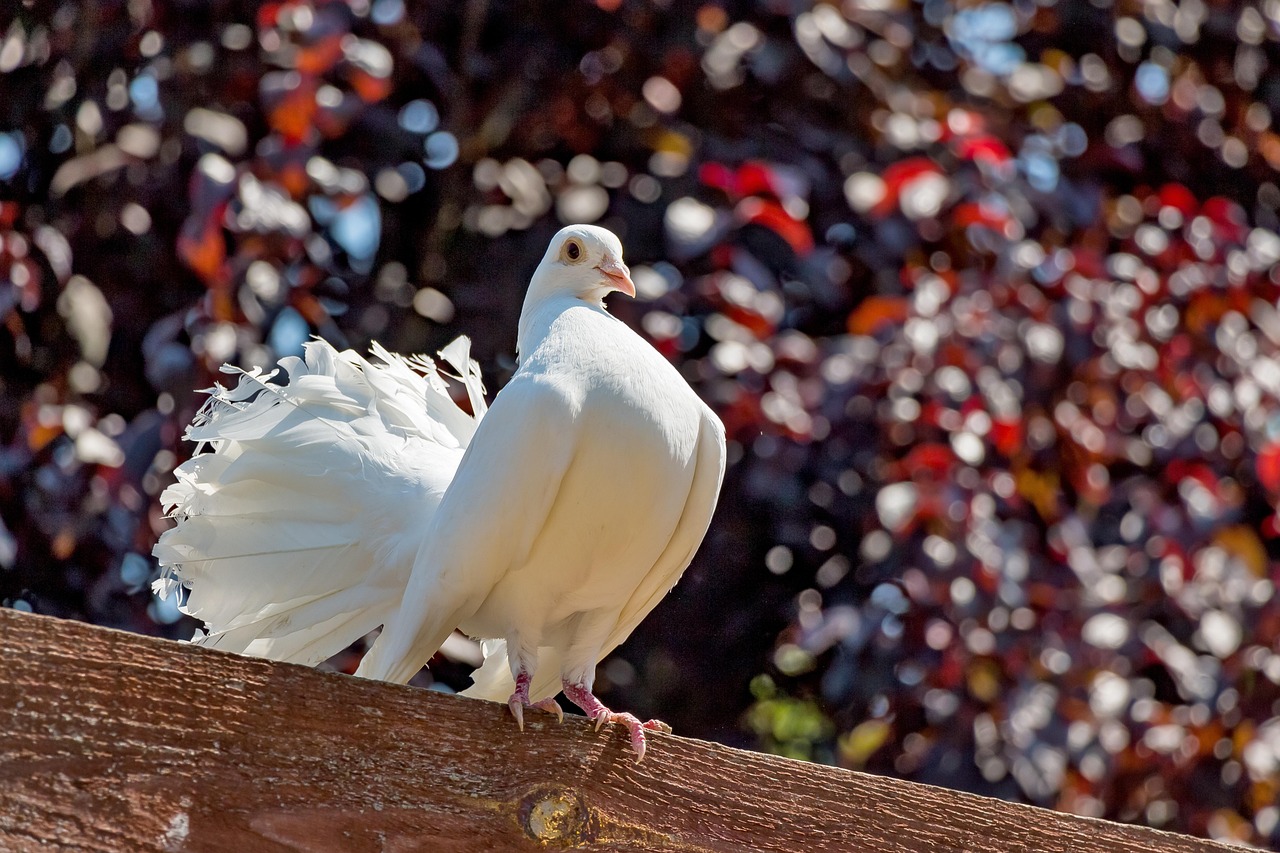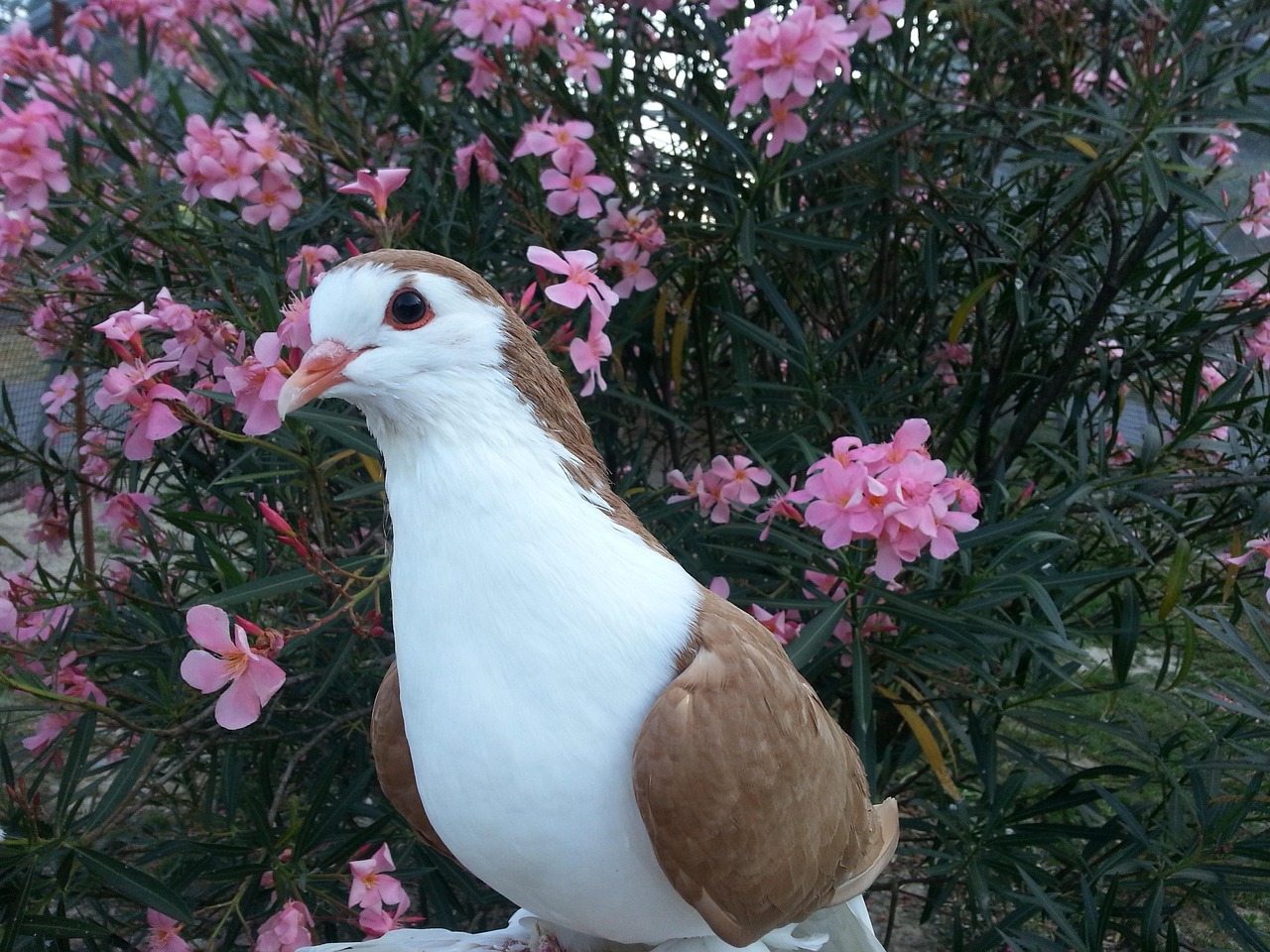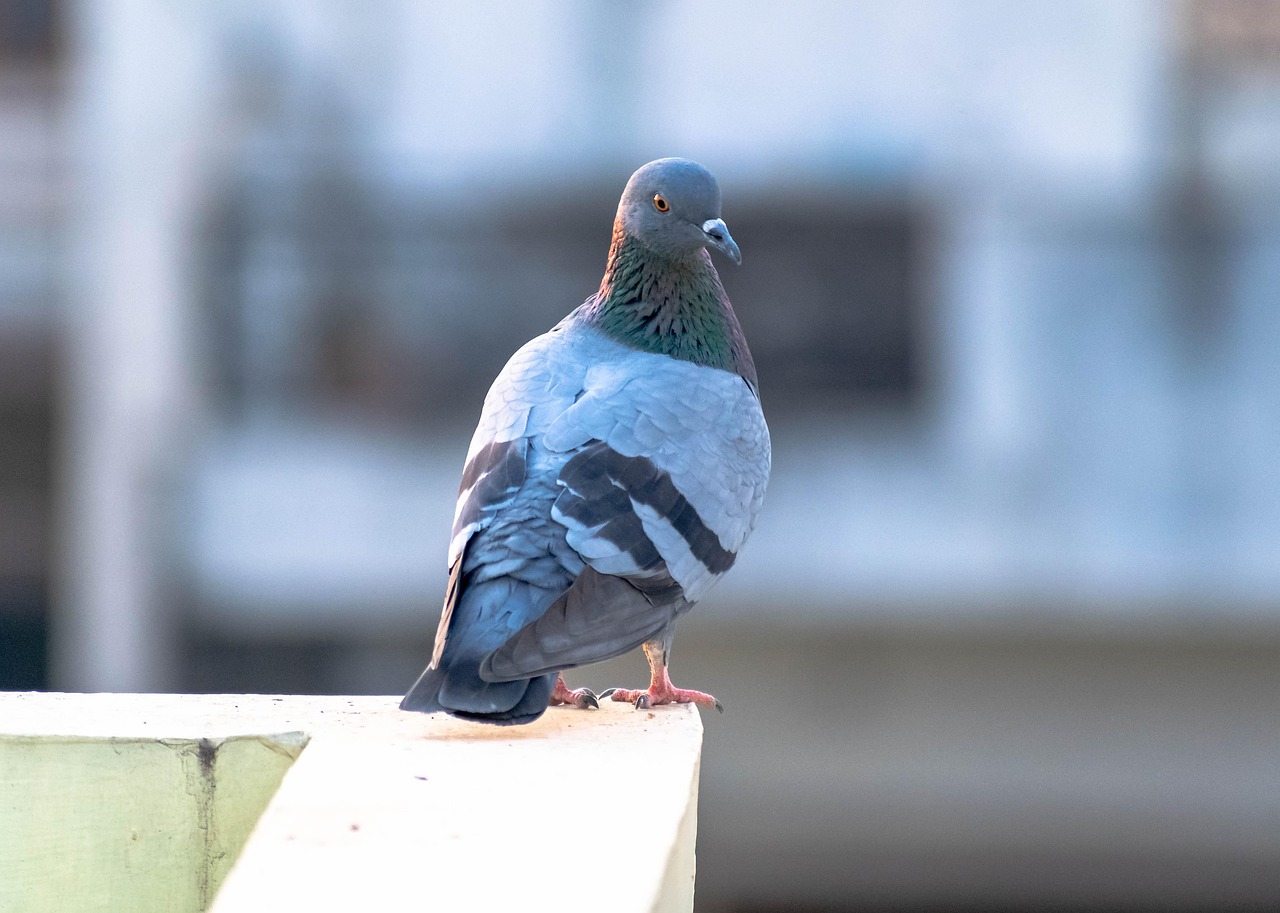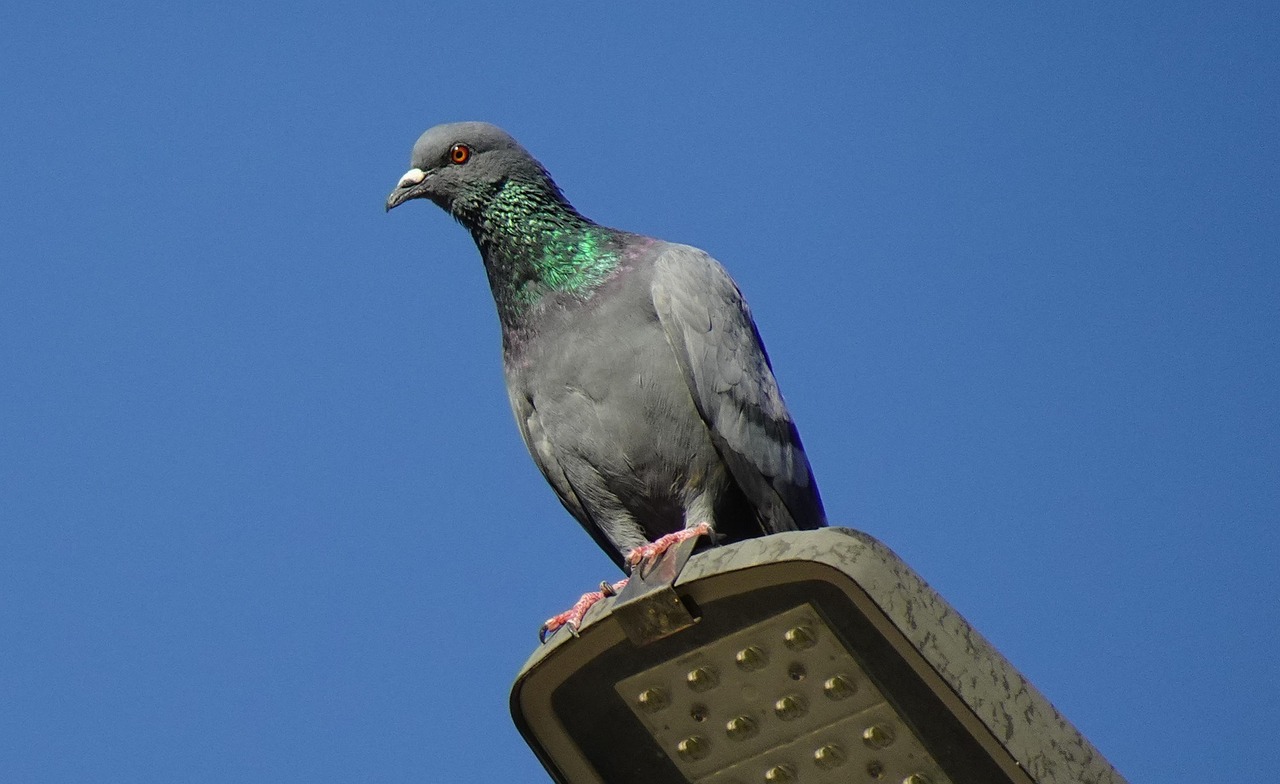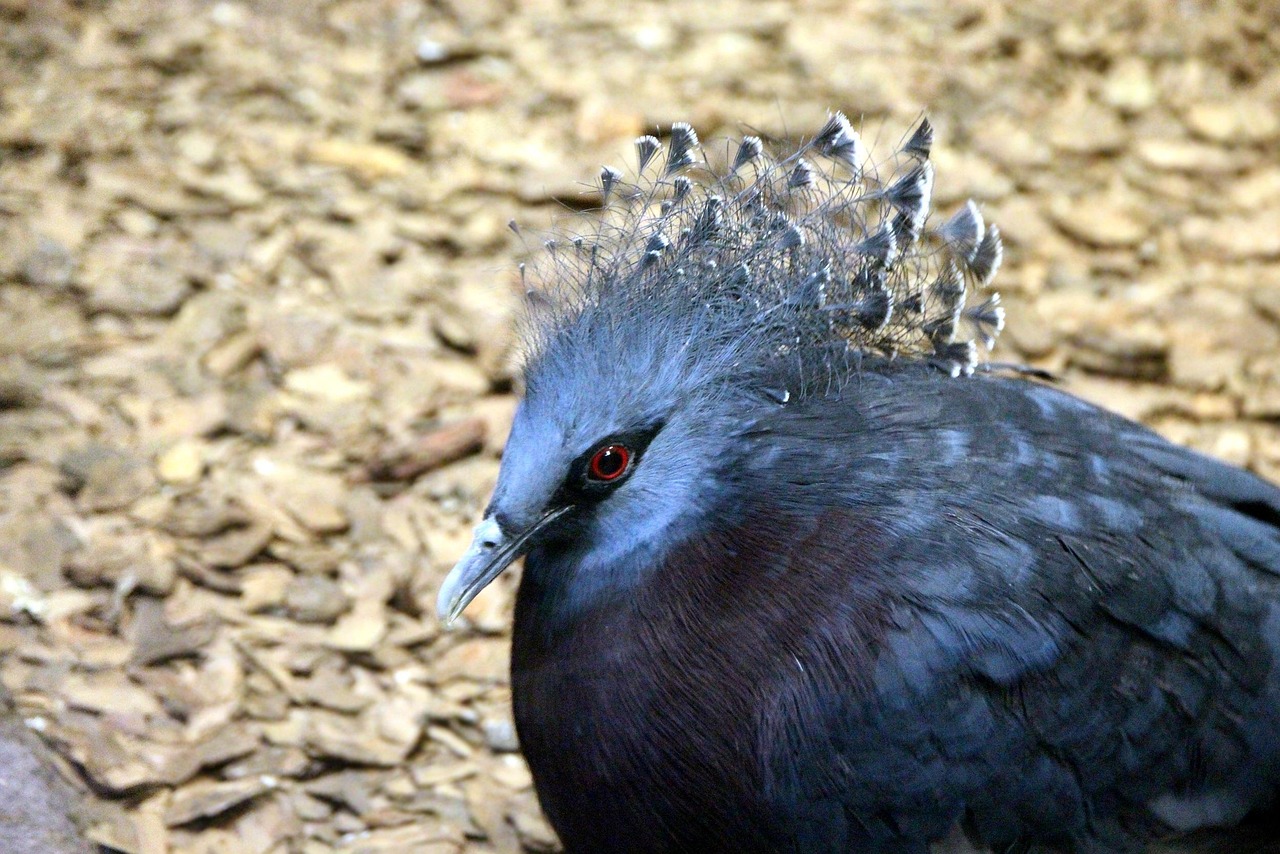
For pigeon enthusiasts, showcasing rare breeds is an art form that demands precision and passion. The right equipment can transform a simple display into a breathtaking exhibition, highlighting the unique beauty and characteristics of each bird. This guide delves into the essential gear for creating stunning presentations and capturing professional-quality images that do justice to these magnificent creatures.
Mastering the Show Cage Setup for Optimal Presentation
A well-designed show cage setup is the foundation of any successful pigeon exhibition. It not only ensures the comfort and safety of your birds but also enhances their visual appeal, allowing judges and spectators to appreciate every detail. Investing in quality cages tailored to your breed's needs can make a significant difference in competitive shows and personal displays.
Choosing the Right Cage Design and Materials
When selecting a cage, prioritize durability and aesthetics. Stainless steel or powder-coated metal cages are ideal for their strength and ease of cleaning, while wooden frames can add a classic touch for traditional displays. Ensure the cage size accommodates the pigeon's natural posture and movement; for rare breeds, a slightly larger space can prevent stress and feather damage. Look for features like removable trays for quick maintenance and secure latches to keep birds safe during transport and shows. A thoughtful show cage setup not only protects your investment but also creates a polished, professional look that draws attention to the bird itself.
Consider the cage's visibility from all angles. Opt for designs with minimal obstructions, such as thin bars or clear acrylic panels, to provide an unobstructed view. This is especially important for rare breeds with intricate plumage patterns or unique physical traits. Additionally, incorporate perches that encourage natural posing, as a comfortable bird will exhibit its best posture and behavior. By focusing on these details, you can create a show cage setup that serves as a perfect stage for your pigeons to shine.
Enhancing the Display with Accessories and Layout
Accessories play a crucial role in elevating your show cage setup. Start with a clean, neutral-colored backdrop to avoid distracting from the bird's colors and markings. Soft bedding materials, such as wood shavings or specialized mats, provide comfort and absorb moisture, keeping the cage hygienic throughout the event. For added flair, incorporate decorative elements like small plants or themed props that complement the breed's origin or characteristics, but ensure they do not overcrowd the space or pose safety risks.
Layout is key to creating an engaging display. Arrange multiple cages in a way that allows easy viewing and flow for spectators, avoiding clutter that can detract from individual birds. Use risers or tiered stands to create visual interest and ensure each pigeon is at eye level. In competitive settings, a well-organized show cage setup can influence judges by demonstrating your attention to detail and respect for the birds. Remember, the goal is to highlight the pigeon's beauty, so every accessory should serve that purpose without overwhelming the presentation.
- Select backdrops that contrast with feather colors for better visibility.
- Use removable accessories for quick customization between shows.
- Ensure all materials are non-toxic and safe for prolonged bird contact.
Optimizing Lighting for Pigeons in Photography and Shows
Lighting for pigeons is a critical element that can make or break both live displays and photographic sessions. Proper illumination enhances colors, reveals texture, and creates a flattering environment that showcases each breed's unique features. Whether you're preparing for a show or capturing images for documentation, understanding how to manipulate light will elevate your results to a professional level.
Natural vs. Artificial Lighting: Pros and Cons
Natural light, such as sunlight, offers a soft, diffused quality that can beautifully highlight a pigeon's plumage without harsh shadows. It's ideal for outdoor shows or photography sessions during golden hours (early morning or late afternoon). However, it can be unpredictable due to weather changes and may cause glare or overheating if not managed properly. To mitigate this, use shades or tents to control intensity and direction, ensuring your birds remain comfortable while benefiting from the natural glow.
Artificial lighting provides consistency and control, making it a reliable choice for indoor events and studio photography. LED panels or softbox lights are excellent for lighting for pigeons, as they produce even, adjustable illumination without excessive heat. Position lights at multiple angles to avoid flat appearances; for example, a key light from the front can emphasize colors, while a fill light from the side adds depth to feathers. Be mindful of color temperature—aim for neutral white (around 5000K) to render colors accurately, as rare breeds often have subtle hues that can be distorted by warm or cool tones.
Techniques for Capturing Stunning Images and Videos
To capture the essence of rare pigeons, combine lighting with strategic camera settings. Use a DSLR or mirrorless camera with a macro lens for close-up shots that reveal intricate details like feather patterns and eye color. Set a wide aperture (e.g., f/2.8 to f/5.6) to create a shallow depth of field, blurring the background and focusing attention on the bird. For lighting for pigeons in video, ensure continuous, flicker-free sources to avoid strobing effects, and consider using reflectors to bounce light into shadowed areas for a balanced look.
In live shows, integrate lighting into your display setup. Overhead track lights or spotlights can direct attention to specific cages, creating a dramatic effect that highlights each pigeon's best attributes. Adjust brightness based on the venue's ambient light to prevent washout or dimness. For photography, experiment with backlighting to create a halo effect around feathers, or use side lighting to emphasize texture and form. Always prioritize the bird's well-being by avoiding bright, direct lights that could cause stress, and take breaks during sessions to allow for rest.
- Use diffusers to soften artificial light and reduce harsh shadows.
- Monitor light intensity to prevent overheating in enclosed spaces.
- Test lighting setups before events to ensure optimal results.
Selecting Photography Equipment for Detailed Shots
High-quality photography equipment is essential for documenting and promoting rare pigeon breeds. From cameras to lenses, the right tools can capture every nuance, helping you share your passion with a wider audience and preserve the beauty of these birds for future generations. This section explores the gear needed to achieve professional-level images that stand out in competitions and online portfolios.
Essential Camera Gear and Lenses
Invest in a camera with high resolution and fast autofocus to capture sharp, detailed images. A full-frame DSLR or mirrorless camera is ideal for its superior image quality and low-light performance. Pair it with a versatile lens, such as a 24-70mm zoom for overall shots and a 100mm macro lens for close-ups of feathers, eyes, and other fine details. These lenses allow you to adapt to different shooting scenarios, whether you're photographing a single bird in a show cage setup or a group in a loft.
Additional accessories can enhance your photography. A sturdy tripod ensures stability for long exposures or video work, reducing blur and allowing precise framing. Remote shutter releases help minimize camera shake, especially in low-light conditions. For lighting for pigeons, consider off-camera flashes or continuous LED panels that you can position to complement natural light. By building a comprehensive kit, you'll be prepared to capture stunning images in any setting, from bright show halls to dimly lit home environments.
Post-Processing Tips for Enhancing Images
Post-processing is a valuable step in refining your pigeon photographs. Use software like Adobe Lightroom or Photoshop to adjust exposure, contrast, and color balance, ensuring the images accurately represent the bird's appearance. Focus on subtle enhancements rather than over-editing; for example, increase clarity to bring out feather texture or use selective adjustments to brighten shadows without losing detail. Always retain the natural look of the pigeon to maintain authenticity, especially for rare breeds where accurate documentation is crucial.
When editing, pay attention to the background. Blur distractions or replace them with neutral tones to keep the focus on the pigeon. For social media or print, resize images appropriately and add watermarks if needed to protect your work. Remember, the goal of post-processing is to complement your photography equipment and lighting for pigeons, not to compensate for poor technique. With practice, you can develop a workflow that produces polished, professional results that showcase your birds in their best light.
- Shoot in RAW format for greater editing flexibility.
- Calibrate your monitor to ensure accurate color representation.
- Backup images regularly to prevent data loss.
Integrating Technology for Modern Displays
Technology offers innovative ways to enhance pigeon displays, from digital presentations to interactive elements that engage audiences. By incorporating modern tools, you can create dynamic exhibitions that appeal to both traditional enthusiasts and new generations, elevating the overall experience of showcasing rare breeds.
Digital Displays and Interactive Elements
Digital displays, such as tablets or monitors, can provide supplementary information about each pigeon, including breed history, lineage, and unique traits. Place these near your show cage setup to educate viewers and add depth to the presentation. For larger events, consider projection mapping or video walls that showcase high-resolution images or videos of your birds in action, creating an immersive environment that captures attention. These technologies allow you to tell a story beyond the physical display, highlighting the care and dedication behind each breed.
Interactive elements, like QR codes linked to online portfolios or social media pages, encourage engagement and follow-up interest. Use them to share behind-the-scenes content, such as breeding logs or training videos, fostering a connection with your audience. When integrating technology, ensure it complements rather than distracts from the pigeons; for example, use subtle screens with adjustable brightness to avoid overwhelming the lighting for pigeons. By blending traditional methods with modern innovations, you can create a forward-thinking display that stands out in competitive and public settings.
Using Apps and Software for Management and Promotion
Apps and software streamline the management of your pigeon collection, from tracking health records to scheduling shows. Tools like Ghawy – Pigeon Manager (غاوي – إدارة الحمام) offer features for organizing breeding pairs, monitoring expenses, and planning display setups, making it easier to maintain a professional operation. Utilize these platforms to analyze data and improve your strategies, ensuring your rare breeds receive the best care and presentation opportunities.
For promotion, leverage social media and website builders to showcase your birds to a global audience. Share high-quality photos and videos captured with your photography equipment, and use SEO techniques to attract enthusiasts searching for topics like show cage setup or lighting for pigeons. Engage with online communities to build a network and gain insights from other experts. By embracing technology, you can expand your reach and contribute to the preservation and appreciation of rare pigeon breeds worldwide.
Conclusion
Showcasing rare pigeons requires a blend of artistry and technical skill, from designing an effective show cage setup to mastering lighting for pigeons in photography and displays. By investing in quality equipment and embracing modern technologies, you can create presentations that highlight the unique beauty of each breed. Remember, the goal is to honor these magnificent birds through careful attention to detail and innovative approaches. For those looking to streamline their efforts, consider exploring tools like Ghawy – Pigeon Manager (غاوي – إدارة الحمام) to enhance your management and promotion strategies. With dedication and the right gear, you can elevate your passion into a professional showcase that inspires others.