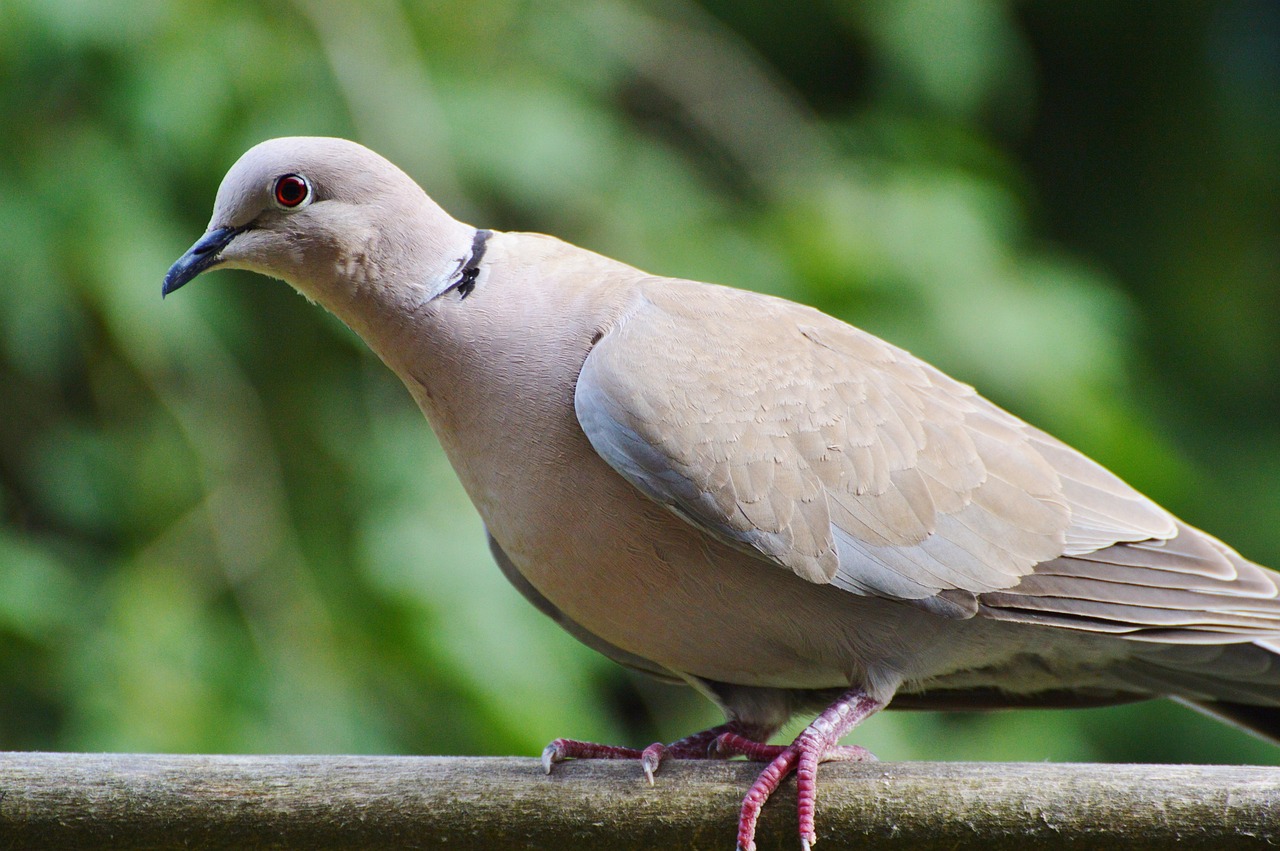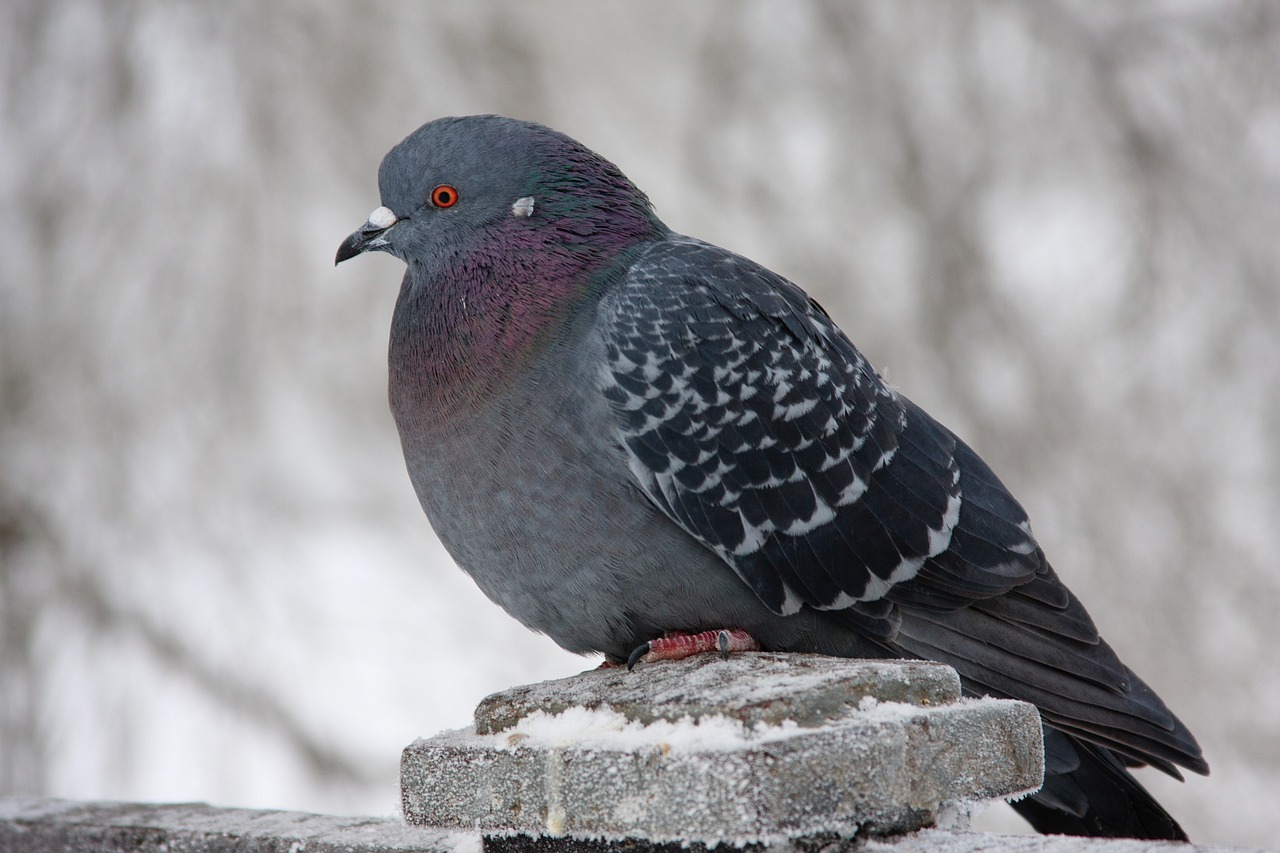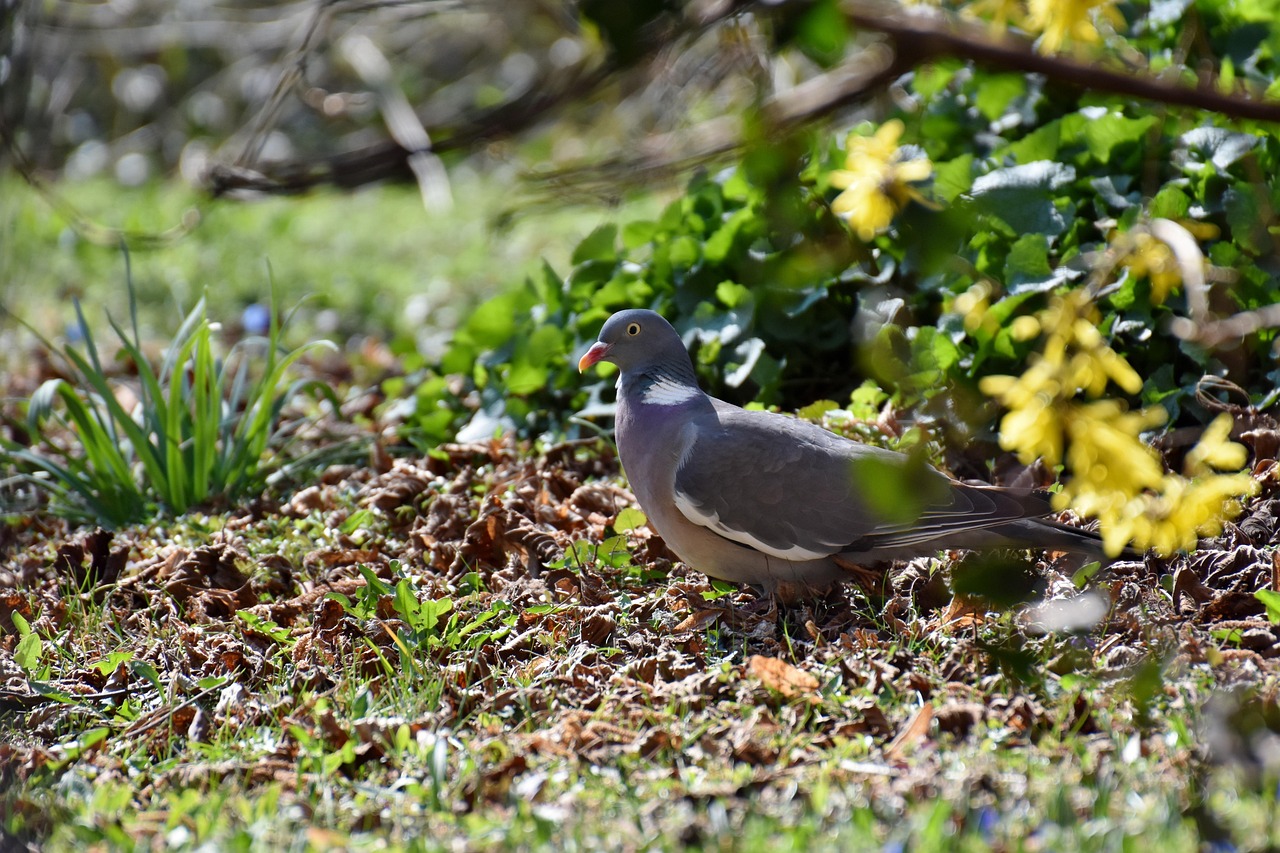
The King pigeon, known as 'حمام كنجي' in Arabic, has emerged as a premier breed captivating enthusiasts across the Gulf region. With its majestic appearance and robust characteristics, this pigeon has become a symbol of prestige and passion in the vibrant السوق الخليجي. This article delves into the unique specifications, cultural significance, and market dynamics driving its popularity, offering insights for breeders and collectors alike.
Understanding the King Pigeon Breed
The King pigeon, originally developed in the United States, has been selectively bred for its impressive size and utility, but in the Gulf, it has taken on a new role as a show and ornamental bird. Its adaptation to the local climate and breeding practices has refined its traits, making it a standout in the region's pigeon fancying community. This section explores the breed's origins and how it has evolved to meet the demands of the السوق الخليجي.
Physical Characteristics and Standards
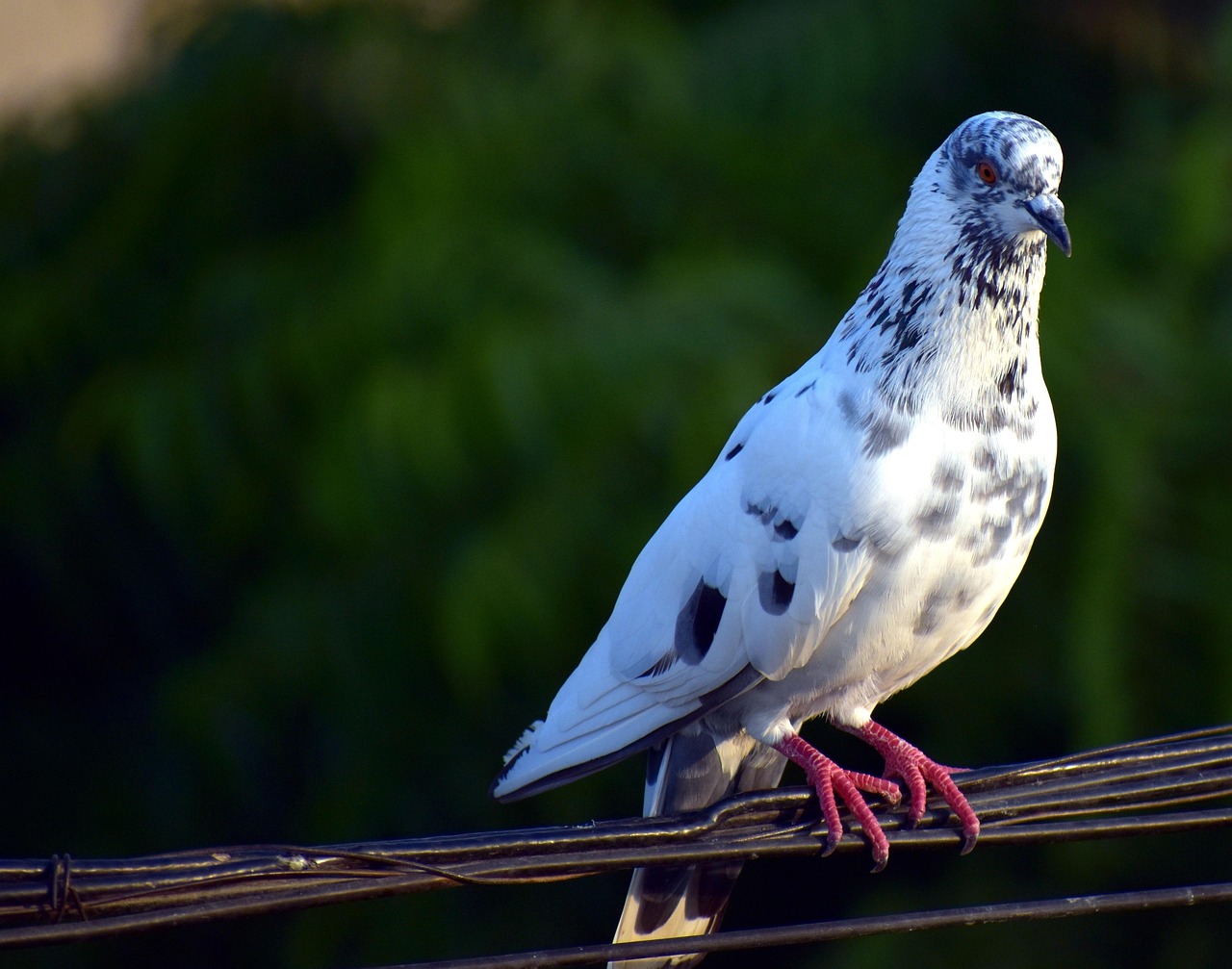
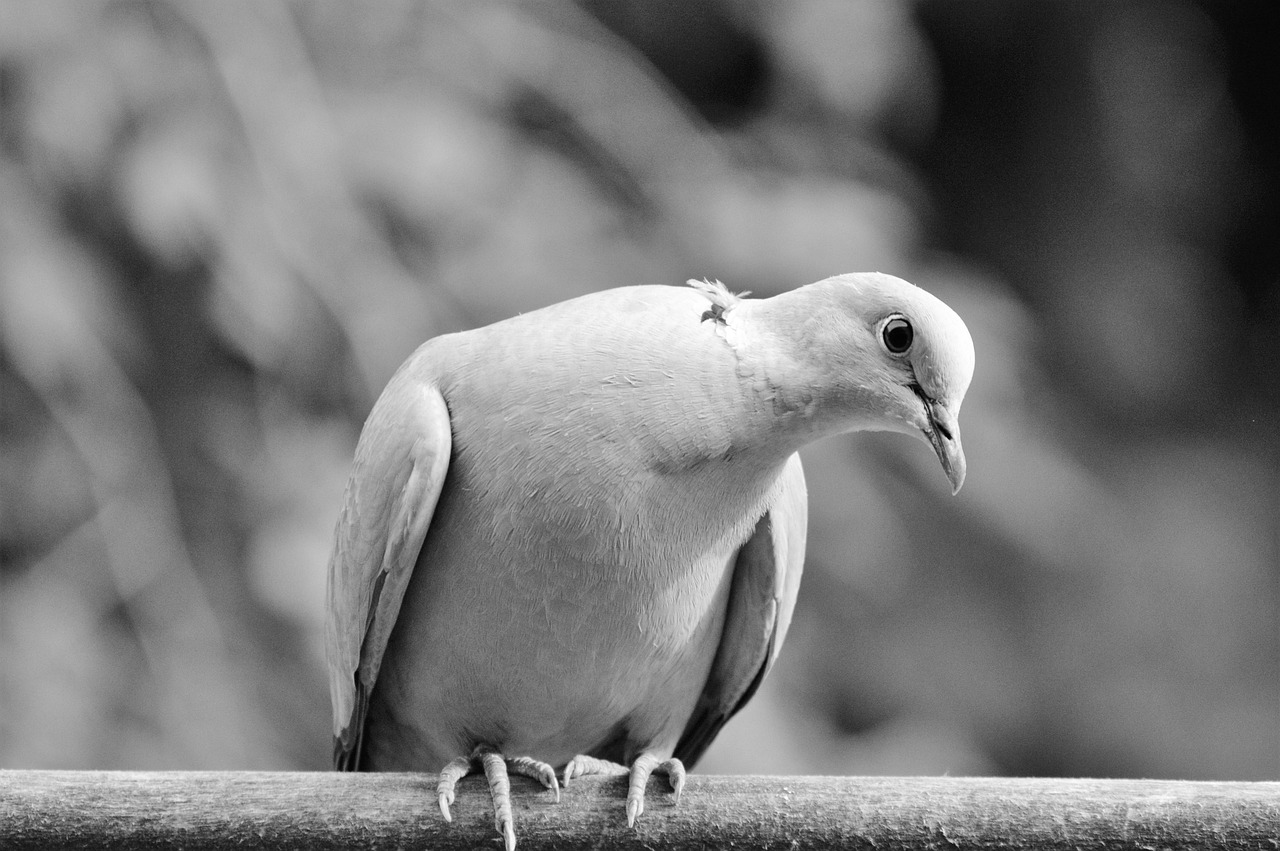
King pigeons are renowned for their large, muscular build, typically weighing between 800 to 1,200 grams, which makes them one of the heaviest pigeon breeds. Their broad chest, short beak, and upright posture give them a regal appearance that appeals to collectors. Key physical traits include a smooth, tight feathering that comes in various colors such as white, black, blue, and red, often with distinctive markings. Breeders in the Gulf prioritize birds with symmetrical features and vibrant plumage, as these are highly valued in competitions and private collections.
In addition to size, the King pigeon's temperament is a crucial factor in its popularity. They are known for their calm and docile nature, making them easier to handle and breed compared to more skittish breeds. This trait is particularly appreciated in the السوق الخليجي, where pigeons are often kept in close quarters and require minimal stress for optimal health. Proper care involves regular grooming and monitoring for common issues like feather mites, which can affect their appearance and value.
Breeding and Genetics
Successful breeding of حمام كنجي requires a deep understanding of genetics to enhance desirable traits while maintaining health. In the Gulf, breeders often focus on line-breeding to stabilize characteristics like color patterns and body conformation. This practice helps produce consistent offspring that meet the high standards of the market. However, it's essential to avoid inbreeding depression by introducing new bloodlines periodically to prevent genetic weaknesses.
The breeding season for King pigeons in the Gulf typically aligns with milder temperatures, as extreme heat can affect fertility and chick survival. Breeders use controlled environments, such as shaded lofts and cooling systems, to optimize conditions. Key considerations include providing a balanced diet rich in proteins and vitamins to support egg production and chick growth. By mastering these techniques, enthusiasts can contribute to the sustainability and quality of the breed in the السوق الخليجي.
- Select for size and color consistency in breeding pairs
- Monitor genetic diversity to prevent health issues
- Adjust breeding schedules based on seasonal climate changes
Market Dynamics in the Gulf Region
The السوق الخليجي for pigeons, particularly حمام كنجي, is characterized by high demand driven by cultural traditions and economic factors. In countries like Saudi Arabia, UAE, and Qatar, pigeon keeping is not just a hobby but a status symbol, with enthusiasts investing significant resources in acquiring premium birds. This section examines the factors influencing prices, trends, and the role of technology in shaping the market.
Demand Drivers and Cultural Significance
In the Gulf, pigeons have long been associated with heritage and leisure, with King pigeons gaining prominence due to their aesthetic appeal and rarity. Events like pigeon shows and auctions are popular social gatherings where breeders showcase their best specimens, fostering a competitive yet community-oriented environment. The demand for حمام كنجي is also fueled by their use in ceremonial events and as gifts, symbolizing generosity and prestige among collectors.
Economic prosperity in the region has enabled higher spending on luxury hobbies, including pigeon fancying. As disposable incomes rise, more individuals are entering the market, seeking unique breeds like the King pigeon to enhance their collections. This trend has led to increased imports and local breeding efforts, creating a dynamic السوق الخليجي with fluctuating prices based on quality, lineage, and show records. Understanding these drivers helps breeders tailor their strategies to meet consumer preferences.
Pricing and Valuation Factors
The value of a King pigeon in the Gulf market depends on multiple factors, including physical attributes, pedigree, and performance in competitions. Birds with rare color mutations or championship titles can command prices ranging from hundreds to thousands of dollars. Breeders often use online platforms and social media to advertise their stock, reaching a wider audience within the السوق الخليجي and beyond.
To assess value accurately, enthusiasts consider aspects like age, health records, and breeding potential. Younger birds with proven genetics are typically more expensive, as they offer longer-term breeding opportunities. Additionally, the reputation of the breeder plays a role, with established names often fetching higher prices due to trust and quality assurance. By staying informed about market trends, participants can make strategic investments in حمام كنجي that yield both financial and personal satisfaction.
- Evaluate birds based on show wins and genetic lineage
- Leverage digital tools for marketing and sales
- Consider regional preferences in color and size when pricing
Care and Maintenance for Optimal Health
Maintaining the health and vitality of King pigeons is essential for their longevity and value in the السوق الخليجي. This section covers best practices in housing, nutrition, and healthcare, drawing on expert insights to ensure these majestic birds thrive in Gulf conditions.
Housing and Environmental Management
Proper housing for حمام كنجي involves designing lofts that provide ample space, ventilation, and protection from the harsh Gulf climate. Lofts should be elevated to prevent dampness and equipped with shaded areas to reduce heat stress. Regular cleaning is crucial to prevent diseases, with recommendations for disinfecting surfaces and removing waste daily. In the السوق الخليجي, many breeders invest in automated systems for temperature control and feeding to streamline care.
Environmental factors like humidity and temperature fluctuations can impact pigeon health, so monitoring tools are valuable for maintaining optimal conditions. During summer months, additional measures such as misting systems or fans may be necessary to keep birds cool. By creating a stable environment, breeders can minimize stress and promote healthy growth, enhancing the appeal of their حمام كنجي in the competitive market.
Nutritional Needs and Dietary Plans
A balanced diet is key to supporting the large size and energy requirements of King pigeons. In the Gulf, common feed mixes include grains like corn, wheat, and peas, supplemented with proteins such as legumes and occasional treats like seeds. Fresh water must be available at all times, especially in hot climates where dehydration risks are high. Breeders often customize diets based on life stages, with higher protein content for breeding pairs and growing chicks.
Supplements like vitamins and minerals can boost immunity and feather quality, but should be used judiciously to avoid overdosing. Consulting with avian veterinarians familiar with the السوق الخليجي can help tailor nutritional plans to local availability and needs. By prioritizing nutrition, enthusiasts ensure their حمام كنجي remain vibrant and competitive, whether for show or breeding purposes.
- Provide a mix of grains and proteins for balanced nutrition
- Adjust feeding schedules based on activity levels and seasons
- Incorporate supplements to address specific health concerns
Future Trends and Opportunities
The landscape for King pigeons in the Gulf is evolving with technological advancements and growing interest. This section explores emerging trends, such as digital integration and sustainability efforts, that could shape the future of the السوق الخليجي.
Technological Innovations in Pigeon Fancying
Technology is transforming how breeders manage and market حمام كنجي, with tools like mobile apps for tracking health records and online platforms for virtual shows gaining traction. In the السوق الخليجي, these innovations enhance accessibility and efficiency, allowing enthusiasts to connect globally and share knowledge. Drones and cameras are also used to monitor lofts and capture high-quality images for sales, adding a modern twist to traditional practices.
As artificial intelligence and data analytics become more prevalent, breeders can leverage insights to optimize breeding programs and predict market trends. This tech-driven approach not only improves outcomes but also attracts younger generations to the hobby, ensuring the longevity of حمام كنجي culture in the Gulf. Embracing these tools can give breeders a competitive edge in the dynamic السوق الخليجي.
Sustainability and Ethical Breeding Practices
With increasing awareness of animal welfare, there is a growing emphasis on sustainable and ethical breeding of King pigeons. In the السوق الخليجي, this involves practices like avoiding overbreeding, ensuring genetic diversity, and providing humane care. Breeders who adopt these standards often gain reputational benefits and appeal to conscientious buyers, enhancing their market position.
Opportunities for collaboration with conservation groups or educational initiatives can further promote responsible pigeon fancying. By focusing on sustainability, the community can ensure that حمام كنجي remains a cherished breed for generations to come, balancing tradition with modern ethics in the evolving السوق الخليجي.
Conclusion
The King pigeon, or حمام كنجي, stands as a testament to the rich pigeon culture in the Gulf, driven by its impressive specifications and deep-rooted appeal in the السوق الخليجي. From its physical traits and breeding nuances to market dynamics and care requirements, this breed offers endless opportunities for enthusiasts to engage and excel. By staying informed and adopting best practices, breeders can navigate this vibrant market successfully. For those looking to enhance their pigeon management, consider exploring tools like Ghawy – Pigeon Manager (غاوي – إدارة الحمام) to streamline your efforts and connect with the community.