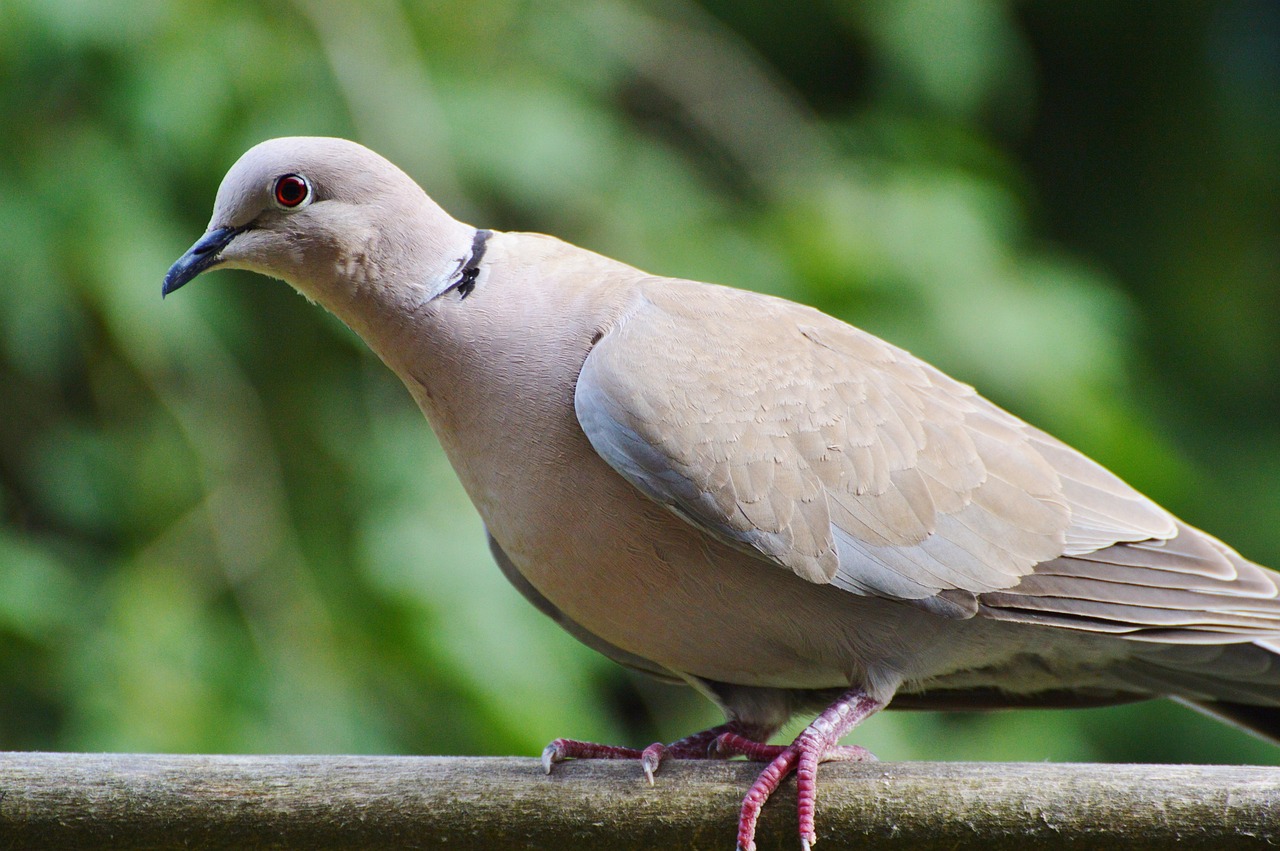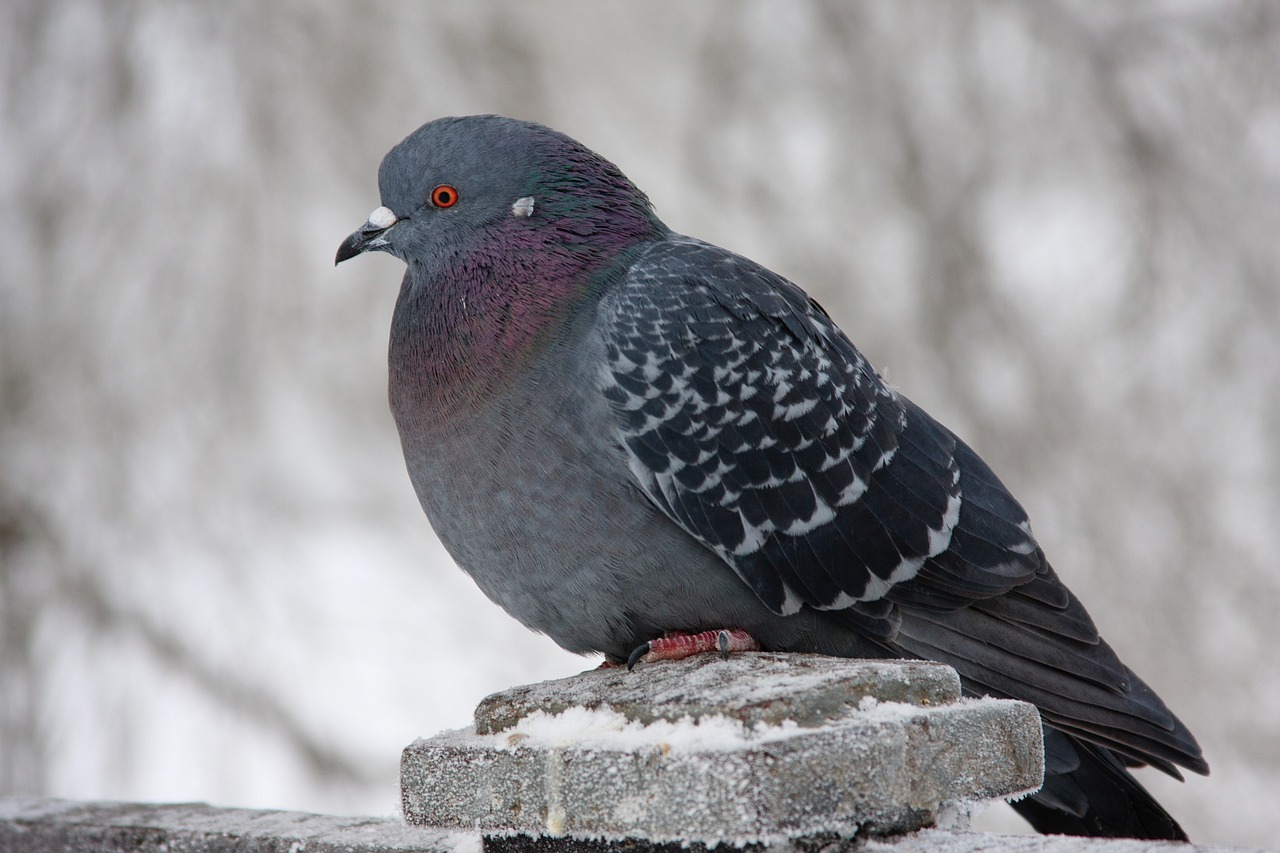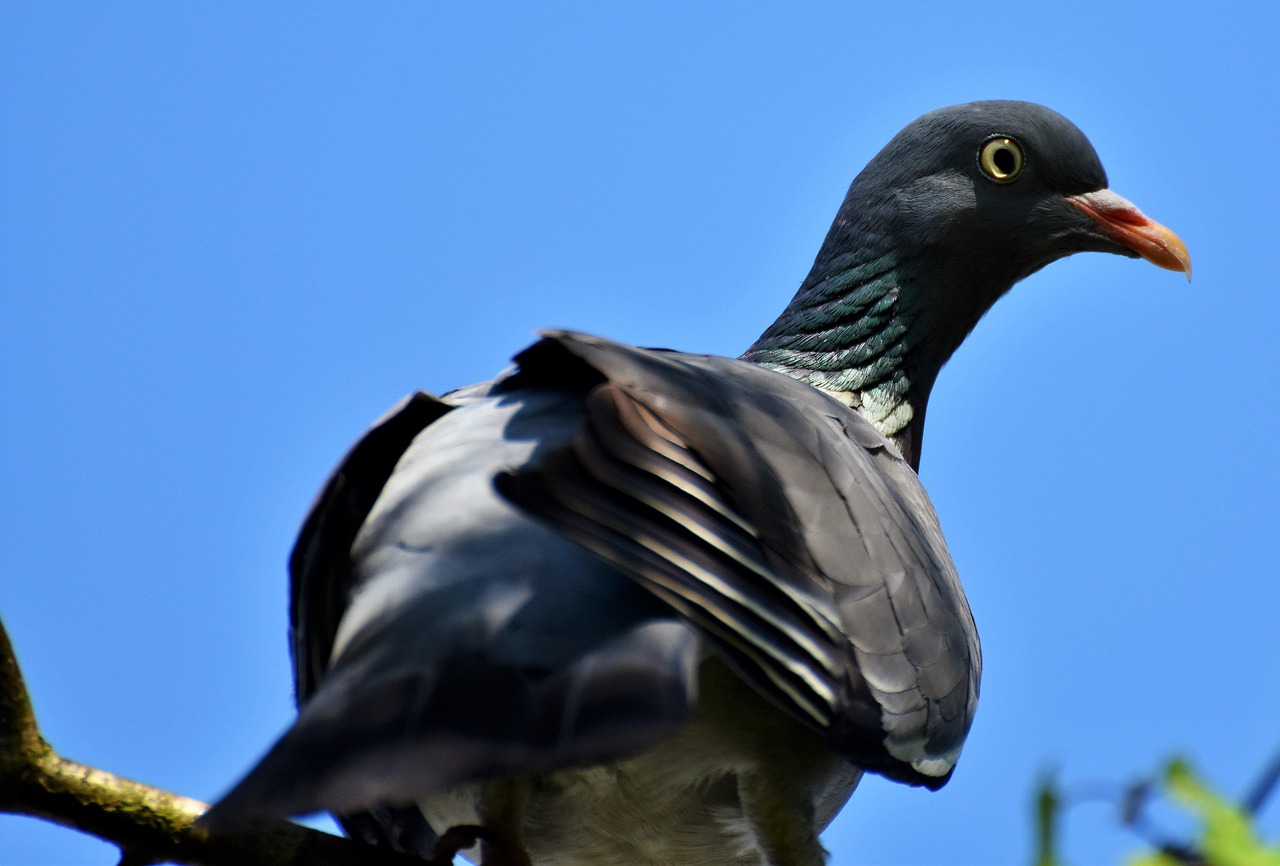
The Syrian pigeon, known as 'الحمام الشامي' in Arabic, is a celebrated breed among pigeon enthusiasts worldwide, prized for its elegance, diverse colors, and cultural significance. This comprehensive guide delves into everything you need to know about these birds, from their unique specifications to current market prices, offering actionable insights for both beginners and seasoned breeders.
Understanding the Syrian Pigeon Breed
The Syrian pigeon, or حمام شامي, is a distinct breed originating from the Levant region, particularly Syria, where it has been bred for centuries for its beauty and performance. These pigeons are known for their graceful flight patterns, robust health, and striking appearance, making them a favorite in pigeon shows and breeding circles. Their history is intertwined with Middle Eastern culture, often symbolizing peace and heritage, which adds to their allure beyond mere aesthetics.
Historical and Cultural Significance
The Syrian pigeon has deep roots in Arab traditions, where pigeon keeping is not just a hobby but a cherished pastime passed down through generations. In Syria and neighboring countries, these birds are often associated with pride and community, with breeders competing to showcase the finest specimens. The breed's resilience and adaptability have allowed it to thrive in various climates, contributing to its popularity across the globe. Understanding this cultural context enriches the appreciation for حمام شامي, highlighting why they are more than just pets—they are living symbols of heritage.
Over time, selective breeding has enhanced the Syrian pigeon's traits, focusing on color variations, body structure, and flying abilities. This evolution reflects the dedication of breeders who aim to preserve and improve the breed, ensuring its legacy continues. For enthusiasts, learning about this history provides a foundation for responsible breeding and care, emphasizing the importance of maintaining genetic diversity and ethical practices.
Key Physical Characteristics
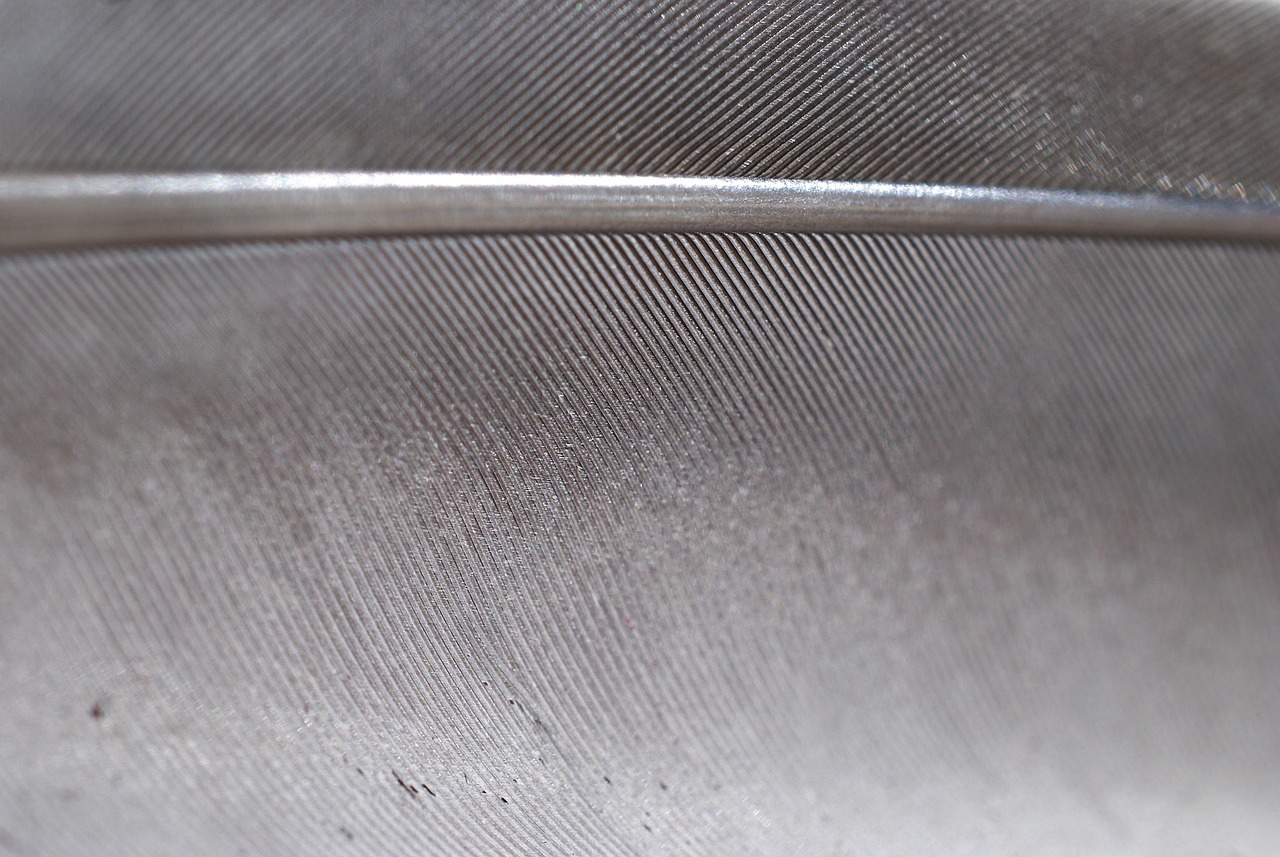
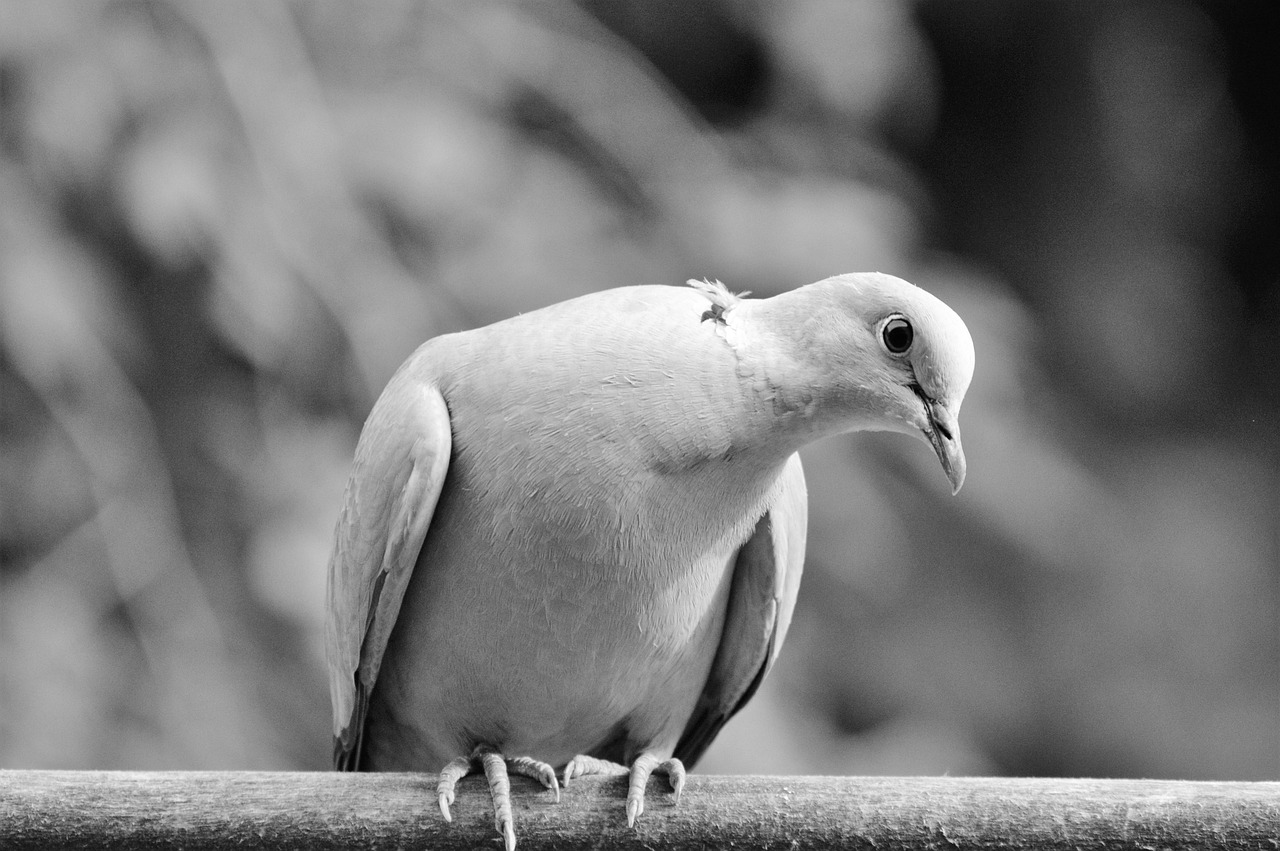
Syrian pigeons are medium-sized birds with a well-proportioned body, typically weighing between 300 to 500 grams. They have a sleek, streamlined shape that aids in agile flight, with strong wings and a broad chest. Their eyes are often bright and expressive, adding to their charismatic presence. One of the most notable features is their feather quality, which is soft and dense, providing insulation and a glossy sheen that enhances their visual appeal.
In terms of specifications, breeders look for specific traits such as a straight back, balanced posture, and smooth feathering without defects. The legs are sturdy and clean, with no excessive feathering, which is common in some fancy breeds. These physical attributes not only contribute to the bird's health and longevity but also play a role in competitions, where judges assess conformity to breed standards. By focusing on these characteristics, owners can ensure their حمام شامي remains in peak condition.
Exploring the Color Varieties of Syrian Pigeons
The color diversity of Syrian pigeons is one of their most captivating aspects, with a range of hues that can suit any breeder's preference. From solid colors to intricate patterns, each variation has its own charm and rarity, influencing both aesthetic value and market demand. This section breaks down the common and rare color types, helping you identify and appreciate the beauty of these birds.
Common Color Patterns
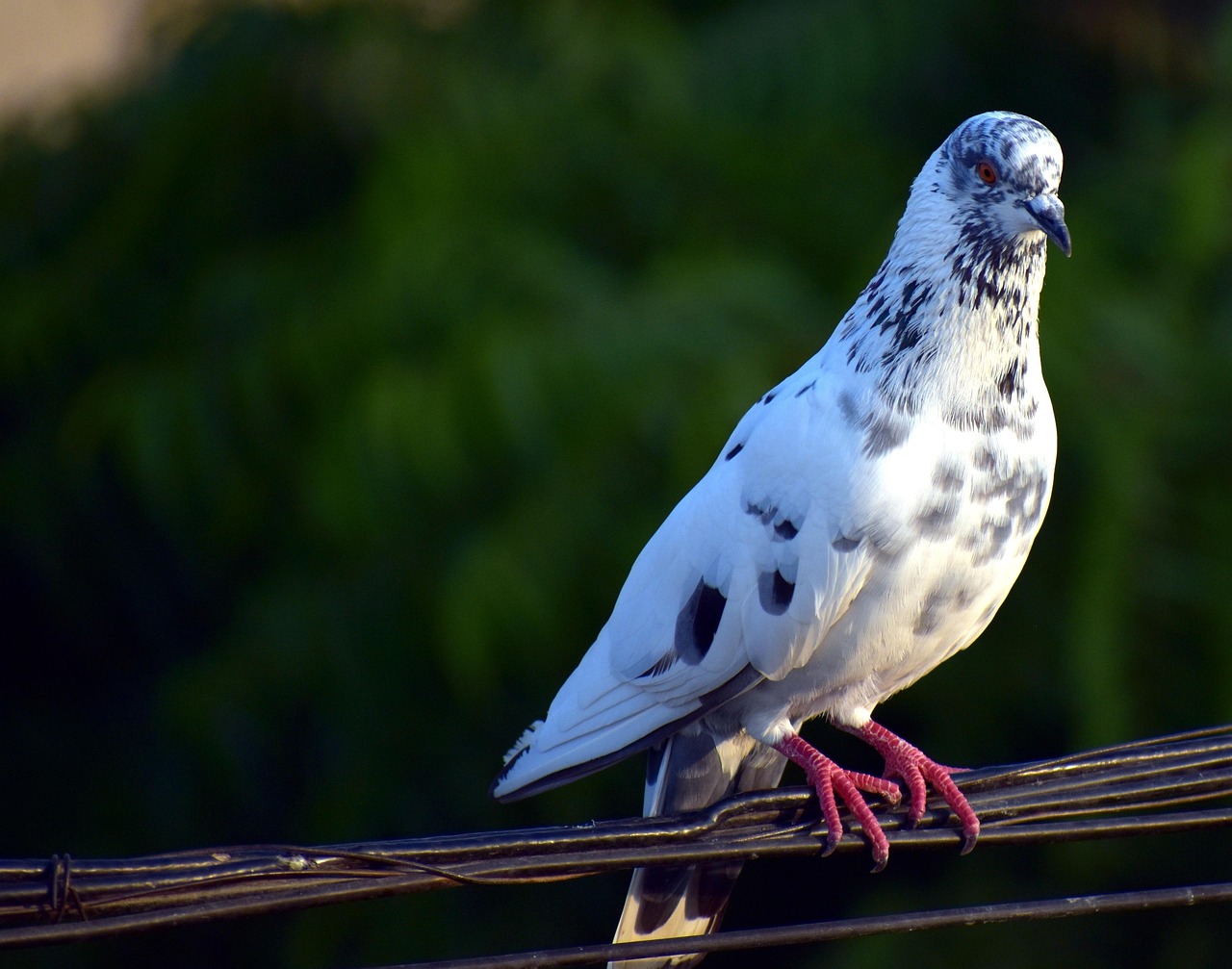
Among the most prevalent colors in Syrian pigeons are shades of blue, black, red, and white, often appearing in combinations that create stunning patterns. For example, the 'blue bar' variety features a blue base with dark bars across the wings, while the 'red check' displays a reddish-brown hue with checkered markings. These common patterns are widely available and make excellent choices for beginners due to their affordability and ease of care.
In addition to solid colors, many Syrian pigeons exhibit pied or mottled patterns, where two or more colors blend seamlessly. These variations are popular in shows for their visual interest and can be bred selectively to enhance specific traits. Understanding these common colors helps breeders make informed decisions when starting their flocks, ensuring they select birds that align with their goals and resources.
Rare and Sought-After Hues
Rare color varieties in Syrian pigeons, such as lavender, silver, and grizzle, are highly prized by collectors and can command premium prices. These hues result from specific genetic combinations and careful breeding, making them less common in the market. For instance, the 'lavender' Syrian pigeon has a soft, purplish-gray tint that is both elegant and unique, often sought after for breeding programs aimed at producing exclusive offspring.
Breeders interested in these rare colors should be prepared for higher costs and more intensive care, as maintaining genetic purity requires expertise. However, the investment can be rewarding, as these birds often stand out in competitions and can increase the value of a breeding stock. By exploring these rare hues, enthusiasts can deepen their knowledge of حمام شامي genetics and contribute to the preservation of diverse color lines.
Essential Specifications for Syrian Pigeon Care
Proper care for Syrian pigeons involves understanding their specific needs in terms of housing, diet, and health management. These specifications ensure the birds thrive and maintain their optimal condition, whether kept for show, breeding, or as pets. This section provides actionable guidelines to help you create a supportive environment for your حمام شامي.
Housing and Environment Requirements
Syrian pigeons require spacious, clean lofts that protect them from extreme weather and predators. A well-ventilated structure with adequate perching space is essential, as these birds are active and need room to fly and exercise. The loft should be equipped with nesting boxes for breeding pairs and regular cleaning schedules to prevent disease. Ideal temperatures range from 10°C to 25°C, with humidity controlled to avoid respiratory issues.
In addition to physical space, environmental enrichment such as toys and bathing areas can promote mental stimulation and reduce stress. Syrian pigeons are social creatures, so housing them in pairs or small groups encourages natural behaviors. By adhering to these housing specifications, breeders can ensure their birds remain healthy and happy, which is crucial for maintaining the breed's renowned vitality.
Diet and Nutrition Guidelines
A balanced diet is critical for Syrian pigeons, consisting of high-quality grains, seeds, and supplements to support their energy needs. Common feed mixes include corn, wheat, peas, and millet, providing essential carbohydrates, proteins, and fats. Fresh water should always be available, and occasional treats like greens or fruits can add variety. During breeding seasons, additional protein sources like legumes may be necessary to support egg production and chick growth.
Nutritional deficiencies can lead to health problems, so it's important to monitor food intake and adjust portions based on activity levels. Syrian pigeons are generally hardy, but overfeeding or poor-quality feed can cause obesity or digestive issues. By following these diet guidelines, owners can enhance their birds' longevity and performance, whether in flight or reproduction.
Current Market Prices for Syrian Pigeons
The prices of Syrian pigeons, or أسعار الحمام الشامي, vary widely based on factors such as color rarity, age, health, and breeding potential. This section offers a detailed overview of pricing trends, helping buyers make informed decisions and avoid overpaying. Whether you're looking for a pet or a show-quality bird, understanding the market dynamics is key to a successful purchase.
Factors Influencing Price Ranges
Several elements affect the cost of Syrian pigeons, with color and pedigree being primary drivers. Rare colors like lavender or grizzle can fetch prices from $100 to $500 or more, depending on purity and demand. Age also plays a role; younger birds are often cheaper but require more training, while mature, proven breeders command higher fees due to their breeding history. Health certifications and show awards can further increase value, as they indicate quality and genetic superiority.
Geographic location influences prices too, with regions having active pigeon communities often offering competitive rates. Online marketplaces and specialized breeders may list أسعار الحمام الشامي that include shipping costs, which should be factored into the budget. By considering these factors, buyers can navigate the market effectively, ensuring they invest in birds that meet their expectations and financial limits.
Average Price Estimates and Buying Tips
On average, common Syrian pigeons in standard colors like blue or black range from $20 to $80, making them accessible for beginners. For mid-range varieties with unique patterns or better lineage, prices can be between $80 and $200. Premium birds, especially those with rare hues or championship titles, may cost $200 to $1000 or more. It's advisable to research multiple sellers, compare offers, and inspect birds in person when possible to assess health and temperament.
- Start with a budget and stick to it, avoiding impulse buys.
- Ask for health records and breeding history to ensure quality.
- Consider joining pigeon clubs or forums for recommendations and discounts.
By following these tips, enthusiasts can secure healthy Syrian pigeons at fair prices, building a flock that brings joy and potential profit.
Breeding and Raising Syrian Pigeons Successfully
Breeding Syrian pigeons requires knowledge of genetics, pairing strategies, and chick care to produce healthy offspring and maintain breed standards. This section covers best practices for successful breeding, from selecting pairs to nurturing young birds, offering practical advice for both novice and experienced breeders.
Selecting Breeding Pairs
Choosing the right breeding pairs is crucial for producing quality Syrian pigeons. Look for birds with complementary traits, such as strong flight abilities paired with desirable colors, to enhance genetic diversity. Avoid inbreeding by tracking pedigrees and introducing new bloodlines periodically. Health should be a top priority; only breed birds that are free from diseases and have good body condition.
During the breeding season, provide a calm environment with ample nesting materials to encourage mating. Syrian pigeons typically lay one or two eggs per clutch, with an incubation period of about 18 days. By carefully selecting pairs and monitoring their progress, breeders can increase the chances of producing robust chicks that uphold the حمام شامي legacy.
Chick Care and Development
Once chicks hatch, they require attentive care to ensure proper growth. Feed them a high-protein diet, such as softened grains or specialized chick feed, and keep the nest clean to prevent infections. Syrian pigeon chicks develop quickly, fledging within 4 to 6 weeks, during which time they should be gradually introduced to flying and socializing with other birds.
Regular health checks are essential to detect issues early, such as parasites or nutritional deficiencies. As the chicks mature, assess their traits against breed standards to decide whether to keep them for breeding or sale. With diligent care, raising Syrian pigeons can be a rewarding experience that contributes to the breed's preservation and your own expertise.
Conclusion
In summary, the Syrian pigeon, or حمام شامي, is a remarkable breed offering beauty, cultural richness, and breeding opportunities. From understanding their colors and specifications to navigating أسعار الحمام الشامي, this guide provides a comprehensive resource for enthusiasts. By applying these insights, you can enjoy the rewards of pigeon keeping while preserving this cherished breed. For expert management tools and community support, consider exploring Ghawy – Pigeon Manager (غاوي – إدارة الحمام) to enhance your pigeon-raising journey.