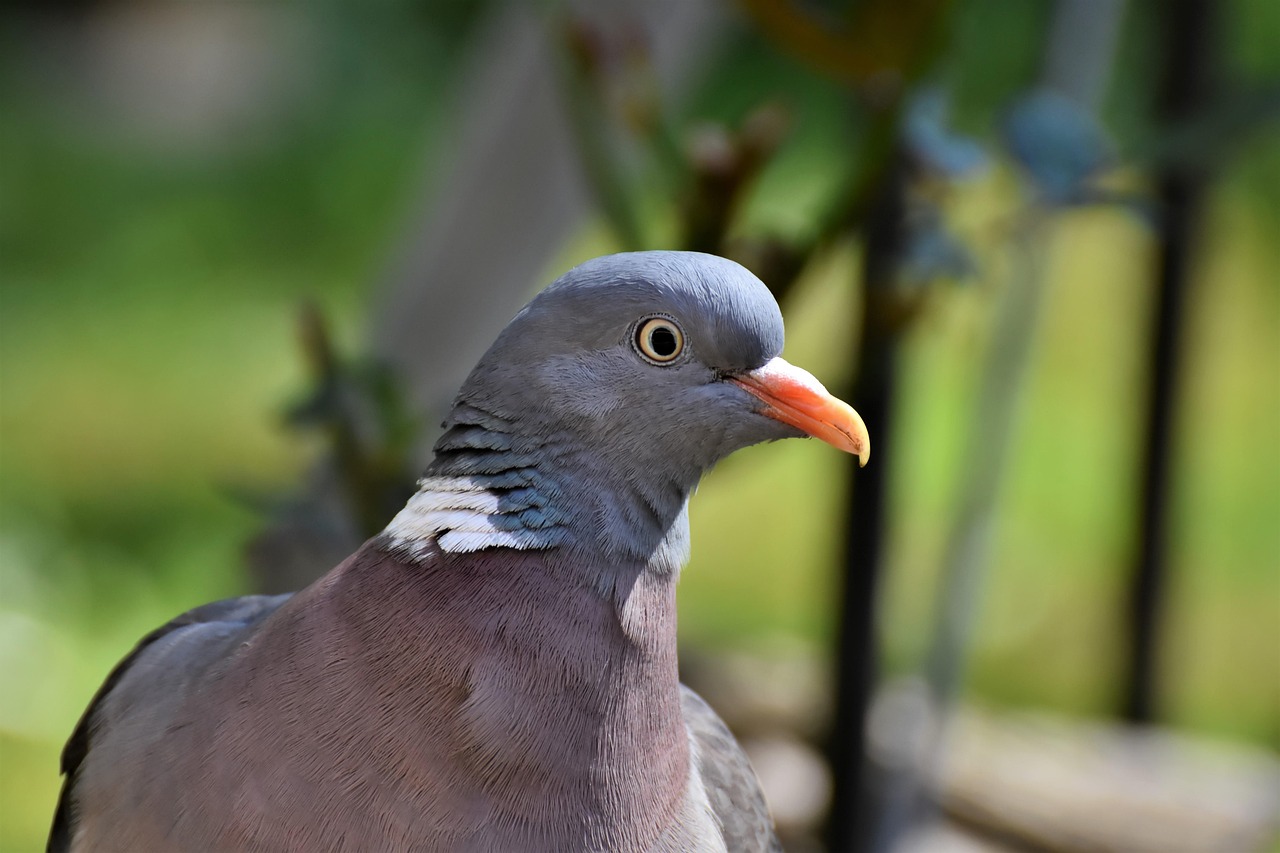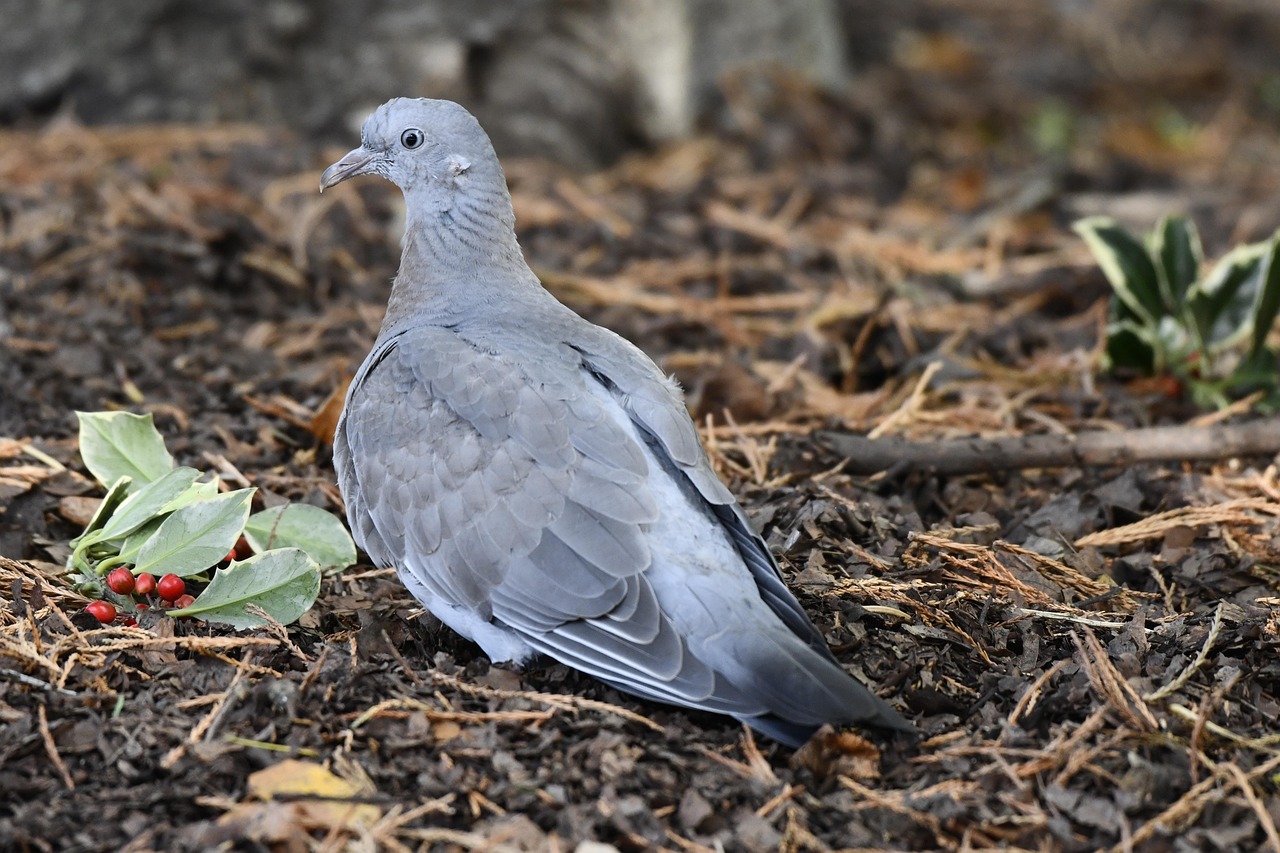
Maintaining a healthy pigeon loft requires a proactive and systematic approach to disease prevention. By focusing on robust loft sanitation and strategic health management, fanciers can create an environment where their birds thrive, minimizing the risk of common ailments that can devastate a flock. This article outlines a comprehensive protocol designed to safeguard your pigeons' well-being through practical, actionable steps.
Foundations of Loft Sanitation
Effective pigeon diseases prevention begins with impeccable loft sanitation, as a clean environment is the first line of defense against pathogens. A well-maintained loft reduces stress on birds and limits the spread of bacteria, viruses, and parasites. This section delves into the core principles of sanitation that every pigeon enthusiast should implement to foster a healthy habitat.
Daily Cleaning Routines
Establishing a consistent daily cleaning routine is crucial for preventing the buildup of waste and contaminants. Start by removing droppings, uneaten food, and feathers from the loft floor and perches each morning. Use a scraper or brush to clear solid waste, followed by a damp cloth for surfaces. This not only keeps the loft visually clean but also disrupts the life cycles of parasites like mites and worms. Incorporate a quick inspection during cleaning to spot any signs of illness early, such as abnormal droppings or lethargic birds. By making this a habit, you create a baseline of hygiene that supports overall flock health and reduces the workload for deeper weekly cleans.
In addition to waste removal, focus on food and water hygiene. Clean and refill water containers daily to prevent bacterial growth, using mild disinfectants weekly. Scatter feeding areas to minimize food contamination from droppings, and store feed in airtight containers to deter pests. These small, daily actions accumulate into significant benefits, lowering the risk of diseases like canker and respiratory infections. Remember, consistency is key—skipping even a day can allow pathogens to multiply, undermining your prevention efforts.
Weekly Deep Cleaning Protocols
While daily cleaning handles surface-level grime, a weekly deep clean tackles hidden threats and ensures thorough sanitation. Set aside time each week to remove all birds temporarily to a safe area, then strip the loft of bedding, perches, and nest boxes. Scrub all surfaces with a pigeon-safe disinfectant, paying extra attention to corners and crevices where parasites may hide. Rinse thoroughly to avoid chemical residues that could harm your birds. This process not only sanitizes the environment but also allows you to inspect the loft structure for repairs, such as fixing leaks or sealing gaps that could let in pests.
After cleaning, replace bedding with fresh, dry material like pine shavings or straw to absorb moisture and provide comfort. Rotate or clean perches and nest boxes to prevent mold and bacterial buildup. Consider using natural additives like diatomaceous earth in bedding to deter parasites organically. This weekly ritual reinforces your daily efforts, creating a holistic sanitation system that drastically reduces disease vectors. By maintaining this schedule, you build a resilient loft environment that supports long-term pigeon health and performance.
Strategic Disease Prevention Measures
Beyond sanitation, proactive health management is essential for pigeon diseases prevention. This involves vaccination, parasite control, and nutrition strategies that bolster your birds' immune systems. A multi-faceted approach ensures that your flock remains robust against common threats, from viral infections to internal parasites.
Vaccination and Health Monitoring
Vaccination is a cornerstone of disease prevention, particularly for viral illnesses like paramyxovirus and pigeon pox. Consult with an avian veterinarian to develop a vaccination schedule tailored to your region and loft conditions. Administer vaccines as recommended, typically starting with young birds and providing boosters annually. Keep detailed records of each bird's vaccination history to track compliance and identify gaps. This proactive step can prevent outbreaks that might otherwise spread rapidly through an unvaccinated flock, saving time and resources in the long run.
Complement vaccination with regular health monitoring to catch issues early. Conduct weekly checks of each pigeon, looking for signs such as weight loss, nasal discharge, or changes in behavior. Use a quarantine area for new or sick birds to prevent cross-contamination. Implement a fecal testing program every few months to screen for internal parasites like worms and coccidia. By staying vigilant, you can address health concerns before they escalate, ensuring that your prevention protocol remains effective and adaptive to your flock's needs.
Nutrition and Immune Support
A balanced diet is critical for strengthening pigeons' immune systems and enhancing disease resistance. Provide a high-quality feed mix rich in proteins, vitamins, and minerals, tailored to their life stage—whether breeding, racing, or molting. Supplement with fresh greens, grit, and clean water to support digestion and overall health. Avoid overfeeding, as obesity can stress birds and make them more susceptible to illnesses. By optimizing nutrition, you give your pigeons the tools they need to fight off infections naturally.
Incorporate immune-boosting additives like probiotics or apple cider vinegar in moderation to promote gut health and reduce pathogen loads. Ensure access to sunlight or full-spectrum lighting to support vitamin D synthesis, which is vital for bone health and immune function. Monitor food sources for contaminants like mold or pests that could introduce toxins. A well-nourished flock is more resilient, reducing the incidence of diseases and improving recovery times when issues do arise. This holistic approach ties directly into loft sanitation by minimizing waste from poor digestion and supporting a cleaner environment.
Environmental Control and Loft Design
The physical design and environmental controls of your loft play a significant role in disease prevention. Proper ventilation, temperature regulation, and pest exclusion create a stable habitat that discourages pathogen growth. This section explores how to optimize your loft's structure to complement sanitation efforts.
Ventilation and Air Quality Management
Good ventilation is essential for maintaining air quality and preventing respiratory diseases in pigeons. Design your loft with adjustable vents or windows to allow fresh air circulation without creating drafts that could chill birds. Use fans in stagnant areas to reduce humidity, which can foster mold and bacteria. Regularly clean air filters or screens to prevent dust and allergen buildup. By ensuring a steady flow of clean air, you reduce the risk of ailments like aspergillosis and support overall respiratory health.
Monitor air quality with simple tools like hygrometers to keep humidity levels between 40-60%. In damp climates, consider using dehumidifiers to control moisture. Avoid overcrowding, as too many birds in a small space can degrade air quality quickly. These measures not only prevent diseases but also enhance loft sanitation by drying out waste faster, making cleaning more efficient. A well-ventilated loft is a cornerstone of a healthy environment, directly impacting your pigeons' vitality and disease resistance.
Pest Exclusion and Loft Security
Pests like rodents, insects, and wild birds can introduce diseases and parasites into your loft, undermining sanitation efforts. Seal all entry points with mesh or hardware cloth to block access. Use traps or natural deterrents for rodents, and apply safe insecticides for insects like flies and mites. Regularly inspect the loft exterior for signs of infestation, such as droppings or nests. By creating a secure barrier, you protect your flock from external threats and maintain a controlled environment.
Incorporate loft design features that discourage pests, such as elevated floors to deter rodents and smooth surfaces that are easy to clean. Store feed in rodent-proof containers and remove spilled food promptly. Consider planting pest-repelling herbs nearby, like mint or lavender, as a natural aid. These strategies enhance your overall pigeon diseases prevention protocol by reducing vectors that could compromise loft sanitation. A pest-free loft not only safeguards health but also reduces stress on birds, promoting better performance and well-being.
Behavioral and Seasonal Adjustments
Adapting your prevention strategies to your pigeons' behaviors and seasonal changes ensures year-round protection. Understanding how activity levels, breeding cycles, and weather affect disease risk allows for targeted interventions. This section covers practical adjustments to keep your protocol effective in dynamic conditions.
Managing Stress and Flock Dynamics
Stress is a major contributor to disease susceptibility in pigeons, often triggered by factors like overcrowding, aggression, or environmental changes. Monitor flock dynamics to prevent bullying and ensure adequate space per bird. Provide multiple perches and feeding stations to reduce competition. During high-stress periods, such as breeding or racing, increase sanitation efforts and consider adding calming supplements like electrolytes. By minimizing stress, you boost immune function and reduce the likelihood of outbreaks.
Observe individual behaviors for signs of distress, such as feather picking or isolation, and address underlying causes promptly. Implement a gradual introduction process for new birds to avoid disrupting social hierarchies. Use enrichment items like toys or varied perches to promote mental well-being. These practices not only support pigeon diseases prevention but also enhance loft sanitation by reducing stress-related waste and aggression. A calm, harmonious flock is more resilient and easier to manage, aligning with your overall health goals.
Seasonal Prevention Strategies
Seasonal shifts bring unique challenges for disease prevention, requiring tailored approaches. In warmer months, focus on controlling humidity and pests, as heat can accelerate pathogen growth. Increase ventilation and water changes to combat dehydration and bacterial blooms. In colder seasons, prioritize insulation and draft protection to prevent respiratory issues, while maintaining sanitation despite reduced cleaning frequency due to weather. Adjust feeding regimens to match energy needs, such as higher fat content in winter.
Plan ahead for seasonal risks, like vaccinating before peak disease periods or deworming in spring when parasite activity rises. Keep a log of seasonal patterns in your loft to refine your protocol over time. By anticipating changes, you can proactively adjust loft sanitation and health measures, ensuring continuous protection. This adaptive mindset makes your prevention efforts more efficient and effective, safeguarding your flock through all conditions.
Conclusion
Preventing common pigeon diseases hinges on a integrated protocol that prioritizes loft sanitation and proactive health management. By implementing daily and weekly cleaning routines, strategic vaccinations, optimal nutrition, and environmental controls, you create a resilient foundation for your flock's well-being. Remember, consistency and adaptation are key—regular monitoring and seasonal adjustments will keep your efforts effective. For those looking to streamline their management, tools like Ghawy – Pigeon Manager (غاوي – إدارة الحمام) can help track health records and sanitation schedules, making it easier to maintain a healthy loft. Embrace these practices to enjoy a thriving, disease-free pigeon community.