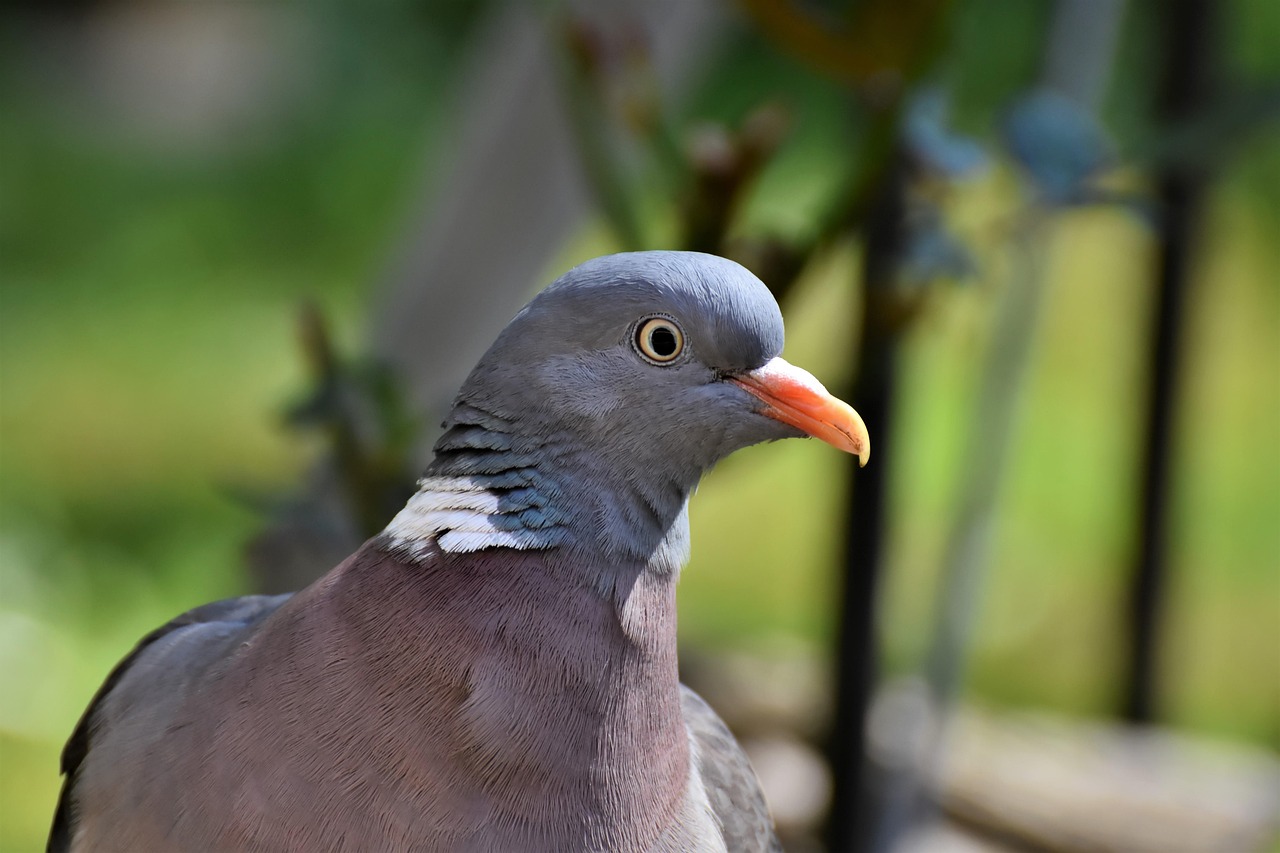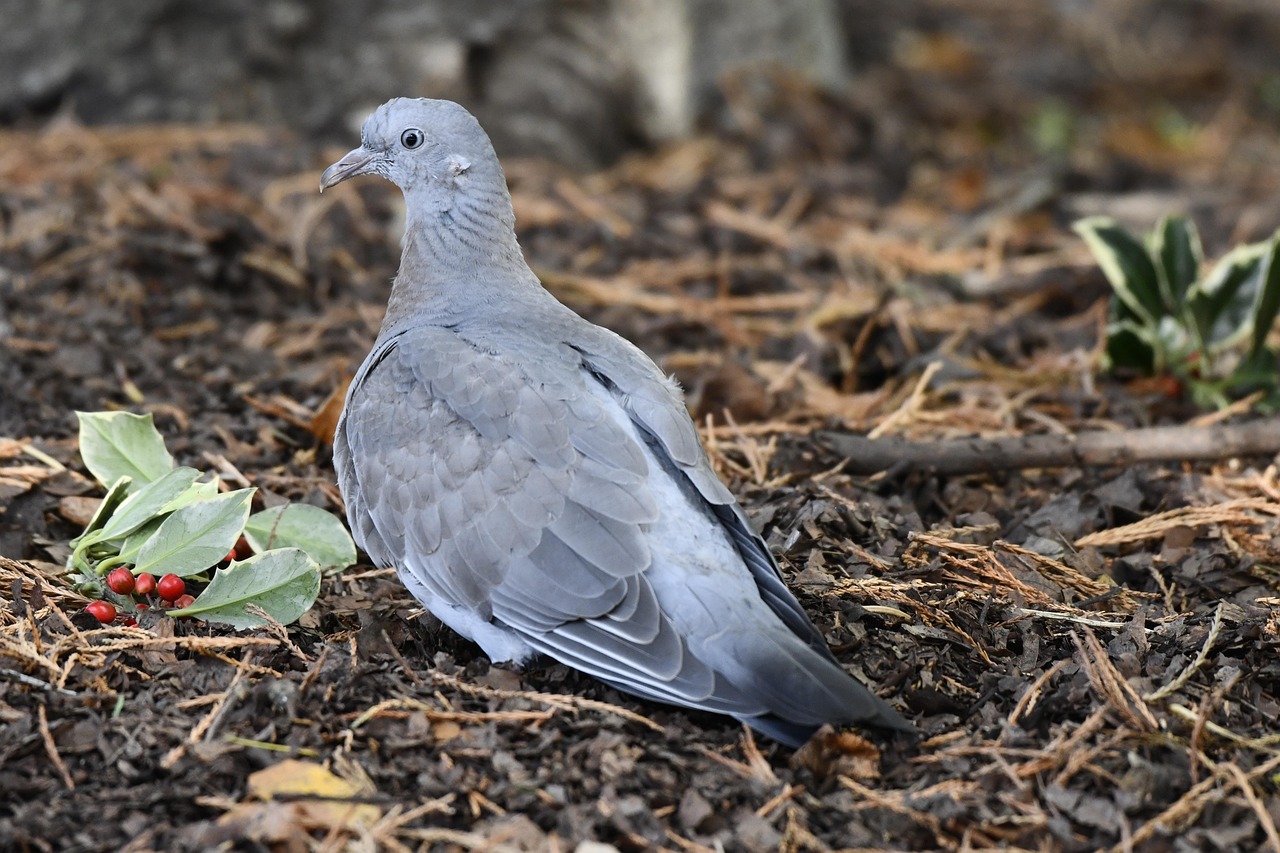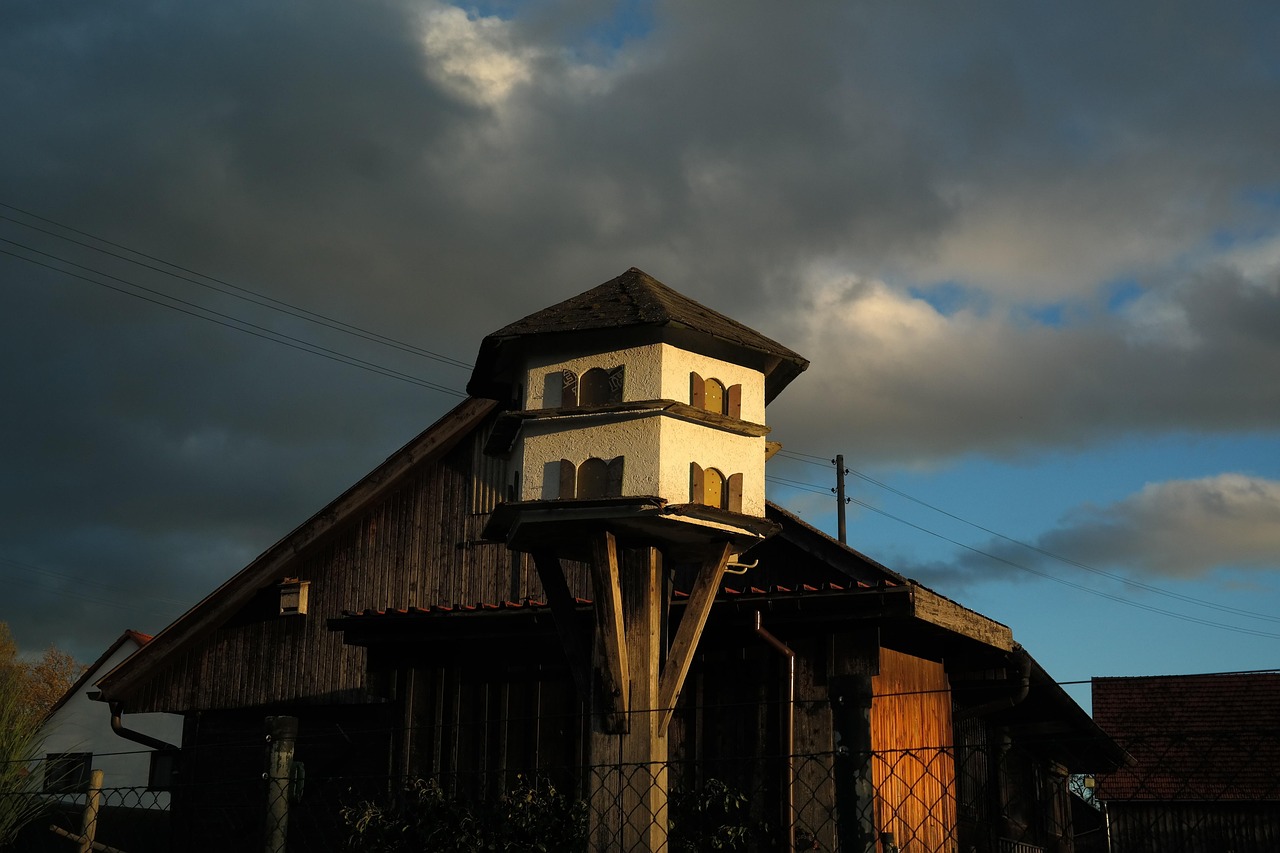
Maintaining a healthy pigeon loft requires a proactive and systematic approach to disease prevention. By focusing on robust loft sanitation and strategic health management, fanciers can create an environment where their birds thrive, minimizing the risk of common ailments that can devastate a flock. This article outlines a comprehensive protocol designed to safeguard your pigeons' well-being through practical, actionable steps.
The Foundation of Health: Understanding Pigeon Diseases Prevention
Effective pigeon diseases prevention starts with recognizing the threats that lurk in a poorly managed loft. Common illnesses like canker, respiratory infections, and parasites often stem from environmental stressors and poor hygiene. A proactive mindset, rather than a reactive one, is key to keeping your birds in peak condition year-round.
Identifying Common Ailments and Their Causes
Pigeons are susceptible to a range of diseases, many of which are preventable with proper care. Canker, caused by the Trichomonas parasite, thrives in damp, unsanitary conditions and can spread rapidly through contaminated water or feed. Respiratory issues, such as ornithosis, often arise from poor ventilation and overcrowding, leading to symptoms like sneezing and nasal discharge. Parasites like mites and worms exploit weak immune systems, which are common in stressed or malnourished birds. Understanding these causes allows fanciers to target their prevention efforts more effectively, addressing root issues rather than just symptoms. Regular observation of your flock's behavior and physical condition is crucial for early detection, enabling swift intervention before minor issues escalate into outbreaks.
The Role of Proactive Monitoring
Proactive monitoring involves daily checks and record-keeping to track your pigeons' health trends. Look for signs like lethargy, weight loss, or changes in droppings, which can indicate underlying problems. Implementing a quarantine protocol for new or sick birds prevents the introduction or spread of pathogens within the loft. By maintaining detailed logs of health incidents and treatments, you can identify patterns and adjust your prevention strategies accordingly. This vigilant approach not only safeguards individual birds but also strengthens the overall resilience of your flock, reducing the need for emergency interventions and costly veterinary care.
Mastering Loft Sanitation: A Step-by-Step Guide
Loft sanitation is the cornerstone of disease prevention, creating a clean and safe habitat that discourages pathogens. A well-sanitized loft reduces stress on pigeons' immune systems, allowing them to focus on growth and performance. This section breaks down the essential practices for maintaining impeccable hygiene in your pigeon housing.
Daily and Weekly Cleaning Routines
Establishing consistent cleaning routines is vital for effective loft sanitation. Daily tasks should include removing droppings, refreshing water and feed containers, and sweeping away debris to prevent bacterial buildup. Use non-toxic disinfectants specifically designed for avian environments to clean surfaces weekly, paying extra attention to perches, nesting boxes, and floors. Rotate cleaning tools to avoid cross-contamination, and ensure all materials are thoroughly dried to inhibit mold growth. By making these practices habitual, you create a stable environment that minimizes disease vectors, promoting long-term health for your pigeons without overwhelming your schedule.
Deep Cleaning and Disinfection Protocols
Beyond daily upkeep, periodic deep cleaning is essential to eliminate stubborn pathogens. Schedule a thorough disinfection every month or seasonally, depending on your loft's size and bird density. Remove all pigeons temporarily and scrub every surface with a vet-approved disinfectant, focusing on cracks and crevices where parasites might hide. Allow the loft to air-dry completely before reintroducing birds, and consider using natural additives like diatomaceous earth for pest control. This rigorous approach not only eradicates existing threats but also sets a high standard for hygiene, reinforcing your commitment to pigeon diseases prevention through meticulous loft sanitation.
Nutrition and Hydration: Building Immunity from Within
A balanced diet and clean water are fundamental to strengthening pigeons' natural defenses against disease. Proper nutrition supports immune function, while hydration aids in digestion and toxin elimination. This section explores how to optimize feeding and watering practices to complement your loft sanitation efforts.
Essential Nutrients for Disease Resistance
Pigeons require a varied diet rich in proteins, vitamins, and minerals to maintain robust health. Incorporate high-quality grains, legumes, and supplements like grit and calcium to support bone strength and metabolic processes. Avoid moldy or stale feed, as contaminants can introduce toxins that weaken immunity. Tailor diets based on life stages, such as breeding or racing, to meet increased nutritional demands. By providing optimal nutrition, you empower your birds to resist infections naturally, reducing their reliance on medications and enhancing overall vitality in line with effective pigeon diseases prevention strategies.
Water Management and Hygiene
Clean water is as critical as food in preventing disease, as contaminated sources can harbor pathogens like bacteria and parasites. Change water daily, using containers that are easy to clean and refill to discourage algae growth. Consider adding apple cider vinegar or probiotics to water occasionally to promote gut health and deter microbial growth. In colder climates, prevent freezing with heated drinkers to ensure constant access. These practices not only support hydration but also integrate seamlessly with loft sanitation, creating a holistic approach to health that addresses both environmental and internal factors.
Environmental Control: Optimizing Loft Conditions
The physical environment of your loft plays a significant role in disease prevention, influencing factors like temperature, humidity, and airflow. By controlling these elements, you can reduce stress and create an inhospitable setting for pathogens. This section details how to fine-tune your loft for optimal health outcomes.
Ventilation and Air Quality
Proper ventilation is essential for maintaining good air quality and preventing respiratory issues. Ensure your loft has adequate airflow without creating drafts, using vents or fans to circulate fresh air and remove ammonia from droppings. Monitor humidity levels, aiming for 50-60% to prevent dampness that encourages mold and bacteria. Regularly clean air filters and inspect for leaks that could compromise insulation. By prioritizing air quality, you support respiratory health and enhance the effectiveness of your loft sanitation routines, creating a safer space for your pigeons to thrive.
Temperature and Lighting Management
Stable temperatures and appropriate lighting contribute to pigeons' well-being and disease resistance. Maintain a consistent temperature range, typically between 10-25°C (50-77°F), using insulation or heating in winter and shade in summer to avoid extremes. Provide natural or artificial lighting on a regular schedule to regulate circadian rhythms and support breeding cycles. Avoid sudden changes that can stress birds, weakening their immune systems. These controls, combined with rigorous loft sanitation, form a comprehensive protocol that minimizes environmental stressors, aligning with best practices for pigeon diseases prevention.
Integrating Prevention into Daily Management
Successful disease prevention requires integrating strategies into your daily loft management, making them second nature rather than occasional tasks. This section offers practical tips for embedding these practices into your routine, ensuring long-term consistency and effectiveness.
Creating a Sustainable Schedule
Develop a manageable schedule that balances cleaning, feeding, and monitoring without burnout. Allocate specific times for tasks like daily inspections and weekly disinfection, using reminders or logs to stay on track. Involve family members or fellow enthusiasts to share responsibilities, fostering a collaborative approach to loft sanitation. Regularly review and adjust your protocol based on seasonal changes or flock dynamics, ensuring it remains relevant and efficient. By making prevention a habitual part of your management, you build a resilient system that supports ongoing pigeon diseases prevention with minimal effort.
Leveraging Technology and Tools
Utilize modern tools to enhance your prevention efforts, such as digital thermometers for temperature monitoring or automated feeders for consistent nutrition. Consider apps or software for health tracking, like Ghawy – Pigeon Manager (غاوي – إدارة الحمام), which can help organize records and alert you to potential issues. Invest in quality cleaning supplies and protective gear to maintain safety and efficiency. These resources streamline your workflow, allowing you to focus on proactive care rather than reactive fixes, ultimately strengthening your loft sanitation and overall health management.
Conclusion
Preventing common pigeon diseases hinges on a holistic protocol that combines loft sanitation, nutrition, environmental control, and consistent management. By adopting these strategies, you can create a healthy, thriving loft where diseases are rare and birds perform at their best. Remember, tools like Ghawy – Pigeon Manager (غاوي – إدارة الحمام) can simplify this process, helping you stay organized and proactive. Start implementing these steps today to build a stronger, more resilient flock for years to come.