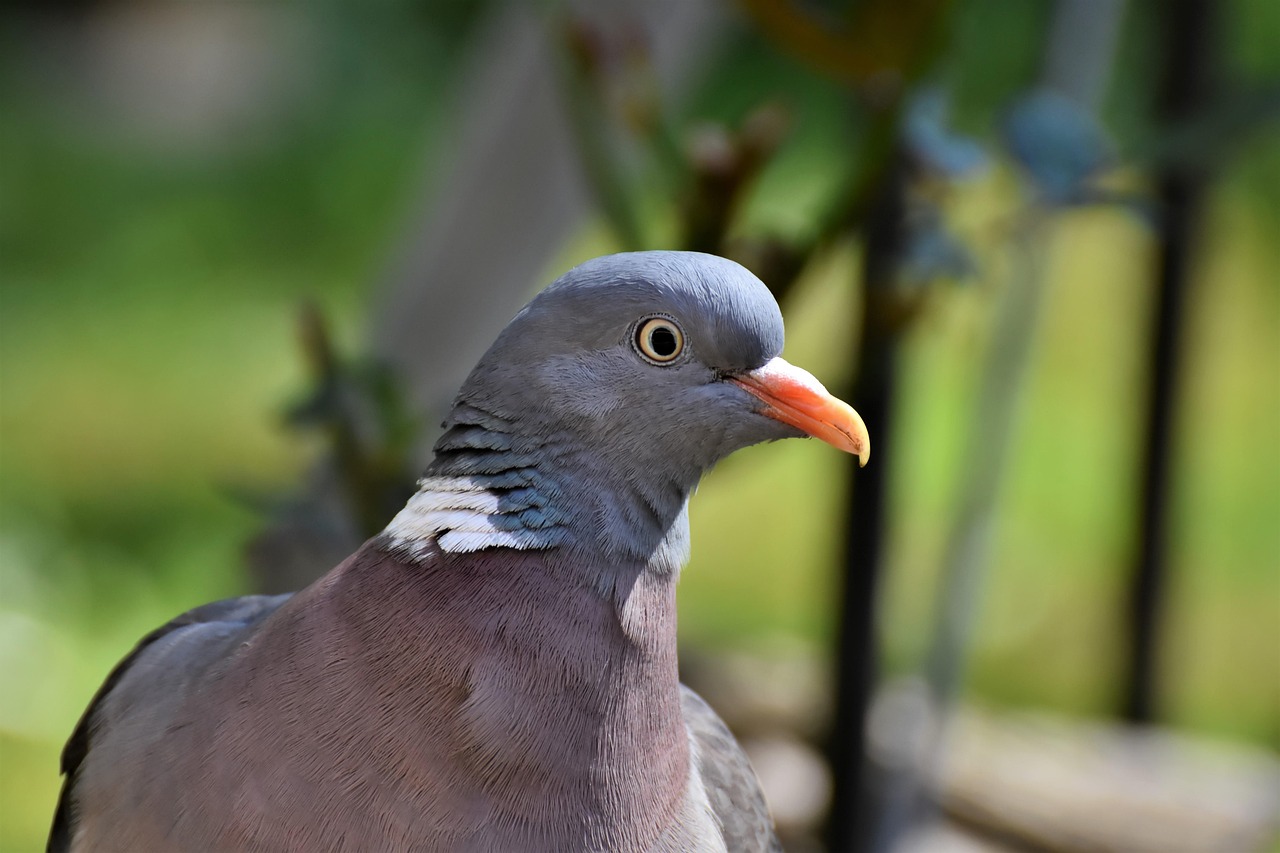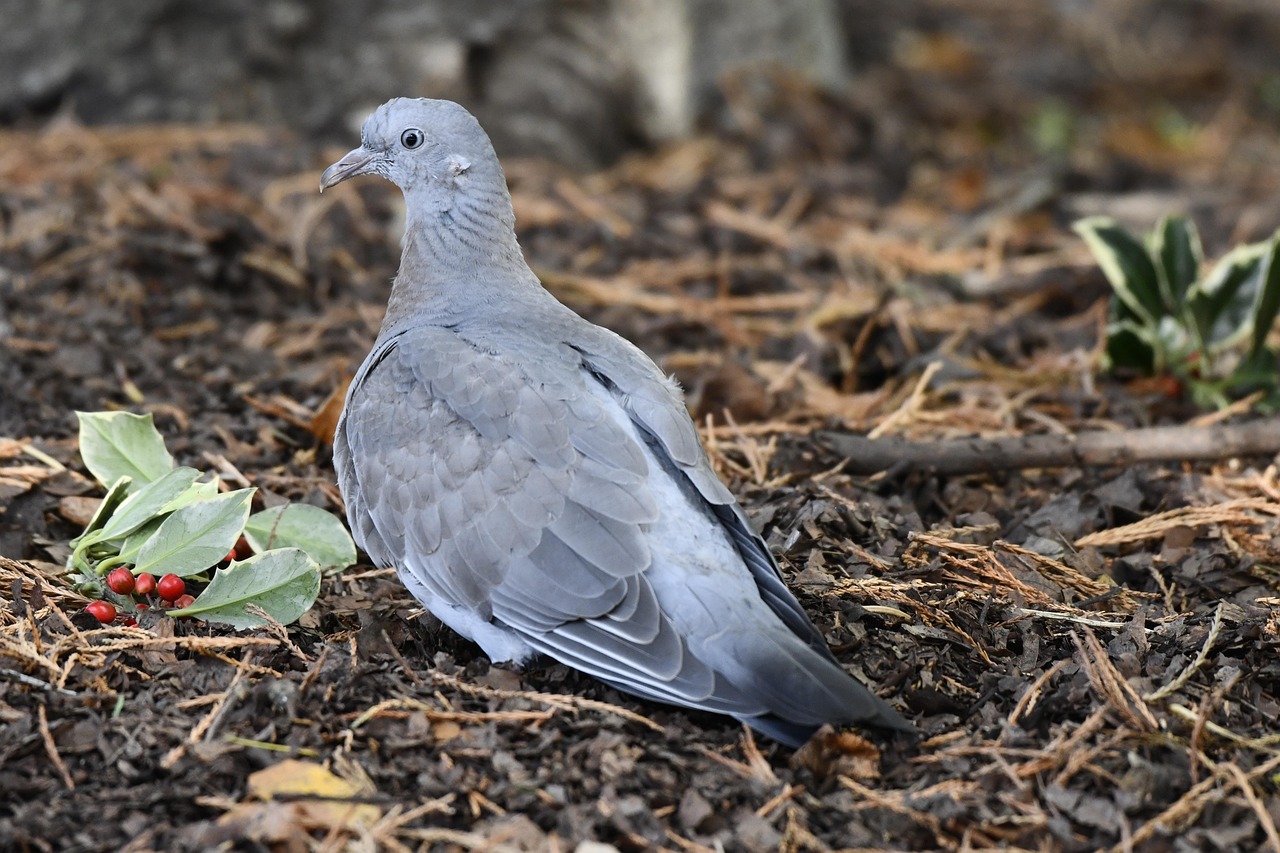
For pigeon enthusiasts, maintaining the health and vitality of their birds is a top priority. A structured weekly preventive health program, incorporating essential pigeon vitamins and proactive care, can transform your loft's well-being. This guide offers a comprehensive, actionable plan to ensure your pigeons thrive through every season.
Why a Weekly Preventive Health Program is Essential
Implementing a weekly preventive health program is crucial for pigeon keepers who aim to avoid common ailments and enhance performance. Unlike reactive care, which addresses issues after they arise, preventive health focuses on building resilience through consistent routines. This approach not only saves time and resources but also fosters a thriving environment where pigeons can exhibit their full potential, whether for racing, breeding, or show purposes. By prioritizing prevention, you create a foundation of wellness that supports long-term success in pigeon management.
The Science Behind Preventive Health
Preventive health in pigeons is rooted in understanding their biological needs and environmental stressors. Pigeons, like all animals, require balanced nutrition, clean habitats, and regular monitoring to ward off diseases. A weekly program allows for timely interventions, such as adjusting diets or addressing minor health signs before they escalate. Research in avian health emphasizes that consistent care reduces the incidence of infections and boosts immune function, making pigeons less susceptible to common threats like parasites or respiratory issues. By integrating scientific principles, this program ensures your birds receive optimal support tailored to their lifecycle stages.
Benefits of a Structured Weekly Routine
A structured weekly routine offers numerous benefits that go beyond basic care. It provides predictability for both the keeper and the pigeons, reducing stress and promoting harmony in the loft. Key advantages include improved disease resistance, enhanced feather quality, and better breeding outcomes. For example, regular health checks can detect early signs of malnutrition or infection, allowing for swift corrective actions. Additionally, a consistent schedule helps in tracking progress and making data-driven decisions, ultimately leading to healthier, more vibrant pigeons. This proactive approach is a hallmark of expert pigeon management, ensuring your flock remains in peak condition year-round.
Core Components of the Weekly Program
The weekly preventive health program is built on four core components: nutrition, hygiene, exercise, and monitoring. Each element plays a vital role in maintaining overall wellness and should be integrated into your routine without fail. Nutrition focuses on providing balanced feeds and supplements, while hygiene ensures a clean and safe environment. Exercise promotes physical fitness, and monitoring involves regular health assessments to catch issues early. Together, these components create a holistic system that addresses all aspects of pigeon care, making it easier to implement and sustain over time.
Nutrition: The Role of Pigeon Vitamins
Nutrition is the cornerstone of any preventive health program, with pigeon vitamins being a key element. Vitamins such as A, D, E, and B-complex are essential for immune function, bone health, and energy metabolism. A weekly plan should include a balanced diet rich in grains, legumes, and greens, supplemented with high-quality vitamin mixes tailored to your pigeons' needs. For instance, during molting or breeding seasons, increased vitamin intake can support feather growth and reproductive health. It's important to avoid over-supplementation, as excess vitamins can be harmful. Instead, follow dosage guidelines and adjust based on individual bird requirements, ensuring optimal nutrition without waste or risk.
Hygiene and Environmental Management
Hygiene and environmental management are critical for preventing disease outbreaks in your loft. A weekly routine should include thorough cleaning of feeders, waterers, and perches, along with regular disinfection of surfaces. Proper ventilation is also essential to reduce humidity and airborne pathogens. By maintaining a clean environment, you minimize the risk of infections like canker or respiratory diseases. Additionally, consider seasonal adjustments; for example, increase cleaning frequency during wet months to prevent mold growth. This proactive approach not only safeguards health but also enhances the overall living conditions, contributing to happier, more productive pigeons.
Implementing the Weekly Schedule
Implementing the weekly schedule requires careful planning and consistency. Start by designating specific days for each task, such as Monday for nutrition checks and Friday for deep cleaning. This structure helps in managing time effectively and ensures no aspect of care is overlooked. Use tools like checklists or digital reminders to stay on track, and involve family members or assistants if possible. Remember, flexibility is key; adjust the schedule based on your pigeons' responses or external factors like weather changes. By making the program a habitual part of your routine, you'll find it becomes second nature, leading to sustained health benefits for your flock.
Daily and Weekly Tasks Breakdown
Breaking down tasks into daily and weekly activities simplifies implementation. Daily tasks might include feeding, watering, and quick visual inspections, while weekly tasks encompass more in-depth actions. For example, set aside time each week for supplement administration, loft disinfection, and health assessments. A sample schedule could involve: Sunday for vitamin supplementation, Wednesday for exercise monitoring, and Saturday for environmental audits. This breakdown ensures comprehensive coverage without overwhelming the keeper. It also allows for gradual adjustments, making the program adaptable to different loft sizes or pigeon types, from racers to fancy breeds.
Monitoring and Adjusting the Program
Monitoring and adjusting the program is essential for its long-term success. Regularly assess your pigeons' health through indicators like weight, feather condition, and behavior. Keep a log to track changes over time, noting any improvements or issues. If problems arise, such as decreased appetite or lethargy, review your routine and make necessary adjustments, like modifying vitamin dosages or enhancing hygiene practices. This iterative process ensures the program remains effective and responsive to your flock's evolving needs. By staying attentive and proactive, you can fine-tune the schedule for optimal results, fostering a culture of continuous improvement in your pigeon care.
Advanced Tips for Enhanced Preventive Health
For those looking to elevate their preventive health program, advanced tips can provide an extra edge. These include incorporating natural remedies, optimizing breeding strategies, and leveraging technology for better management. Natural remedies, such as herbal supplements or probiotics, can complement traditional pigeon vitamins and boost immunity. In breeding, focus on genetic diversity and stress reduction to produce healthier offspring. Technology, like health-tracking apps or automated feeders, can streamline tasks and provide valuable data insights. By exploring these advanced approaches, you can tailor the program to your specific goals, whether for competitive racing or hobbyist enjoyment, ensuring your pigeons receive top-tier care.
Integrating Natural Supplements
Integrating natural supplements into your weekly program can enhance preventive health without relying solely on synthetic products. Options like garlic, apple cider vinegar, or probiotics offer additional benefits, such as improved digestion and parasite control. For example, adding a small amount of apple cider vinegar to drinking water weekly can help maintain gut health and deter bacteria. However, use these supplements judiciously, as overuse may cause imbalances. Consult with avian experts or conduct research to determine appropriate dosages and combinations. This holistic approach not only supports physical health but also aligns with sustainable practices, making it a valuable addition to any preventive care regimen.
Seasonal Adjustments for Optimal Care
Seasonal adjustments are crucial for maintaining preventive health throughout the year. In winter, focus on providing extra warmth and high-energy feeds to combat cold stress, while in summer, ensure adequate hydration and shade to prevent heatstroke. Adjust vitamin supplementation based on seasonal needs; for instance, increase vitamin D during darker months to support bone health. Also, modify exercise routines to account for weather conditions, such as reducing flight time during extreme temperatures. By anticipating seasonal challenges and adapting your weekly program accordingly, you can keep your pigeons resilient and healthy regardless of external factors, demonstrating a deep understanding of their natural rhythms.
Conclusion
In summary, a weekly preventive health program is a game-changer for pigeon enthusiasts, offering a structured approach to ensure long-term wellness. By focusing on key elements like nutrition with pigeon vitamins, hygiene, and regular monitoring, you can proactively address health issues and enhance your flock's vitality. Remember, consistency and adaptability are key to success. For those seeking to streamline their management, consider exploring tools like Ghawy – Pigeon Manager (غاوي – إدارة الحمام) to simplify tracking and implementation. Embrace this program to foster a thriving loft where your pigeons can flourish in every aspect of their lives.